 EN
How to Assess Production Efficiency at a PP Woven Bag Factory
Discover the 4 critical production metrics—throughput, defect rate, equipment uptime & on-time delivery—to vet factories confidently.

2026/08/18
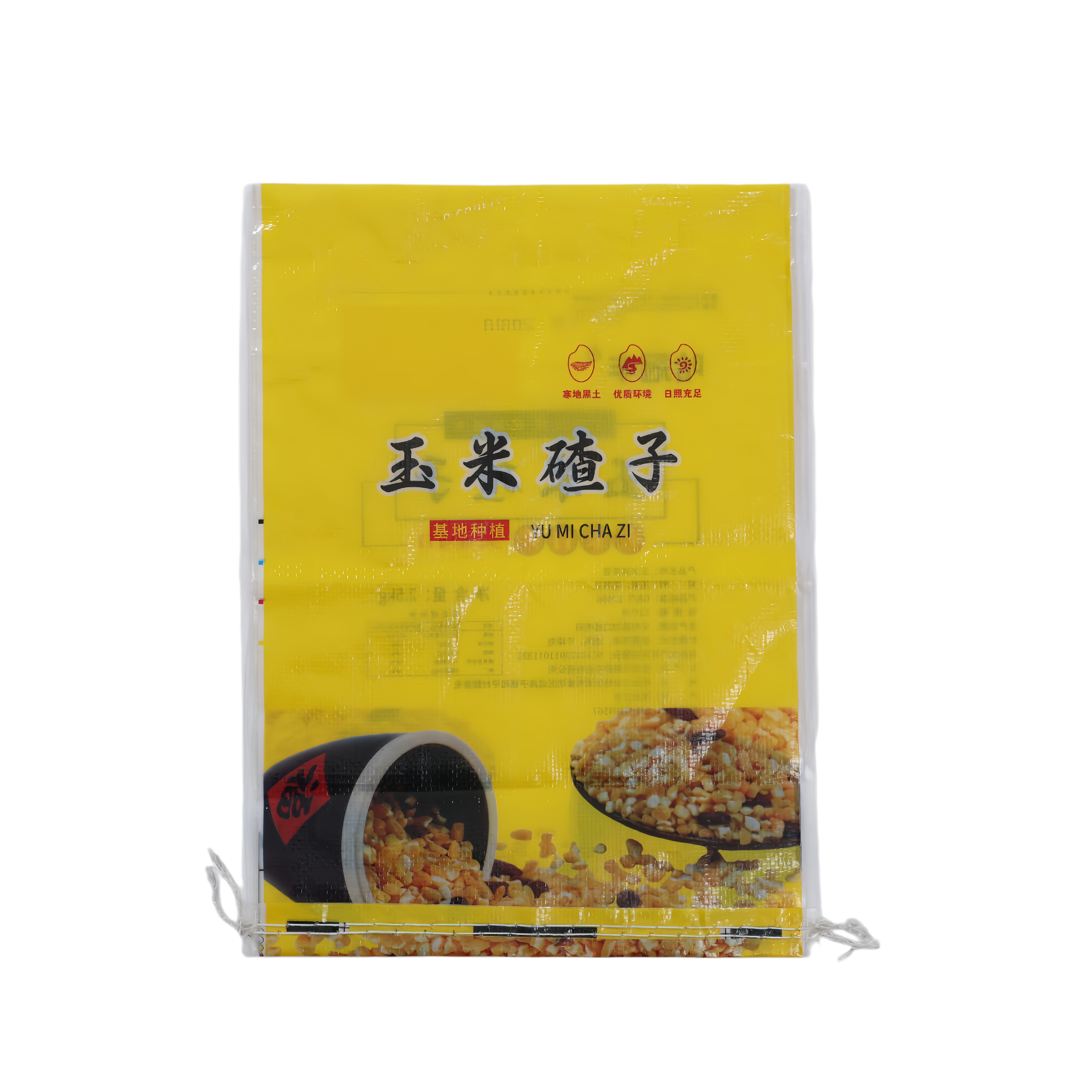
Choosing the right animal feed bags for humid barn environments is a critical decision that directly impacts feed quality, livestock health, and operational costs. Humidity inside barns creates moisture accumulation that degrades feed nutritional value, promotes mold growth, and reduces shelf life. The choice between laminated and standard bags fundamentally determines how well your livestock feed packaging protects grain and premixes from environmental damage. Understanding the performance differences helps farm managers select the packaging solution that best serves their specific storage conditions and herd requirements.
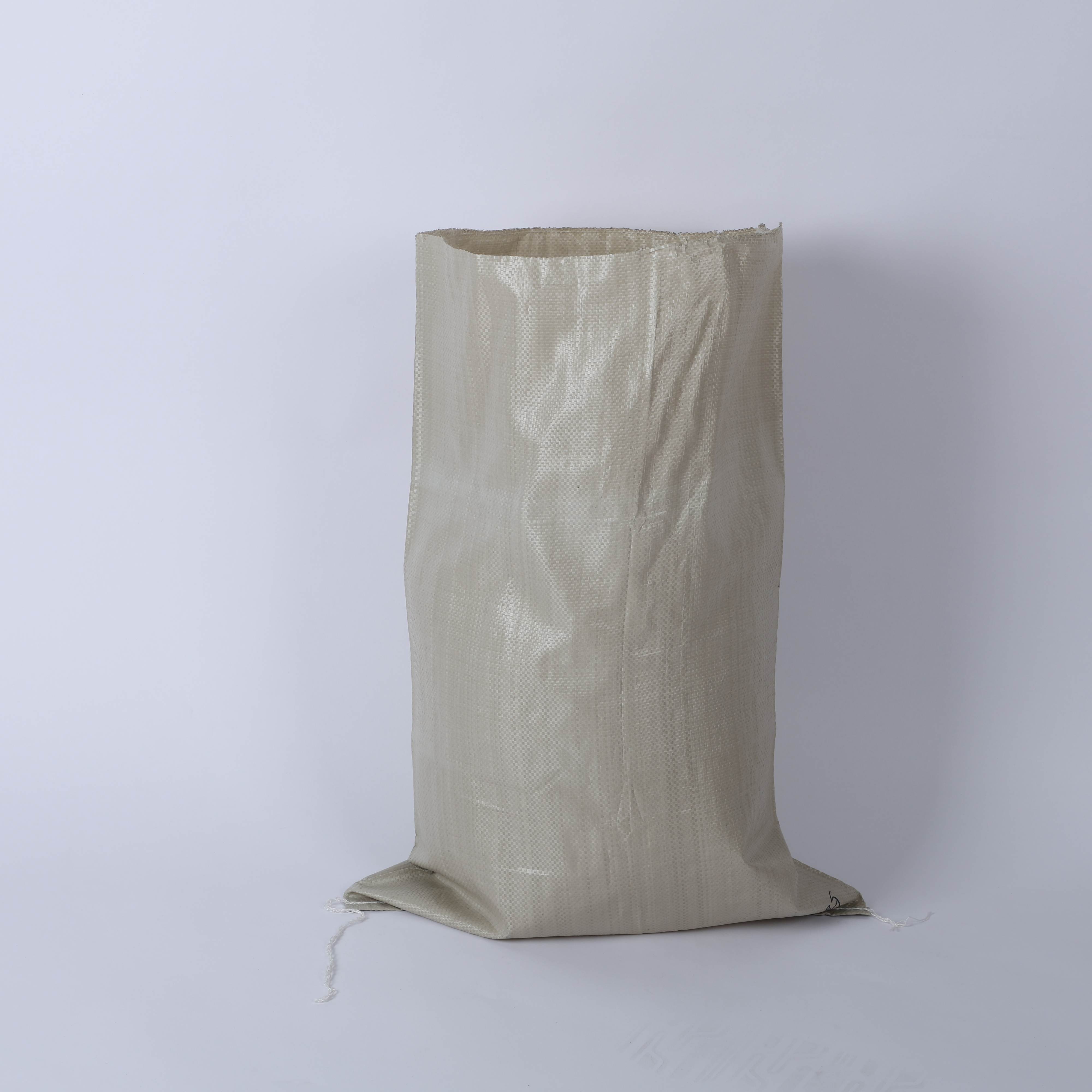
Humid barn conditions present unique challenges that standard packaging solutions often fail to address adequately. When moisture levels remain elevated, feed storage sack materials absorb ambient humidity, creating an environment where mold spores germinate and bacterial populations expand. The difference between laminated and standard bag performance becomes especially visible during extended storage periods. Farm operations relying on poultry feed bag storage or pp feed bag systems need packaging that maintains structural integrity and prevents moisture transmission while remaining cost-effective for bulk operations.
Standard animal feed bags typically use single-layer or basic woven polypropylene material without additional protective coatings. These pp feed bag designs offer affordability and are suitable for dry storage environments where moisture exposure remains minimal. However, in humid barn conditions, standard feed storage sack materials begin deteriorating within weeks as moisture penetration weakens the woven fibers and creates internal condensation. The natural breathability of uncoated polypropylene becomes a disadvantage rather than a benefit when atmospheric humidity exceeds 70 percent, which is common in livestock facilities during rainy seasons.
Laminated animal feed bags feature multiple layers bonded together, typically combining polypropylene woven fabric with polyethylene or specialized moisture-blocking films. This multi-layer livestock feed packaging design creates a comprehensive moisture barrier that prevents humidity penetration from both exterior and interior surfaces. The lamination process seals microscopic pores in the woven material, reducing moisture vapor transmission rates by 80 to 90 percent compared to standard bags. Laminated poultry feed bag construction maintains these protective properties even when exposed to temperature fluctuations common in barn environments, ensuring that feed storage sack integrity remains consistent throughout the storage cycle.
In humid barns, laminated pp feed bag systems maintain feed moisture content within acceptable ranges, typically keeping grain moisture below 14 percent even when exterior humidity reaches saturation. Standard bags allow moisture migration that can increase feed moisture levels to 16 to 20 percent, creating conditions where mold toxins develop and nutritional value deteriorates. Poultry feed bag performance becomes measurable through feed palatability tests and growth performance tracking, where animals consuming feed stored in standard bags often show reduced feed intake compared to those receiving feed from laminated packaging. The livestock feed packaging choice directly influences feed conversion ratios, with laminated systems preserving nutrient bioavailability over extended storage periods.
Standard animal feed bags require replacement more frequently in humid environments, sometimes becoming unusable after 6 to 8 weeks of barn storage as fibers weaken and seams deteriorate. Laminated feed storage sack designs extend usable life to 4 to 6 months under identical humidity conditions, reducing per-unit packaging costs despite higher initial purchase prices. The pp feed bag cost premium for laminated construction ranges from 15 to 30 percent, but operational economics favor lamination when factoring replacement frequency, feed waste reduction, and livestock health maintenance. Farm operations using feed storage sack systems for multiple seasonal cycles benefit substantially from laminated construction as the durability advantage compounds across storage cycles.
Poultry feed bag requirements differ from cattle or swine feed storage needs due to feed composition and sensitivity to moisture-induced quality loss. Poultry diets containing finely ground ingredients and vitamin premixes require superior moisture protection, making laminated animal feed bags the preferred choice for operations maintaining flocks over extended periods. Livestock feed packaging for larger animals can sometimes utilize standard bags when storage duration remains short and rotation frequency stays high. The decision between standard and laminated pp feed bag systems should align with specific livestock feed types, typical storage duration, barn humidity patterns, and operational budget constraints.
Regardless of bag selection, feed storage sack placement within barns significantly influences moisture exposure. Storing animal feed bags on pallets rather than directly on barn floors reduces ground moisture absorption and improves air circulation beneath stacked poultry feed bag units. Ventilation optimization in barn spaces reduces ambient humidity and extends the protective capacity of both laminated and standard packaging. Rotating feed inventory ensures that older stock experiences minimal extended storage exposure. Combining laminated livestock feed packaging with proper storage practices maximizes feed quality preservation and minimizes waste accumulation, creating a comprehensive system that protects both feed and animal health outcomes.
Standard bags may perform acceptably when humidity remains below 60 percent and storage duration stays under 8 weeks, but performance becomes unreliable as humidity increases or storage extends. Feed storage sack materials begin showing moisture damage signs at higher humidity levels, with mold spots and feed discoloration becoming visible. If barn conditions frequently exceed 65 percent humidity or if feed must be stored for more than 10 weeks, laminated pp feed bag systems provide more dependable protection and ultimately prove more economical through reduced feed waste and livestock health issues.
Laminated animal feed bags provide superior moisture barrier properties, extending feed storage life by 50 to 100 percent in humid environments compared to standard bags. Livestock feed packaging using lamination maintains feed nutrient density better, prevents mold development more effectively, and reduces seam failure rates even when exposed to rough handling. The pp feed bag lamination process creates a unified structure that resists puncture and environmental stress more effectively. Feed storage sack durability improvements translate directly into operational cost savings and more consistent livestock nutrition throughout the year.
Temperature fluctuations, seasonal variations, and sunlight exposure all influence whether standard or laminated animal feed bags perform better in specific barn locations. Laminated poultry feed bag systems resist UV degradation more effectively when stored outdoors or near windows, maintaining structural integrity longer than standard bags. Livestock feed packaging exposed to temperature cycling benefits from lamination because the multi-layer construction resists stress cracking. Regional climate patterns should inform pp feed bag selection, with operations in high-humidity areas nearly always favoring laminated feed storage sack systems despite their higher initial cost.

Discover the 4 critical production metrics—throughput, defect rate, equipment uptime & on-time delivery—to vet factories confidently.

Ensure regulatory compliance & worker safety with proven methods for chemical woven bags—material selection, labeling, storage & training.

Discover the full PP woven bag manufacturing workflow—from extrusion & weaving to printing & QC. Boost efficiency, compliance & ROI. Download the process guide now.

Struggling with weak bags or high material waste? Master extrusion and tape drawing tech for stronger, cheaper PP woven bags. Optimize your production line now.

Struggling with defects or customer returns? Discover the 5 non-negotiable quality checkpoints across your woven bag production line
Which automation tier is right for your PP woven bag factory? Compare manual to Industry 4.0 systems for cost, quality, and scalability.
Get in touch for details on polypropylene woven bags and flexible packaging solutions.
Tel
Address
No.2015, Liaoyuan Building, Lanshan District, Linyi City, Shandong Province.China

