 EN
How to Assess Production Efficiency at a PP Woven Bag Factory
Discover the 4 critical production metrics—throughput, defect rate, equipment uptime & on-time delivery—to vet factories confidently.

2026/08/13
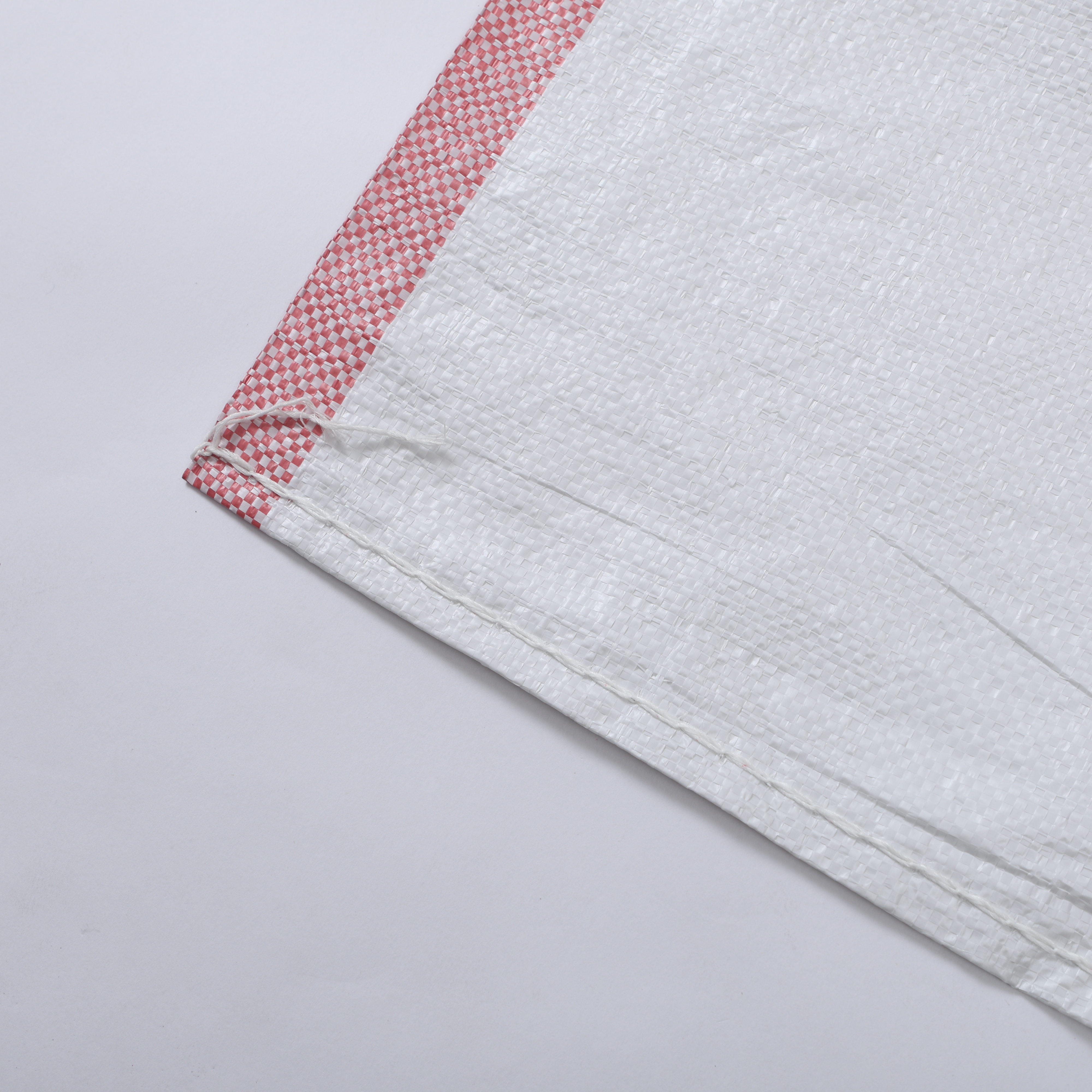
Storing animal feed in humid climates presents a significant challenge for livestock operations, poultry farms, and agricultural businesses. Moisture penetration can degrade feed quality, reduce nutritional value, and promote mold growth that harms animal health. The choice between laminated and standard feed bags directly impacts how well your animal feed bag storage performs throughout the year. Understanding the structural differences, moisture resistance capabilities, and long-term cost implications of each option enables farm managers and feed distributors to make informed decisions that protect inventory and optimize livestock feed quality.
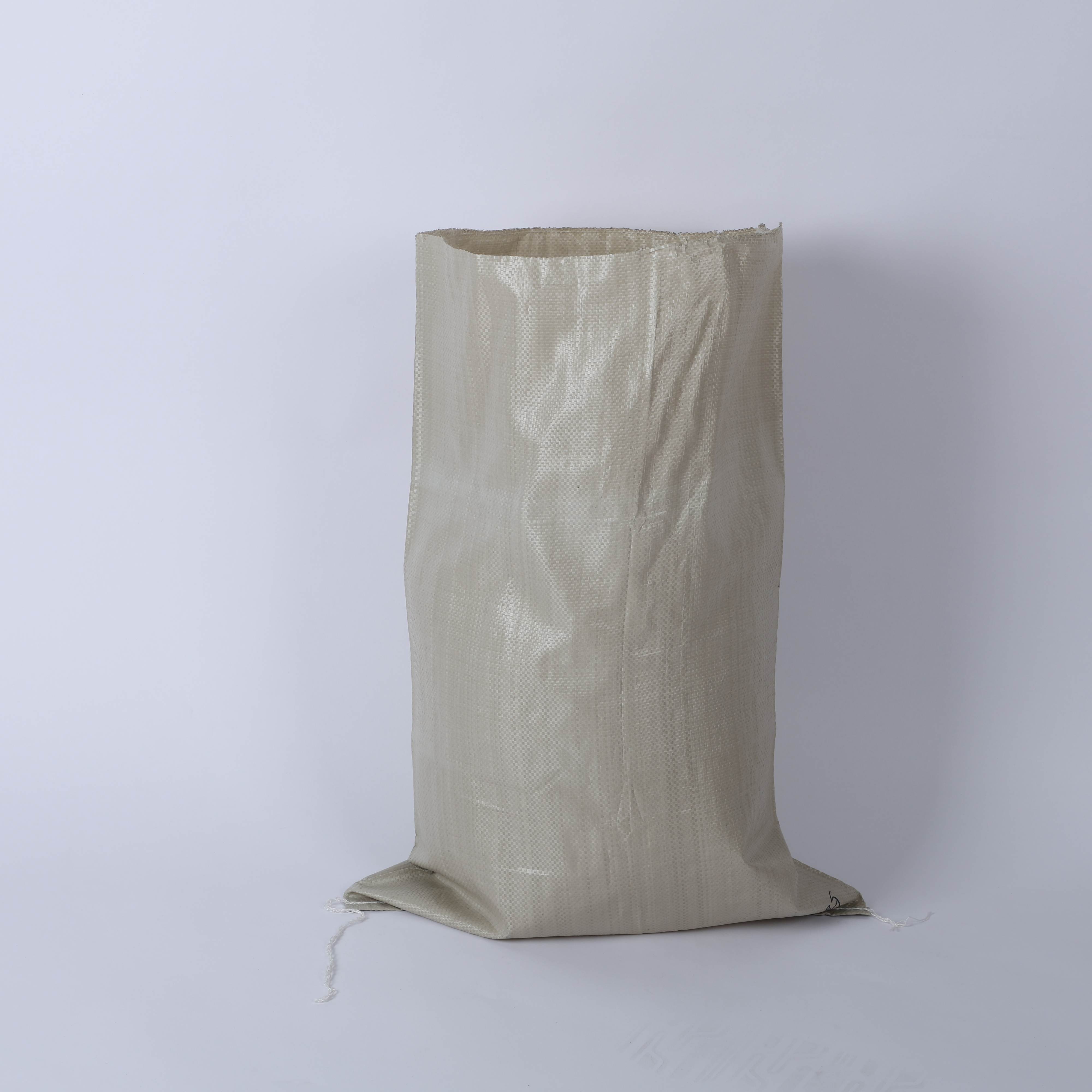
Humidity-related feed spoilage represents a costly but preventable problem. Standard pp feed sack designs offer basic containment and cost efficiency, while laminated feed packaging bag constructions provide enhanced moisture barriers. The right choice depends on your climate conditions, storage duration, budget constraints, and the specific livestock feed bag requirements of your operation. This guide compares both technologies to help you select the most effective solution for humid climate feed storage.
Laminated feed packaging bags incorporate multiple layers of material bonded together to create a superior moisture barrier. The outer polypropylene layer provides mechanical strength, while an inner moisture-resistant laminate layer blocks water vapor transmission. This multi-layer construction significantly reduces the permeability rate compared to single-wall designs. When properly sealed, laminated livestock feed bags can maintain internal moisture levels for extended periods, even in saturated humid environments where condensation constantly forms on storage surfaces.
The lamination process fuses these layers through heat and pressure, creating a continuous seal that eliminates weak points where moisture typically enters. Premium animal feed bag manufacturers use advanced laminating technologies that ensure consistent barrier performance across every production batch. The moisture vapor transmission rate of laminated feed bags is typically 50 to 70 percent lower than standard pp feed sack alternatives, making this investment worthwhile for long-term storage scenarios.
Standard feed bags rely on single-layer polypropylene construction without additional moisture barriers. While these livestock feed bag designs offer excellent puncture resistance and structural integrity, their permeability to water vapor remains a limiting factor in humid climates. Moisture gradually penetrates through the polymer matrix, especially when bags remain stored against damp walls or on floors exposed to ground water seepage. Standard pp feed sack materials absorb moisture at the molecular level, which can lead to internal condensation formation as temperature fluctuations occur throughout the day.
The primary advantage of standard animal feed bag designs is lower initial cost and straightforward production. Feed distributors favor standard feed packaging bag options for shorter storage periods or climate-controlled facilities. However, in tropical, subtropical, or consistently humid regions, the cost savings from standard pp feed sack purchases often disappear when moldy, degraded feed requires replacement or causes livestock health problems.
Laboratory testing consistently demonstrates that laminated feed bags outperform standard designs when exposed to high humidity and temperature cycling. Over a 90-day storage period in 85-percent relative humidity conditions, laminated animal feed bag samples retained feed moisture content within acceptable ranges, while standard pp feed sack samples showed moisture increases of 3 to 6 percent. This difference directly translates to preserved nutritional value, reduced pathogenic mold colonization, and extended feed shelf life for livestock feed bag storage.
The feed packaging bag construction also influences condensation formation inside sealed bags. Temperature drops during evening hours cause air inside the storage container to cool, reducing its capacity to hold moisture. With standard designs, this condensation forms directly on feed particles, creating localized wet spots where mold rapidly develops. Laminated feed bags minimize condensation by maintaining more stable internal microclimates, as the barrier layer reduces temperature gradients between internal and external environments.
Laminated animal feed bag costs typically run 15 to 30 percent higher than standard pp feed sack pricing, depending on lamination thickness and material specifications. For operations storing feed in humid climates for 6 months or longer, this premium investment often yields positive returns through reduced spoilage losses. When feed loss rates drop from 8 to 10 percent (common with standard designs in tropical climates) to 1 to 2 percent (typical with laminated livestock feed bags), the premium investment pays for itself within one season.
Cost calculations must also factor in indirect expenses associated with compromised feed quality. Deteriorated feed reduces animal growth rates, milk production efficiency, and egg-laying performance in poultry operations. Mycotoxins from mold contamination can trigger health issues that require veterinary intervention and medication costs. From this broader business perspective, laminated feed packaging bags provide superior value despite higher upfront per-bag expenses. Operations with limited budgets might use laminated designs selectively for high-value feed types or critical storage periods.
Standard pp feed sack effectiveness improves significantly with supplementary storage measures in humid climates. Elevated platforms keep bags above ground moisture, while roof coverage prevents direct rainfall contact and reduces condensation formation. Ventilation between stacked bags allows air circulation that moderates internal moisture accumulation. Many feed distributors successfully use standard animal feed bag designs when combined with desiccant packs, moisture-absorbing liners, or dehumidifier equipment in storage facilities. These complementary approaches add cost and complexity but can match the protection levels of laminated feed packaging bags for operations willing to invest in storage infrastructure.
Laminated livestock feed bags perform reliably with minimal supplementary measures, making them ideal for outdoor storage, remote farming locations, or operations lacking climate-controlled facilities. The inherent barrier protection of laminated designs reduces dependency on additional storage infrastructure investments. For small and mid-sized operations, this simplicity represents a significant advantage that justifies the higher per-bag cost of laminated animal feed bag purchases.
Evaluate your specific situation by considering storage duration, humidity levels, budget flexibility, and available infrastructure. Short-term storage (less than 12 weeks) in moderate humidity environments may justify standard pp feed sack use, particularly if storage facilities offer protection from ground moisture and direct rainfall. Medium-term storage (12 to 26 weeks) in humid climates generally benefits from laminated animal feed bag selection, as spoilage prevention costs become competitive with infrastructure investments required for standard designs. Long-term storage exceeding 26 weeks in high-humidity regions virtually always favors laminated feed packaging bag adoption to maintain consistent feed quality and minimize losses.
Geographic location, seasonal humidity patterns, and specific livestock feed bag storage facility characteristics should guide your decision. Consult with feed suppliers who understand your local climate and can recommend proven solutions for your region. Many successful operations use mixed approaches, deploying laminated livestock feed bags for high-value concentrate feeds and standard pp feed sack designs for roughage or less moisture-sensitive commodities.
Laminated animal feed bag construction reduces moisture vapor transmission rates by approximately 50 to 70 percent compared to standard pp feed sack designs. This means that over the same time period under identical humidity conditions, standard feed packaging bags will absorb 2 to 3 times more moisture than laminated alternatives. The multiple bonded layers in laminated livestock feed bags create a physical barrier that water vapor must travel through, significantly slowing penetration rates. This performance difference becomes increasingly significant in tropical and subtropical climates where relative humidity consistently exceeds 75 percent.
Yes, standard pp feed sack designs can function adequately in humid climates when combined with supplementary storage measures such as elevated platforms, roof coverage, adequate ventilation, and moisture-absorbing materials inside bags. However, this approach requires active management and infrastructure investment that may ultimately exceed the cost premium of laminated animal feed bag purchases. For consistent, maintenance-free performance across seasons, laminated feed packaging bags provide superior reliability without requiring complex storage protocols. The difference is that standard designs demand environmental support, while laminated livestock feed bags offer built-in protection regardless of external conditions.
In humid climates with high temperatures, standard pp feed sack contents typically remain safe for 8 to 12 weeks before significant quality degradation occurs, assuming reasonable storage conditions. Laminated animal feed bag contents can safely remain stored for 20 to 26 weeks or longer while maintaining nutritional integrity and resisting mold colonization. The extended shelf life of laminated feed packaging bags makes them particularly valuable for operations that need to bridge seasonal gaps between feed production cycles or manage inventory during market price fluctuations. Specific timelines depend on feed type, initial moisture content, and precise humidity and temperature conditions.

Discover the 4 critical production metrics—throughput, defect rate, equipment uptime & on-time delivery—to vet factories confidently.

Ensure regulatory compliance & worker safety with proven methods for chemical woven bags—material selection, labeling, storage & training.

Discover the full PP woven bag manufacturing workflow—from extrusion & weaving to printing & QC. Boost efficiency, compliance & ROI. Download the process guide now.

Struggling with weak bags or high material waste? Master extrusion and tape drawing tech for stronger, cheaper PP woven bags. Optimize your production line now.

Struggling with defects or customer returns? Discover the 5 non-negotiable quality checkpoints across your woven bag production line
Which automation tier is right for your PP woven bag factory? Compare manual to Industry 4.0 systems for cost, quality, and scalability.
Get in touch for details on polypropylene woven bags and flexible packaging solutions.
Tel
Address
No.2015, Liaoyuan Building, Lanshan District, Linyi City, Shandong Province.China

