 EN
How to Assess Production Efficiency at a PP Woven Bag Factory
Discover the 4 critical production metrics—throughput, defect rate, equipment uptime & on-time delivery—to vet factories confidently.

2026/08/17
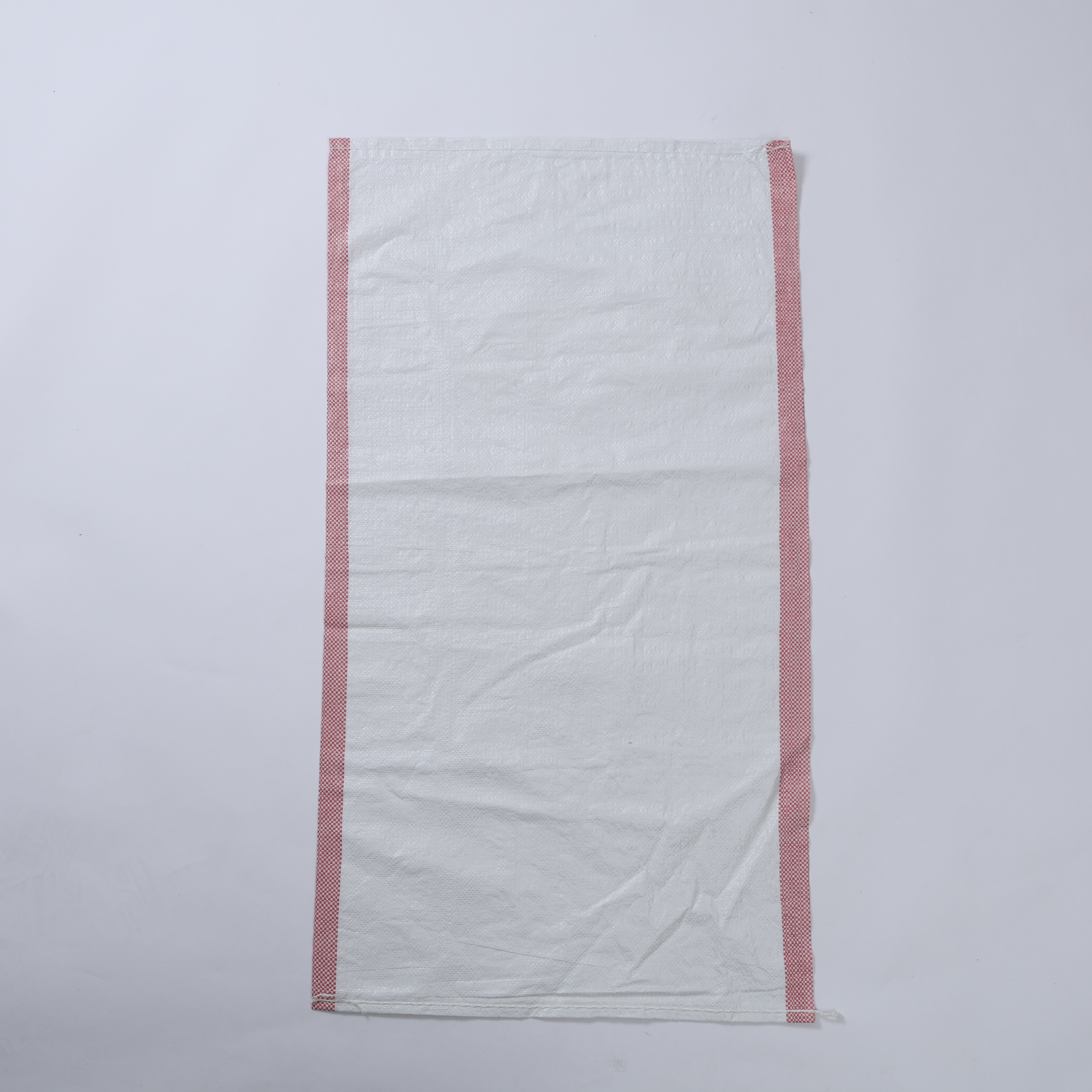
Choosing the right storage solution for salt requires understanding how different bag materials and coatings affect product longevity and stability. Salt bags come in many varieties, but two primary categories dominate industrial and commercial storage: laminated and uncoated designs. Each approach offers distinct advantages and trade-offs that directly impact moisture retention, shelf life, and overall storage performance. This guide examines how laminated versus uncoated salt bags perform under different storage conditions and helps you select the best option for your specific needs.
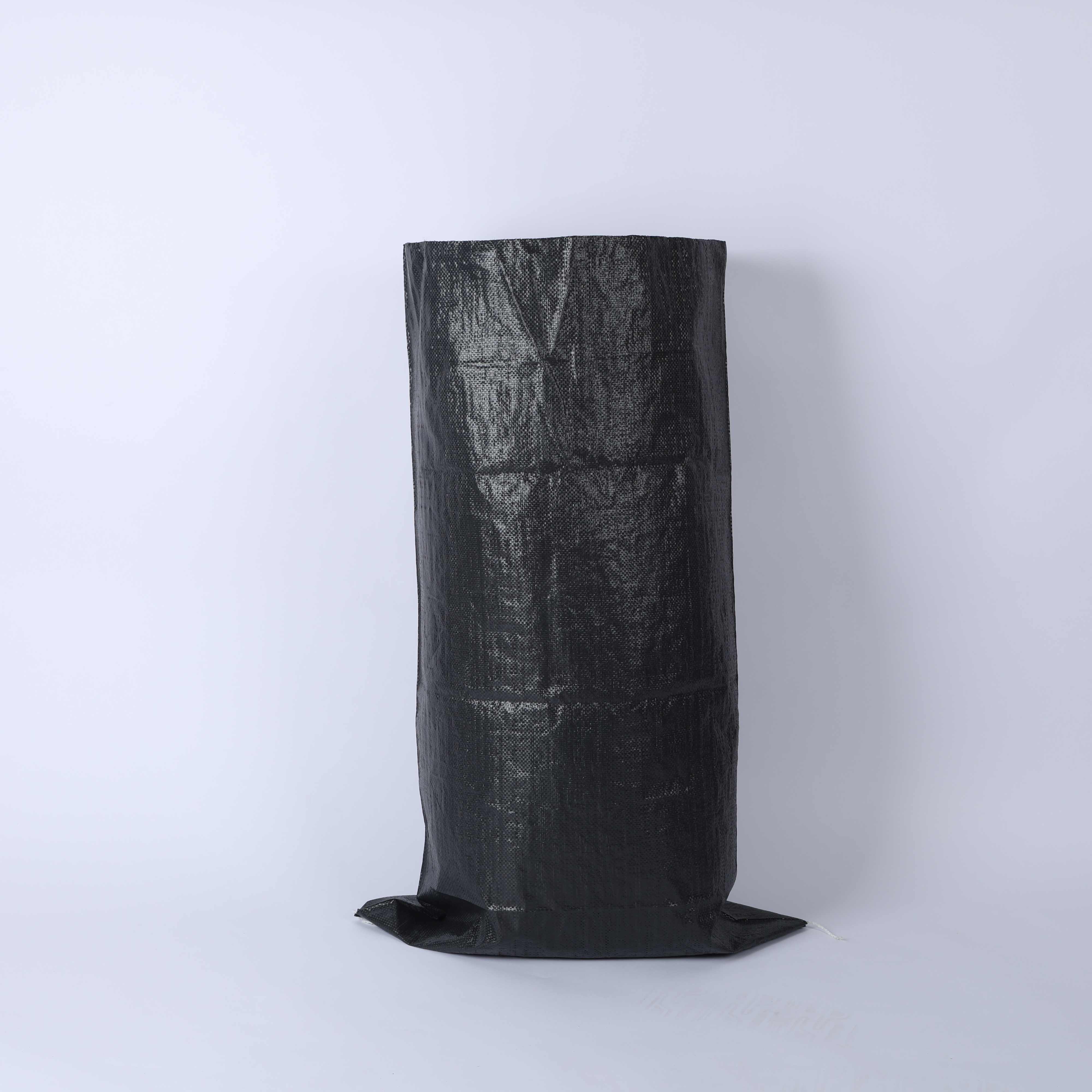
Long-term salt storage success depends on controlling moisture exposure and preventing material degradation. Salt naturally absorbs water from the environment, and improper packaging accelerates caking, clumping, and product loss. A quality salt packaging bag must balance protective performance, cost efficiency, and practical handling during storage, transport, and distribution. Understanding the strengths and limitations of laminated versus uncoated bags enables you to make an informed decision that protects your inventory while optimizing operational expenses.
Laminated bags incorporate multiple protective layers, typically combining polypropylene woven fabric with polyethylene or specialized barrier films. This construction creates a sealed surface that dramatically reduces moisture vapor transmission and external humidity penetration. The laminated barrier acts as an effective shield against environmental moisture, extending the usable shelf life of salt significantly compared to uncoated alternatives. Industries requiring extended storage periods, particularly those serving food processing, de-icing, and chemical applications, frequently prefer laminated designs for their superior moisture containment.
Laminated pp salt sack designs command a premium price because manufacturing requires additional materials, precision coating processes, and quality assurance testing. However, the investment often pays dividends through reduced product loss, lower replacement inventory costs, and decreased waste from moisture-damaged salt. Businesses storing salt in humid climates or for extended periods typically recover the lamination cost premium through improved product retention and reduced storage management complexity. The protective benefit becomes increasingly valuable as storage duration extends beyond six months or in environments with relative humidity above sixty percent.
Uncoated salt woven bags consist of standard polypropylene woven fabric without additional barrier layers or film applications. This straightforward construction provides basic containment for salt while minimizing material costs and manufacturing complexity. Uncoated designs work adequately for short-term storage, dry climates, and applications where product integrity requirements remain moderate. Many industries handling salt for immediate or near-term consumption, such as retail food packaging or short-cycle chemical processing, find uncoated bags sufficient and economical for their operational needs.
Without lamination protection, uncoated woven bags allow greater moisture vapor transmission and external humidity absorption. Salt stored in these bags gradually absorbs moisture from surrounding air, particularly in environments exceeding fifty percent relative humidity. Extended exposure leads to visible caking, increased handling difficulty, and potential product degradation or rejection. While uncoated bags cost less upfront, storage stability decreases significantly beyond three to six months in typical warehouse conditions, making them unsuitable for strategic reserves or long-term inventory management where food grade woven bag standards apply.
Storage location profoundly influences whether laminated or uncoated salt bags provide adequate protection. Facilities in arid regions with naturally low humidity may achieve acceptable results with uncoated pp salt sack options, particularly for intermediate-duration storage. Conversely, coastal areas, tropical climates, or underground storage facilities with high ambient humidity demand the superior barrier properties of laminated designs. Temperature fluctuations compound moisture challenges by creating condensation and vapor pressure differences that uncoated bags cannot effectively resist. Evaluating your specific climate zone and facility conditions determines which salt bags offer the most reliable long-term performance.
Total ownership cost calculations should factor storage duration, climate exposure, product quantity, and acceptable loss thresholds. Short-term storage spanning weeks to a few months in controlled environments may justify uncoated salt packaging bags despite higher waste risk. Strategic salt reserves, multi-year inventory programs, or operations in challenging humidity environments justify laminated investment through demonstrated product preservation. Food-grade standards, regulatory compliance requirements, and customer expectations for salt bags quality also influence the decision calculus. Organizations storing salt exceeding six months should strongly favor laminated options to minimize spoilage, maintain product specifications, and reduce operational complications.
Laminated salt bags include protective barrier layers that prevent moisture vapor transmission and external humidity penetration, extending shelf life significantly. Uncoated woven bags allow greater moisture absorption, causing salt caking and degradation, particularly beyond three to six months. For storage periods exceeding six months or in humid climates, laminated designs provide superior moisture protection and product integrity, justifying the higher initial cost through reduced waste and spoilage.
Uncoated salt bags may perform adequately in arid regions where relative humidity remains consistently below forty percent. However, even dry climates experience seasonal humidity fluctuations and temperature variations that increase moisture risk over extended periods. If storage duration exceeds one year or if maintaining optimal product quality proves critical, adding laminated protection remains prudent insurance despite lower baseline humidity. Food grade woven bag standards typically recommend barrier protection for commercial-scale salt storage regardless of climate.
Laminated bags cost more per unit but reduce total supply chain expenses through lower product loss, fewer replacement shipments, and simplified storage management. Uncoated salt bags minimize upfront packaging expenses but increase waste disposal costs, inventory shrinkage, and customer complaints about moisture-damaged products. Conducting a full-cycle cost analysis including spoilage, handling labor, and customer satisfaction typically shows laminated salt sacks delivering superior financial outcomes for operations exceeding six-month storage windows.

Discover the 4 critical production metrics—throughput, defect rate, equipment uptime & on-time delivery—to vet factories confidently.

Ensure regulatory compliance & worker safety with proven methods for chemical woven bags—material selection, labeling, storage & training.

Discover the full PP woven bag manufacturing workflow—from extrusion & weaving to printing & QC. Boost efficiency, compliance & ROI. Download the process guide now.

Struggling with weak bags or high material waste? Master extrusion and tape drawing tech for stronger, cheaper PP woven bags. Optimize your production line now.

Struggling with defects or customer returns? Discover the 5 non-negotiable quality checkpoints across your woven bag production line
Which automation tier is right for your PP woven bag factory? Compare manual to Industry 4.0 systems for cost, quality, and scalability.
Get in touch for details on polypropylene woven bags and flexible packaging solutions.
Tel
Address
No.2015, Liaoyuan Building, Lanshan District, Linyi City, Shandong Province.China

