 EN
How to Assess Production Efficiency at a PP Woven Bag Factory
Discover the 4 critical production metrics—throughput, defect rate, equipment uptime & on-time delivery—to vet factories confidently.

2026/08/20
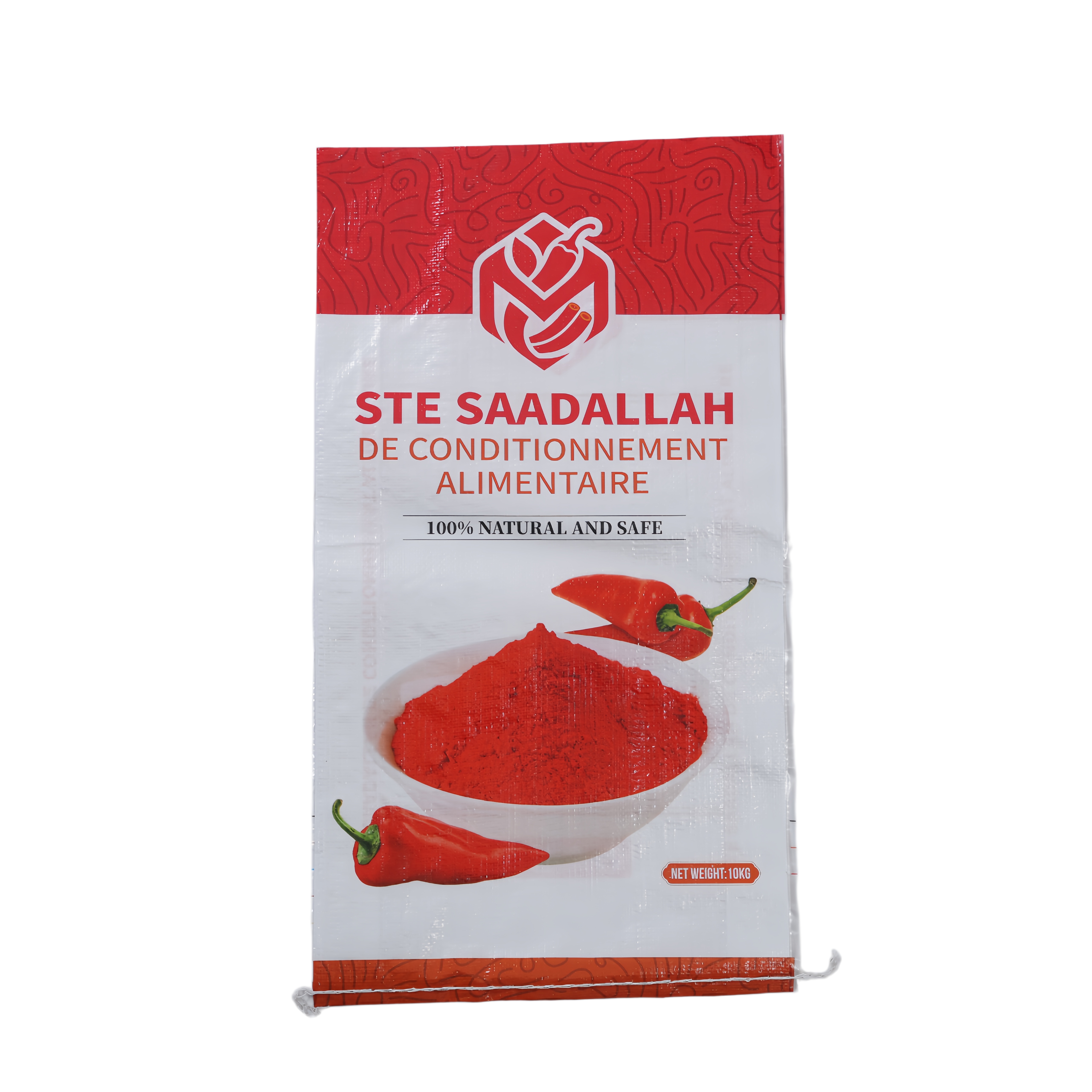
Moisture protection stands as a critical requirement in industrial packaging, and the choice between laminated woven bags and coated paper bags determines product integrity throughout the supply chain. Both solutions offer moisture barriers, yet they function through distinctly different mechanisms and deliver varying performance characteristics depending on application demands, environmental conditions, and cost considerations.
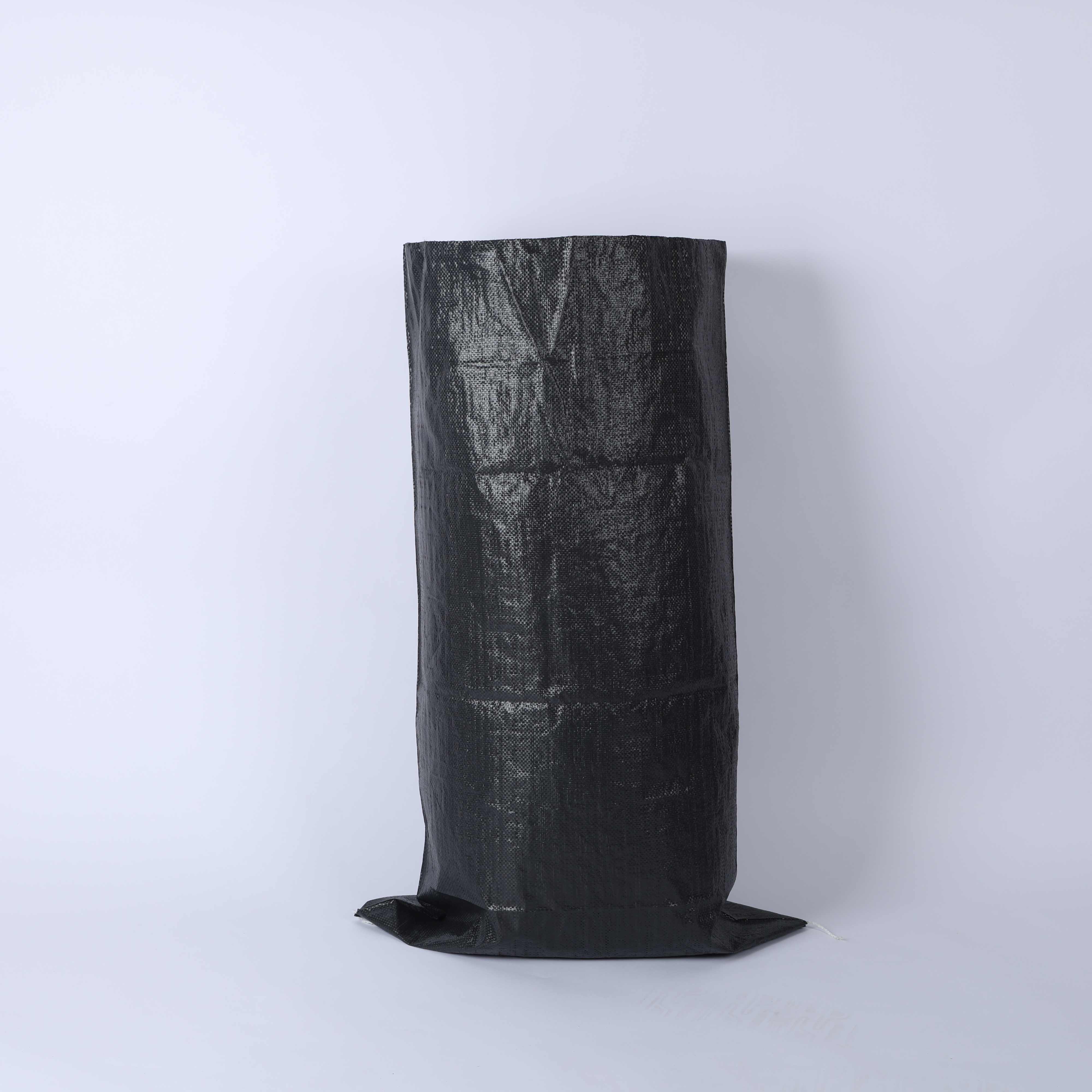
Understanding the fundamental differences between these two packaging approaches empowers procurement professionals, supply chain managers, and manufacturers to make informed decisions that protect product quality while optimizing budget allocation. The distinction goes beyond simple cost comparison—it involves evaluating barrier properties, durability, environmental exposure, temperature resistance, and long-term reliability under real-world storage and transportation conditions.
Laminated woven bags combine polypropylene woven fabric with adhesive-bonded plastic film layers to create a unified moisture barrier. The woven substrate provides structural strength and tear resistance, while the laminated coating—typically polyethylene or specialized composite films—blocks water vapor transmission and prevents moisture ingress. This construction method creates a laminated packaging bag that maintains rigidity while delivering superior puncture and abrasion resistance compared to paper-based alternatives.
The laminated pp sack design incorporates multiple protective layers that work synergistically. The outer woven layer resists physical damage during handling and stacking, while the inner laminated film seals moisture at the molecular level. This dual-action approach means that even when external surfaces encounter wet conditions or high humidity, the laminated coating maintains its protective function throughout extended storage periods, making it ideal for products sensitive to moisture degradation.
Laminated woven bags excel in challenging environments where temperature fluctuations, humidity cycles, and condensation risks are elevated. The waterproof woven bag construction resists moisture penetration even when bags are stored in outdoor staging areas, transported in humid climates, or exposed to temperature swings that cause condensation. The laminated film remains flexible across temperature ranges from freezing to moderately hot conditions without becoming brittle or developing cracks that compromise the moisture seal.
The coated woven bag alternative offers similar moisture protection at the point of initial construction, yet the laminated woven bags maintain consistent performance over longer storage durations. Industrial testing demonstrates that laminated packaging bags retain barrier effectiveness for 12 to 18 months under standard warehouse conditions, significantly extending product shelf life compared to paper-based solutions in high-humidity environments.
Coated paper bags rely on paper fiber as their primary structural component, with moisture-resistant coatings applied to the surface to reduce water absorption. These coatings—often wax, kraft-based polymers, or hybrid formulations—provide a hydrophobic layer that initially repels moisture. However, coated woven bags differ from laminated alternatives because the paper substrate itself remains fundamentally hygroscopic, meaning fibers naturally absorb ambient moisture over time regardless of surface coating quality.
The waterproof woven bag coating approach works effectively for short-term protection and moderate humidity exposure. When moisture breaches the coating layer through creasing, folding, or minor damage, the underlying paper fibers begin absorbing water, gradually reducing structural integrity and barrier effectiveness. This vulnerability becomes pronounced in tropical climates, coastal regions, or warehouses without climate control, where humidity levels exceed 70 percent for extended periods.
Laminated pp sack solutions outperform coated paper in long-term moisture retention because the plastic lamination acts as a true barrier rather than a surface treatment. Coated woven bags eventually show moisture penetration patterns around stress points, seams, and areas subject to repeated flexing during handling. Laminated packaging bags eliminate this vulnerability because the moisture barrier exists throughout the entire material thickness rather than only at the surface layer.
Environmental testing reveals that coated paper bags maintain effective moisture protection for 6 to 9 months under controlled warehouse conditions, but performance degrades more rapidly when exposed to seasonal humidity variations or storage in non-conditioned facilities. The waterproof woven bag advantage of laminated construction becomes economically significant when calculating total cost of ownership, as premature moisture failure increases product loss rates and requires replacement shipments that accumulate logistics costs.
Laminated woven bags suit products requiring extended storage under variable humidity conditions—including food additives, chemicals, fertilizers, and specialized powders that degrade when exposed to atmospheric moisture. The laminated pp sack design protects sensitive ingredients from caking, clumping, or chemical degradation that occurs when hygroscopic materials absorb water. Conversely, coated woven bags serve adequately for products with shorter shelf lives, rapid turnover rates, or storage in climate-controlled environments where humidity remains consistently below 60 percent.
Industrial applications demonstrate that laminated packaging bags consistently deliver better outcomes in export supply chains where shipments traverse multiple climate zones. A bag leaving a dry factory in a temperate region may encounter humid ports, ocean container environments, or tropical destination warehouses. The laminated coating protects against this moisture exposure pattern, whereas coated paper barriers often fail midway through extended supply chain journeys.
Coated woven bags typically carry lower unit costs than laminated alternatives, making them attractive when processing large volumes in stable environments. However, total cost analysis frequently favors laminated woven bags because reduced product loss, minimized replacement shipments, and extended shelf life offset higher per-unit packaging costs. A manufacturer comparing 100,000-unit orders might see coated paper bags priced 15 to 20 percent lower, yet if the laminated pp sack reduces moisture-related damage from 5 percent to 0.5 percent, the laminated solution delivers better economic performance.
Supply chain professionals should conduct break-even analysis for their specific product category, storage conditions, and transportation routes. The waterproof woven bag premium becomes justifiable when product value exceeds $50 per unit or when moisture damage consequences affect customer satisfaction and brand reputation. For lower-cost commodities stored in dry facilities, coated solutions may remain economically optimal despite slightly higher damage rates.
Laminated woven bags present recycling challenges because the bonded plastic film and polypropylene substrate require specialized processing to separate. Many recycling programs do not accept laminated packaging bags due to equipment limitations. However, manufacturers increasingly offer compostable or mono-material versions that simplify end-of-life management. Coated woven bags face similar disposal constraints, so the sustainability comparison favors neither option conclusively—buyers should evaluate their recycling infrastructure availability rather than assuming either solution aligns automatically with environmental objectives.
Reputable laminated packaging bag manufacturers typically guarantee moisture vapor transmission rates measured in grams per square meter per day. These specifications quantify the barrier performance under standardized laboratory conditions. However, real-world performance depends on bag handling, seal integrity, and environmental exposure patterns. A waterproof woven bag specification might guarantee MVTR below 15 g/m²/day, yet field performance can vary by 30 percent based on storage conditions and bag manipulation during handling. Request third-party testing documentation and application-specific case studies rather than relying solely on manufacturer specifications.
Laminated woven bags typically cost 20 to 35 percent more per unit than coated alternatives but deliver superior moisture protection lasting 12 to 18 months versus 6 to 9 months for coated woven bags. The laminated pp sack investment becomes economically justified when products require extended storage, face tropical or humid-climate exposure, or carry high unit values where moisture damage creates significant financial loss. For high-turnover products in controlled environments, coated packaging bags may prove more cost-effective, but laminated options provide risk mitigation for supply chains where moisture failure consequences outweigh the premium pricing structure.

Discover the 4 critical production metrics—throughput, defect rate, equipment uptime & on-time delivery—to vet factories confidently.

Ensure regulatory compliance & worker safety with proven methods for chemical woven bags—material selection, labeling, storage & training.

Discover the full PP woven bag manufacturing workflow—from extrusion & weaving to printing & QC. Boost efficiency, compliance & ROI. Download the process guide now.

Struggling with weak bags or high material waste? Master extrusion and tape drawing tech for stronger, cheaper PP woven bags. Optimize your production line now.

Struggling with defects or customer returns? Discover the 5 non-negotiable quality checkpoints across your woven bag production line
Which automation tier is right for your PP woven bag factory? Compare manual to Industry 4.0 systems for cost, quality, and scalability.
Get in touch for details on polypropylene woven bags and flexible packaging solutions.
Tel
Address
No.2015, Liaoyuan Building, Lanshan District, Linyi City, Shandong Province.China

