 EN
How to Assess Production Efficiency at a PP Woven Bag Factory
Discover the 4 critical production metrics—throughput, defect rate, equipment uptime & on-time delivery—to vet factories confidently.

2026/09/22
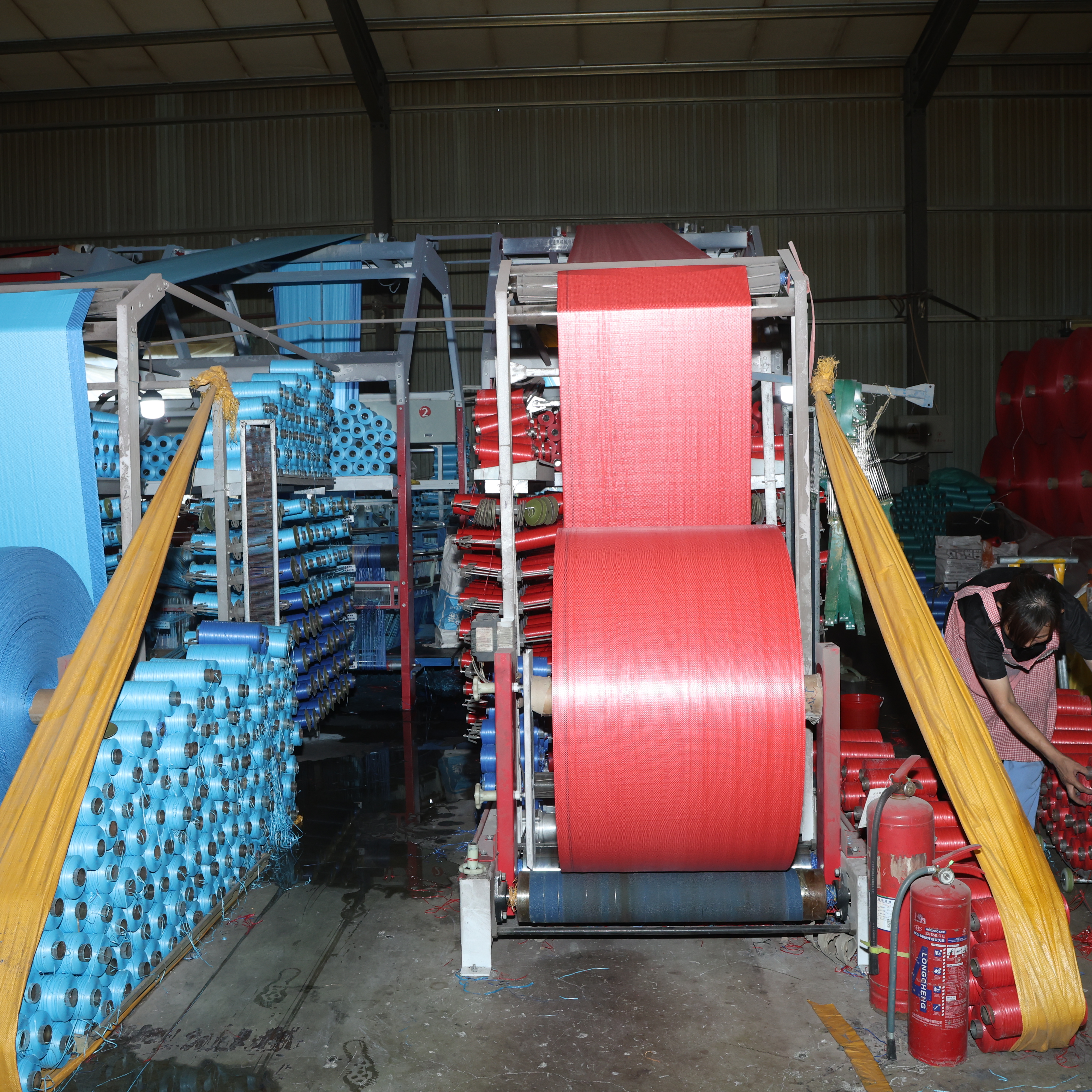
Choosing between long-term contracts and spot orders with a PP woven bag supplier represents one of the most critical procurement decisions for businesses that depend on consistent packaging solutions. The distinction between these two purchasing models fundamentally shapes your supply chain reliability, cost structure, and operational flexibility. Understanding the mechanics, benefits, and trade-offs of each approach empowers buyers to align their procurement strategy with actual business needs rather than defaulting to either extreme.
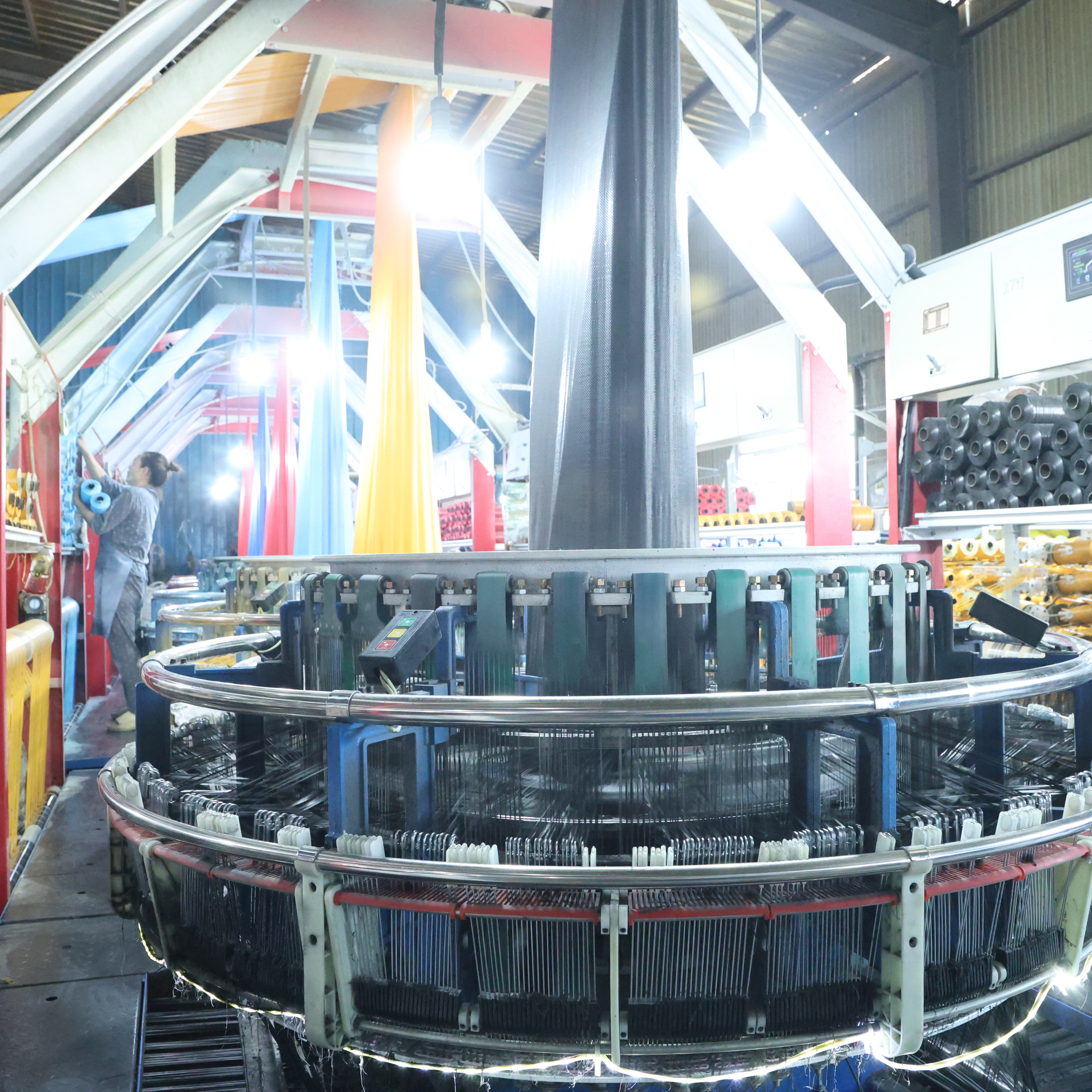
Long-term contracts lock in pricing, capacity, and delivery terms over months or years, while spot orders offer purchase-by-purchase flexibility with no long-term commitment. Each model carries distinct advantages and inherent constraints. The right choice depends on your production forecasts, cash flow patterns, market volatility, and strategic priorities. This article explores both frameworks in depth, helping you determine which approach—or which hybrid combination—best serves your organization's woven bag wholesale needs.
Long-term contracts with a PP woven bag factory typically include fixed or escalation-capped pricing locked in for the contract duration. This arrangement eliminates surprise price hikes and allows accurate cost forecasting for months or years ahead. When you secure a woven bag wholesale agreement at agreed-upon rates, your finance team can build reliable budgets and margin projections. Market volatility in raw materials like polypropylene resin becomes irrelevant because your pricing remains stable regardless of external commodity fluctuations. This predictability is especially valuable in industries with tight margins or price-sensitive end customers where cost control directly impacts profitability.
A committed long-term relationship with your PP woven bag supplier reserves production capacity specifically for your orders. During supply chain congestion or peak demand periods, contract holders receive priority scheduling and guaranteed fulfillment, while spot order customers may face delays or allocation rationing. This assurance is critical for businesses with seasonal spikes or consistent monthly demands. Your bulk woven bag supply becomes reliable and predictable rather than subject to factory capacity constraints. The factory also gains incentive to invest in equipment and quality systems that serve your specific requirements, enhancing product consistency and lead-time reliability.
Spot orders allow you to purchase exactly the quantity you need at the moment you need it, with no advance commitments or penalty clauses. This model suits businesses with volatile demand, uncertain forecasts, or seasonal operations where monthly requirements vary widely. You avoid overcommitting to supply volumes and carrying excess inventory. For new product launches, market tests, or industries experiencing rapid change, spot ordering from a PP bag export facility provides the agility to scale up or down without contractual friction. Payment and delivery are typically transactional, with orders placed and fulfilled on a per-shipment basis rather than through standing agreements.
Spot ordering eliminates minimum annual volumes and take-or-pay clauses that obligate you to pay for unused capacity. Buyers with inconsistent or unpredictable needs avoid the risk of paying for woven bag wholesale quantities they cannot use. If your business experiences cyclical downturns or encounters sudden inventory corrections, spot orders protect you from being locked into supply commitments. However, this flexibility comes with trade-offs. Spot pricing is typically higher than contract rates because the supplier assumes higher risk and operational complexity. Lead times may also be longer since spot orders lack the priority scheduling that contract customers receive.
Long-term contracts typically deliver lower per-unit pricing because the supplier gains demand visibility and can optimize production runs. A PP woven bag factory commits to efficient manufacturing when volumes are guaranteed over time. However, contracts often require higher minimum order quantities per shipment or minimum annual commitments that inflate your working capital needs and storage costs. Spot orders carry higher per-unit pricing but avoid volume commitments, reducing upfront cash outlay and inventory carrying costs. For businesses with modest monthly demand or constrained warehousing, spot pricing may prove cheaper overall despite higher unit rates. Financial analysis should include not only unit pricing but also cash tied up in inventory, storage costs, and the cost of demand forecast errors.
Contract relationships encourage investment in custom product development, dedicated mold tooling, and quality enhancements specific to your brand or application. A committed pp bag export partner may fund custom printing plates, specialized liners, or UV-resistant formulations exclusively for contract customers. These investments improve product performance but require volume certainty to justify. Spot orders typically rely on standard product catalogs with limited customization options. Lead times for spot orders from a woven bag factory are often longer—sometimes six to twelve weeks—because the factory prioritizes contract obligations. Custom features or rush orders may incur significant premiums or be declined entirely. Contract customers usually secure shorter lead times and more responsive communication.
Many sophisticated buyers use a hybrid approach: secure a long-term base contract with a core PP woven bag supplier for steady-state demand, then supplement with spot orders from the same or backup suppliers for surge demand. This strategy captures contract pricing and capacity guarantees on predictable volumes while maintaining flexibility for unexpected spikes or seasonal peaks. Your bulk woven bag supply becomes both reliable and adaptable. The base contract establishes a stable cost floor and capacity floor, while spot purchases handle variable demand tiers. This reduces overall procurement risk without sacrificing cost efficiency or flexibility.
Choose long-term contracts if you have stable or growing demand forecasts, can commit to multi-month lead times for custom products, and value cost certainty and priority access. Contracts suit manufacturers with predictable production schedules and sufficient cash flow to manage inventory investments. Select spot orders if your demand is volatile, your forecasts are unreliable, or you lack storage capacity for large purchases. Spot ordering works well for businesses testing new markets, experiencing seasonal demand, or unable to forecast beyond six weeks. Evaluate your specific situation by quantifying average monthly volumes, demand variability, storage constraints, and acceptable lead times. The optimal choice aligns with your operational reality, not industry defaults.
Long-term contracts lock you into pricing, volumes, and terms even if business conditions change unexpectedly. If your demand declines, you may still owe payment for committed minimums. Product obsolescence, supplier quality issues, or better alternatives emerging elsewhere create inflexibility. If a supplier underperforms, terminating a long-term contract can be legally costly or complex. Forecast errors also compound over the contract duration. The trade-off for cost certainty and capacity priority is reduced adaptability.
Most long-term contracts include fixed or formula-based pricing tied to material costs or agreed escalators, limiting downward price adjustment. However, buyers can sometimes negotiate price reviews if market conditions shift dramatically or if volumes increase significantly beyond contract minimums. Open communication with your supplier and demonstrating continued loyalty or volume growth creates negotiation leverage. Some contracts include price adjustment clauses triggered by commodity index changes. Spot orders offer no such negotiation opportunity—pricing is set per transaction.
Single-supplier contracts reduce administrative complexity and often secure the deepest discounts due to consolidated volume. However, they create supply chain risk if the supplier encounters disruption. Multiple smaller contracts spread risk across suppliers, providing backup capacity and competitive pricing pressure, but increase complexity and administrative overhead. A balanced approach uses one primary PP woven bag factory for baseline supply under long-term contract and one or two secondary suppliers for backup or surge capacity on spot orders. This hybrid model balances cost efficiency, reliability, and operational resilience.

Discover the 4 critical production metrics—throughput, defect rate, equipment uptime & on-time delivery—to vet factories confidently.

Ensure regulatory compliance & worker safety with proven methods for chemical woven bags—material selection, labeling, storage & training.

Discover the full PP woven bag manufacturing workflow—from extrusion & weaving to printing & QC. Boost efficiency, compliance & ROI. Download the process guide now.

Struggling with weak bags or high material waste? Master extrusion and tape drawing tech for stronger, cheaper PP woven bags. Optimize your production line now.

Struggling with defects or customer returns? Discover the 5 non-negotiable quality checkpoints across your woven bag production line
Which automation tier is right for your PP woven bag factory? Compare manual to Industry 4.0 systems for cost, quality, and scalability.
Get in touch for details on polypropylene woven bags and flexible packaging solutions.
Tel
Address
No.2015, Liaoyuan Building, Lanshan District, Linyi City, Shandong Province.China

