 EN
How to Assess Production Efficiency at a PP Woven Bag Factory
Discover the 4 critical production metrics—throughput, defect rate, equipment uptime & on-time delivery—to vet factories confidently.

2026/08/25
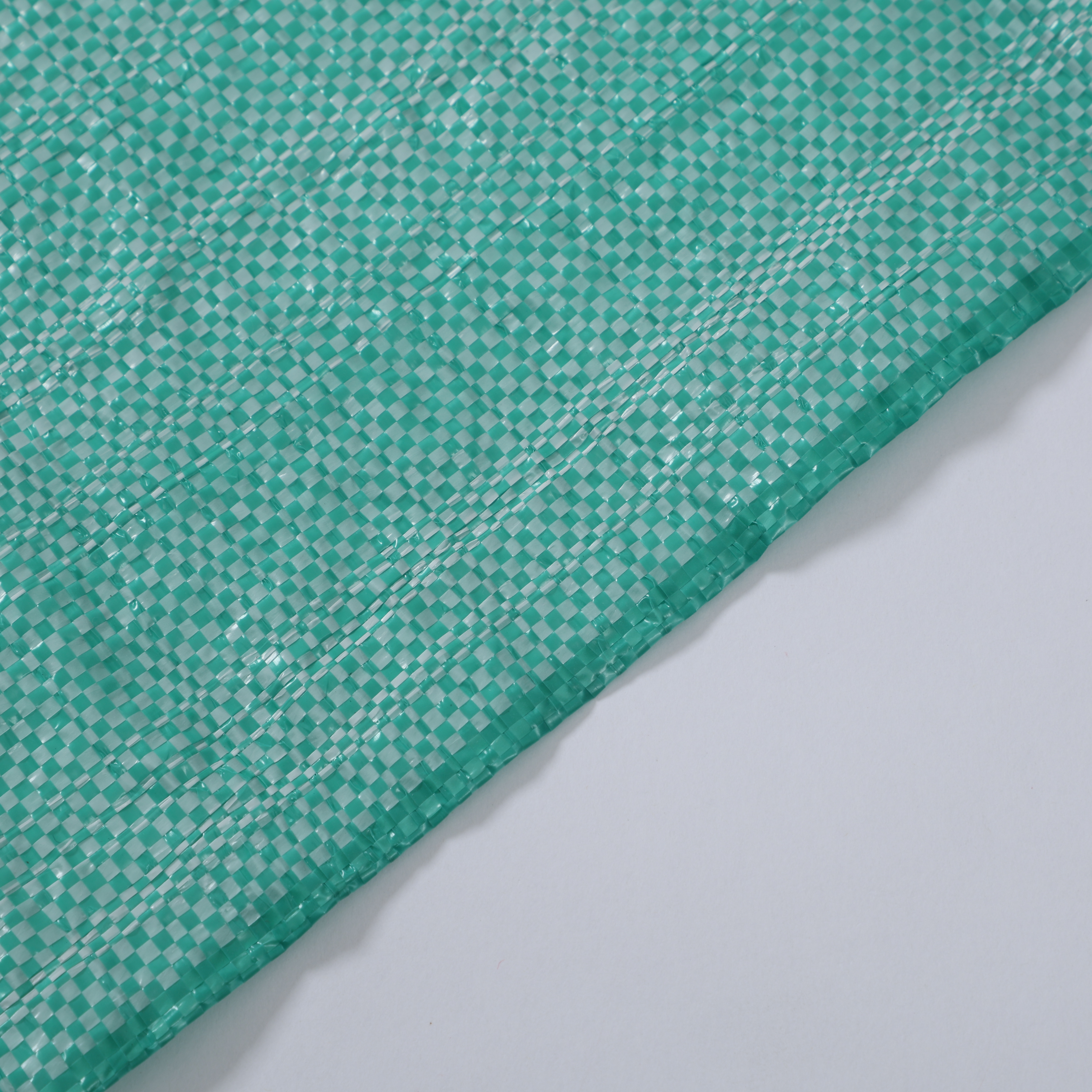
Choosing the right cement packaging bags directly impacts project efficiency, material preservation, and overall cost control on construction sites. Multi wall kraft and PP woven options dominate the market, each offering distinct advantages depending on environmental exposure, handling intensity, storage duration, and site-specific conditions. Construction managers, concrete suppliers, and logistics coordinators must understand how these two packaging formats perform under real-world pressure before making bulk purchase commitments.
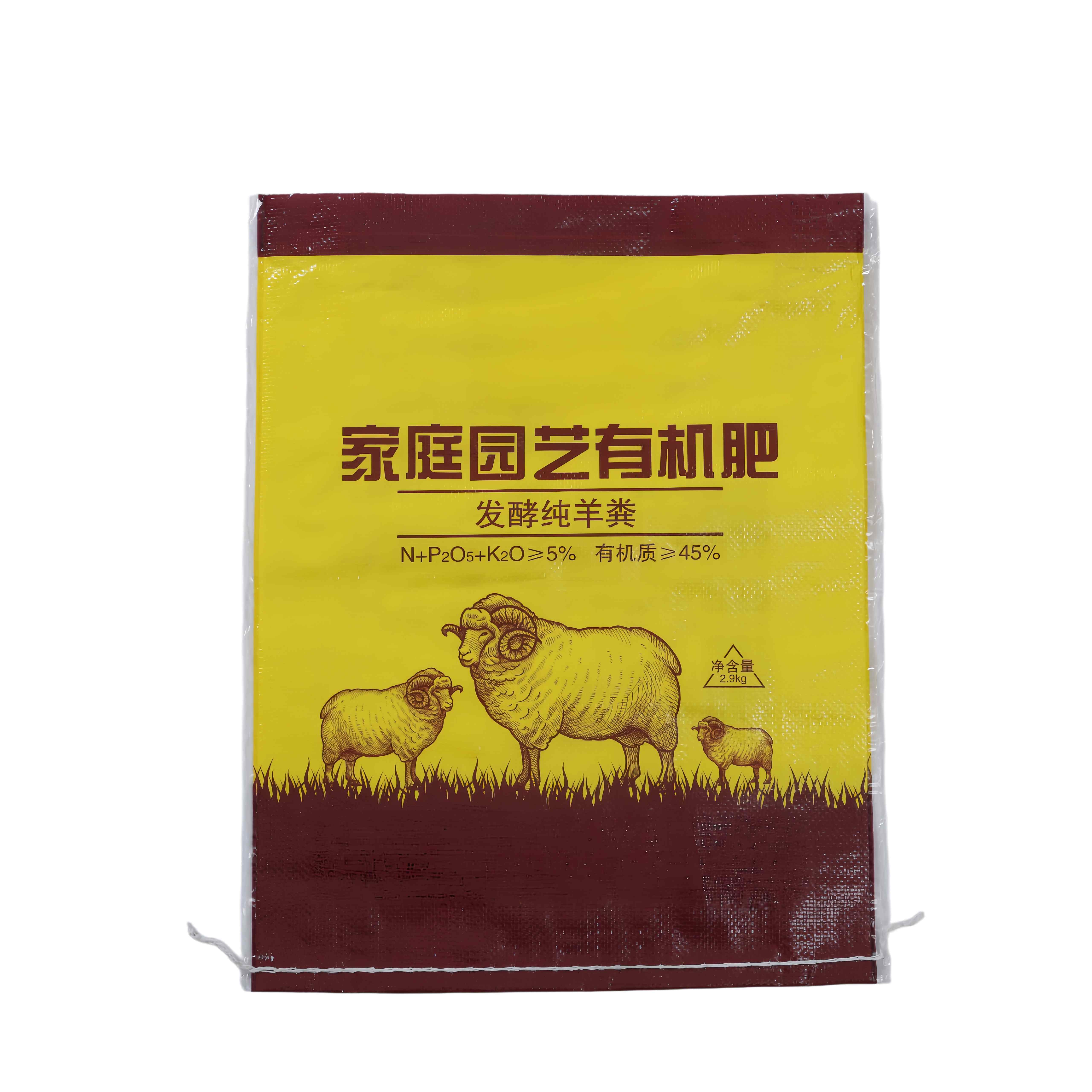
Both multi wall kraft and PP woven cement sack formats have proven track records across global supply chains, but their performance characteristics diverge significantly under moisture, temperature fluctuation, mechanical stress, and extended outdoor storage. Understanding when each format excels prevents material degradation, reduces waste, and ensures cement arrives at the point of use in specification-grade condition. This guide compares packaging performance across critical site variables to help you select the optimal solution for your operational context.
Multi wall kraft cement sack construction typically consists of three to five paper layers, each laminated with adhesive to create a unified barrier against moisture and puncture. The kraft paper itself is derived from wood pulp processed through sulfate pulping, which produces long-fiber cellulose structures with natural tensile strength. PP woven cement bag construction differs fundamentally—it uses polypropylene film extruded into flat ribbons, then interlaced in a crisscross pattern to form a mesh grid. This woven architecture provides superior elongation and tear resistance compared to brittle paper layers. Heavy duty cement bag variants in the PP woven category often incorporate multiple layers of film or resin-coated surfaces for enhanced moisture rejection and abrasion protection.
Multi wall kraft cement packaging bags typically weigh between 200 and 350 grams per unit, depending on ply count and paper basis weight. The paper layers distribute impact force across a broader area but remain vulnerable to puncture if sharp edges or protruding fasteners contact the surface. PP cement bag weights usually range from 150 to 280 grams because polypropylene film is inherently denser and stronger per unit mass than kraft paper. When subjected to stacking loads on pallets—common in warehouse and distribution environments—multi wall kraft bags experience progressive compression and can eventually split along fold lines. PP woven building material packaging resists compression deformation far more effectively, maintaining structural integrity even when subjected to static loads exceeding 50 metric tons per pallet in industrial settings.
Moisture penetration represents the primary degradation mechanism for cement in storage, and the packaging material's permeability directly controls ingress rates. Multi wall kraft cement sack designs typically include an inner polyethylene or polypropylene film layer to reduce moisture vapor transmission, but the outer kraft layers absorb ambient humidity continuously. In tropical climates or near coastal zones where relative humidity exceeds 85 percent for extended periods, kraft packaging shows measurable moisture gain within 10 to 15 days of outdoor exposure. PP woven cement bag moisture resistance vastly exceeds kraft performance because polypropylene is inherently hydrophobic and resists both liquid water and vapor transmission. A heavy duty cement bag constructed from multi-layer woven polypropylene can maintain internal cement moisture content within specification even during 30-day tropical storage cycles with minimal vapor barrier degradation.
Construction sites experience daily and seasonal temperature variations that stress packaging materials through thermal expansion and contraction cycles. Kraft paper becomes brittle at temperatures below 5 degrees Celsius and loses tensile strength progressively, becoming prone to splitting during handling in cold climates. Multi wall kraft cement packaging bags exposed to direct sunlight undergo photodegradation of lignin content in the kraft fibers, causing yellowing, surface erosion, and reduced puncture resistance within 60 to 90 days. PP cement bag materials resist both thermal extremes and UV exposure significantly better due to polypropylene's polymer chain stability across the temperature range typical in global distribution and site storage. Heavy duty cement bag variants with UV-stabilizing additives maintain mechanical properties intact for 120+ days of uncovered outdoor storage in full sun.
Multi wall kraft cement sack formats perform optimally when storage duration remains under 30 days, indoor humidity stays below 70 percent, and temperature fluctuation remains moderate. Contractors managing fast-moving projects with rapid material turnover in temperate climates often find kraft packaging adequate and cost-competitive. PP woven cement packaging bags excel in extended storage scenarios, outdoor stacking, high-humidity environments, and regions experiencing temperature extremes. Building material packaging selection should also consider handling equipment—forklifts with sharp tines and rough handling on rocky surfaces favor PP woven durability, while careful indoor transfers work acceptably with kraft layers. Heavy duty cement bag specifications become mandatory when projects involve multiple transshipment legs, coastal distribution, or monsoon-season storage exposure.
Multi wall kraft cement packaging bags typically cost 15 to 25 percent less per unit than equivalent PP woven alternatives, making them attractive for cost-sensitive bids on short-duration projects. However, material waste from damaged bags during storage and transit often offsets initial savings—studies show kraft cement sack damage rates reach 8 to 12 percent in outdoor storage versus 2 to 4 percent for PP woven designs. PP cement bag higher unit cost spreads across significantly lower waste rates, improved material preservation reducing downstream product degradation, and reduced logistics complexity from fewer rejections at point of use. A total cost comparison across cement sack purchase, storage, handling, and waste disposal often reveals PP woven 8 to 15 percent cheaper on total cost of ownership despite higher unit material cost. Heavy duty cement bag variants increase unit cost further but prove economically justified in high-damage-risk environments or when cement price volatility demands maximum preservation.
Multi wall kraft cement sack designs transmit approximately 50 to 80 grams of water vapor per square meter per 24 hours under laboratory conditions, depending on inner polyethylene thickness. PP woven cement bag moisture vapor transmission rates measure between 5 and 15 grams per square meter per 24 hours, representing a 5 to 10 fold improvement. This advantage translates to measurable cement moisture content preservation—kraft packaging allows cement moisture rise of 0.3 to 0.5 percent during 21-day tropical storage, while PP woven bags limit moisture rise to 0.05 to 0.1 percent. Building material packaging selection should prioritize vapor transmission data when specifications require moisture content below 0.5 percent at delivery.
Multi wall kraft cement packaging bags remain recyclable through standard paper and pulp streams, with post-consumer kraft content typically accepted by paper mills despite cement residue. Recovery rates average 60 to 70 percent because adhesive layers and polyethylene inner films require separation. PP woven cement bag recycling presents greater complexity—the interlaced polypropylene construction resists mechanical separation, and cement contamination reduces polymer chain quality. However, innovative recyclers now process PP cement sack materials into lower-grade construction plastics, geotextiles, and industrial composites, recovering approximately 50 to 60 percent of feedstock value. Heavy duty cement bag variants with resin coating or multi-layer construction face the lowest recycling rates currently, though emerging chemical recycling technologies show promise for future recovery improvement.
PP woven cement bag designs demonstrate significantly superior performance throughout maritime logistics chains, particularly on routes exceeding 20 days transit time with high humidity exposure from ocean spray and condensation. The hydrophobic nature of polypropylene resists moisture ingress far better than multi wall kraft cement packaging bags, which absorb atmospheric moisture and experience progressive mechanical weakening. Heavy duty cement bag specifications including heat-sealed seams, multiple resin layers, and UV stabilizers provide additional protection against salt spray corrosion and UV exposure during container stack storage on open decks. Contractors specify PP cement bag formats almost universally for export shipments and international maritime routes because the cost premium typically amounts to only 3 to 5 percent of total project material cost while reducing damage-related project delays and rework expenses.

Discover the 4 critical production metrics—throughput, defect rate, equipment uptime & on-time delivery—to vet factories confidently.

Ensure regulatory compliance & worker safety with proven methods for chemical woven bags—material selection, labeling, storage & training.

Discover the full PP woven bag manufacturing workflow—from extrusion & weaving to printing & QC. Boost efficiency, compliance & ROI. Download the process guide now.

Struggling with weak bags or high material waste? Master extrusion and tape drawing tech for stronger, cheaper PP woven bags. Optimize your production line now.

Struggling with defects or customer returns? Discover the 5 non-negotiable quality checkpoints across your woven bag production line
Which automation tier is right for your PP woven bag factory? Compare manual to Industry 4.0 systems for cost, quality, and scalability.
Get in touch for details on polypropylene woven bags and flexible packaging solutions.
Tel
Address
No.2015, Liaoyuan Building, Lanshan District, Linyi City, Shandong Province.China

