 EN
How to Assess Production Efficiency at a PP Woven Bag Factory
Discover the 4 critical production metrics—throughput, defect rate, equipment uptime & on-time delivery—to vet factories confidently.

2026/08/10
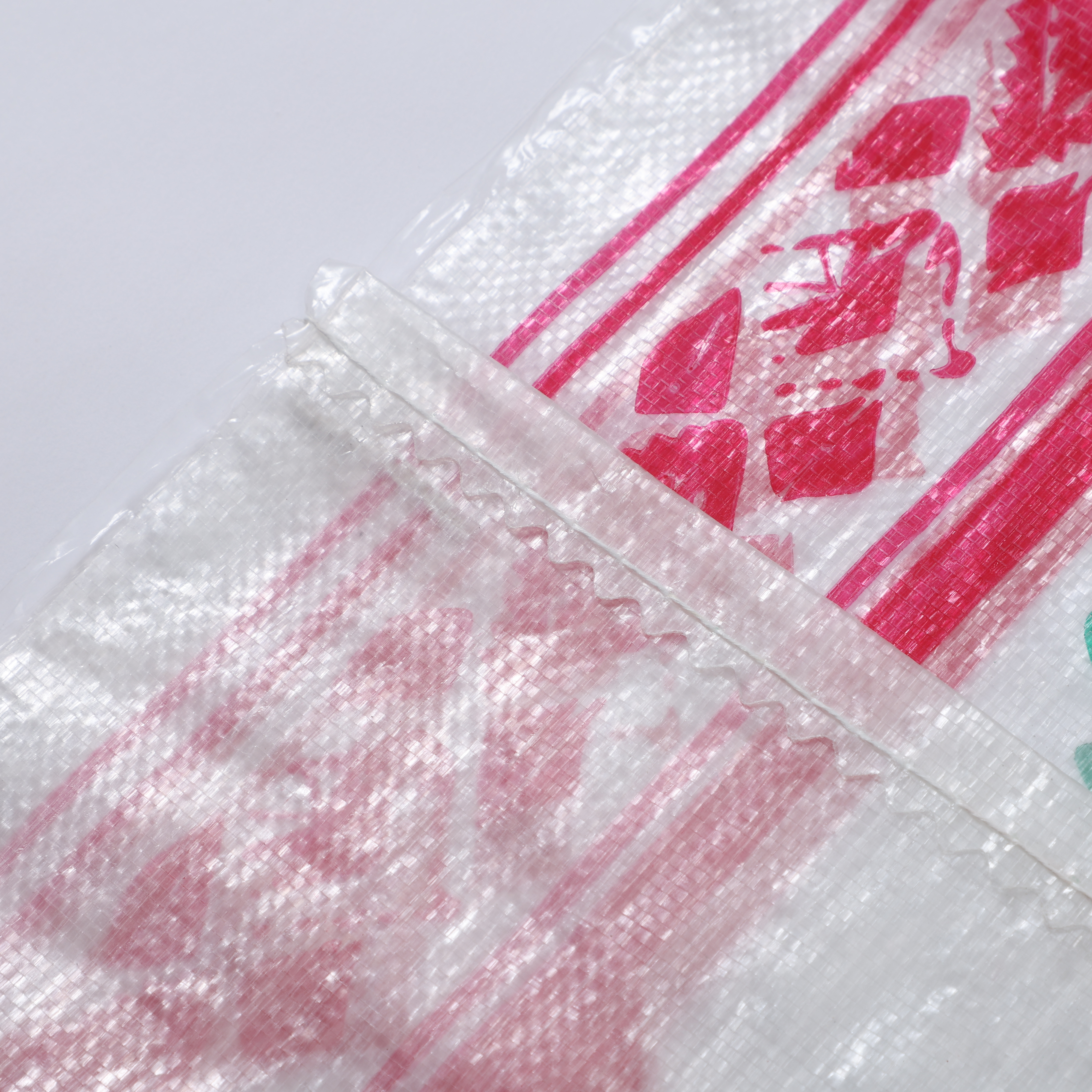
Choosing between new and recycled corn bags for seasonal harvest represents a critical decision for agricultural operations of all sizes. The right selection directly impacts storage efficiency, crop protection, operational costs, and environmental stewardship. A corn bag serves as the primary containment vessel for harvested grain, and understanding the performance differences between new and recycled options enables informed purchasing decisions that align with both practical and sustainability goals.
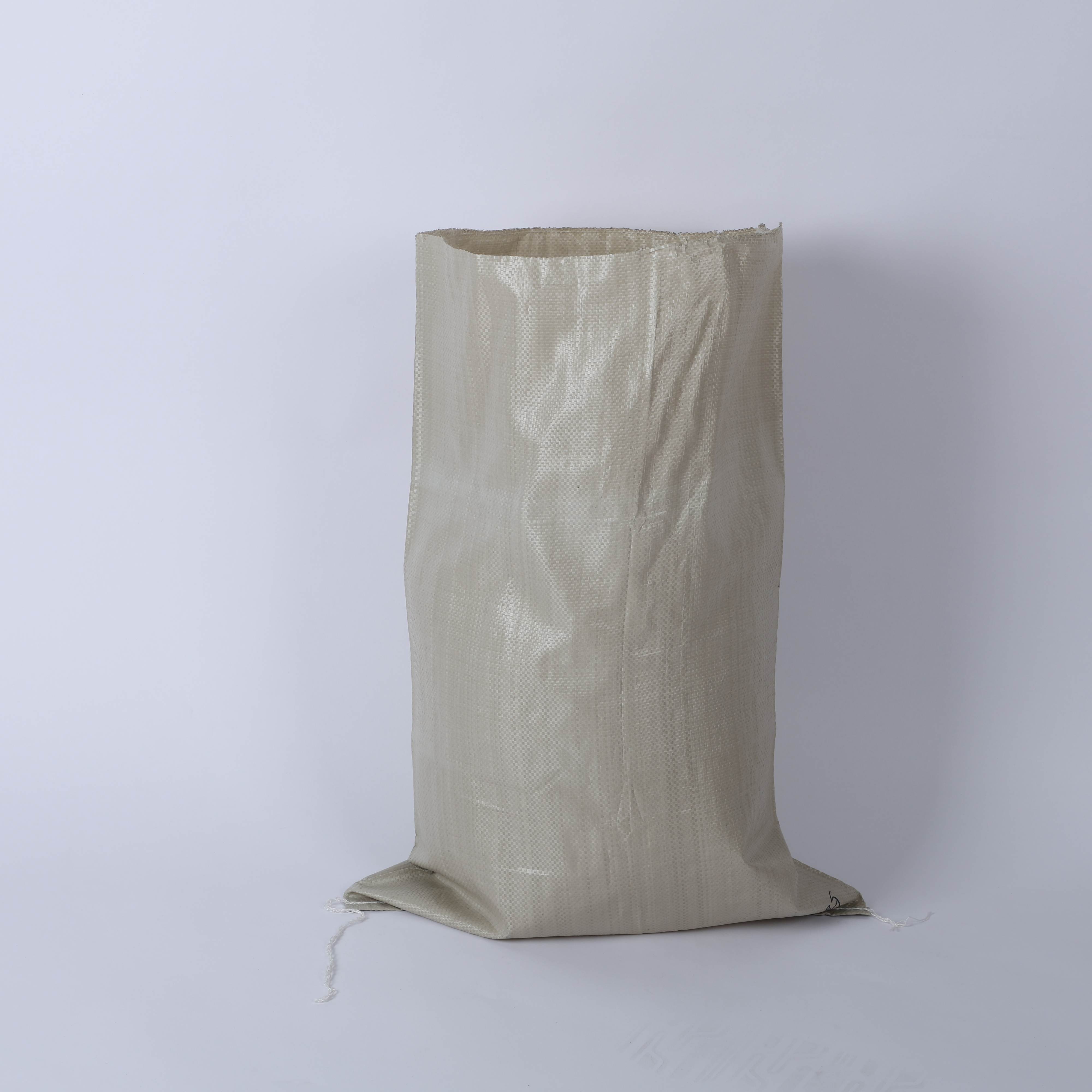
Modern corn storage demands reliable grain woven bag solutions that withstand moisture, temperature fluctuations, and physical handling throughout the harvest season. Both new pp corn bag options and recycled alternatives have evolved significantly, offering distinct advantages depending on storage duration, transportation distance, climate conditions, and budget parameters. Understanding these nuances helps agricultural producers select corn packaging bag types that balance performance requirements with economic viability.
New pp corn bags typically feature virgin polypropylene materials with consistent molecular structure, ensuring uniform strength distribution across all seams and fabric surfaces. The manufacturing process for new grain woven bag products incorporates quality control standards that guarantee consistent thickness, tensile strength, and puncture resistance. For seasonal harvest applications requiring storage periods of three to six months, new corn storage bag materials maintain structural integrity under standard warehouse conditions without degradation or material fatigue.
The virgin polypropylene used in new corn packaging bag production exhibits superior resistance to UV exposure, moisture penetration, and mechanical stress. When stacked in agricultural storage facilities, new pp corn bag solutions typically show minimal seam separation, minimal fabric tearing, and minimal color fading over typical seasonal timeframes. These performance characteristics make new bags particularly suitable for longer storage intervals, transportation over extended distances, or storage in variable climate zones.
Recycled corn bag materials derive from post-consumer or post-industrial polypropylene sources, processed and reformed into new woven fabric structures. Quality-grade recycled corn storage bag products undergo rigorous sorting and processing to remove contaminants, though the recycled material retains slightly lower molecular uniformity compared to virgin polypropylene. A grain woven bag manufactured from high-grade recycled material still provides adequate strength for seasonal harvest storage, particularly for applications requiring storage periods of two to four months in controlled environments.
The performance characteristics of recycled pp corn bag options depend heavily on source material quality and processing standards. Premium recycled corn packaging bag solutions undergo multiple filtration stages and additive reinforcement to restore performance parameters closer to virgin material specifications. For shorter storage cycles or less demanding transport conditions, recycled options often deliver reliable performance while offering significant cost advantages and environmental benefits.
New corn storage bag options command premium pricing due to virgin material sourcing, consistent quality parameters, and manufacturing complexity. The cost differential typically ranges from thirty to fifty percent higher than comparable recycled alternatives, depending on market conditions, bulk order quantities, and regional sourcing factors. For agricultural operations managing large harvest volumes, this pricing premium accumulates rapidly across thousands of bags required for seasonal storage operations.
However, the investment in new pp corn bag solutions often yields superior value across multiple storage cycles. The extended lifespan and reduced replacement frequency means the per-use cost frequently falls below recycled options when calculated across the full storage season and potential reuse applications. Operations with multi-year storage requirements or those marketing premium grain products often justify new corn packaging bag investments based on long-term value calculations.
Recycled grain woven bag solutions typically cost thirty to forty-five percent less than new alternatives, providing immediate budget relief for operations managing tight margins or purchasing large quantities. For seasonal harvest applications involving short-term storage, the cost advantage of recycled corn storage bag options often outweighs durability considerations. Agricultural cooperatives managing thousands of bags for member harvests frequently prioritize recycled pp corn bag selections to maximize member returns.
The total cost of ownership calculation must account for potential replacement scenarios, storage facility requirements, and grain value protection. Recycled corn packaging bag options work most effectively when storage periods remain limited, environmental conditions remain stable, and grain value does not justify premium protective investments. For budget-constrained operations or commodity-grade grain storage, recycled solutions often represent the most economically rational choice.
New corn bag manufacturing processes consume virgin petroleum resources and generate production emissions, though modern facilities increasingly implement efficiency measures and renewable energy integration. The total environmental footprint of new corn storage bag production extends across raw material extraction, processing, manufacturing, and distribution phases. However, the extended durability and potential for reuse or recycling at end-of-life stages can offset initial environmental costs across the product lifecycle.
Recycled grain woven bag products substantially reduce virgin resource consumption and manufacturing emissions by redirecting existing polypropylene materials into productive use. A recycled corn packaging bag diverts waste materials from landfills or incineration, reducing environmental burden while consuming minimal additional energy compared to virgin material processing. For operations prioritizing circular economy principles, recycled pp corn bag selections align directly with sustainability objectives and corporate environmental commitments.
The optimal sustainability approach often combines both options strategically within seasonal operations. New corn bags provide core storage reliability for premium grain stocks requiring maximum protection, while recycled corn storage bag solutions handle secondary storage or shorter-term commodity applications. This mixed approach balances environmental responsibility with performance requirements, maximizing value while minimizing waste.
Agricultural operations can further enhance sustainability through bag reuse programs, which extend the useful life of both new and recycled corn packaging bag materials. Establishing collection systems for used bags enables multiple storage cycles before final recycling, dramatically reducing per-season environmental impact. This strategy proves particularly effective for cooperatives or integrated grain handling operations managing consistent seasonal patterns.
The planned storage duration represents the primary decision factor when comparing new versus recycled corn bags for seasonal harvest applications. Storage periods extending beyond four months generally favor new pp corn bag selections due to superior durability under extended stress conditions. Conversely, seasonal operations completing harvest sales within two to three months often justify recycled grain woven bag choices based on adequate performance within defined timeframes.
Environmental storage conditions significantly influence corn bag performance and durability outcomes. Operations storing bags in climate-controlled facilities with stable temperature and humidity can reliably use recycled corn storage bag options, while outdoor storage exposed to UV radiation and temperature fluctuations demands new corn packaging bag materials for optimal protection.
Premium grain varieties commanding higher market prices justify investment in new corn bags to minimize moisture penetration, mold development, and contamination risks that reduce crop value. Standard or commodity-grade corn stored temporarily before rapid market sale often suits recycled pp corn bag solutions adequately. Risk assessment based on grain value, storage conditions, and seasonal timing guides rational investment decisions that protect product quality while optimizing budget allocation.
Yes, premium-grade recycled corn storage bag options perform reliably for seasonal harvest applications with storage durations of two to four months in standard warehouse conditions. The recycled corn packaging bag quality has improved substantially, with processed materials meeting industry durability standards for normal agricultural handling and storage. Performance depends on source material quality, processing standards, and specific storage environment conditions rather than recycled material categorization alone.
New corn bags manufactured from virgin polypropylene exhibit superior tensile strength, more consistent seam integrity, and better resistance to moisture penetration and UV exposure compared to recycled grain woven bag materials. The virgin molecular structure delivers more uniform performance across all bag dimensions, reducing unexpected failure points during stacking or transportation. For extended storage periods or premium grain protection, new corn packaging bag materials provide demonstrably superior durability margins, justifying cost premiums in applications where product quality protection outweighs budget constraints.
Decision-making should prioritize storage duration, grain value, environmental conditions, and budget parameters as interconnected factors. Premium grain varieties requiring maximum protection favor new pp corn bag investments, while commodity storage with rapid market sales suits recycled options. Mixed strategies deploying new bags for primary storage and recycled corn storage bag solutions for secondary applications often optimize both performance and economic outcomes. Consider sustainability priorities and potential bag reuse opportunities when developing comprehensive harvest storage plans incorporating both new and recycled corn packaging bag selections.

Discover the 4 critical production metrics—throughput, defect rate, equipment uptime & on-time delivery—to vet factories confidently.

Ensure regulatory compliance & worker safety with proven methods for chemical woven bags—material selection, labeling, storage & training.

Discover the full PP woven bag manufacturing workflow—from extrusion & weaving to printing & QC. Boost efficiency, compliance & ROI. Download the process guide now.

Struggling with weak bags or high material waste? Master extrusion and tape drawing tech for stronger, cheaper PP woven bags. Optimize your production line now.

Struggling with defects or customer returns? Discover the 5 non-negotiable quality checkpoints across your woven bag production line
Which automation tier is right for your PP woven bag factory? Compare manual to Industry 4.0 systems for cost, quality, and scalability.
Get in touch for details on polypropylene woven bags and flexible packaging solutions.
Tel
Address
No.2015, Liaoyuan Building, Lanshan District, Linyi City, Shandong Province.China

