 EN
How to Assess Production Efficiency at a PP Woven Bag Factory
Discover the 4 critical production metrics—throughput, defect rate, equipment uptime & on-time delivery—to vet factories confidently.

2026/08/18
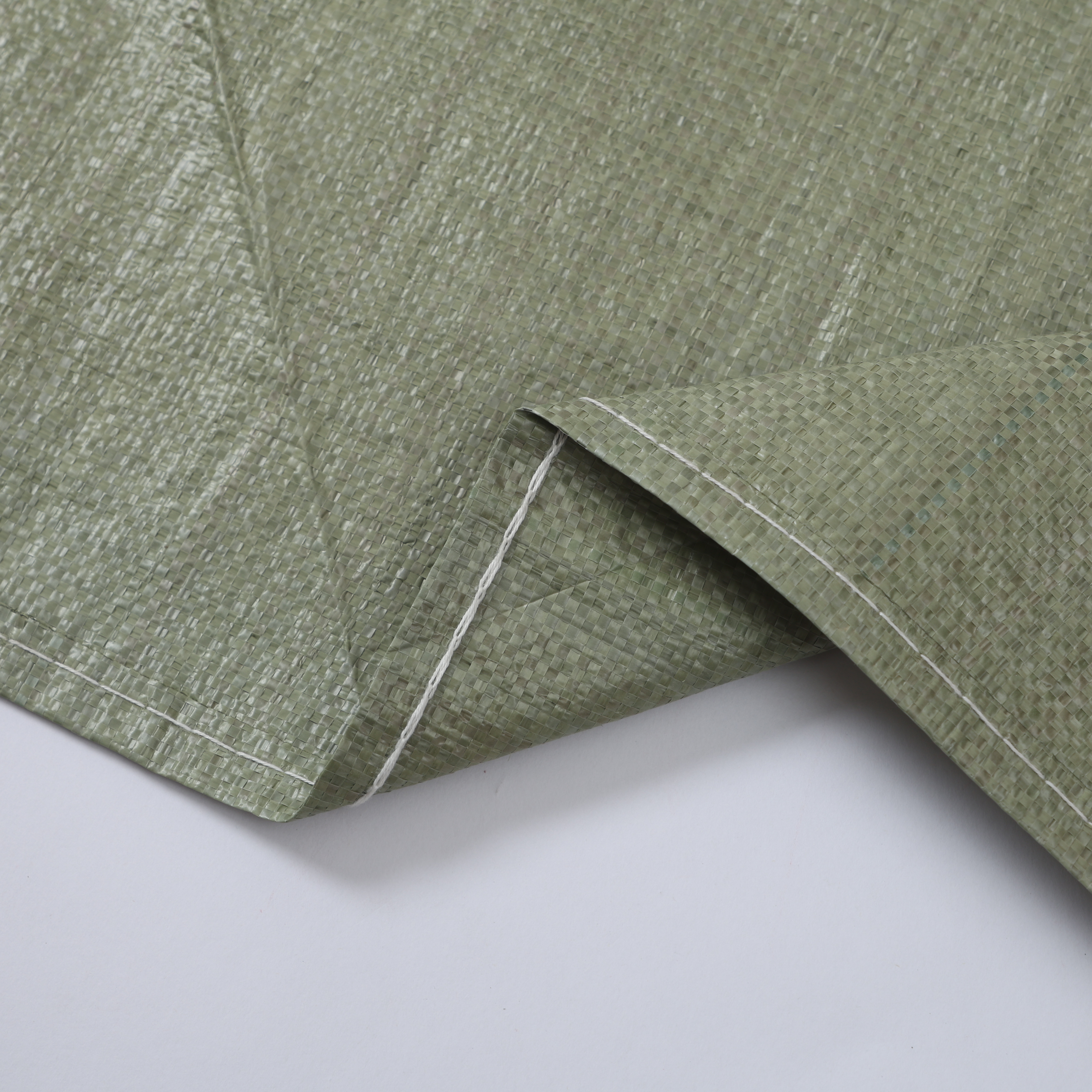
Modern farming operations depend heavily on efficient material handling systems, and the design of agricultural bags plays a critical role in this success. Mechanical harvesting equipment processes crops at high speeds and volumes, placing significant stress on storage containers throughout collection, transport, and processing stages. Agricultural bags must be engineered to withstand these demanding conditions while protecting crop quality and maintaining operational efficiency. Understanding how to optimize agricultural bags for compatibility with mechanical systems directly impacts yield protection, labor costs, and overall profitability.
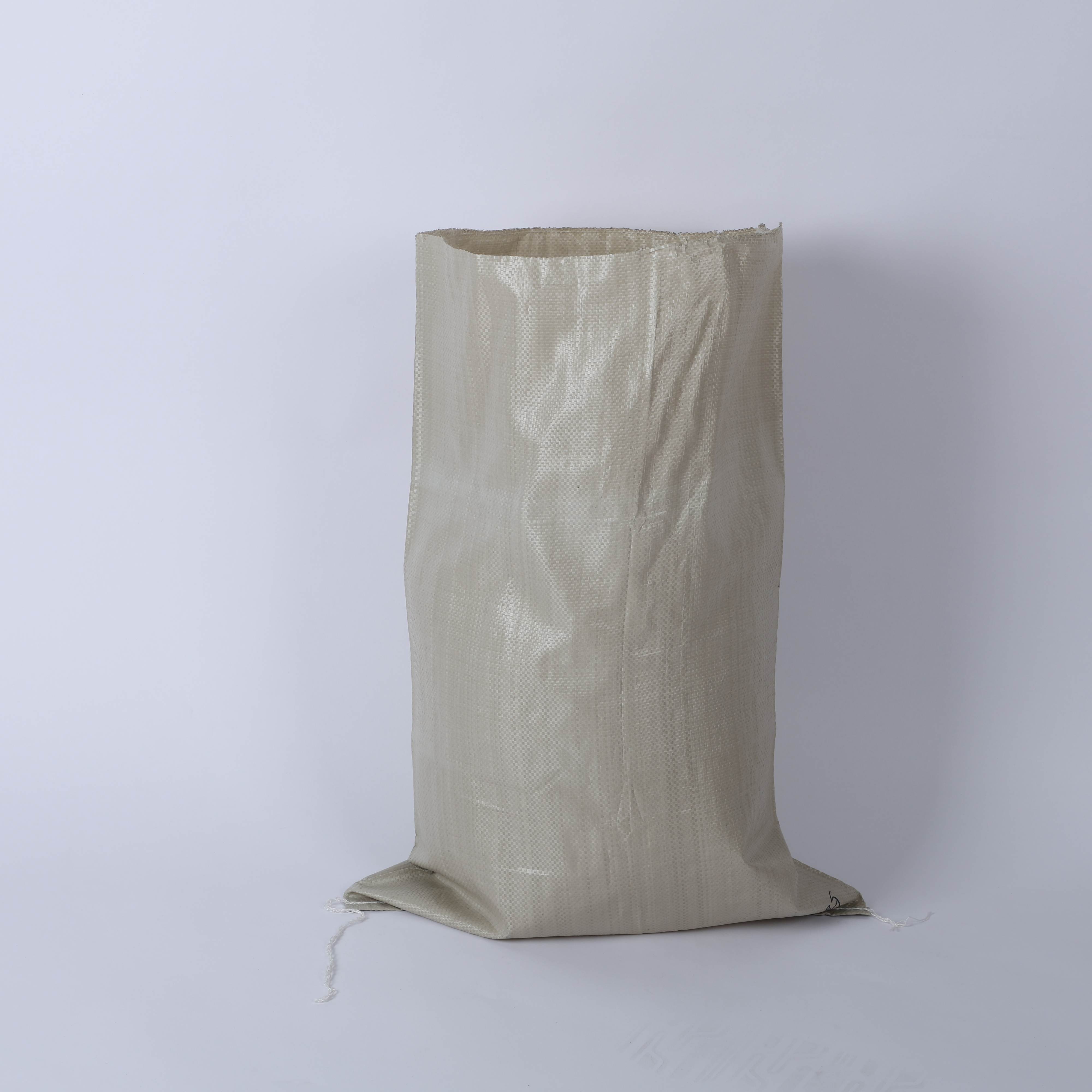
Mechanical harvesting creates unique challenges for agricultural packaging systems. High-speed sorters, threshers, and conveyor systems subject farm produce bags to constant friction, compression, and impact loading. Poorly designed agricultural packaging fails under these conditions, leading to product loss, contamination, and equipment downtime. Selecting the right material composition, stitching strength, and dimensional specifications ensures that crop storage bags maintain integrity throughout the entire mechanical handling cycle, from harvest through delivery to storage facilities or processing centers.
Polypropylene remains the industry standard for agricultural packaging due to its superior strength-to-weight ratio and resistance to environmental stress. A pp agricultural sack designed for mechanical harvesting must meet specific tensile strength standards to prevent tears under high-speed conveyor systems. The material composition should balance flexibility with rigidity, allowing bags to conform to equipment specifications without cracking or splitting. Laminated and multi-ply constructions provide enhanced durability compared to single-layer alternatives, significantly reducing material failure rates in automated harvesting environments.
Seam construction directly affects how agricultural packaging performs under mechanical stress. Box-stitched seams and gusseted sides provide superior load distribution compared to simple flat-bottom designs. The thread type, stitch density, and seam placement must be engineered specifically for the equipment specifications of modern harvesters. Testing seam integrity under simulated mechanical conditions ensures that agricultural bags will not split during transport or sorting operations, protecting both the crop and the equipment throughout the handling process.
Farm produce bags must resist degradation from moisture, temperature fluctuations, and prolonged outdoor storage. UV-stabilized materials prevent brittleness and material failure when bags remain exposed to sunlight during field operations or temporary staging areas. Moisture barriers protect crop quality by reducing condensation inside agricultural packaging, which can lead to mold growth or quality loss. Specialized coatings and lamination techniques enhance these protective properties without compromising the breathability needed for certain crop types, ensuring agricultural bags maintain structural integrity throughout extended storage cycles.
Mechanical harvesting equipment operates based on standardized bag dimensions and weight specifications. Agricultural bags must fit precisely within sorter hoppers, conveyor belt widths, and stacking parameters without jamming or misalignment. Under-designed crop storage bags may create processing bottlenecks, while oversized agricultural packaging causes equipment damage and handling inefficiencies. Dimensional tolerance control ensures that every agricultural bags unit integrates smoothly with existing mechanical systems, maximizing throughput rates and minimizing operator intervention or equipment adjustments.
Weight distribution and balance affect how farm produce bags flow through mechanical systems. Flat-bottom designs with reinforced corners allow stable stacking on pallets and within storage facilities, while narrow bags designed for high-volume processing create uniform loads that automated systems can predict and handle efficiently. Agricultural packaging with consistent weight distribution reduces the risk of bags tipping during high-speed sorting, preventing spillage and product loss that compounds throughout the harvest season.
Modern agricultural bags incorporate specialized handle designs that accommodate both mechanical and manual handling workflows. Woven handles with reinforced stress points allow equipment operators to guide bags into sorters or reposition them without tearing the material. Closure systems must seal bags effectively during transport while remaining compatible with equipment that may apply pressure or vibration during processing. Agricultural packaging featuring integrated loop closures and tension-adjustable tie systems streamlines operations while protecting contents from environmental contamination and product loss.
Before deploying agricultural packaging in production environments, comprehensive testing validates performance under realistic mechanical stress conditions. Drop tests simulate bag handling during loading and unloading cycles, while abrasion tests measure resistance to friction from conveyor surfaces and surrounding bags. Burst pressure testing determines failure thresholds when bags are compressed or stacked under weight, ensuring agricultural packaging protects crop loads without rupturing. Cyclic loading tests replicate the repetitive stresses experienced during extended mechanical harvesting sessions, identifying durability issues before field deployment.
Moisture absorption and environmental resistance testing confirms that agricultural bags maintain structural integrity in actual storage conditions. Temperature cycling tests reveal how material properties change across seasonal variations and indoor-outdoor transitions common in farming operations. Impact resistance measurements specific to crop type ensure that farm produce bags protect delicate items while accommodating heavier grain or seed varieties. These validation protocols transform agricultural packaging specifications into field-proven designs that withstand the complex demands of modern mechanical harvesting systems.
Tracking field performance data provides continuous feedback for agricultural bags optimization. Failure rate monitoring identifies design weaknesses before widespread crop loss occurs, while throughput measurements reveal whether packaging dimensions and handling characteristics support maximum equipment efficiency. Operator feedback and maintenance records highlight specific stress points where crop storage bags experience premature failure or create operational friction. Seasonal performance comparisons help agricultural packaging manufacturers refine designs based on actual harvest conditions, crop varieties, and equipment interactions specific to different growing regions and farming operations.
PP agricultural sack design optimizes harvesting efficiency by ensuring bags flow smoothly through sorters and conveyors without jamming or requiring manual repositioning. Properly dimensioned agricultural packaging reduces equipment downtime, allows consistent processing speeds, and eliminates the need for operator intervention during high-volume sorting operations. Enhanced structural integrity prevents material failure that would otherwise halt equipment and waste crops, directly translating into measurable productivity gains and labor cost reductions.
Farm produce bags should feature reinforced seams engineered for high-speed conveyor friction, flat-bottoms with gusseted sides for stable stacking, and handles positioned to accommodate mechanical positioning arms without stress concentration. Agricultural packaging dimensions must match equipment specifications precisely, including width tolerances for conveyor compatibility and height specifications for hopper depth. Material thickness and thread density should be selected based on the specific crop type and mechanical stress intensity to prevent premature failure while maintaining lightweight portability.
Agricultural packaging designers should conduct equipment compatibility trials using actual production sorters and conveyors, testing multiple bag units under real operating conditions to identify potential failure points before full-scale deployment. Dimensional verification confirms that crop storage bags fit within equipment parameters, while dummy-load testing simulates actual crop weight and stress patterns without risking crop loss. Operator feedback during trial runs reveals handling characteristics and practical concerns that laboratory testing may not capture, ensuring agricultural bags perform reliably across diverse field conditions and equipment configurations.

Discover the 4 critical production metrics—throughput, defect rate, equipment uptime & on-time delivery—to vet factories confidently.

Ensure regulatory compliance & worker safety with proven methods for chemical woven bags—material selection, labeling, storage & training.

Discover the full PP woven bag manufacturing workflow—from extrusion & weaving to printing & QC. Boost efficiency, compliance & ROI. Download the process guide now.

Struggling with weak bags or high material waste? Master extrusion and tape drawing tech for stronger, cheaper PP woven bags. Optimize your production line now.

Struggling with defects or customer returns? Discover the 5 non-negotiable quality checkpoints across your woven bag production line
Which automation tier is right for your PP woven bag factory? Compare manual to Industry 4.0 systems for cost, quality, and scalability.
Get in touch for details on polypropylene woven bags and flexible packaging solutions.
Tel
Address
No.2015, Liaoyuan Building, Lanshan District, Linyi City, Shandong Province.China

