 EN
How to Assess Production Efficiency at a PP Woven Bag Factory
Discover the 4 critical production metrics—throughput, defect rate, equipment uptime & on-time delivery—to vet factories confidently.

2026/08/25
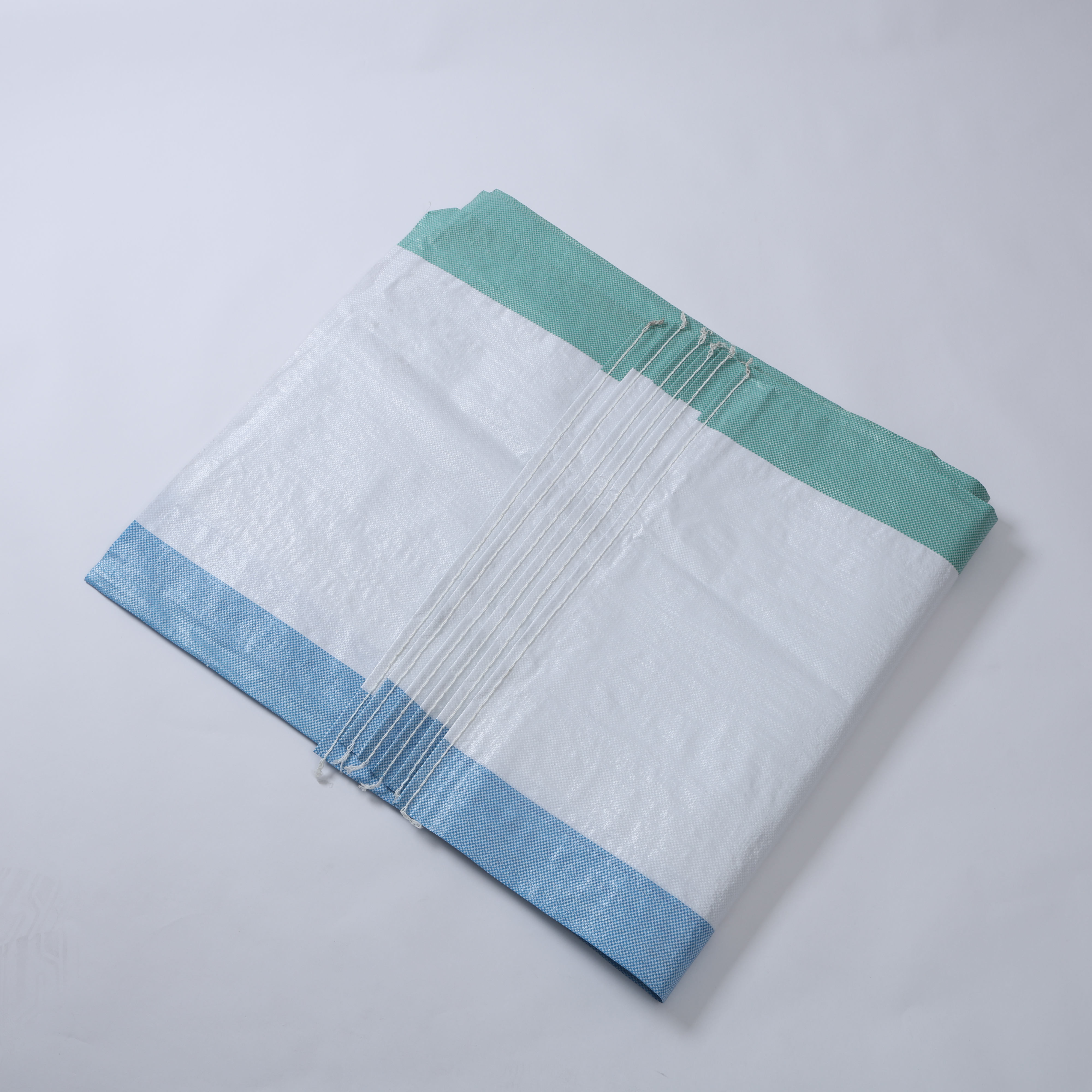
Modern mechanized harvesting demands more from agricultural packaging bags than ever before. As farming operations scale up and rely heavily on automated sorting, transport, and storage systems, the design of crop packaging solutions becomes critical to operational efficiency. Agricultural packaging bags must withstand intense mechanical stress, protect produce quality, and integrate seamlessly with industrial equipment. Understanding how to optimize these bags ensures that your farm packaging bag investment delivers maximum performance while reducing waste and downtime.
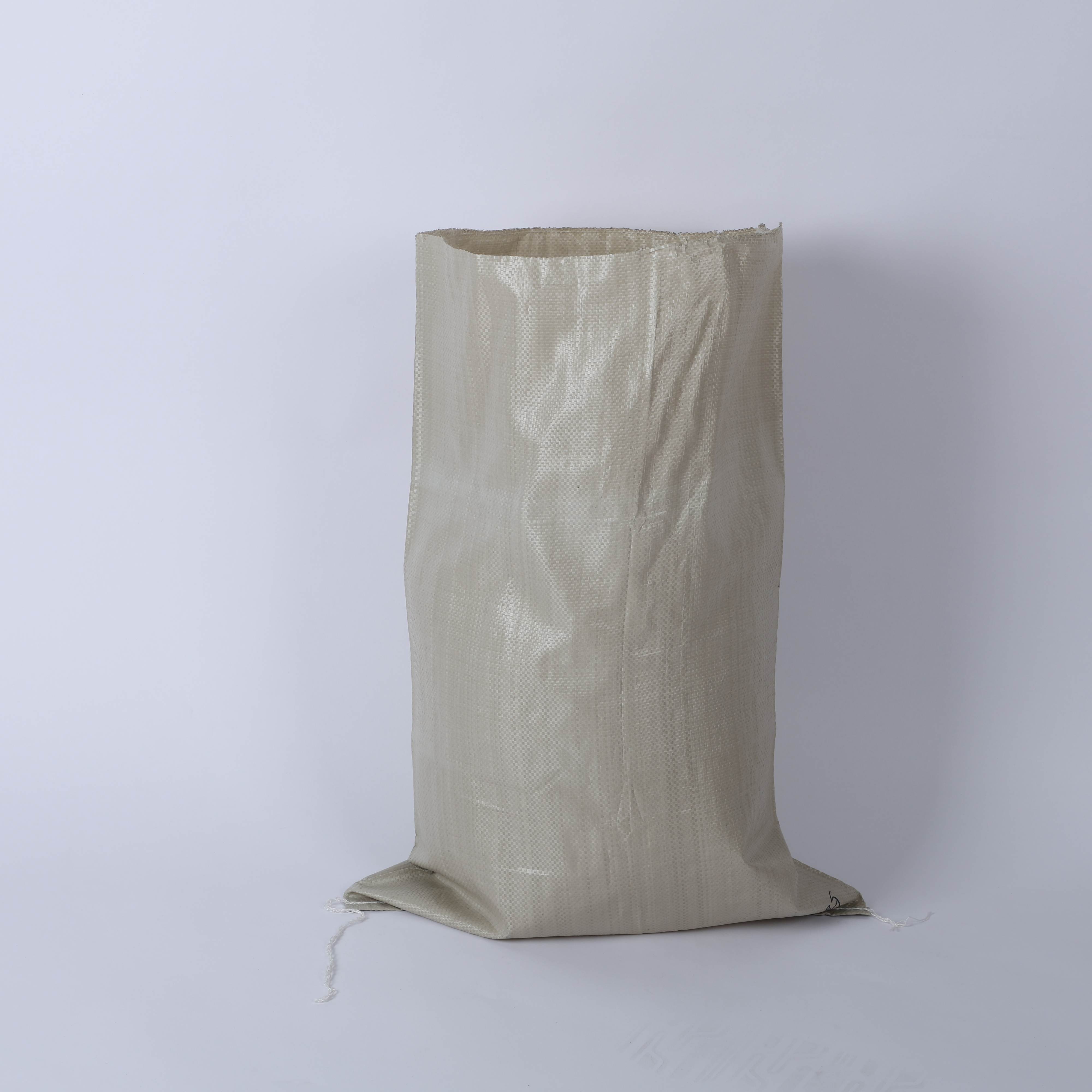
Selecting the right farm packaging bag design involves multiple technical considerations that directly impact harvest productivity. From material specifications to structural reinforcement, every detail influences how well your bags perform in mechanized environments. PP agricultural packaging has become the industry standard due to its durability, cost-effectiveness, and compatibility with modern handling equipment. When you invest in properly optimized crop packaging solutions, you reduce equipment jams, minimize product loss, and improve supply chain efficiency from field to storage facility.
PP agricultural packaging delivers superior performance in mechanized harvesting systems because polypropylene resists tearing and maintains structural integrity under repetitive stress. Mechanized equipment applies consistent pressure and movement that would compromise inferior materials, making material grade critical. Premium grade polypropylene provides better tensile strength, elongation resistance, and environmental durability compared to standard alternatives. When evaluating pp agricultural packaging options, verify that the material meets agricultural industry standards for puncture resistance and UV stability, which directly affect bag longevity in both field storage and transport phases.
The weight classification of your farm packaging bag directly impacts compatibility with conveyor systems and mechanical loaders. Heavy-duty agricultural packaging bags typically range from 90 to 120 grams per square meter, providing the structural rigidity necessary for automated handling without excessive thickness that impedes processing speed. Lighter bags may seem cost-effective initially but often fail during mechanized operations, leading to product spillage and equipment damage. Selecting the appropriate weight for your crop packaging solution requires understanding your specific machinery specifications and throughput requirements.
The seams represent critical failure points in mechanized environments where agricultural packaging bags experience constant tension and compression. Reinforced seaming techniques, including lap seams and multi-stitch patterns, significantly improve tear propagation resistance compared to basic single-line stitching. Your farm packaging bag design should incorporate reinforced seams at stress concentration points, particularly along the bottom and sides where mechanical loaders apply maximum force. Advanced crop packaging solutions utilize bonded seams or ultrasonic welding, which create stronger joints that maintain bag integrity even when filled to maximum capacity and subjected to vertical and horizontal compression during transport.
Integrated handles or reinforced corner areas enable mechanized handling systems to grip bags securely without tearing. PP agricultural packaging with properly engineered handle design can support loads exceeding standard bag capacity when weight distribution remains balanced. Consider whether your operation requires woven-in handles, stitched handles, or printed grip zones that enhance friction without adding bulk. Modern crop packaging solutions increasingly incorporate ergonomic and equipment-friendly handle specifications that reduce strain on automated handling systems and minimize bag deformation during the grab-and-lift cycle.
Agricultural packaging bags must conform to standard dimensions that align with sorting conveyors, automatic bagging machines, and storage systems. Variations in bag size create jams and slow processing, undermining the efficiency benefits of mechanization. Farm packaging bag specifications should match equipment manufacturer recommendations precisely, ensuring that your crop packaging solution flows smoothly through each automated stage. Common standardized dimensions for commercial produce range from 25 to 50 kilograms capacity, with consistent width and height tolerances typically held within 2–3 percent.
The surface texture of pp agricultural packaging affects how bags interact with conveyor belts and gripping mechanisms. Smooth woven surfaces reduce friction-related degradation but may slip on certain conveyor types, while textured finishes provide better grip at the cost of slightly increased wear. Your crop packaging solution texture should balance secure positioning during transport with minimal abrasion damage to the bag itself. Testing your specific farm packaging bag design with actual equipment before full-scale deployment prevents costly mismatches between bag properties and mechanized system performance.
Agricultural packaging bags destined for outdoor storage must incorporate UV stabilizers that prevent material degradation from sun exposure. Even during short-term field staging, unprotected pp agricultural packaging loses tensile strength, becoming brittle and prone to failure during mechanized handling. Advanced crop packaging solutions include carbon black or other UV absorbers that maintain material properties for extended storage periods. If your operation involves seasonal harvesting with stored bags awaiting use, UV-stabilized farm packaging bag options provide cost savings by reducing replacement frequency and maintaining performance across multiple harvest cycles.
Mechanized harvesting environments often expose agricultural packaging bags to moisture, soil contact, and chemical residues that degrade standard materials. Premium pp agricultural packaging resists moisture absorption, preventing softening and dimensional changes that cause equipment malfunction. Your crop packaging solution should feature material specifications that accommodate cleaning and sanitization without compromising structural integrity. Selecting farm packaging bag options with enhanced contamination resistance ensures consistent performance regardless of environmental exposure during harvest, transport, and storage phases.
Your agricultural packaging bags must meet precise dimensional tolerances within 2–3 percent of equipment specifications, typically ranging from 25 to 50 kilograms capacity. Material weight, seam strength, and handle design must align with the machinery manufacturer recommendations. Request compatibility verification from your pp agricultural packaging supplier before committing to large orders, ensuring your crop packaging solution performs reliably through each automated processing stage without jams or delays.
Polypropylene remains the industry standard for farm packaging bags in mechanized operations because it combines durability, cost-effectiveness, and proven equipment compatibility. While paper or biodegradable alternatives exist, pp agricultural packaging offers superior tear resistance, moisture protection, and consistent performance under repetitive mechanical stress. Your crop packaging solution investment in quality polypropylene delivers longer bag life, fewer processing disruptions, and superior total cost of ownership compared to materials that may fail prematurely in mechanized environments.
Focus on reinforced seaming using multi-stitch patterns or bonded seams at stress concentration points, particularly bottom and side areas where agricultural packaging bags experience maximum tension. Enhanced handle design and corner reinforcement directly improve performance under mechanized handling systems. When evaluating crop packaging solutions, request tensile strength data and tear resistance specifications that verify the reinforcement quality, ensuring your farm packaging bag investment withstands the mechanical demands of modern harvesting operations.

Discover the 4 critical production metrics—throughput, defect rate, equipment uptime & on-time delivery—to vet factories confidently.

Ensure regulatory compliance & worker safety with proven methods for chemical woven bags—material selection, labeling, storage & training.

Discover the full PP woven bag manufacturing workflow—from extrusion & weaving to printing & QC. Boost efficiency, compliance & ROI. Download the process guide now.

Struggling with weak bags or high material waste? Master extrusion and tape drawing tech for stronger, cheaper PP woven bags. Optimize your production line now.

Struggling with defects or customer returns? Discover the 5 non-negotiable quality checkpoints across your woven bag production line
Which automation tier is right for your PP woven bag factory? Compare manual to Industry 4.0 systems for cost, quality, and scalability.
Get in touch for details on polypropylene woven bags and flexible packaging solutions.
Tel
Address
No.2015, Liaoyuan Building, Lanshan District, Linyi City, Shandong Province.China

