 EN
How to Assess Production Efficiency at a PP Woven Bag Factory
Discover the 4 critical production metrics—throughput, defect rate, equipment uptime & on-time delivery—to vet factories confidently.

2026/08/27
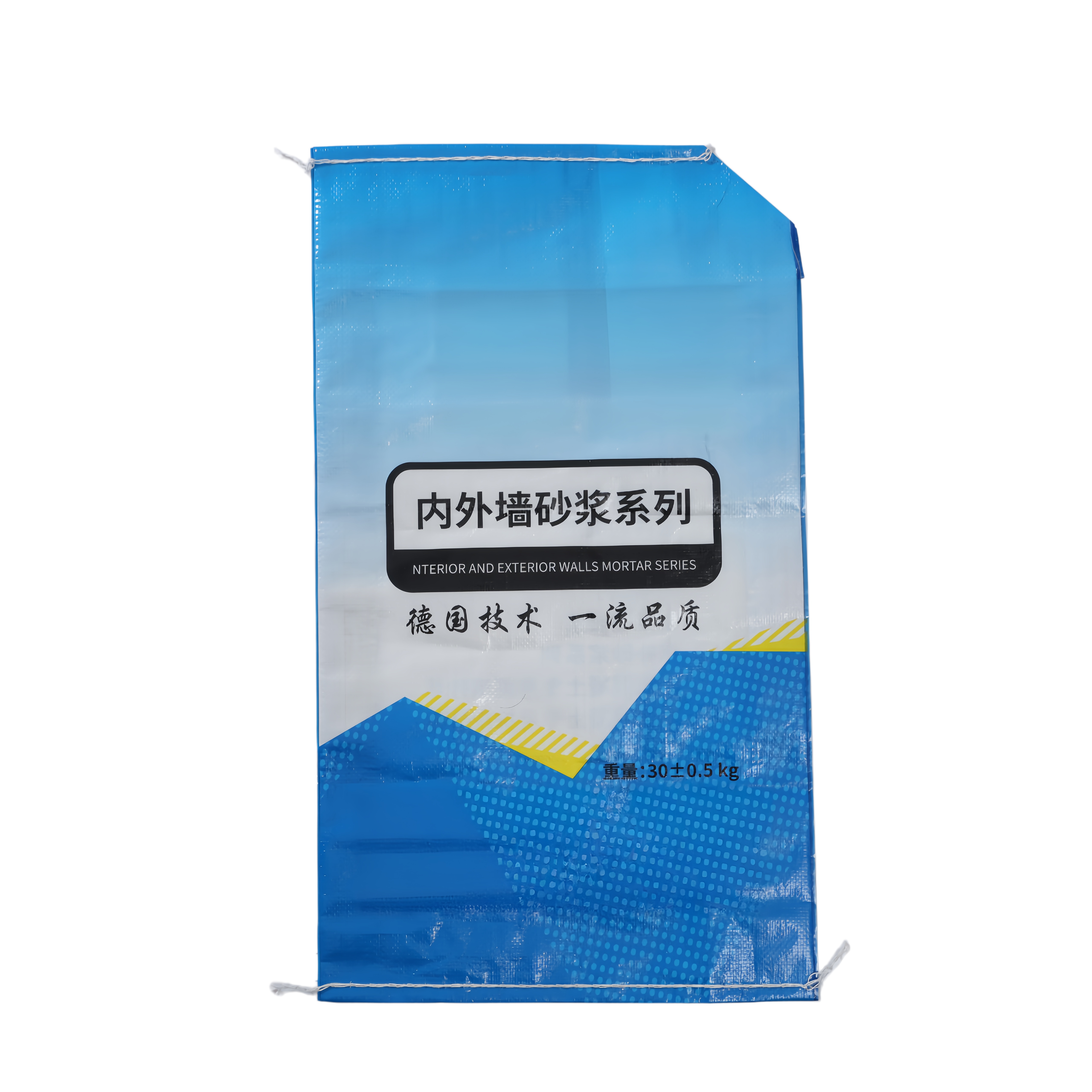
Manufacturers across industries face mounting pressure to streamline operations while maintaining product quality and brand consistency. The solution often lies in optimizing specifications for custom woven bags, which serve as critical components in supply chain efficiency. When custom woven bags are engineered with production efficiency in mind, companies reduce waste, accelerate turnaround times, and lower per-unit costs significantly.
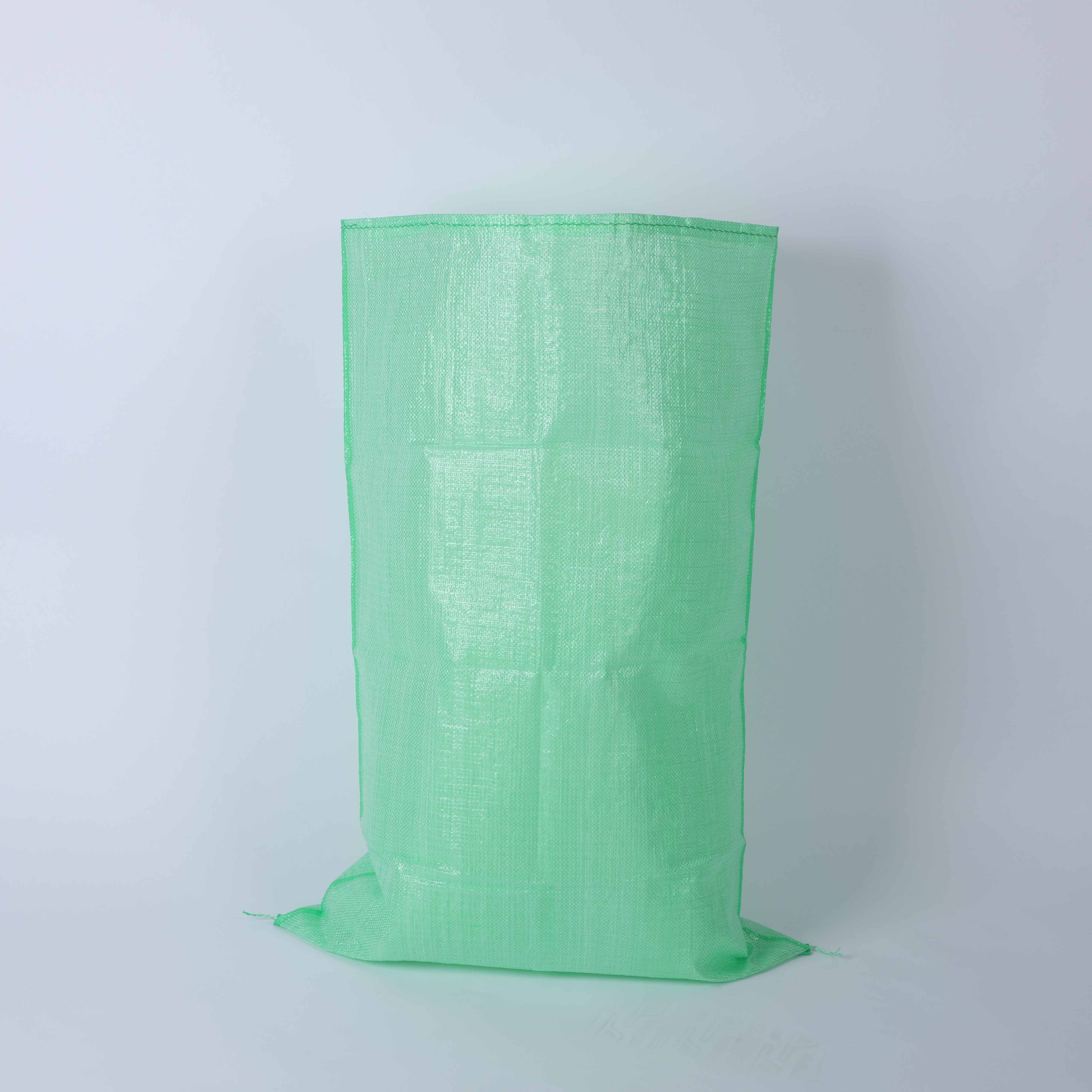
Proper specification optimization transforms how organizations approach custom packaging solutions. Rather than relying on generic bag designs, a tailored woven sack engineered for your exact workflow delivers measurable improvements in handling, storage, and deployment. This guide explores the critical dimensions, material selections, and design factors that maximize production efficiency when implementing custom printed woven bag solutions in your facility.
The foundation of efficient custom packaging solutions begins with material selection. Polypropylene (PP) bags come in multiple grades, each affecting weight capacity, durability, and production speed. Higher weave densities provide greater strength but may require adjusted machinery settings and slower production cycles. A tailored woven sack designed for your specific load capacity prevents over-specification, which adds unnecessary cost, and under-specification, which causes production failures and returns.
Personalized pp bag specifications should balance thread count, yarn thickness, and weave pattern to match your production line's actual requirements. Facilities handling agricultural products, chemicals, or building materials each need different structural properties. By analyzing your material density, moisture exposure, and transportation distance, manufacturers can select a custom printed woven bag specification that runs efficiently on existing machinery without costly retrofits or slowdowns.
Single-ply, double-ply, and reinforced constructions serve different operational needs. Custom woven bags with appropriate ply configuration reduce seam failures and minimize rework during production. Most manufacturers find that a custom packaging solution with strategically reinforced seam areas—rather than uniform reinforcement throughout—optimizes both material usage and production speed. This targeted approach to tailored woven sack construction maintains structural integrity while reducing overall material consumption and production complexity.
Improper bag dimensions create cascade inefficiencies throughout production and logistics. Custom woven bags that are too large waste material and increase handling time, while undersized custom printed woven bag designs cause fill-line bottlenecks and customer complaints. The most efficient custom packaging solutions emerge when dimensions align precisely with filling machinery capabilities, pallet configurations, and customer handling equipment. A personalized pp bag specification developed through collaboration with your operations team eliminates these friction points before production begins.
Standard dimensions may seem convenient, but tailored woven sack specifications customized to your exact process flow often deliver faster throughput. Facilities report 15–25% improvements in fill rates when switching from generic designs to precision-engineered custom woven bags. The investment in specification optimization pays back through reduced labor, fewer production halts, and improved material yield.
The internal gusset width and opening geometry of a custom packaging solution directly influence filling speed and worker safety. A personalized pp bag designed with optimal gusset depth improves stability on fill lines and reduces spillage, while an improperly sized opening forces operators to work slower or use secondary tools. Custom printed woven bag designs incorporating reinforced gussets and appropriately dimensioned openings allow machinery to operate at rated speeds without adjustment. Similarly, tailored woven sack specifications with proper opening geometry reduce fatigue among manual workers and improve workplace safety metrics.
Custom woven bags that fail to match your filling, sealing, and palletizing equipment waste hours during setup and troubleshooting. A custom packaging solution engineered specifically for your production line's capabilities runs faster, requires less downtime, and produces fewer defects. Manufacturers should share detailed specifications of their existing equipment—including fill nozzle dimensions, conveyor heights, and pallet press compatibility—when commissioning custom printed woven bag designs. This collaborative approach ensures a personalized pp bag that integrates seamlessly without requiring expensive machinery modifications.
When custom woven bags are optimized for existing equipment, production managers observe improved consistency, faster changeover times, and reduced scrap rates. A tailored woven sack built with your machinery's tolerance windows in mind becomes an asset that accelerates operations rather than a constraint that slows them down.
Efficient custom packaging solutions extend beyond the production line into warehousing and distribution. A custom printed woven bag specification that considers pallet stability, stacking height, and environmental exposure prevents damage during storage and transport. Personalized pp bag designs incorporating proper dimensional tolerances and structural strength support taller stacking, reduce warehouse footprint requirements, and lower handling damage. When a tailored woven sack is specified with logistics efficiency in mind, companies reduce shrinkage, improve inventory turnover, and enhance customer satisfaction.
Custom woven bags engineered for your specific production environment eliminate friction points that slow standard designs. A custom packaging solution matched to your filling speed, equipment capabilities, and material type runs faster, produces fewer defects, and requires less adjustment time. Most facilities experience 10–25% throughput improvements within the first month of implementing properly optimized custom printed woven bag specifications tailored to their workflow.
The most critical factors include material weight capacity, opening dimensions, gusset configuration, seam reinforcement strategy, and precise overall dimensions. A tailored woven sack that balances these elements matches your filling machinery's speed, integrates with your existing equipment, and minimizes rework. Custom woven bags should be specified collaboratively between your operations team and the manufacturer to ensure the final custom packaging solution truly serves your production needs.
Organizations typically observe measurable efficiency gains within 1–2 weeks of implementing optimized custom woven bags, as production staff adjust to the improved design. A personalized pp bag and tailored woven sack engineered for your workflow often deliver payback within 2–4 months through reduced scrap, faster line speeds, and lower labor intensity. The longer-term benefits compound as staff become fully trained and equipment adjustments are perfected for the custom packaging solution.

Discover the 4 critical production metrics—throughput, defect rate, equipment uptime & on-time delivery—to vet factories confidently.

Ensure regulatory compliance & worker safety with proven methods for chemical woven bags—material selection, labeling, storage & training.

Discover the full PP woven bag manufacturing workflow—from extrusion & weaving to printing & QC. Boost efficiency, compliance & ROI. Download the process guide now.

Struggling with weak bags or high material waste? Master extrusion and tape drawing tech for stronger, cheaper PP woven bags. Optimize your production line now.

Struggling with defects or customer returns? Discover the 5 non-negotiable quality checkpoints across your woven bag production line
Which automation tier is right for your PP woven bag factory? Compare manual to Industry 4.0 systems for cost, quality, and scalability.
Get in touch for details on polypropylene woven bags and flexible packaging solutions.
Tel
Address
No.2015, Liaoyuan Building, Lanshan District, Linyi City, Shandong Province.China

