 EN
How to Assess Production Efficiency at a PP Woven Bag Factory
Discover the 4 critical production metrics—throughput, defect rate, equipment uptime & on-time delivery—to vet factories confidently.

2026/08/13
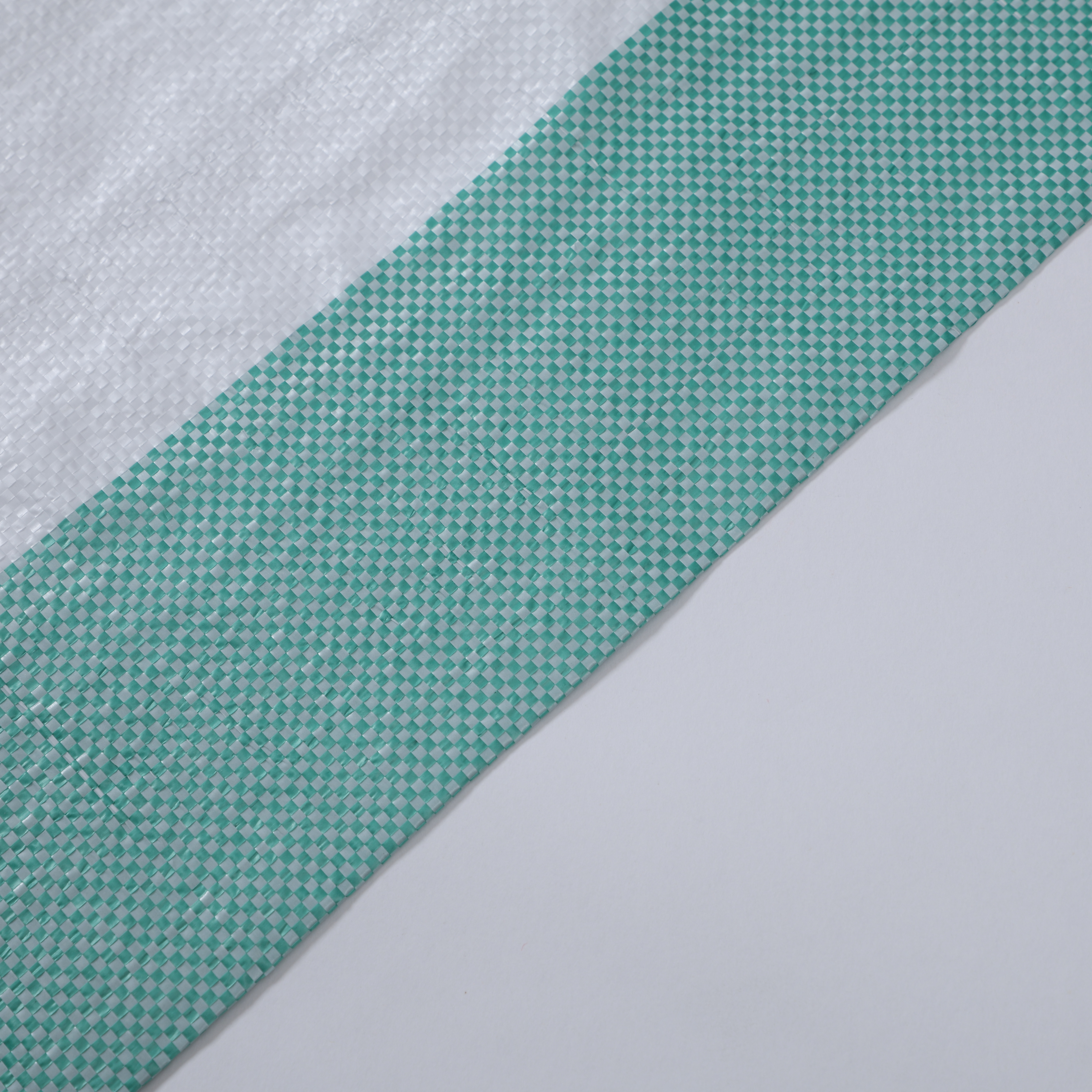
Proper ventilation design in feed bags is critical for maintaining product quality during extended storage periods. Whether storing animal feed bag supplies for weeks or months, inadequate airflow can lead to moisture accumulation, mold growth, and nutrient degradation that compromises livestock health and feed efficiency. Understanding how to optimize feed bags for ventilation ensures that agricultural operations protect their investment and maintain consistent feed quality throughout the storage cycle.
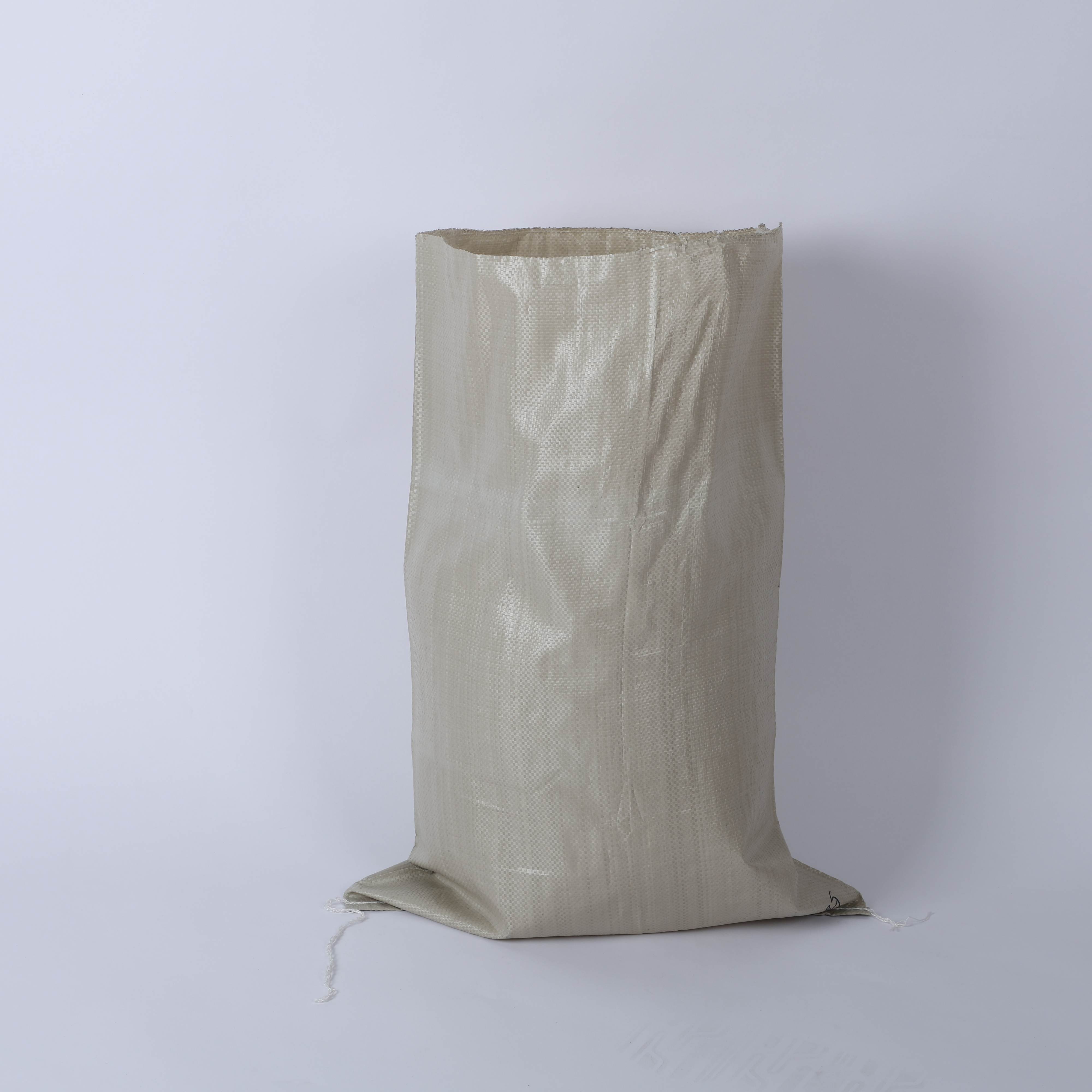
Modern livestock operations depend on reliable storage solutions that balance structural integrity with breathability. A livestock feed bag must protect contents from external contamination while allowing moisture vapor to escape naturally. This balance prevents condensation buildup inside the bag while maintaining the barrier protection that keeps dust, insects, and environmental pollutants away from animal feed bag contents. When ventilation is overlooked in the design process, even premium-grade feed can deteriorate before reaching the animals.
Moisture is the primary enemy of stored feed quality. As temperature fluctuates between day and night, or during seasonal changes, condensation forms inside sealed or poorly ventilated containers. This moisture creates an ideal environment for mold spores and bacterial growth, particularly in warm, humid climates. A properly designed pp feed sack incorporates micro-perforations or specialized weave patterns that allow water vapor to transpire outward while preventing liquid water ingress. The feed packaging bag structure must account for relative humidity levels in the storage environment and the moisture content of the feed itself at the time of bagging.
The challenge in feed packaging bag design lies in achieving breathability without sacrificing structural strength or creating contamination pathways. Polypropylene materials used in modern feed bags can be engineered with varying pore sizes and densities to permit gas exchange at controlled rates. This ensures that gases produced by microbial activity or naturally present in the feed can escape gradually, reducing internal pressure and preventing package failure. Advanced pp feed sack manufacturing processes now allow producers to create dual-layer structures where the outer layer provides mechanical protection and the inner layer optimizes moisture vapor transmission rates tailored to specific feed types and climate zones.
Selecting the right material composition is fundamental to ventilation performance in animal feed bag applications. Higher denier polypropylene provides strength while still allowing controlled air exchange when woven at appropriate densities. The weave pattern directly influences vapor transmission rates; tighter weaves enhance barrier properties against insects and dust, while strategically spaced fibers permit adequate moisture escape. Manufacturers of livestock feed bag solutions increasingly offer variable-density weaves that concentrate protective barriers in high-stress areas while maintaining breathability across the full surface. Testing for moisture vapor transmission rate (MVTR) ensures the bag meets specific requirements for different feed types, storage durations, and climate conditions.
Innovative feed bags now incorporate specific ventilation features beyond basic weave design. Gusseted sides create expanded surface area that improves airflow around stored contents, reducing dead zones where moisture can accumulate. Strategic placement of reinforced ventilation panels allows handlers to rotate bags during storage for enhanced air circulation. Some advanced livestock feed bag designs include perforated strips along the seams or partial closures that can remain slightly open without compromising protection. The pp feed sack construction should accommodate stacking without blocking ventilation paths, ensuring that even in dense storage conditions, each bag maintains access to ambient air circulation. Proper closure systems like heat-sealed or tie-top designs must be chosen to balance security with the option for controlled venting during storage.
The physical storage environment determines how effectively a feed packaging bag ventilation design performs. Placement on wooden pallets rather than directly on concrete floors improves air circulation underneath stacks, creating a buffer zone that reduces moisture absorption from ground moisture. Ensuring adequate clearance between storage stacks and walls, as well as between the stored bags and the ceiling, maintains consistent airflow throughout the storage facility. Climate-controlled storage spaces enhance the effectiveness of ventilated animal feed bag designs by maintaining stable temperature and humidity levels that minimize condensation risk. In hot, humid regions, the storage location should receive sufficient shade and air movement to prevent excessive heat buildup inside stacked bags, which can accelerate moisture condensation cycles.
Long-term feed storage success requires ongoing attention to bag condition and environmental monitoring. Periodic inspection of livestock feed bag surfaces for signs of moisture, mold, or pest intrusion helps identify ventilation failures before feed quality deteriorates significantly. Rotating stock using FIFO (first-in, first-out) methodology ensures older bags experience adequate air exposure before quality degradation accelerates. Temperature and humidity monitoring within the storage area provides early warning when environmental conditions exceed the designed ventilation capacity of the feed bags, allowing corrective actions such as increased air circulation or protective covering adjustments. Documentation of storage conditions alongside feed quality assessments builds operational knowledge about how specific pp feed sack designs perform in your particular climate and facility setup, informing future purchasing decisions.
Ventilation allows moisture vapor to escape from inside the bag, preventing the humid conditions that mold requires to proliferate. By maintaining lower internal humidity levels, a well-designed animal feed bag creates an environment where mold spores cannot germinate and establish colonies, extending feed shelf life significantly.
The optimal MVTR depends on feed type, storage duration, and climate conditions. Most livestock feed bag applications benefit from MVTR levels between 500 and 2000 grams per square meter per 24 hours, allowing adequate moisture escape while maintaining protection against contamination. Specialized pp feed sack designs may vary outside this range based on specific operational requirements.
Yes, when designed with gusseted sides and proper weave patterns, feed packaging bags maintain reasonable ventilation even when stacked. However, leaving minimal spacing between stacks and ensuring adequate facility air circulation enhances performance. Rotating bags periodically during storage helps prevent localized moisture accumulation in areas with limited air access.

Discover the 4 critical production metrics—throughput, defect rate, equipment uptime & on-time delivery—to vet factories confidently.

Ensure regulatory compliance & worker safety with proven methods for chemical woven bags—material selection, labeling, storage & training.

Discover the full PP woven bag manufacturing workflow—from extrusion & weaving to printing & QC. Boost efficiency, compliance & ROI. Download the process guide now.

Struggling with weak bags or high material waste? Master extrusion and tape drawing tech for stronger, cheaper PP woven bags. Optimize your production line now.

Struggling with defects or customer returns? Discover the 5 non-negotiable quality checkpoints across your woven bag production line
Which automation tier is right for your PP woven bag factory? Compare manual to Industry 4.0 systems for cost, quality, and scalability.
Get in touch for details on polypropylene woven bags and flexible packaging solutions.
Tel
Address
No.2015, Liaoyuan Building, Lanshan District, Linyi City, Shandong Province.China

