 EN
How to Assess Production Efficiency at a PP Woven Bag Factory
Discover the 4 critical production metrics—throughput, defect rate, equipment uptime & on-time delivery—to vet factories confidently.

2026/09/03
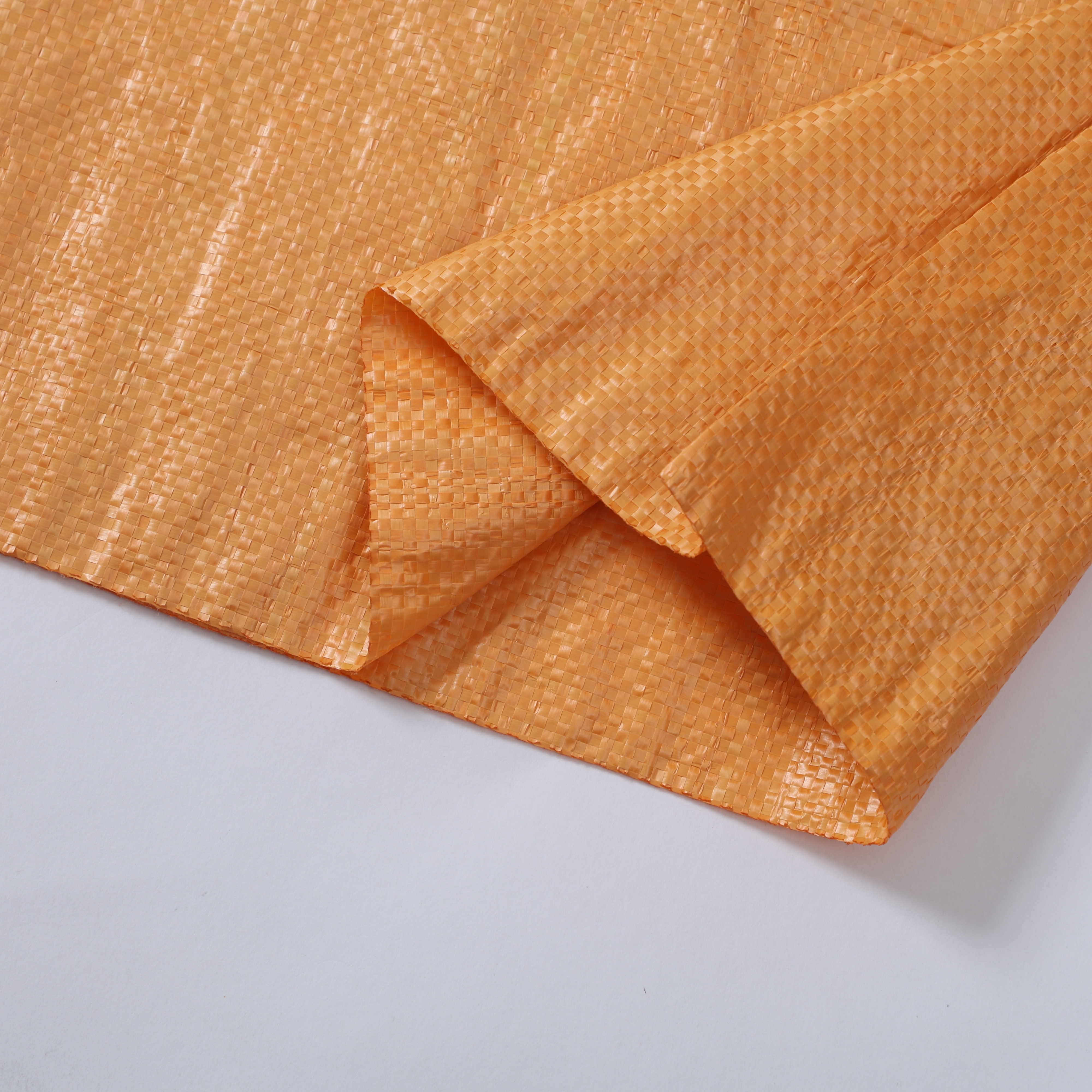
Sourcing used bags in bulk requires a strategic approach to quality assurance and compliance verification. When purchasing a used bag inventory at scale, procurement teams must establish clear inspection criteria to ensure product integrity, regulatory compliance, and operational cost-effectiveness. The stakes are high because substandard materials can compromise downstream production quality, increase waste rates, and create hidden liabilities in your supply chain.
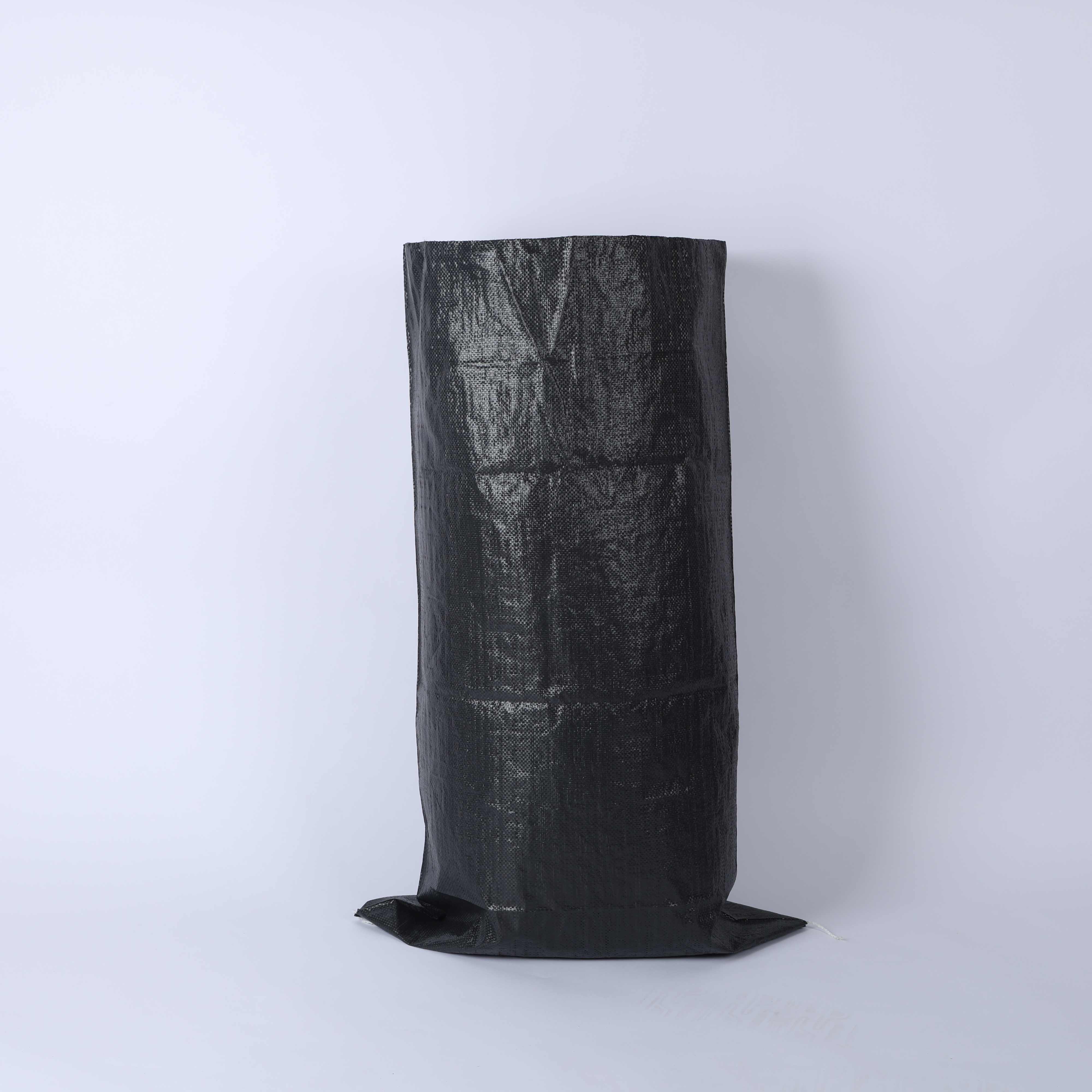
This guide walks you through the essential inspection framework for evaluating recycled woven bag shipments and secondhand pp bag lots. Whether you are a food processor, agricultural distributor, or industrial manufacturer, understanding how to assess reused packaging bag condition and performance characteristics protects your business from costly mistakes. The inspection process bridges the gap between sustainable sourcing goals and operational reliability by providing measurable standards for acceptance and rejection.
The foundation of any used pp sack evaluation begins with direct physical inspection. Examine the bag fabric surface for tears, punctures, weak seams, and signs of degradation that compromise containment. Check for discoloration, staining, or chemical residue that may indicate previous product exposure or improper storage conditions.
Perform tensile strength sampling by selecting bags from multiple points within your shipment lot. Apply controlled pulling stress to seams and fabric areas to confirm they meet minimum breaking strength standards for your intended use case. This hands-on test reveals whether recycled woven bag material has retained functional durability or has become brittle and prone to failure during normal handling. Document your baseline strength benchmarks before accepting any large inventory of reused packaging bag.
Measure bag dimensions including width, height, gusset depth, and valve opening size on a representative sample of 10 to 20 units per lot. Variations exceeding your tolerance threshold may indicate inconsistent manufacturing origins or storage-related shrinkage. Inspect any printed graphics, logos, or text for clarity, color accuracy, and ink adhesion on your secondhand pp bag samples. Faded or flaking print can transfer unwanted marks to product during filling and handling, creating quality control headaches downstream.
Compare measured dimensions and print results against your specifications and any documentation provided by the supplier. This verification step prevents feed issues in automated bagging lines and ensures reused packaging bag dimensions align with your existing equipment parameters. When used pp sack specifications drift, downstream operational friction and cost overruns accumulate quickly.
Used bags often carry residue from their previous application, which may include food particles, dust, chemical traces, or biological contaminants. Perform odor testing on unopened used bag samples by sealing them in a clean container for 24 hours, then assessing for off-odors or foreign smells. Any strong chemical, musty, or putrid odor signals potential contamination that could transfer to your product and affect brand perception or regulatory compliance.
Conduct microscopic or swab analysis on the interior surface of your recycled woven bag samples to detect particulate matter, mold spores, or residual chemical compounds. For food-grade applications, this step is non-negotiable because cross-contamination can trigger allergen warnings or foodborne illness risks. For industrial applications using secondhand pp bag or reused packaging bag, contamination assessment prevents product degradation and protects your formulation integrity.
Request detailed storage condition records from your supplier covering temperature ranges, humidity levels, and environmental exposure during the holding period before purchase. Bags stored in damp, uncontrolled environments may have absorbed moisture, developed mold, or experienced polymer embrittlement.
Cross-reference storage logs with your odor, residue, and strength test results to identify any patterns linking environmental conditions to material degradation. This investigative step builds confidence that the used pp sack lot is suitable for your application. Understanding storage history also helps you determine appropriate warehouse conditions for your incoming recycled woven bag stock to prevent further decline during your own inventory hold period.
If your application involves food, beverage, or pharmaceutical products, verify that your used bag lot meets FDA, EU, or relevant regional food contact material standards. Obtain certificates of compliance or testing reports from the supplier confirming that the recycled woven bag material poses no safety risk through migration of harmful substances. Secondhand pp bag used for food storage must demonstrate that previous contents and storage conditions have not compromised material safety status.
Request material composition documentation showing the precise polypropylene grade, UV stabilizer type, and any colorant or additive packages used in the reused packaging bag manufacturing process. This information enables your quality team to cross-check compatibility with your filling equipment, seal conditions, and storage temperature range.
Establish a formal declaration requirement stating what products were previously bagged in your recycled woven bag inventory. This traceability link protects you from unintended cross-contamination and simplifies root-cause investigation if your product encounters issues during distribution. For sensitive applications, consider performing residue testing specifically targeted at detecting previous product classes that pose compatibility or allergen concerns.
Document the lot history, manufacturing date codes, and any handling or transportation events recorded for your used bag shipment. This audit trail supports your compliance documentation and provides defense if your regulatory authority questions why you chose to source reused packaging bag material.
Define your acceptance sampling plan using industry-standard protocols such as AQL (Acceptable Quality Level) guidelines appropriate for your risk tolerance and application criticality. For general industrial applications, a typical approach involves inspecting 2 to 5 percent of bag units from each lot, focusing on physical integrity, dimensions, and cleanliness benchmarks. For food-grade or high-value applications, increase sampling intensity to 10 to 15 percent of lot units to gain higher confidence.
Assign clear pass-fail criteria for each inspection dimension, such as zero tolerance for holes exceeding 5mm diameter, seam strength below 80 percent of original specification, or detectable mold presence. Document inspection results in a standardized checklist that captures findings for every sampled used pp sack unit. This systematic approach prevents subjective judgment bias and creates an auditable record demonstrating your due diligence in sourcing secondhand pp bag and other reused packaging bag types.
Establish a contract requirement that suppliers must remediate rejected lots or provide full credit for substandard used bag inventory. Define the remediation process, such as restocking, cleaning, or partial refund, based on the nature and extent of defects discovered.
Schedule regular supplier audits to inspect their storage facilities, handling procedures, and quality control processes for reused packaging bag operations. Direct observation of how they manage incoming used pp sack inventory, sort by condition, and prepare shipments reveals whether their practices align with your expectations. Building a collaborative quality partnership with your supplier strengthens the entire sourcing process and reduces the long-term defect rate across all your used bag purchases.
The most prevalent issues include small tears or punctures in the fabric, weakened seams that fail under normal handling stress, dimensional shrinkage from improper storage, residual odors or staining from previous contents, and UV-induced embrittlement on the exterior surface. Used pp sack and recycled woven bag lots often show a mix of these defects depending on their storage history and original application. Regular tensile strength testing combined with visual inspection typically catches these problems before they cascade into your production environment.
Food-grade inspection must include rigorous food contact compliance certification, detailed residue analysis to confirm absence of allergens or chemical migration risk, and traceability documentation proving previous contents pose no cross-contamination hazard. Secondhand pp bag intended for food use requires laboratory testing verifying material migration levels and odor release under simulated storage and use conditions. Industrial reused packaging bag has less stringent requirements but still demand physical integrity, dimensional accuracy, and confirmation that previous contents won't degrade your stored materials.
Essential documentation includes lot identification and manufacturing date codes, a detailed declaration of previous product contents and any relevant hazards, storage condition records covering temperature and humidity ranges, certificates of compliance for food contact or regulatory requirements, and a breakdown of bag condition by quality grade. This paperwork enables your receiving team to cross-check supplier claims against your inspection findings, resolve discrepancies quickly, and maintain an auditable record for your compliance file. Clear documentation also accelerates dispute resolution if quality issues emerge after acceptance of your used bag inventory.

Discover the 4 critical production metrics—throughput, defect rate, equipment uptime & on-time delivery—to vet factories confidently.

Ensure regulatory compliance & worker safety with proven methods for chemical woven bags—material selection, labeling, storage & training.

Discover the full PP woven bag manufacturing workflow—from extrusion & weaving to printing & QC. Boost efficiency, compliance & ROI. Download the process guide now.

Struggling with weak bags or high material waste? Master extrusion and tape drawing tech for stronger, cheaper PP woven bags. Optimize your production line now.

Struggling with defects or customer returns? Discover the 5 non-negotiable quality checkpoints across your woven bag production line
Which automation tier is right for your PP woven bag factory? Compare manual to Industry 4.0 systems for cost, quality, and scalability.
Get in touch for details on polypropylene woven bags and flexible packaging solutions.
Tel
Address
No.2015, Liaoyuan Building, Lanshan District, Linyi City, Shandong Province.China

