 EN
How to Assess Production Efficiency at a PP Woven Bag Factory
Discover the 4 critical production metrics—throughput, defect rate, equipment uptime & on-time delivery—to vet factories confidently.

2026/09/07
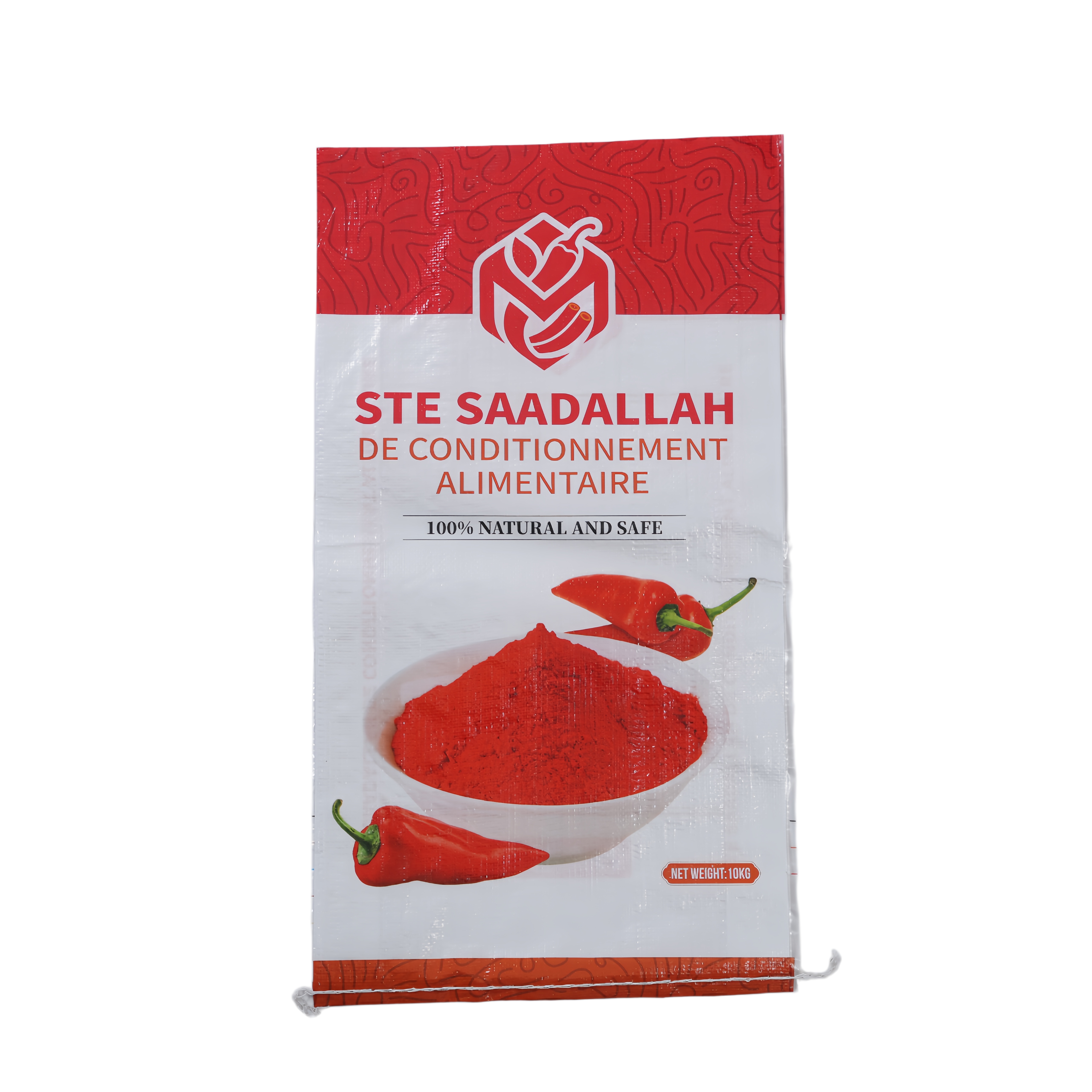
Selecting the optimal lamination thickness for industrial packaging represents a critical balance between material cost and long-term product durability. Whether you are manufacturing laminated woven bags for agriculture, chemicals, food processing, or heavy-duty applications, the thickness of your lamination layer directly impacts both production expenses and end-user satisfaction. Too thin, and your coated woven bag fails prematurely under stress or environmental exposure; too thick, and your manufacturing margins disappear under material waste. This guide explores the engineering principles and practical strategies behind optimizing lamination thickness to achieve both cost efficiency and reliable performance.
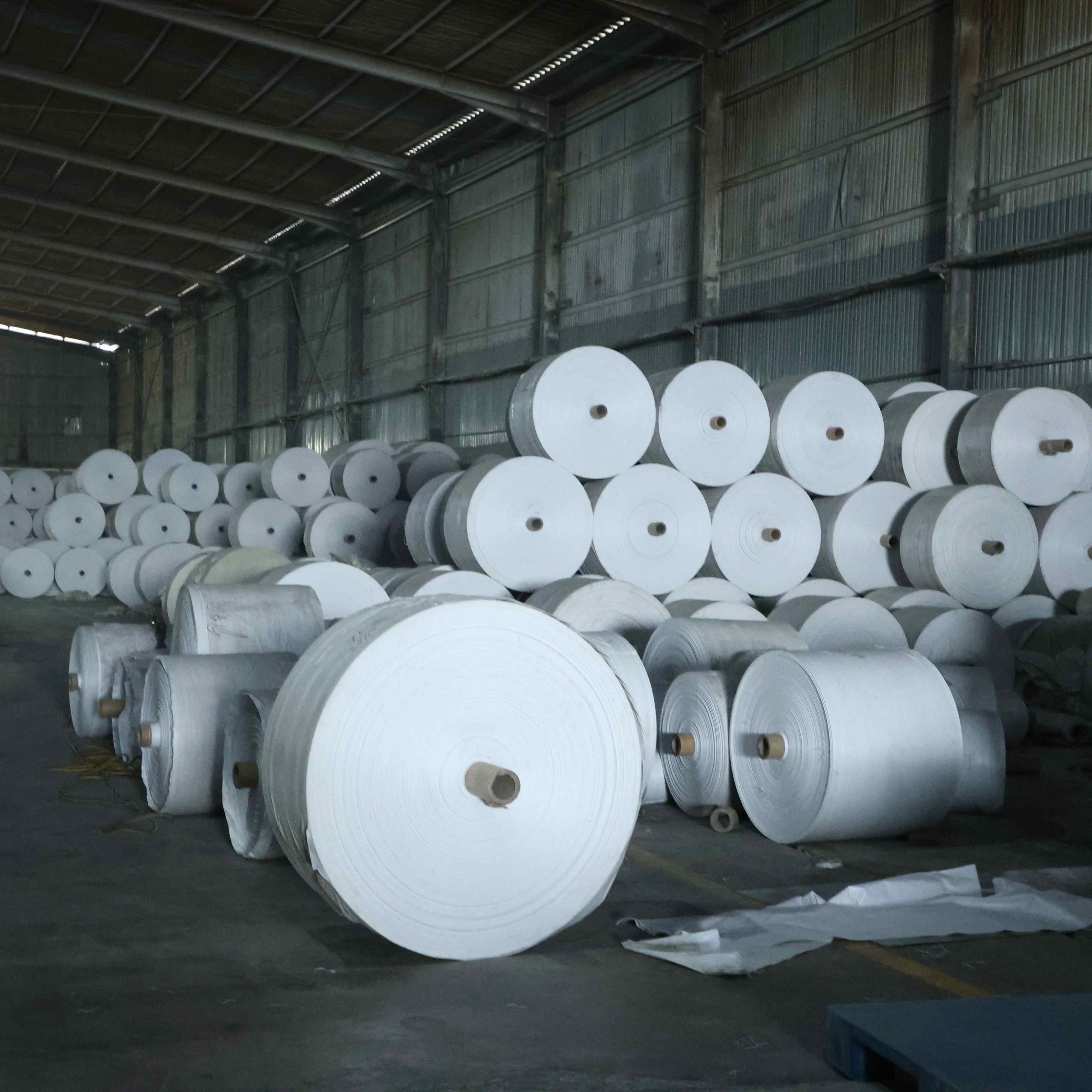
The foundation of this optimization process lies in understanding your specific application requirements. A laminated pp sack destined for chemical transport demands thicker protection than a produce bag, yet both must remain economically viable in their respective markets. By analyzing failure modes, customer feedback, regulatory requirements, and material science data, manufacturers can identify the precise thickness sweet spot where durability thresholds are met without excess material investment.
Lamination creates a protective barrier between the underlying polypropylene substrate and external threats like moisture, oxygen, and light. The thickness of this barrier layer governs its resistance to permeation, puncture, and tear propagation. A waterproof woven bag with 15-micron lamination may provide adequate moisture protection for short-term storage, while industrial applications requiring months of outdoor exposure often demand 25–40 microns. The relationship between thickness and barrier performance is not linear; doubling thickness does not double barrier life, but it does provide measurable improvements in burst strength, tear resistance, and chemical resistance across most polymer systems.
When a laminated packaging bag carries dynamic loads—stacking, handling, transport vibration—the lamination layer works in concert with the woven substrate to distribute and absorb stress. Thicker laminates allow stress to spread more gradually, reducing local strain concentration at weak points in the weave. For heavy-duty applications where bags are stacked 8–12 high in warehouses or transported over rough terrain, this structural contribution becomes economically critical; thinner lamination forces you to upgrade the underlying woven fabric to compensate, eliminating cost savings from reduced lamination. Testing data from industrial supply chains shows that optimized lamination thickness, combined with appropriate weave density, outperforms both under-laminated premium substrates and over-laminated standard substrates by 15–25% in total cost-to-durability ratio.
The raw material cost of lamination increases roughly linearly with thickness, while durability gains follow a logarithmic curve. A coated woven bag with 20-micron lamination costs approximately 8–12% more than a 15-micron equivalent, yet may deliver 40–50% longer field life in harsh environments. The trick is identifying where this curve flattens for your specific use case. If your customers tolerate 12-month product life, optimizing around 18–22 microns usually yields the lowest total cost when accounting for failure rates, warranty claims, and customer retention. If 24-month durability is contractually required, jumping to 28–35 microns becomes economically justified because the alternative—upgrading the woven substrate itself—costs significantly more.
Different industries impose distinct lamination demands. Agricultural laminated pp sacks storing fertilizer in tropical climates face intense UV radiation, high humidity, and mechanical abuse; these typically require 30–40 microns to avoid degradation within a single season. Food-grade laminated packaging bags destined for the interior of climate-controlled warehouses can perform adequately at 15–20 microns. Chemical storage applications demand not only moisture resistance but also chemical impermeability; the lamination thickness must be sufficient to prevent the permeation of aggressive solvents or oils, pushing specifications toward 35–50 microns. Understanding your end customer's actual storage conditions—not their worst-case scenario, but their typical usage pattern—allows you to specify thickness that matches reality rather than fear.
Before committing to a new lamination thickness specification, conduct controlled field trials with representative samples. Deploy waterproof woven bags across 3–4 customer sites with varying storage conditions for 6–12 months, measuring failure rates, degradation patterns, and customer feedback. Compare the trial results against your current production baseline to quantify the durability improvement. If your waterproof woven bag sample set at 22 microns shows 20% fewer failures than your 18-micron standard over 12 months, and material cost increases by only 8%, the optimization is justified. This data-driven approach eliminates guesswork and builds confidence among your sales and engineering teams that lamination adjustments serve genuine customer value rather than arbitrary specification changes.
Once you optimize lamination thickness, establish production controls that maintain consistency within ±2 microns of target specification. Lamination equipment drift over time—dies wear, temperature stability degrades—causing gradual thickness reduction that erodes durability gains. Implement inline thickness measurement at 5–10 points per roll and adjust equipment parameters weekly. Simultaneously, collect failure data from customers for laminated packaging bags in service; focus on root causes like seam breakage, puncture, or lamination delamination to confirm that observed durability matches your theoretical model. If customers report unexpected failures after specification change, thickness variation is often the culprit; tightening production controls frequently resolves the problem before you consider reverting the specification.
Lamination thickness typically ranges from 12–50 microns depending on application. Light-duty laminated pp sacks for flour or sugar operate at 12–18 microns; general-purpose bags for fertilizer or minerals use 20–30 microns; heavy-duty chemical storage and industrial laminated packaging bags demand 35–50 microns or higher. The optimal choice balances cost, customer durability expectations, and actual field conditions rather than following an industry-wide standard.
Lamination thickness increases material cost roughly linearly, typically adding 1–2% to total bag cost per 5 microns of thickness. A 20-micron laminated woven bags costs approximately 8–15% more than an uncoated 100% polypropylene bag of equivalent construction. However, improved durability often justifies this premium by reducing replacement frequency and warranty claims, improving total cost of ownership for end customers.
Partially. A waterproof woven bag with tighter weave (higher denier) and moderate lamination (18–22 microns) may match the barrier performance of loose weave with heavy lamination (35+ microns), but tight weave increases fabric cost and reduces flexibility, making the bag harder to fill and handle. The most economical approach typically combines medium weave density with optimized lamination thickness rather than maximizing either parameter alone.

Discover the 4 critical production metrics—throughput, defect rate, equipment uptime & on-time delivery—to vet factories confidently.

Ensure regulatory compliance & worker safety with proven methods for chemical woven bags—material selection, labeling, storage & training.

Discover the full PP woven bag manufacturing workflow—from extrusion & weaving to printing & QC. Boost efficiency, compliance & ROI. Download the process guide now.

Struggling with weak bags or high material waste? Master extrusion and tape drawing tech for stronger, cheaper PP woven bags. Optimize your production line now.

Struggling with defects or customer returns? Discover the 5 non-negotiable quality checkpoints across your woven bag production line
Which automation tier is right for your PP woven bag factory? Compare manual to Industry 4.0 systems for cost, quality, and scalability.
Get in touch for details on polypropylene woven bags and flexible packaging solutions.
Tel
Address
No.2015, Liaoyuan Building, Lanshan District, Linyi City, Shandong Province.China

