 EN
How to Assess Production Efficiency at a PP Woven Bag Factory
Discover the 4 critical production metrics—throughput, defect rate, equipment uptime & on-time delivery—to vet factories confidently.

2026/09/02
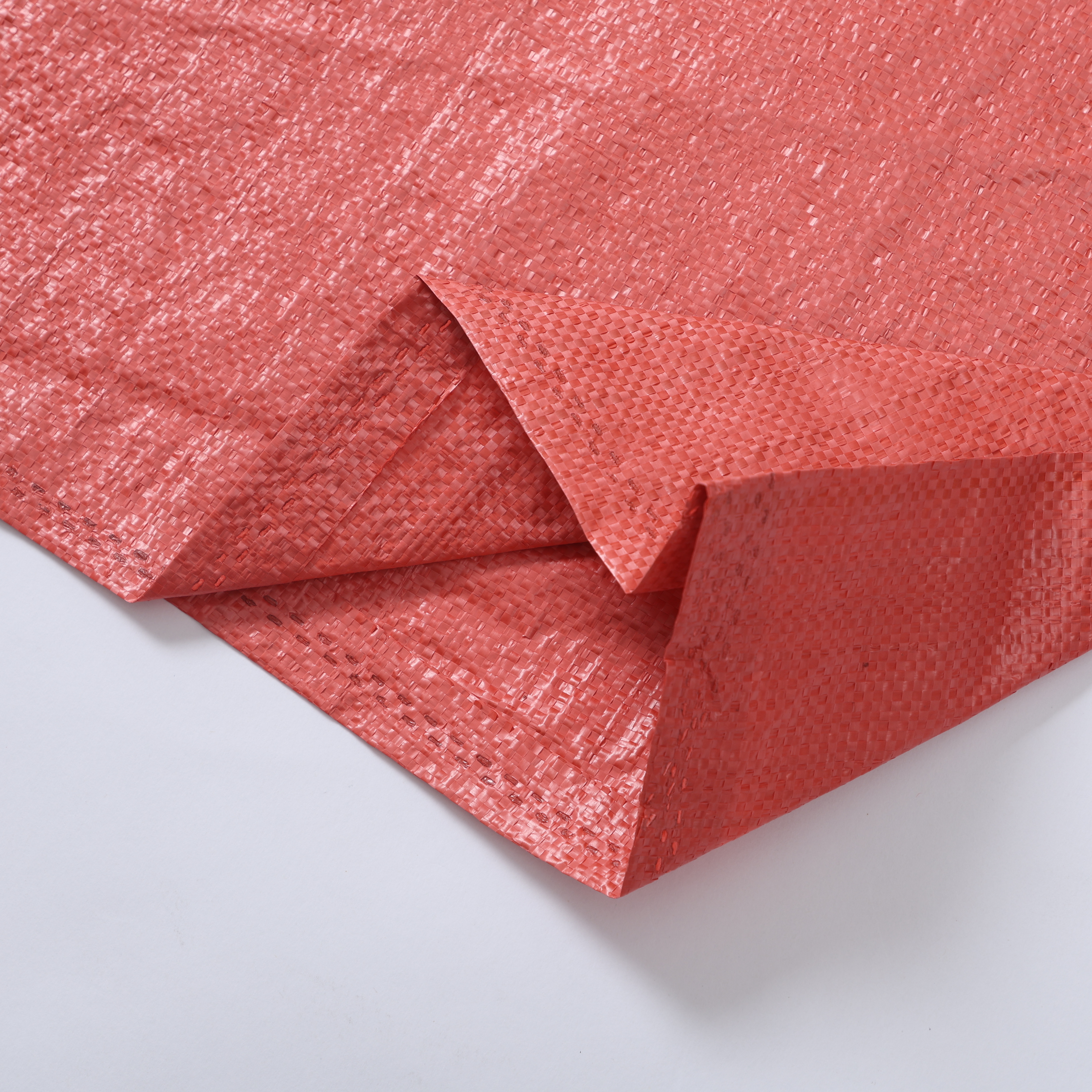
Efficient pallet loading directly impacts warehouse productivity, transportation costs, and supply chain performance. The dimensions of your packaging bag play a critical role in how effectively products fit onto pallets, how securely they stack, and how much vertical space they consume. Optimizing packaging bag dimensions is not merely a logistical consideration—it is a strategic decision that influences profitability across storage, handling, and distribution operations.
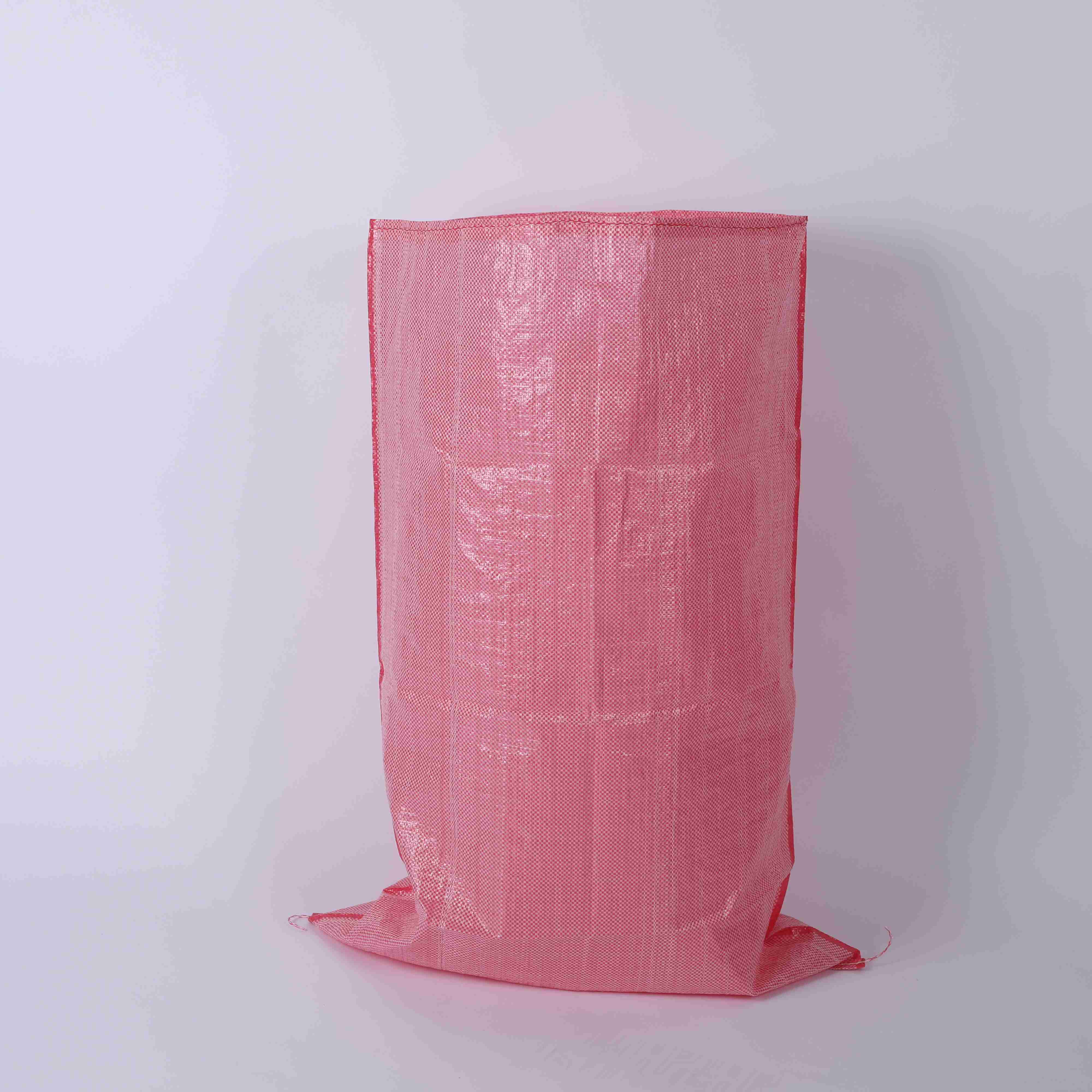
Understanding how to select and configure packaging bag dimensions requires knowledge of pallet standards, product weight distribution, stacking load limits, and warehouse equipment constraints. When a pp packaging bag or industrial packaging bag is sized incorrectly, pallets become unstable, space utilization drops, and handling costs rise. Conversely, properly dimensioned bulk packaging bags create stable unit loads, maximize pallet capacity, and streamline warehouse workflows. This guide explores the practical methods and principles for optimizing packaging bag dimensions to achieve superior pallet loading efficiency.
Standard pallets in North America measure 48 inches by 40 inches, while European pallets measure 1200 millimeters by 800 millimeters. A woven packaging sack or industrial packaging bag must be dimensioned to align with these footprints, ensuring that bags do not overhang edges and destabilize the load. When a pp packaging bag is too large relative to pallet width or length, bags shift during transport, increasing damage risk and reducing stacking height. When bags are too small, space between units creates voids that waste pallet surface area and reduce overall load density.
Pallet efficiency is measured not only by how many bags fit on the base layer but also by how many layers can be safely stacked. An industrial packaging bag must balance weight per unit and dimensional footprint to allow stable vertical stacking without crushing lower bags. For bulk packaging bag applications, this typically means calculating the maximum pallet height (usually 60 inches) minus pallet height (typically 5.5 inches) and dividing by the stacking height of a single layer. A woven packaging sack that is too thick or bulky reduces layers per pallet; conversely, an undersized pp packaging bag may require excessive wrapping or banding, adding cost and complexity.
For a standard 48x40 inch pallet, common configurations place bags in either a 2x2 or 3x3 arrangement per layer. A 24-inch width and 20-inch length suits the 2x2 pattern, while a 16-inch width and 13-inch length works for 3x3 stacking. When specifying an industrial packaging bag, width and length must accommodate the product volume while maintaining precise fit to the pallet footprint. A bulk packaging bag that is even 2 inches oversized per dimension can eliminate an entire row of bags, substantially reducing capacity. Conversely, a pp packaging bag that leaves excessive gaps between units creates shifting and potential spillage during transport and handling.
Gusset height—the expandable side panel of a woven packaging sack—determines how full the bag can be and the footprint when filled. A shallow gusset (3 to 4 inches) creates a compact, box-like shape ideal for stable stacking; a deeper gusset (6 to 8 inches) allows higher fill volumes but increases bulkiness. When designing a packaging bag for pallet loading, the filled height should not exceed the distance available for each layer, accounting for pallet cover, strapping, and shrink-wrap. An industrial packaging bag with a gusset too deep may require only 3 or 4 layers per pallet instead of 5 or 6, significantly reducing throughput. Testing filled bags in your target pallet configuration ensures that actual dimensions match design specifications.
A bulk packaging bag must support its product weight without tearing, puncturing, or deforming under pressure from layers above. A pp packaging bag for heavy products such as grain, sand, or minerals requires a heavier denier weave (typically 120 GSM or higher) and reinforced seams. The dimensional footprint of an industrial packaging bag must not be so large that the bottom layer experiences excessive stress concentration. Smaller footprint areas increase pressure per unit area; a woven packaging sack that is too narrow may rupture under the weight of upper layers, leading to costly product loss and pallet contamination.
Every packaging bag has a maximum safe stacking load, determined by material thickness, seam quality, and fill stability. An industrial packaging bag rated for stacking 5 high should not be pushed to accommodate 6 or 7 layers simply to increase pallet capacity. Exceeding load limits introduces risk of bag rupture, product spillage, and liability for damaged goods in transit. When calculating layer configurations, apply a 10 to 15 percent safety margin below maximum rated capacity to account for handling shock, vibration, and temperature variations. A well-designed bulk packaging bag and load configuration prioritizes reliability over marginal capacity gains.
Before full-scale implementation, conduct pilot pallet loads using your specified pp packaging bag dimensions. Measure actual bag dimensions when filled with your specific product, as fill density and product settlement can affect footprint and height. A woven packaging sack may compress or shift slightly after the first 24 hours; verify stability after pallets have settled. Stack test loads to your planned height and observe behavior under your warehouse handling equipment—forklifts, pallet jacks, and racking systems impose stresses that may not be apparent in static measurement.
Once optimal dimensions are established, document the industrial packaging bag specification in your procurement and operations standards. Include actual measurements (not just nominal), gusset configuration, material weight, and approved pallet stacking patterns. An industrial packaging bag supplier should confirm that production runs consistently meet these dimensions within tight tolerances. When a bulk packaging bag varies by more than half an inch in width or length, pallet stability and layer count can be compromised. Regular audits of incoming bags against your specification ensure that dimension creep does not gradually erode pallet efficiency.
Start with your pallet dimensions (typically 48x40 inches) and divide by your target arrangement (2x2 or 3x3 bags per layer). Subtract approximately 0.5 inches per side for handling clearance, then verify the resulting pp packaging bag footprint against your fill volume and weight capacity. Conduct a pilot load to confirm that the industrial packaging bag dimensions allow stable stacking and proper layer counts. A woven packaging sack should fit snugly without overhang or excessive gaps.
Gusset height determines the filled bag profile and directly affects how many layers fit within your pallet height limit. A shallow gusset creates compact, stable profiles ideal for maximum layers; a deeper gusset accommodates higher fill volumes but reduces layer count. For a bulk packaging bag, choosing the right gusset is a trade-off between fill volume per bag and total bags per pallet. An industrial packaging bag with excessive gusset depth may require only 3 layers instead of 5, lowering pallet throughput even if each bag holds more product.
No. Exceeding the rated stacking capacity of a pp packaging bag or woven packaging sack introduces serious risk of bag rupture, product loss, and supply chain disruption. An industrial packaging bag is engineered with specific material strength and seam quality for a defined load limit. Applying a 10 to 15 percent safety margin below maximum rated capacity ensures reliability across handling, transport, and environmental variations. A bulk packaging bag that fails mid-supply chain creates far greater costs than the marginal capacity gain.

Discover the 4 critical production metrics—throughput, defect rate, equipment uptime & on-time delivery—to vet factories confidently.

Ensure regulatory compliance & worker safety with proven methods for chemical woven bags—material selection, labeling, storage & training.

Discover the full PP woven bag manufacturing workflow—from extrusion & weaving to printing & QC. Boost efficiency, compliance & ROI. Download the process guide now.

Struggling with weak bags or high material waste? Master extrusion and tape drawing tech for stronger, cheaper PP woven bags. Optimize your production line now.

Struggling with defects or customer returns? Discover the 5 non-negotiable quality checkpoints across your woven bag production line
Which automation tier is right for your PP woven bag factory? Compare manual to Industry 4.0 systems for cost, quality, and scalability.
Get in touch for details on polypropylene woven bags and flexible packaging solutions.
Tel
Address
No.2015, Liaoyuan Building, Lanshan District, Linyi City, Shandong Province.China

