 EN
How to Assess Production Efficiency at a PP Woven Bag Factory
Discover the 4 critical production metrics—throughput, defect rate, equipment uptime & on-time delivery—to vet factories confidently.

2026/08/28
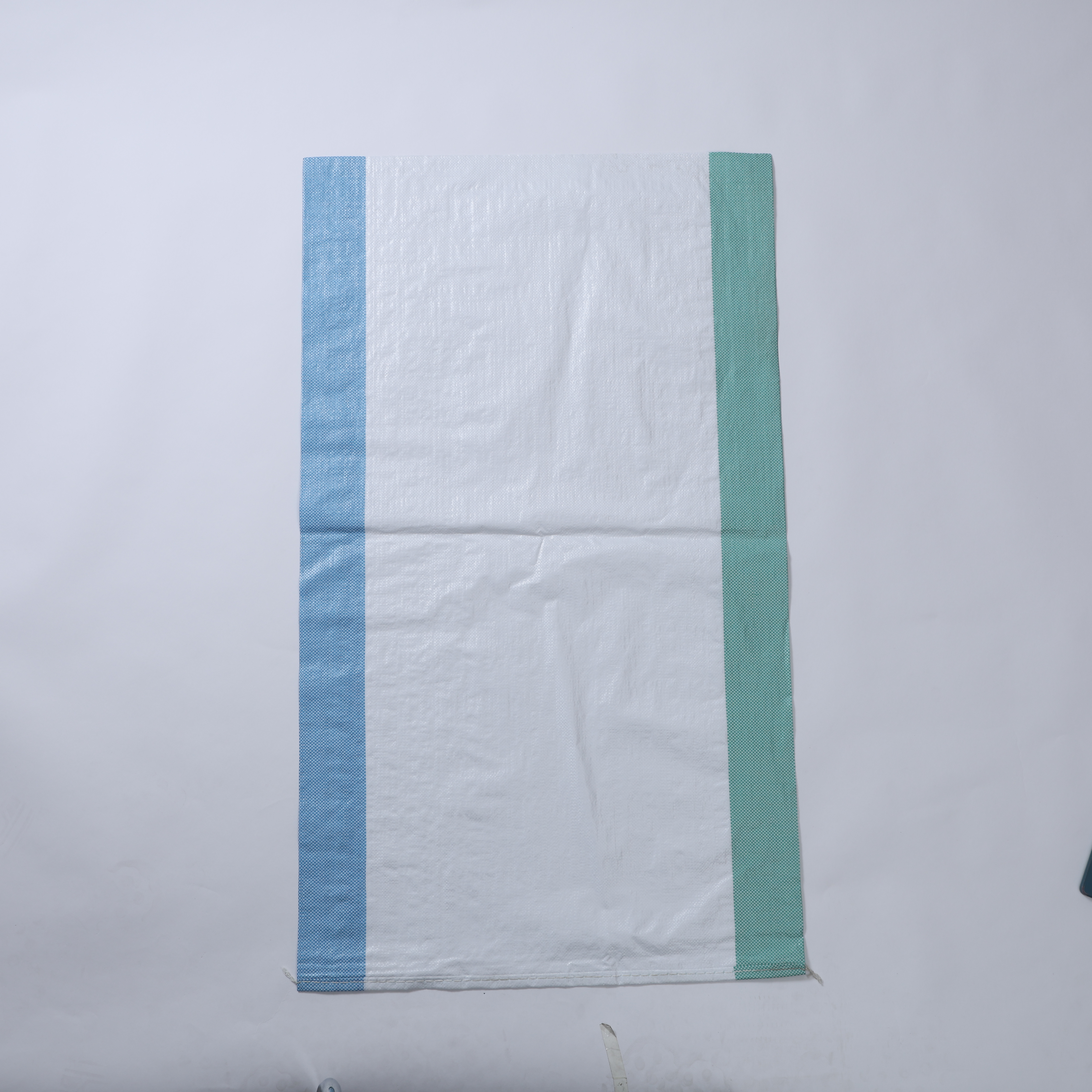
Warehouse storage efficiency depends directly on the structural integrity of the packaging used to hold bulk materials. When goods are stacked multiple meters high, the pressure exerted on lower layers demands careful attention to design specifications. A pp woven bag plays a critical role in this environment, and optimizing its design for stacking stability is essential for preventing product loss, reducing operational disruptions, and maintaining cost-effectiveness throughout the supply chain.
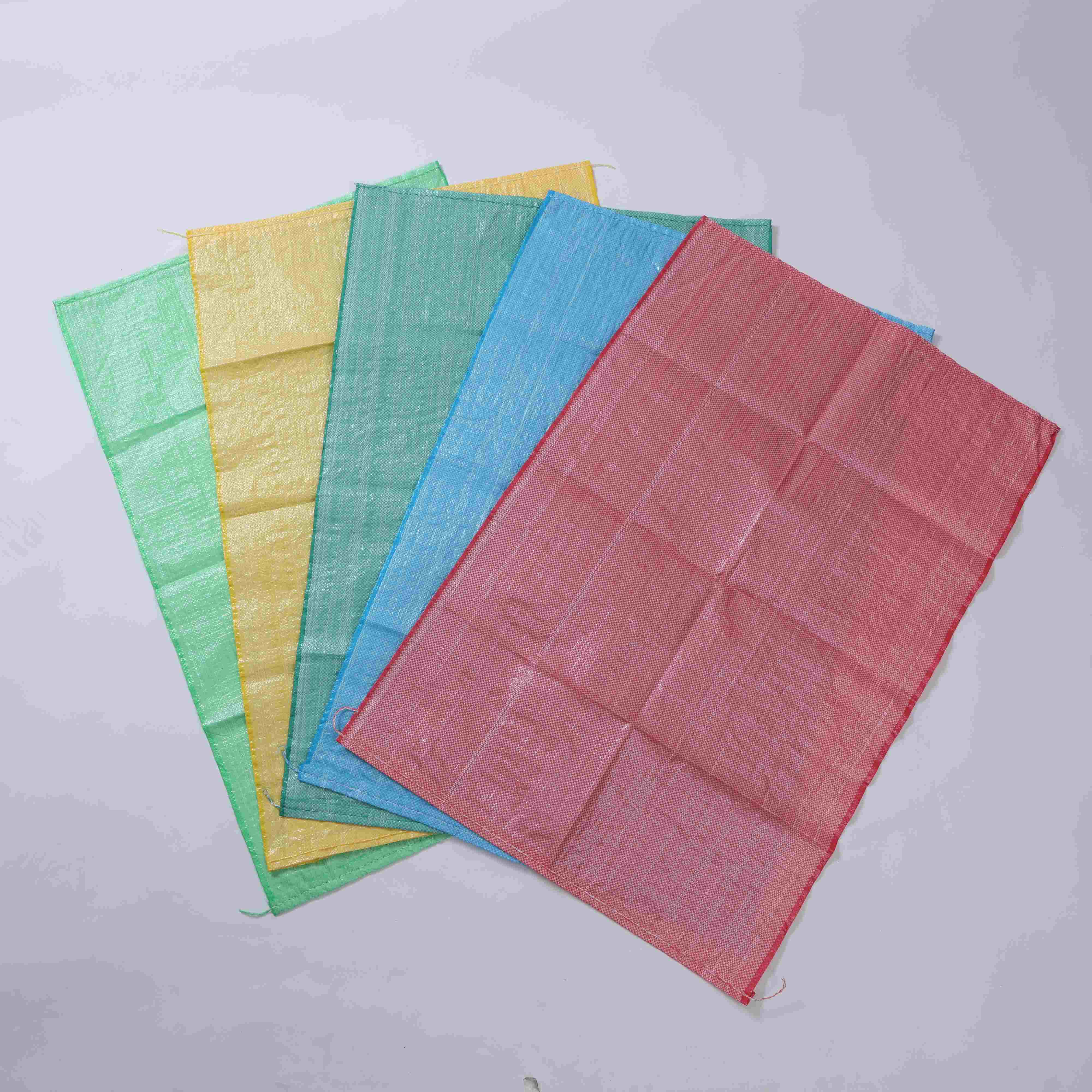
Modern warehouses handle enormous volumes of commodities, chemicals, agricultural products, and industrial materials daily. The polypropylene woven bag has become the industry standard for bulk storage because of its durability, moisture resistance, and cost efficiency. However, not all woven polypropylene packaging designs perform equally under stacking stress. Understanding how to optimize pp bulk bag construction ensures that products remain stable, protected, and accessible throughout storage and handling operations, regardless of warehouse conditions or storage duration.
When bags are stacked in warehouses, the weight of upper layers creates cumulative pressure on lower units. A single polypropylene woven bag at the bottom may support loads equivalent to twenty times its own weight. The pp woven sack must distribute this pressure evenly across its base and sidewalls to prevent localized stress points that cause rupture or deformation. Structural design must account for both static weight and dynamic forces generated during forklift handling, transport vibration, and thermal expansion from temperature changes.
The pp bulk bag's ability to maintain integrity depends on several interconnected variables. Bag material density, weave pattern tightness, gusset configuration, and base reinforcement all influence how safely goods can be stacked. Environmental conditions such as humidity, temperature fluctuations, and exposure to sunlight affect polypropylene woven packaging performance over time. Warehouse operators must consider product weight, moisture content, and duration of storage when calculating maximum stack heights for any given woven polypropylene packaging design.
The foundation of any stable pp woven bag begins with its base panel configuration. Multi-ply construction in the bottom layers significantly improves load-bearing capacity compared to single-layer designs. Adding additional woven strands or laminate layers to the base creates a structure capable of supporting greater compression forces without puncturing. The pp woven sack base must be precisely engineered to prevent settling or flattening when stacked, which would compromise the integrity of upper layers and create safety hazards for warehouse personnel.
Gussets are the expandable side panels that give polypropylene woven bag its dimensional stability. Properly designed gussets prevent the bag from collapsing inward under pressure, maintaining a uniform cubic shape that supports even weight distribution across all stacked units. Reinforcing gusset seams with additional stitching and using tighter weave patterns in these critical areas enhances the pp bulk bag's ability to withstand lateral forces during stacking and unloading. The woven polypropylene packaging gusset design must balance flexibility for filling and sealing with rigidity needed for stacking stability.
Seam integrity determines whether a pp woven bag maintains its structural integrity under sustained pressure. Double-stitched or triple-stitched seams provide redundancy that prevents catastrophic failure if one stitch line fails. The seams must use polyester or polypropylene thread compatible with the bag material to prevent degradation over time. Consistent stitch length and tension across all seams in the polypropylene woven packaging ensures uniform load distribution and eliminates weak points that could lead to unexpected failures during warehouse operations.
Manufacturers of pp bulk bags must conduct rigorous testing before products reach warehouses. Static compression testing measures how much weight a single pp woven bag can support before deformation becomes unacceptable. Dynamic stacking tests simulate real warehouse conditions by subjecting bags to repeated pressure cycles, vibration, and temperature variations. These tests verify that the polypropylene woven bag design maintains dimensional consistency and structural integrity throughout the expected storage and handling cycle, ensuring reliable performance across diverse warehouse environments and operational scenarios.
Proper stacking techniques maximize the benefits of optimized pp woven sack design. Operators should ensure bags are filled evenly to prevent unbalanced weight distribution that creates stress concentrations. Palletizing goods on rigid bases rather than loose stacking improves overall stability by providing structural support independent of individual bag performance. Regular inspection of stacked pp bulk bags for signs of wear, settling, or deformation allows early detection of potential failures before accidents occur. Rotating inventory regularly prevents prolonged pressure exposure that could gradually weaken even high-quality woven polypropylene packaging over extended storage periods.
A well-designed pp woven bag protects both products and personnel by preventing unexpected failures during stacking and handling. When polypropylene woven bag construction includes reinforced bases, quality gussets, and secure seams, the risk of bag rupture decreases significantly. This protects the contents from contamination and exposure while reducing safety hazards for workers. Optimized woven polypropylene packaging also minimizes product loss and waste, directly improving warehouse economics and operational reliability.
Maximum stacking height depends on the specific pp bulk bag design, material weight capacity, product type, and warehouse conditions. Standard commercial woven polypropylene packaging typically supports stacks of six to eight layers, equivalent to heights of 1.5 to 2 meters. Heavy-duty pp woven sack designs engineered specifically for stacking can safely accommodate higher stacks, though operational considerations and warehouse ceiling height may impose practical limits. Consultation with the bag manufacturer provides the most reliable guidance for your specific application and product requirements.
Temperature fluctuations cause polypropylene woven bag material to expand and contract, potentially creating stress points in seams and weakening structural integrity. Moisture exposure can affect the pp bulk bag's grip and surface properties, reducing friction between stacked units and increasing slip risk. Extended UV exposure from sunlight degrades the woven polypropylene packaging material gradually, reducing its load-bearing capacity. To maintain stable stacking conditions, warehouses should store pp woven bags in climate-controlled environments protected from direct sunlight, and rotate inventory regularly to prevent prolonged stress on individual units.

Discover the 4 critical production metrics—throughput, defect rate, equipment uptime & on-time delivery—to vet factories confidently.

Ensure regulatory compliance & worker safety with proven methods for chemical woven bags—material selection, labeling, storage & training.

Discover the full PP woven bag manufacturing workflow—from extrusion & weaving to printing & QC. Boost efficiency, compliance & ROI. Download the process guide now.

Struggling with weak bags or high material waste? Master extrusion and tape drawing tech for stronger, cheaper PP woven bags. Optimize your production line now.

Struggling with defects or customer returns? Discover the 5 non-negotiable quality checkpoints across your woven bag production line
Which automation tier is right for your PP woven bag factory? Compare manual to Industry 4.0 systems for cost, quality, and scalability.
Get in touch for details on polypropylene woven bags and flexible packaging solutions.
Tel
Address
No.2015, Liaoyuan Building, Lanshan District, Linyi City, Shandong Province.China

