 EN
How to Assess Production Efficiency at a PP Woven Bag Factory
Discover the 4 critical production metrics—throughput, defect rate, equipment uptime & on-time delivery—to vet factories confidently.

2026/08/11

Designing a rice bag that works seamlessly with automated filling lines is a critical challenge for grain processors and packaging operations. The compatibility between rice packaging bag specifications and filling equipment directly impacts throughput, waste reduction, and operational cost. When a rice bag fails to align with automated systems, the consequences span from jammed conveyor systems to product spillage, line downtime, and increased labor costs. Understanding how to optimize rice bag design for automation is no longer optional in modern grain handling facilities.
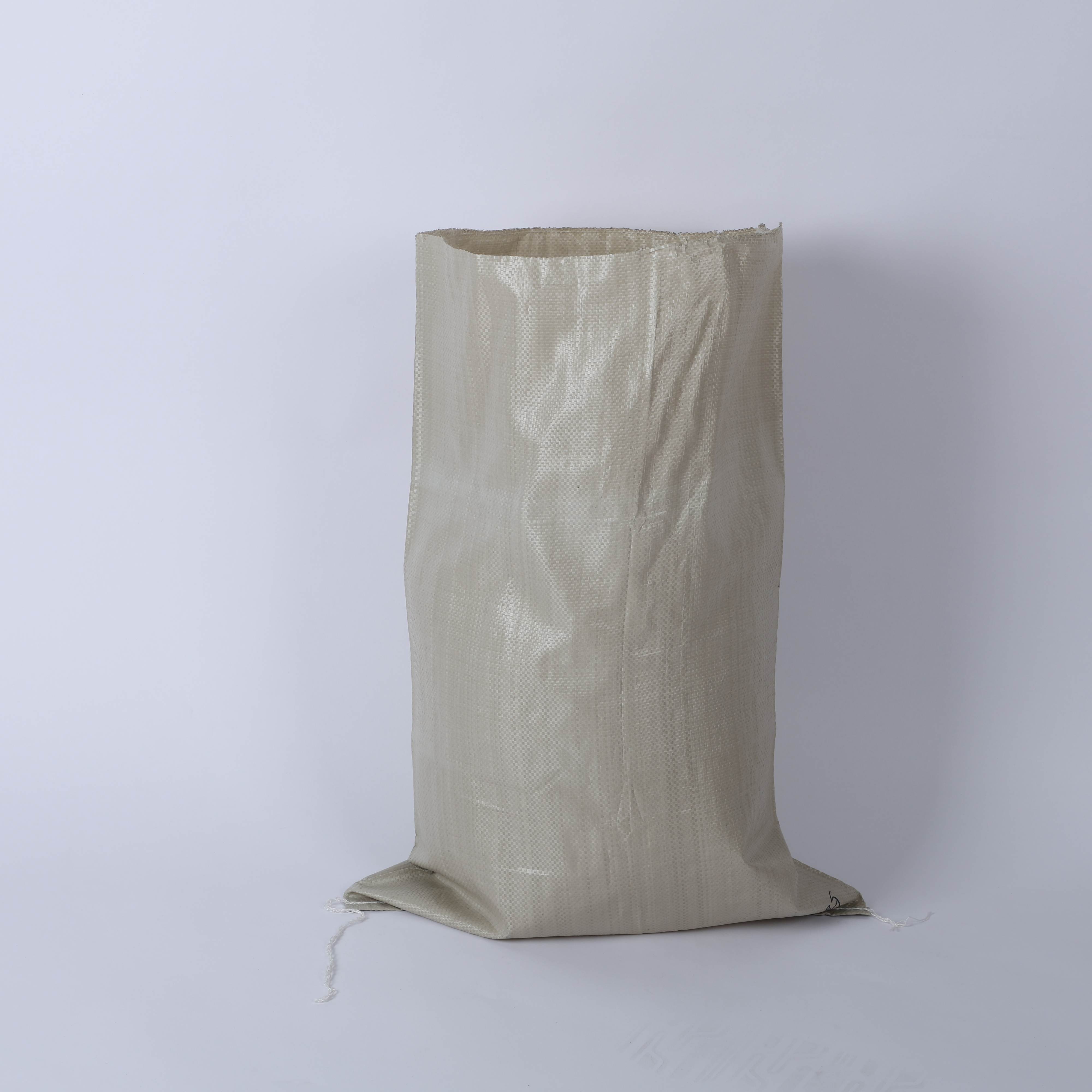
Automated filling lines demand precision in every dimension and material characteristic of a rice woven bag. Modern grain storage bag systems rely on consistent bag geometry, material tensile strength, and feature compatibility to maintain production velocity. The integration of rice packaging specifications into automated workflows requires collaboration between packaging engineers and line operators, with attention to dimensional tolerances, sealing compatibility, and material durability. This article explores the essential design factors that ensure your rice sack performs optimally within high-speed automated environments.
The physical dimensions of a rice bag directly govern whether it feeds smoothly through automated filling equipment. Standard rice woven bag sizes range from 25 kg to 50 kg capacity, with precise width, length, and gusset specifications that match conveyor widths and chute openings. When a pp rice sack deviates from these standards, feed mechanisms struggle to grip and position the bag correctly, leading to misalignment and jamming. Manufacturers must specify dimensions that align with the forming, filling, and sealing stations in the automated line.
Gusset depth and bag opening width are particularly critical for rice packaging bag automation. The opening must be wide enough to accept the fill spout without resistance, yet rigid enough to maintain position during rapid filling. A grain storage bag with improper gusset proportions collapses during filling or slips sideways, disrupting the entire production flow. Coordinating with equipment manufacturers to confirm bag dimensions before bulk production prevents costly field failures.
The rice sack opening must accommodate the diameter and geometry of the filling spout used in your automated line. Most modern systems employ spout sizes ranging from 50 mm to 100 mm, with the rice bag opening designed to create a secure seal around the spout during the fill cycle. A pp rice sack with a too-small opening causes friction and pressure buildup, while an oversized opening allows product to escape and reduces seal integrity. Material stiffness around the opening perimeter is essential; softer films collapse inward and obstruct the spout.
Many automated systems incorporate sensors that detect when a rice packaging bag is correctly positioned on the spout. These sensors rely on consistent bag geometry and opening shape. When a grain storage bag lacks dimensional uniformity, sensor signals become unreliable, triggering false stops or allowing misaligned bags to proceed to the sealing station where they fail and contaminate the production line.
The material composition of a rice woven bag directly influences its performance in automated systems. High-quality pp rice sack materials feature consistent weave density that resists puncture and maintains structural integrity under dynamic line conditions. When bags are subjected to rapid positioning, filling forces, and conveyor friction during automation, weak materials rupture or develop micro-tears that compromise the filled package. Tensile strength must exceed the stress loads imposed by the filling process, including the weight of rice and the pneumatic or mechanical forces applied during sealing.
Material thickness uniformity is equally important. A rice packaging bag with inconsistent thickness creates weak points where tears initiate during transport or handling. Automated systems exert consistent pressure and stress across the entire bag surface; thin areas fail predictably. Quality control testing should verify tensile strength, tear resistance, and burst strength according to industry standards such as ASTM D6775 to ensure the rice bag meets automated line demands.
Environmental conditions within an automated filling facility influence the performance of a grain storage bag during operation. High humidity or temperature fluctuations can affect material rigidity and seal formation. A pp rice sack with inadequate barrier properties may allow moisture infiltration, compromising both the package integrity and the quality of stored rice. Modern automated systems often operate in climate-controlled environments, but the rice bag material must still maintain dimensional stability and seal performance across the expected range of conditions.
The moisture vapor transmission rate (MVTR) of a rice woven bag affects how well the sealed package protects product during storage after automation is complete. While this is not directly an automated line issue, specifying materials with appropriate barrier properties ensures the finished package meets industry shelf-life requirements and customer expectations.
Most automated filling systems require a heat-sealable surface on the rice packaging bag. A heat seal coat applied to the inner surface of the pp rice sack enables rapid thermal sealing after filling. The coat consistency and thickness must be uniform across the entire sealing edge; inconsistent coating results in partial seals that leak or weak seals that break during transport. Automated sealing stations apply consistent heat and pressure; the rice bag must respond predictably to this standardized treatment.
The sealing strip width affects how quickly the automated sealing head can engage the rice woven bag and create a secure closure. Standard widths range from 20 mm to 50 mm, depending on the line equipment. A grain storage bag with a sealing surface that is too narrow may slip past the sealing dies, while an excessively wide sealing region wastes material and slows production speed. Specifying the correct sealing strip configuration for your equipment prevents delays and ensures consistent package quality.
Some automated filling systems incorporate built-in handles or zipper closures on the rice bag to enhance user convenience and product handling after packaging. If your facility uses these features, the handles must be securely attached and positioned so they do not interfere with the filling or sealing process. A pp rice sack handle that is misaligned or poorly stitched can catch on conveyor rollers or block the sealing mechanism. Testing prototype bags with the actual automated equipment is essential before committing to large production runs.
Zipper closures, when integrated into a rice packaging bag design, must operate smoothly during automated filling and sealing. Some systems require the zipper to remain open during the fill cycle; others seal it before or after the thermal seal application. The rice woven bag must accommodate all these mechanical requirements without material degradation or dimensional changes.
Critical dimensions include overall bag length and width, gusset depth, opening diameter, and sealing strip width. These must align precisely with your equipment manufacturer's specifications. For a standard 50 kg rice packaging bag, common dimensions are 600 mm length by 380 mm width with a 120 mm gusset and a 50 mm opening. Always confirm exact specifications with your equipment supplier before production.
Material tensile strength, tear resistance, and thickness uniformity directly impact automated line reliability. A high-quality pp rice sack with consistent weave density resists puncture and maintains structural integrity during rapid filling and handling. Weak or inconsistent materials rupture under dynamic stress, causing spillage, line jams, and production downtime. Quality materials reduce waste and increase line efficiency significantly.
Automated sealing stations apply consistent heat and pressure to create thermal seals on the rice woven bag. Inconsistent or insufficient heat-seal coating results in partial seals that leak during storage or transport. Uniform coating thickness across the entire sealing edge ensures every rice packaging bag meets seal strength requirements and maintains product integrity throughout distribution and shelf life.

Discover the 4 critical production metrics—throughput, defect rate, equipment uptime & on-time delivery—to vet factories confidently.

Ensure regulatory compliance & worker safety with proven methods for chemical woven bags—material selection, labeling, storage & training.

Discover the full PP woven bag manufacturing workflow—from extrusion & weaving to printing & QC. Boost efficiency, compliance & ROI. Download the process guide now.

Struggling with weak bags or high material waste? Master extrusion and tape drawing tech for stronger, cheaper PP woven bags. Optimize your production line now.

Struggling with defects or customer returns? Discover the 5 non-negotiable quality checkpoints across your woven bag production line
Which automation tier is right for your PP woven bag factory? Compare manual to Industry 4.0 systems for cost, quality, and scalability.
Get in touch for details on polypropylene woven bags and flexible packaging solutions.
Tel
Address
No.2015, Liaoyuan Building, Lanshan District, Linyi City, Shandong Province.China

