 EN
How to Assess Production Efficiency at a PP Woven Bag Factory
Discover the 4 critical production metrics—throughput, defect rate, equipment uptime & on-time delivery—to vet factories confidently.

2026/08/26

Optimizing workflow layout inside a PP woven bag factory represents one of the most critical operational decisions in modern manufacturing. The physical arrangement of machinery, workstations, and material flow directly impacts production efficiency, worker safety, quality consistency, and overall profitability. In today's competitive bulk bag manufacturing landscape, companies that invest time in thoughtful facility layout design gain measurable advantages in throughput, labor productivity, and cost management.
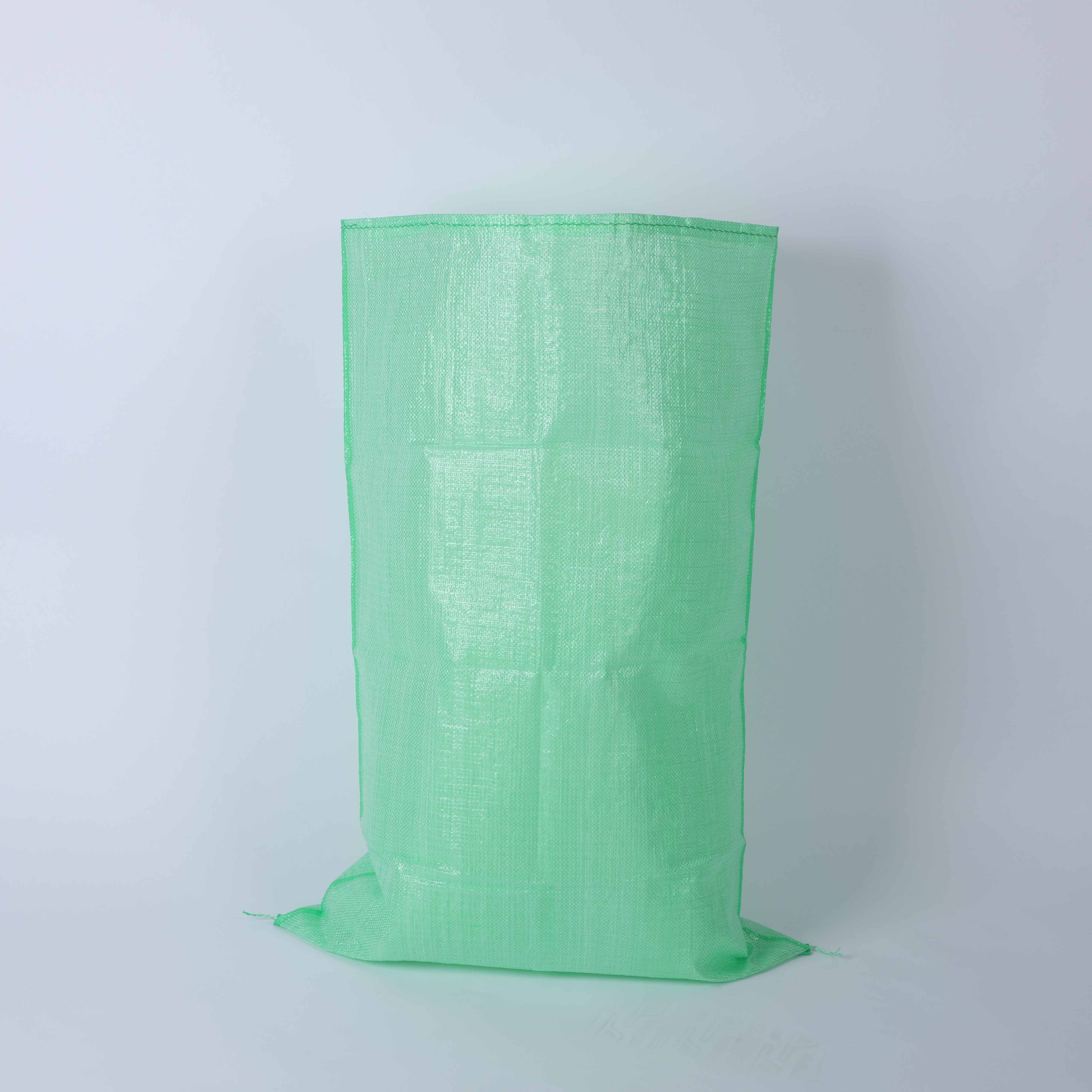
A well-planned woven bag production line minimizes material handling time, reduces bottlenecks, and ensures smooth transitions between raw material intake, weaving, printing, coating, and bag assembly stages. This comprehensive guide explores practical strategies for designing and implementing an effective workflow layout that drives measurable operational performance.
The foundation of any successful pp bag manufacturing operation begins with understanding the core principles of lean facility layout. The primary goal is to arrange equipment and workstations in a sequence that mirrors the natural flow of materials from raw polypropylene through finished bag output. This linear or semi-linear arrangement minimizes backtracking, reduces inventory piling, and accelerates cycle time. A custom woven bag factory must account for specific production requirements, batch sizes, and product variations when designing this flow pattern.
Distance and movement efficiency form the second critical principle. Every step a worker takes, every meter material travels, and every minute a product waits between operations represents potential waste. By positioning complementary equipment close together, organizing storage zones strategically, and creating clear traffic pathways, facilities reduce non-value-added time significantly. This approach directly translates to lower labor costs per unit and faster order fulfillment for bulk bag manufacturing clients.
Vertical space optimization often gets overlooked in woven bag production line planning. While machinery footprints are relatively fixed, intelligent racking systems, elevated storage, and multi-level material handling infrastructure can dramatically increase throughput without expanding the building envelope. Equipment positioning should consider maintenance access, safety clearance requirements, and operator ergonomics. In a well-designed pp bag manufacturing environment, workers can perform their duties without repetitive strain, excessive reaching, or awkward positioning that reduces focus and increases error rates.
Heat and humidity management also influences layout decisions within a custom woven bag factory. Equipment that generates significant heat—such as coating or heat-setting stations—should be positioned to allow proper ventilation and cooling airflow. Moisture-sensitive materials benefit from climate-controlled zones. Strategic layout design accounts for these environmental factors, protecting product quality while maintaining worker comfort and equipment longevity.
The entry point for raw materials sets the tone for the entire production workflow. Receiving zones in a woven bag production line should be positioned for easy truck access, quick unloading, and minimal material movement before storage. Large rolls of polypropylene film and spools of thread require dedicated receiving protocols, proper environmental protection, and organized inventory tracking. By designing the receiving area with clear delineation between incoming, inspected, and ready-to-use material, a pp bag manufacturing facility reduces confusion, prevents damage, and accelerates material flow into production.
Storage organization directly impacts production velocity. A custom woven bag factory should employ just-in-time inventory principles, where materials are staged close to consumption points but not so far upstream that they occupy expensive floor space. Vertical racking, labeled compartments, and first-in-first-out rotation systems ensure materials reach production zones in sequence. This systematic approach within bulk bag manufacturing operations reduces inventory carrying costs while maintaining reliable material availability.
The sequence of production stages must reflect the inherent process requirements of pp bag manufacturing. Raw materials typically progress through extrusion, weaving, printing, coating, drying, cutting, and sewing stages before final packaging. Each stage has different footprint requirements, cycle times, and output rates. Line balancing ensures that no single station creates chronic bottlenecks. If weaving capacity exceeds printing capacity, finished woven fabric will accumulate, consuming space and tying up working capital. Conversely, if printing lags, weaving stations sit idle, reducing efficiency.
A woven bag production line achieves optimal balance when each workstation's output rate closely matches the next station's input capacity. Modern facilities use data analytics to monitor actual cycle times, identify constraints, and make informed layout adjustments. This continuous improvement mindset transforms a basic production arrangement into a responsive system that adapts to changing product mix and demand patterns. Within a custom woven bag factory or bulk bag manufacturing operation, this flexibility directly translates to faster order turnaround and higher customer satisfaction.
Workstation design within a PP woven bag factory directly influences both productivity and safety outcomes. Each operator should have clear line-of-sight to material inputs, quality checkpoints, and output areas. Ergonomic height adjustments, proper lighting, and anti-fatigue flooring reduce strain injuries and maintain focus throughout shifts. In a woven bag production line, stations should be positioned to minimize repetitive reaching or bending, which causes fatigue and quality issues over time. Safety barriers, emergency stop controls, and first-aid stations must be readily accessible yet not intrude on workflow efficiency.
Training and cross-training become more effective when workstations are similarly organized. A pp bag manufacturing facility that standardizes control layouts, material feed mechanisms, and quality inspection protocols across stations allows workers to move seamlessly between positions. This flexibility supports shift coverage, reduces bottlenecks from individual absences, and enables faster response to changing production demands. Within custom woven bag factory environments, this adaptability is a competitive advantage.
Embedding quality checkpoints directly into the workflow layout prevents defective products from advancing to subsequent stages. Rather than isolating final inspection at the end of the bulk bag manufacturing line, a modern woven bag production line incorporates in-process quality checks at critical transitions. Operators can verify weave consistency, printing alignment, coating thickness, and stitching quality at the point where issues originate. This real-time feedback loop reduces scrap, minimizes rework, and ensures finished products meet customer specifications consistently.
Measurement and testing equipment should be positioned within immediate reach of relevant stations. A custom woven bag factory that requires tensile strength verification, color matching, or dimensional accuracy can integrate these checks without creating separate logistics lines. By making quality verification convenient and immediate, facilities encourage operators to take ownership of product integrity rather than viewing quality as someone else's responsibility downstream.
Workflow layout directly affects labor costs, material waste, equipment utilization, and inventory carrying costs. An optimized woven bag production line minimizes unnecessary handling, reduces defects, and accelerates throughput. Workers spend less time moving materials and more time on value-added activities. Lower scrap rates and faster cycle times reduce cost per unit significantly. In bulk bag manufacturing, these efficiency gains compound across high-volume production runs, creating substantial bottom-line improvements.
Equipment spacing in a pp bag manufacturing facility influences material handling time, workflow flexibility, and maintenance accessibility. Optimal spacing balances proximity for efficient material transfer against sufficient clearance for equipment service and safety. A custom woven bag factory that positions complementary machinery close together reduces in-process material handling time. Adequate spacing ensures technicians can perform maintenance without disrupting adjacent operations, reducing unplanned downtime.
Yes, strategic layout design supports quality consistency by reducing handling damage, enabling real-time inspection, and minimizing material storage duration. In a woven bag production line, shorter material transport distances and faster stage transitions reduce environmental exposure that can compromise product characteristics. Embedding quality checkpoints into the physical workflow layout makes inspections routine rather than afterthoughts, catching defects early before they propagate through the system. A custom woven bag factory or bulk bag manufacturing operation that integrates quality into facility design achieves superior defect rates and higher customer satisfaction.
Discover the 4 critical production metrics—throughput, defect rate, equipment uptime & on-time delivery—to vet factories confidently.

Ensure regulatory compliance & worker safety with proven methods for chemical woven bags—material selection, labeling, storage & training.

Discover the full PP woven bag manufacturing workflow—from extrusion & weaving to printing & QC. Boost efficiency, compliance & ROI. Download the process guide now.

Struggling with weak bags or high material waste? Master extrusion and tape drawing tech for stronger, cheaper PP woven bags. Optimize your production line now.

Struggling with defects or customer returns? Discover the 5 non-negotiable quality checkpoints across your woven bag production line
Which automation tier is right for your PP woven bag factory? Compare manual to Industry 4.0 systems for cost, quality, and scalability.
Get in touch for details on polypropylene woven bags and flexible packaging solutions.
Tel
Address
No.2015, Liaoyuan Building, Lanshan District, Linyi City, Shandong Province.China

