 EN
How to Assess Production Efficiency at a PP Woven Bag Factory
Discover the 4 critical production metrics—throughput, defect rate, equipment uptime & on-time delivery—to vet factories confidently.

2026/08/17
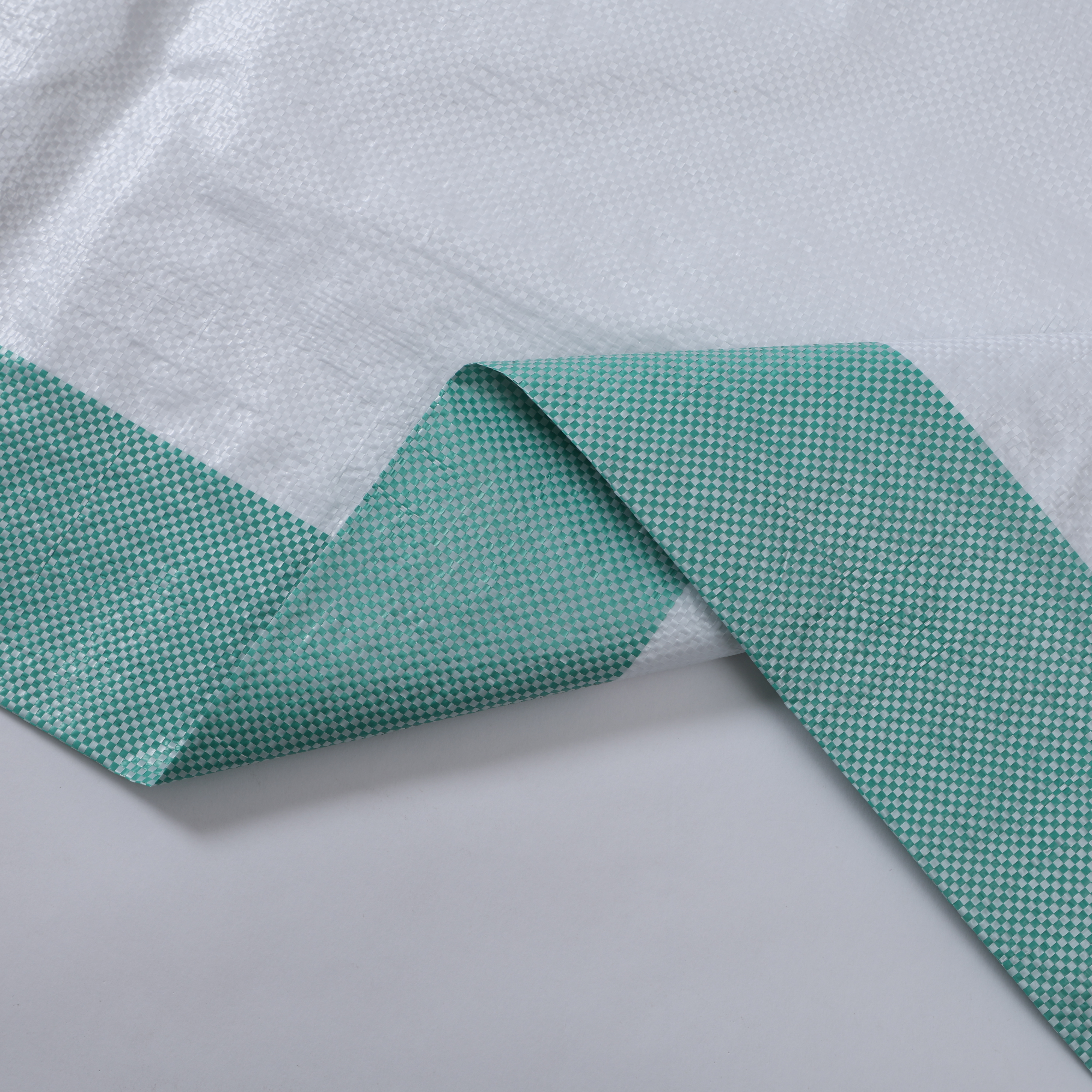
Coastal environments present unique challenges for storing and transporting salt products. Humidity, salt spray, and moisture penetration can compromise product quality, packaging integrity, and supply chain efficiency. Choosing between PE lined and standard salt bags requires understanding how each design performs under marine conditions and what protection your specific operation demands.
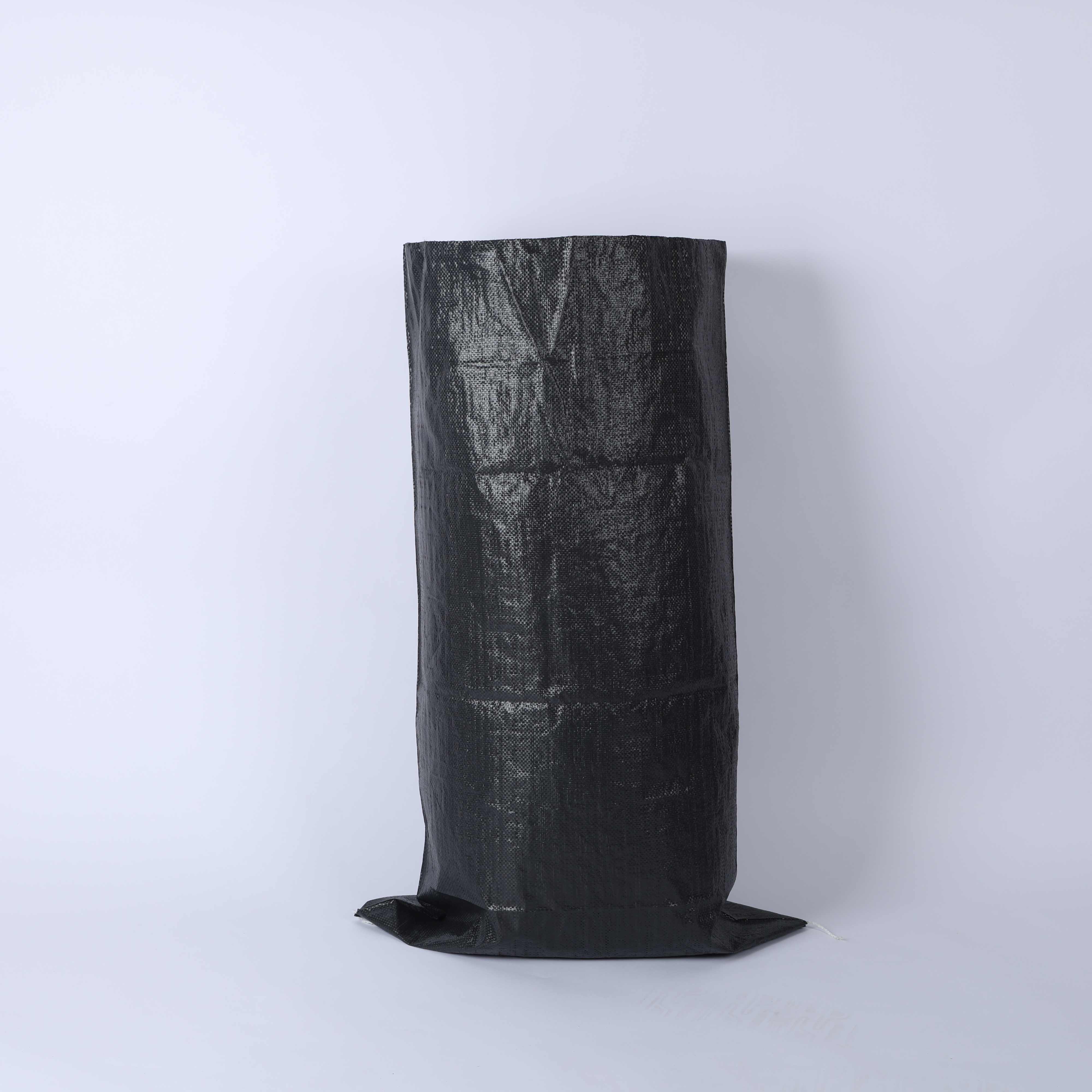
The decision between these two salt packaging bag options directly impacts moisture protection, cost efficiency, shelf life, and customer satisfaction. This guide examines both approaches, exploring their technical advantages, performance limits, and practical application in coastal salt distribution networks.
PE lined salt sacks incorporate a polyethylene film layer inside a woven polypropylene structure, creating a dual-barrier system. The interior PE coating prevents moisture vapor from penetrating the salt bag, while the exterior pp salt sack fabric provides mechanical strength and puncture resistance. This combination is particularly effective in coastal environments where relative humidity often exceeds 80 percent and salt spray introduces corrosive salts into the atmosphere.
The PE lining acts as a vapor barrier that blocks moisture migration from the external environment into the salt product. Even when exposed to persistent humidity, temperature fluctuations, and salt-laden air, the polyethylene layer maintains its integrity and keeps the internal salt crystals dry. This protection extends shelf life, prevents clumping, and preserves the quality of the salt bags throughout storage and transit.
PE lined salt packaging bags typically achieve moisture vapor transmission rates (MVTR) below 5 grams per square meter per 24 hours when tested under standard conditions. In coastal settings, this translates to reliable protection even during extended storage periods on docks, in warehouses near the shoreline, or on vessels. The pp salt sack exterior adds durability against mechanical damage, UV exposure, and the rough handling common in maritime logistics.
Food grade woven bags with PE lining also maintain structural integrity when exposed to salt spray corrosion. The polyethylene layer prevents direct contact between the woven fabric and the corrosive salt environment, reducing degradation and extending the bag's usable lifespan. This durability advantage becomes significant when salt bags are stored in open-air coastal facilities or transported on container ships where environmental exposure is unavoidable.
Standard salt woven bags consist of polypropylene fibers woven into a matrix without any internal moisture barrier. The fabric structure, while providing excellent mechanical strength and handling characteristics, remains inherently permeable to water vapor. In coastal humidity conditions, moisture vapor naturally migrates through the woven structure toward the drier salt product, leading to gradual product degradation and packaging failure.
Unlined salt bags absorb moisture at rates significantly higher than PE lined alternatives, sometimes exceeding 20 grams per square meter per 24 hours in high-humidity marine environments. This moisture ingress causes salt crystals to aggregate, reduces product flowability, and can create hard clumps that compromise the salt's commercial value. For bulk salt applications or extended coastal storage, standard bags offer limited protection against the atmospheric moisture that defines maritime climates.
Standard salt packaging bags cost considerably less than PE lined alternatives because they eliminate the polyethylene layer manufacturing step. For short-term applications, rapid inventory turnover, or inland distribution where humidity remains moderate, the cost savings justify accepting higher moisture risk. However, in coastal regions or for salt intended for food grade woven bag applications where moisture sensitivity is critical, the price advantage of standard bags diminishes quickly when accounting for product loss and customer returns.
Some salt operations use standard bags for temporary staging or direct-use applications where salt will be consumed within days of packaging. In these scenarios, moisture absorption remains minimal, and unlined pp salt sack designs provide sufficient protection. Conversely, salt businesses serving coastal markets, extended storage facilities, or export operations requiring lengthy ocean transit should expect that standard bags will struggle to maintain product integrity under persistent humidity exposure.
Coastal regions experience humidity levels that reach 85 to 95 percent relative humidity during certain seasons, combined with salt spray that accelerates corrosion and packaging degradation. Temperature fluctuations from cool marine air to warm daytime conditions create condensation cycles that drive moisture migration into salt products. When salt bags remain in coastal facilities or aboard vessels, they encounter conditions far more severe than inland distribution networks, making moisture barrier technology essential for protecting both the product and packaging.
Operations should assess their specific coastal location's humidity patterns, average storage duration, exposure to direct salt spray, and customer expectations regarding product quality. Salt bags destined for food grade woven bag applications or high-specification industrial uses benefit significantly from PE lining because moisture ingress would compromise product purity and performance. Conversely, salt intended for de-icing applications or short-transit scenarios may tolerate standard bags if storage times remain short and exposure to humidity is limited.
PE lined salt packaging bags cost 15 to 30 percent more than standard alternatives, depending on bag size, thickness, and customization requirements. However, this premium translates directly into product protection, reduced waste, improved customer satisfaction, and lower return rates. When accounting for salt lost to moisture absorption, operational losses from product degradation, and reputational damage from moisture-compromised shipments, the investment in PE lining often delivers positive financial returns for coastal operations.
Salt businesses should calculate their specific product loss rates when using standard bags, factor in coastal storage costs, and compare the total landed cost of each option over a full operating year. For many coastal distributors, PE lined salt bags represent the most cost-effective choice when considering total supply chain efficiency, customer retention, and brand reputation. The decision becomes clearer when operations face regulatory requirements for food grade woven bag specifications or when serving markets where moisture-free salt commands premium pricing.
PE lining provides significant benefits in high-humidity coastal environments, particularly for operations with extended storage periods, long-distance ocean shipments, or food grade applications. However, some short-term coastal uses with rapid inventory turnover may justify standard salt bags. The decision depends on storage duration, exposure intensity, and product sensitivity to moisture. Evaluating your specific coastal facility's humidity patterns and customer requirements helps determine whether the investment in lined packaging is justified for your operation.
Standard salt woven bags can absorb 20 to 40 grams of moisture per square meter per 24 hours in high-humidity coastal environments, compared to less than 5 grams for PE lined alternatives. This absorption rate accelerates product degradation, increases clumping, and reduces shelf life significantly. Over weeks or months of coastal storage, unlined salt bags may lose 3 to 8 percent of product weight to moisture absorption, representing substantial waste for bulk salt operations in marine environments.
Food grade woven bags must maintain product integrity and prevent contamination throughout storage and transport. In coastal humidity conditions, unlined food grade woven bag designs risk moisture ingress that could compromise product purity, promote microbial growth, or cause clumping that makes the salt unsuitable for food applications. PE lined salt packaging bags provide the moisture barrier necessary to maintain food safety standards and product quality specifications in demanding coastal environments, making them the preferred choice for food-grade salt distribution.

Discover the 4 critical production metrics—throughput, defect rate, equipment uptime & on-time delivery—to vet factories confidently.

Ensure regulatory compliance & worker safety with proven methods for chemical woven bags—material selection, labeling, storage & training.

Discover the full PP woven bag manufacturing workflow—from extrusion & weaving to printing & QC. Boost efficiency, compliance & ROI. Download the process guide now.

Struggling with weak bags or high material waste? Master extrusion and tape drawing tech for stronger, cheaper PP woven bags. Optimize your production line now.

Struggling with defects or customer returns? Discover the 5 non-negotiable quality checkpoints across your woven bag production line
Which automation tier is right for your PP woven bag factory? Compare manual to Industry 4.0 systems for cost, quality, and scalability.
Get in touch for details on polypropylene woven bags and flexible packaging solutions.
Tel
Address
No.2015, Liaoyuan Building, Lanshan District, Linyi City, Shandong Province.China

