 EN
How to Assess Production Efficiency at a PP Woven Bag Factory
Discover the 4 critical production metrics—throughput, defect rate, equipment uptime & on-time delivery—to vet factories confidently.

2026/08/14
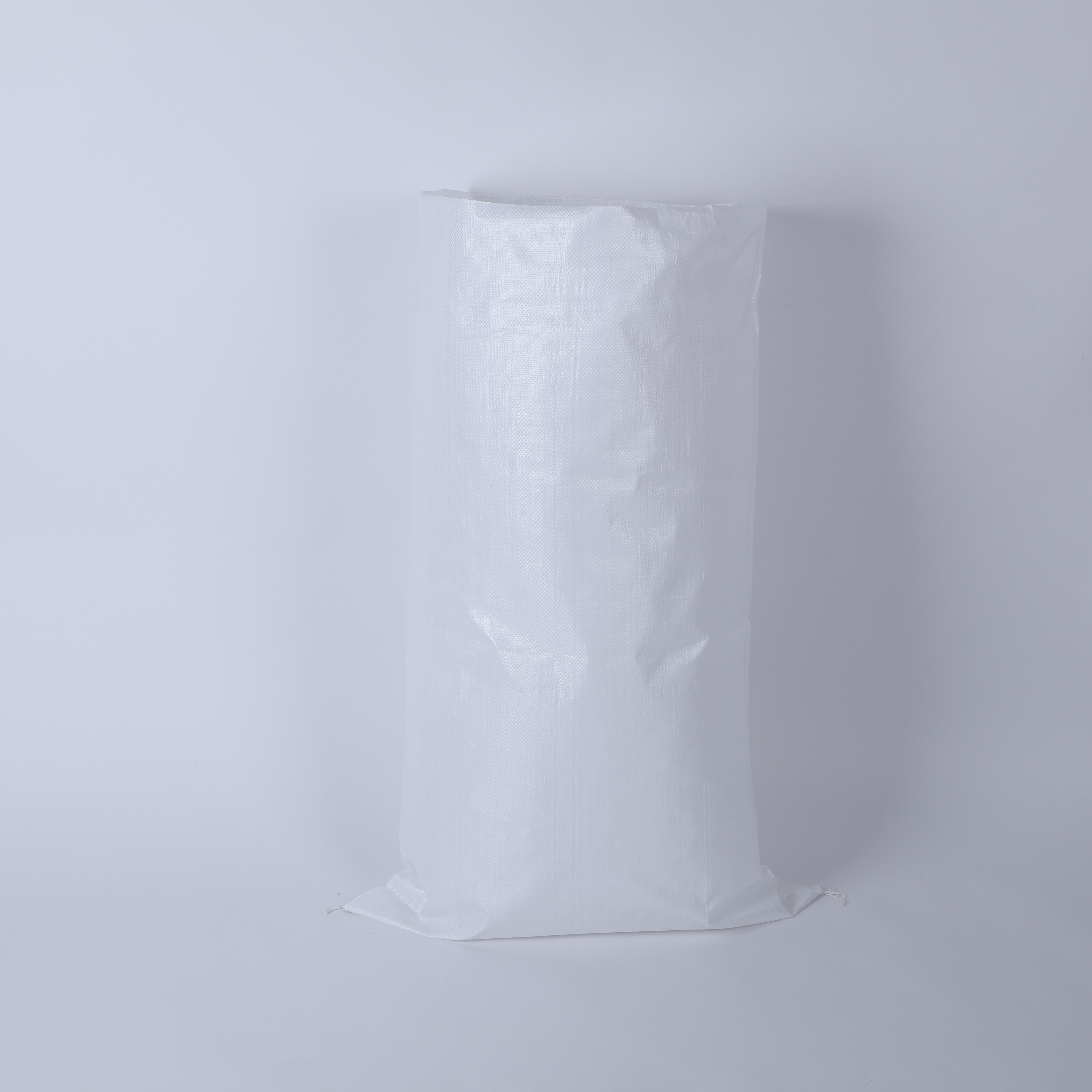
Choosing the right storage solution directly impacts product quality and profitability in the sugar industry. When deciding between PE lined and standard sugar bags, businesses must weigh material performance, moisture protection, and total cost of ownership. This comparison examines how each type of sugar packaging bag performs under real-world storage conditions and helps you select the optimal solution for your operation.
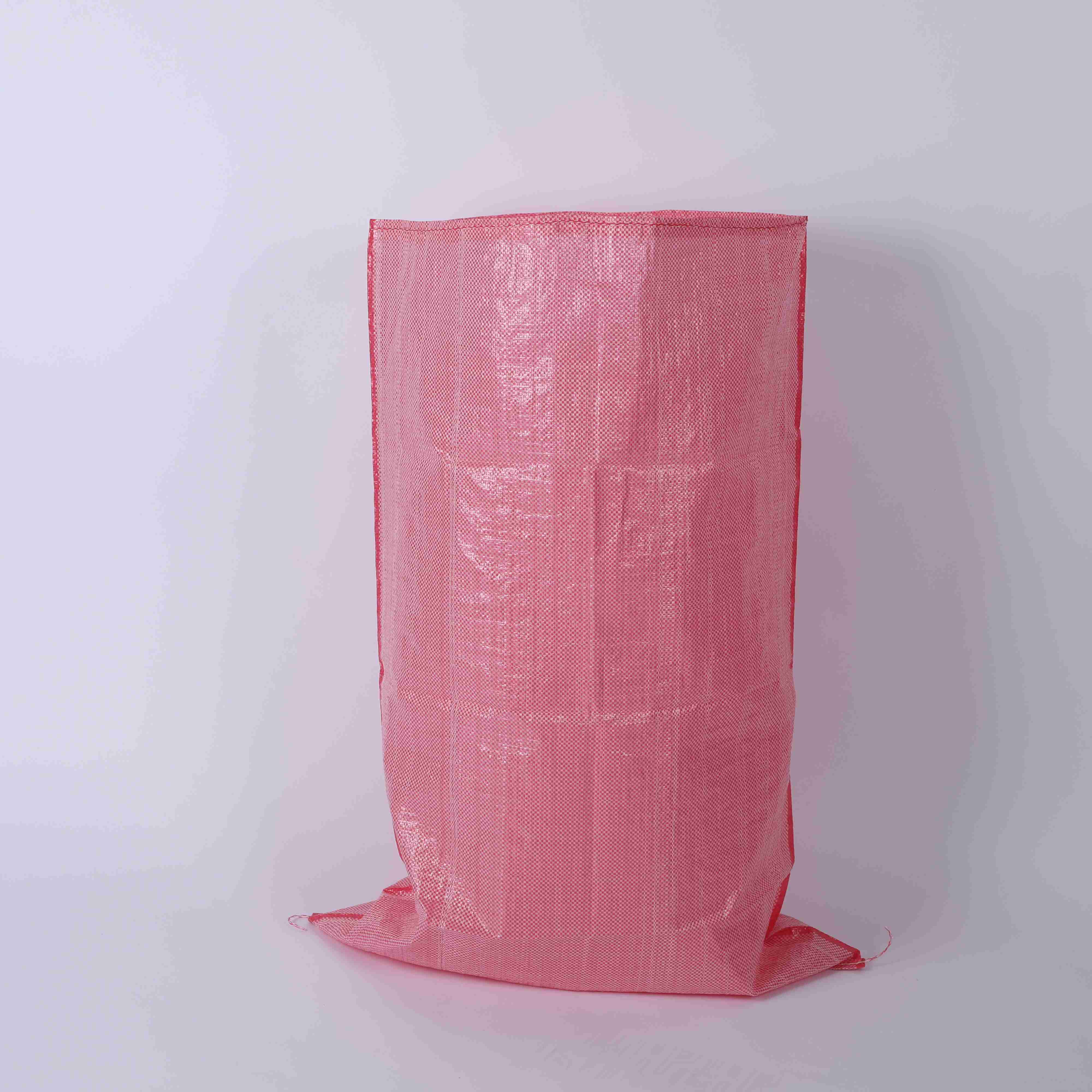
Sugar is highly hygroscopic, meaning it readily absorbs moisture from the environment. This fundamental property drives the need for effective barrier protection. Standard woven bags offer baseline containment, but PE-lined alternatives provide superior environmental resistance. Understanding these distinctions helps businesses reduce spoilage, maintain product integrity, and meet customer expectations for consistent quality in food grade packaging bag applications.
A pp sugar sack uses polypropylene woven fabric as its primary material. Standard construction comprises two or three woven layers, with each layer woven from thin polypropylene filaments. This design provides mechanical strength and handles rough warehouse environments effectively. However, standard woven bags are inherently porous and allow moisture vapor transmission, particularly in humid climates. They offer limited moisture barrier capability without additional protection.
Standard sugar woven bag pricing remains competitive because manufacturing involves straightforward processes and readily available materials. The polypropylene material resists puncture better than some alternatives and provides good UV resistance for outdoor storage. Yet the trade-off appears clearly in moisture retention performance, particularly for products requiring extended shelf life beyond six to eight months.
PE-lined sugar bags feature an inner polyethylene film layer bonded to the woven polypropylene substrate. This dual-layer structure combines the strength of pp sugar sack material with the moisture-blocking properties of polyethylene film. The PE lining acts as a barrier against water vapor transmission, dramatically reducing humidity exposure to the product inside. This design philosophy addresses the primary vulnerability of standard woven bags while maintaining structural integrity.
The polyethylene layer in food grade packaging bag solutions typically ranges from 50 to 100 microns in thickness, depending on application requirements. Thicker PE linings provide superior barrier performance but increase material costs proportionally. Manufacturers apply PE linings during the bag production process, creating a durable bond that withstands normal handling stresses. This integration ensures the moisture protection remains effective throughout the product lifecycle.
Moisture ingress represents the primary degradation mechanism for stored sugar. Standard sugar bags begin showing moisture absorption within weeks of storage in humid environments, particularly when storage temperatures exceed 25 degrees Celsius. Testing demonstrates that unlined woven bags absorb approximately 2 to 4 percent moisture weight gain under tropical or subtropical conditions within 30 days. This moisture absorption triggers caking, color changes, and potential microbial growth.
Sugar packaging bag designs with PE linings maintain moisture levels below 0.5 percent even after extended storage in high-humidity climates. The polyethylene barrier effectively blocks water vapor transmission, preserving the crystalline structure and flowability of sugar products. This protection becomes critical for exports involving ocean freight, where shipping containers may experience condensation cycles that rapidly degrade unprotected products.
Standard woven bags maintain sugar quality for approximately 6 to 8 months under controlled warehouse conditions with relative humidity between 50 and 70 percent. Beyond this timeframe, moisture absorption becomes problematic even in climate-controlled facilities. For tropical climates or open-air storage, acceptable storage periods contract to 2 to 4 months. These limitations restrict market reach for suppliers targeting distant markets requiring longer transit and storage periods.
PE-lined food grade packaging bag solutions extend shelf life to 12 to 18 months under similar storage conditions, and even longer in temperature-controlled environments. This extended duration opens market opportunities for suppliers targeting regions with lengthy supply chains. Exporting companies particularly benefit from the extended protection PE-lined sugar bags provide against the humidity spikes common during ocean freight and port storage.
Standard pp sugar sack production costs range from $0.15 to $0.25 per bag for 50-kilogram capacity at typical production volumes. The price reflects straightforward woven-bag manufacturing without additional lamination or coating processes. PE-lined alternatives cost approximately $0.25 to $0.40 per bag, representing a 50 to 100 percent premium over standard construction. This cost differential compounds significantly across large shipments, impacting margins directly.
The pricing gap between standard and PE-lined sugar woven bags reflects genuine material and labor differences. PE lamination equipment demands capital investment, and the lamination process adds processing time. Raw material costs for polyethylene films remain steady but add directly to production expenses. For operations processing 100 metric tons monthly in 50-kilogram bags (2,000 bags), the monthly cost difference reaches $400 to $3,000 depending on bag specifications and purchase volume.
Evaluating total cost of ownership requires considering product loss rates, customer satisfaction, and market positioning. Products shipped in standard sugar bags to humid regions may experience 5 to 10 percent spoilage during storage, generating returns and replacement costs that far exceed the initial packaging savings. One spoiled shipment can cost $2,000 to $5,000 in replacement product, freight, and customer relationship damage. PE-lined sugar packaging bag investments become economical when targeting markets where moisture exposure poses genuine risk.
Businesses targeting premium markets, export operations, and climate-sensitive regions find PE-lined solutions deliver superior value despite higher upfront costs. Customer quality expectations increasingly demand extended shelf life and consistent product integrity. Suppliers offering food grade packaging bag solutions with proven moisture protection gain competitive positioning and can justify modest price premiums in their market segments.
PE-lined sugar woven bags maintain moisture content below 0.5 percent under most storage conditions, compared to 2 to 4 percent absorption in standard woven bags. The polyethylene lining effectively blocks water vapor transmission, protecting sugar crystalline structure and extending shelf life to 12 to 18 months. This performance advantage becomes pronounced in tropical climates and during ocean freight exposure.
PE-lined food grade packaging bag designs perform optimally in moderate to high-humidity environments and during extended storage periods. In climate-controlled warehouses with relative humidity below 50 percent, standard woven bags may prove adequate for shorter storage durations. However, export operations, tropical climates, and applications exceeding six months storage duration strongly favor PE-lined solutions for risk mitigation.
Compare the per-unit price difference against historical spoilage rates, replacement costs, and customer quality expectations. If your operation experiences spoilage rates exceeding 3 to 5 percent, PE-lined sugar packaging bag investments typically deliver positive return on investment within 12 months. Consider target market requirements, export distances, and climate conditions as primary decision factors alongside raw material costs.

Discover the 4 critical production metrics—throughput, defect rate, equipment uptime & on-time delivery—to vet factories confidently.

Ensure regulatory compliance & worker safety with proven methods for chemical woven bags—material selection, labeling, storage & training.

Discover the full PP woven bag manufacturing workflow—from extrusion & weaving to printing & QC. Boost efficiency, compliance & ROI. Download the process guide now.

Struggling with weak bags or high material waste? Master extrusion and tape drawing tech for stronger, cheaper PP woven bags. Optimize your production line now.

Struggling with defects or customer returns? Discover the 5 non-negotiable quality checkpoints across your woven bag production line
Which automation tier is right for your PP woven bag factory? Compare manual to Industry 4.0 systems for cost, quality, and scalability.
Get in touch for details on polypropylene woven bags and flexible packaging solutions.
Tel
Address
No.2015, Liaoyuan Building, Lanshan District, Linyi City, Shandong Province.China

