 EN
How to Assess Production Efficiency at a PP Woven Bag Factory
Discover the 4 critical production metrics—throughput, defect rate, equipment uptime & on-time delivery—to vet factories confidently.

2026/08/06
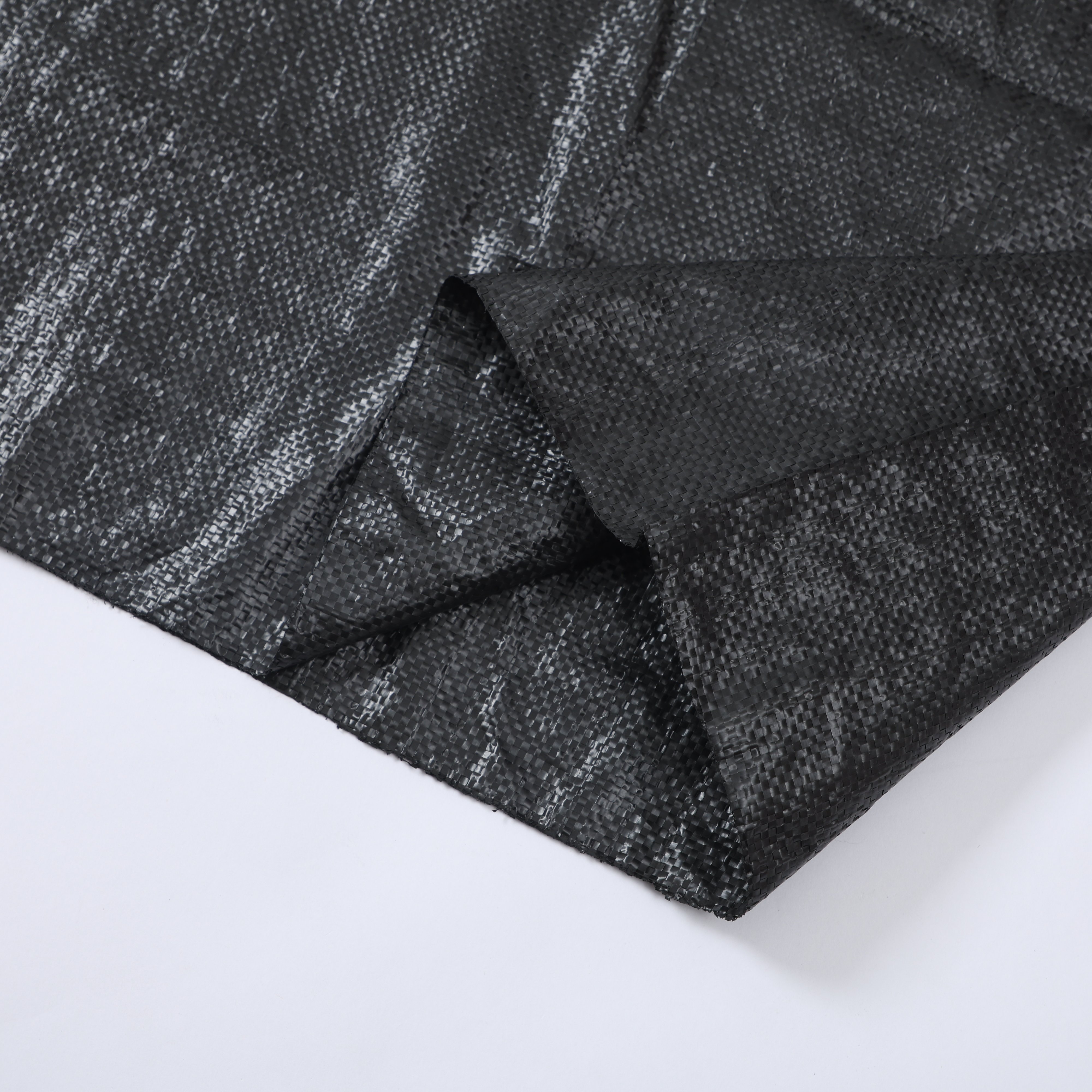
Reusing packaging materials has become an essential practice for businesses seeking sustainability and cost efficiency. When you have a used bag on hand, knowing how to properly assess and prepare it for storage applications ensures both safety and functionality. Many industrial operations discover that secondhand pp bags offer significant value when handled according to established safety protocols. This practical guide walks through the essential steps for evaluating, maintaining, and deploying recycled woven bag inventory in storage environments.
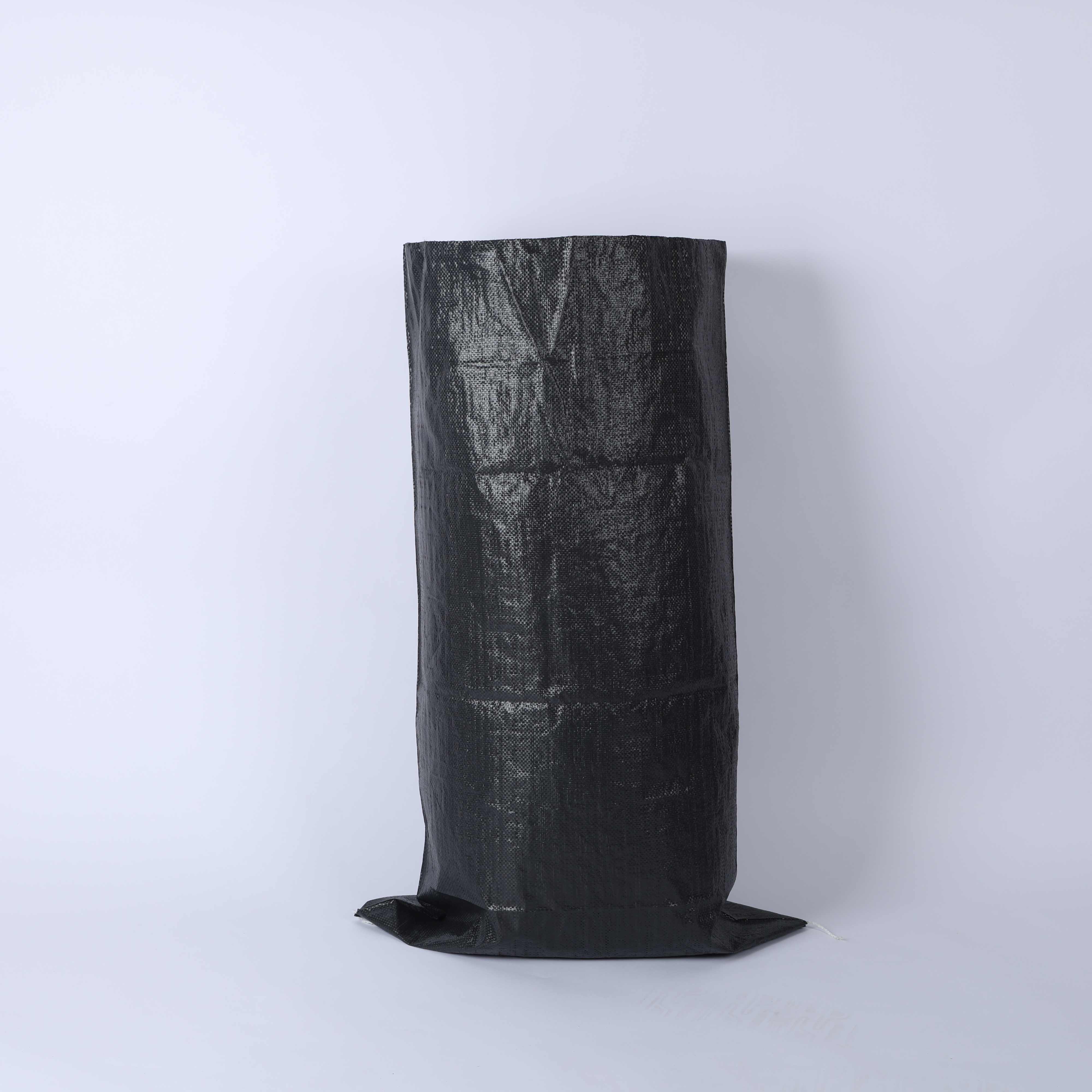
Understanding the structural and chemical integrity of reused packaging bag materials forms the foundation for safe reuse. PP woven bags possess inherent durability, yet environmental exposure and handling history directly affect their performance in new applications. Before deploying any secondhand pp bag, conduct a thorough inspection to identify degradation, contamination, or structural compromise. This proactive evaluation protects your stored materials and maintains compliance with storage standards applicable to your industry.
Begin by examining the external condition of each used pp sack intended for reuse. Look for visible tears, punctures, seam failures, or areas where the woven structure appears compromised. Check the corners and bottom seams carefully, as these regions typically experience the greatest stress during use and transport. Discoloration, brittleness, or excessive fading can indicate UV degradation that weakens the material. If the bag has been previously exposed to extreme temperatures, the polypropylene fibers may have become more fragile and susceptible to rupture when loaded.
Examine the interior thoroughly for residual particles, chemical residue, or organic matter from prior contents. A recycled woven bag containing hazardous residue poses significant risks to both stored goods and handling personnel. Use dry brushing or compressed air to remove loose debris, then inspect the bag's inner surface under adequate lighting. For bags previously containing food products, oils, or chemicals, conduct a thorough cleaning before considering them suitable for sensitive storage applications. Different stored materials have varying contamination tolerances, so match the cleanliness level of your reused packaging bag to the sensitivity of your intended contents.
Water-based cleaning represents the safest approach for most used pp sack applications. Mix warm water with mild detergent and use a soft brush to clean both the interior and exterior surfaces. Rinse thoroughly with clean water and allow complete drying before using the bag for storage. Avoid aggressive chemical solvents that may degrade the polypropylene structure or leave harmful residues. For applications involving food-grade or pharmaceutical storage, consider using food-safe sanitizing solutions approved for direct contact with consumables. Always ensure proper ventilation during and after cleaning to prevent moisture accumulation that could promote microbial growth.
Moisture remaining in a secondhand pp bag creates ideal conditions for mold growth and material degradation. Hang cleaned bags in a well-ventilated area away from direct sunlight for at least 48 hours. Test for residual moisture by placing the bag in a warm environment and observing whether condensation forms on the interior surface. Once completely dry, condition the bag by flexing the material gently to restore flexibility lost during storage or use. This conditioning step helps identify any brittleness that would compromise the bag's ability to withstand normal handling and storage stresses.
The structural integrity of your used pp sack must align with the weight and nature of materials you plan to store. Light, dry goods like flour, grains, or powdered chemicals suit bags with minor cosmetic wear. Dense, heavy materials require bags showing no seam compromise or material brittleness. Avoid placing heavy loads on recycled woven bag units displaying corner wear or thin spots. Consider the moisture level of your storage environment, as high humidity accelerates material degradation in polypropylene bags. For long-term outdoor or uncontrolled environment storage, prioritize bags with minimal prior use history and superior structural condition.
Establish a labeling system identifying each reused packaging bag's previous contents, cleaning date, and intended storage application. Rotate stock regularly, prioritizing older bags for lower-stress applications and newer materials for critical storage needs. Periodically inspect stored bags to detect emerging issues before they cause material loss or product contamination. Maintain environmental records documenting temperature, humidity, and lighting conditions in your storage area, as these factors influence how quickly a secondhand pp bag undergoes material degradation. Implement a replacement schedule based on observed wear patterns and adjust your reuse strategy accordingly.
The primary safety concerns include structural integrity compromise, contamination from prior contents, and environmental degradation from UV exposure. A secondhand pp bag may contain residues that react with new stored materials or create health hazards for workers. Material brittleness from temperature fluctuations or prolonged storage can cause sudden failure under load. Always conduct thorough visual inspection and cleaning before deploying any used pp sack in production or storage environments.
A recycled woven bag offers cost savings and environmental benefits but typically provides reduced service life compared to new materials. The reused packaging bag has already survived one use cycle, reducing its remaining durability margin. Quality used pp sacks with minimal prior stress perform comparably to new bags for light to moderate applications. Match your application requirements to the specific condition of the used bag rather than assuming equivalent performance across all storage scenarios.
Maintain records documenting the inspection date, cleaning date, previous contents, current condition rating, and intended storage application for each used pp sack. This documentation protects against accidental deployment of contaminated or compromised bags and supports traceability for regulated industries. Include photographs of any damage or unusual conditions observed during inspection. These records also help you identify patterns in material degradation and optimize your replacement schedule for secondhand pp bag inventory.

Discover the 4 critical production metrics—throughput, defect rate, equipment uptime & on-time delivery—to vet factories confidently.

Ensure regulatory compliance & worker safety with proven methods for chemical woven bags—material selection, labeling, storage & training.

Discover the full PP woven bag manufacturing workflow—from extrusion & weaving to printing & QC. Boost efficiency, compliance & ROI. Download the process guide now.

Struggling with weak bags or high material waste? Master extrusion and tape drawing tech for stronger, cheaper PP woven bags. Optimize your production line now.

Struggling with defects or customer returns? Discover the 5 non-negotiable quality checkpoints across your woven bag production line
Which automation tier is right for your PP woven bag factory? Compare manual to Industry 4.0 systems for cost, quality, and scalability.
Get in touch for details on polypropylene woven bags and flexible packaging solutions.
Tel
Address
No.2015, Liaoyuan Building, Lanshan District, Linyi City, Shandong Province.China

