 EN
How to Assess Production Efficiency at a PP Woven Bag Factory
Discover the 4 critical production metrics—throughput, defect rate, equipment uptime & on-time delivery—to vet factories confidently.

2026/08/26
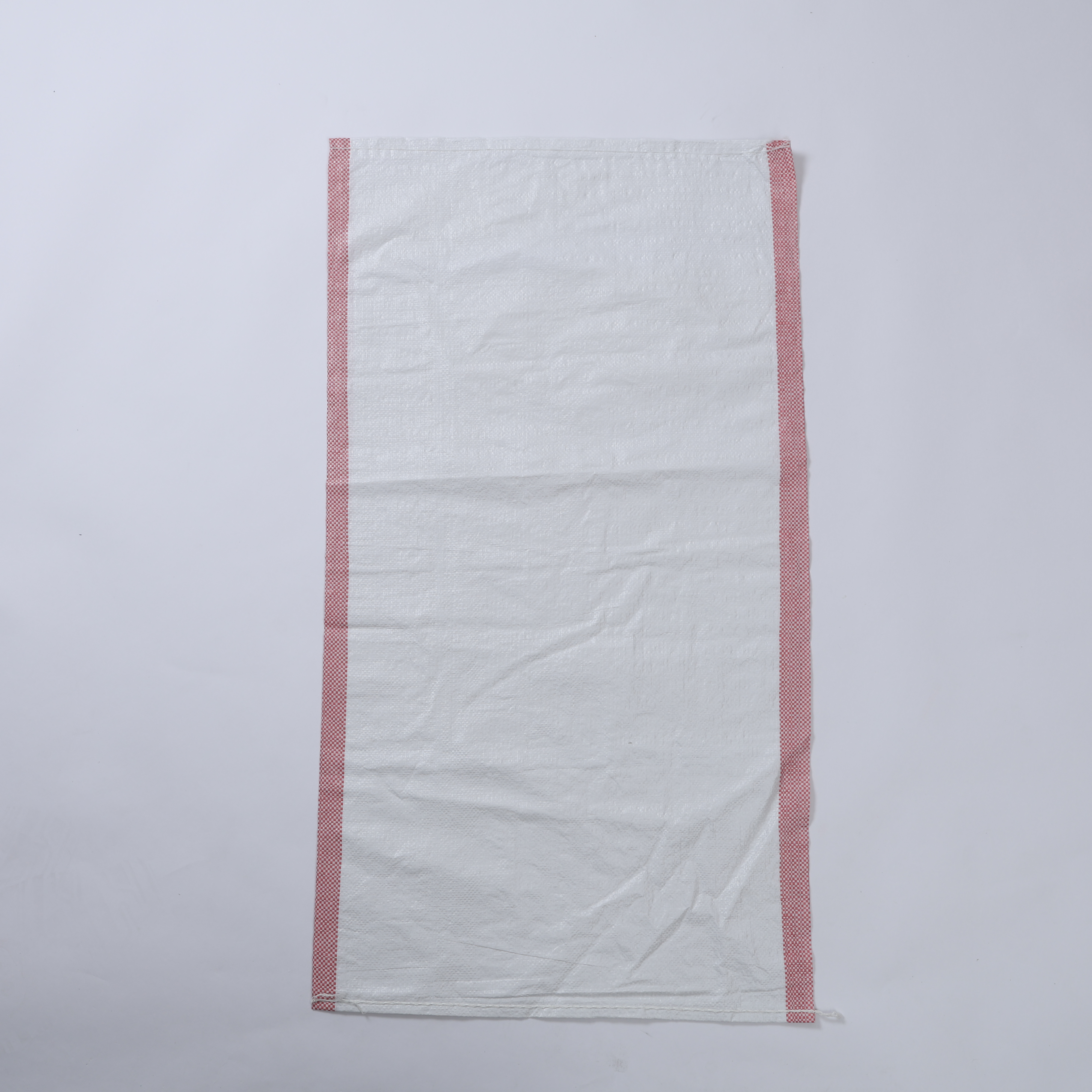
Agricultural packaging bags are essential components of modern farming operations, protecting crops from environmental damage, pest contamination, and moisture loss during storage and transport. Extending the service life of these bags directly impacts your bottom line by reducing replacement costs, minimizing product waste, and maintaining crop quality throughout the supply chain. Understanding how to maximize the durability of farm packaging bags requires knowledge of material properties, storage conditions, and practical maintenance strategies that farming businesses can implement immediately.
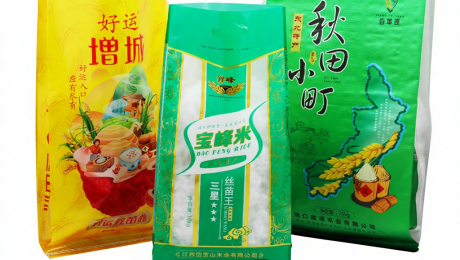
The durability of farm packaging bag solutions depends on multiple factors working in concert: material quality, environmental exposure, handling practices, and storage methodology. Many agricultural operations overlook simple maintenance techniques that could dramatically extend bag lifespan and reduce operational expenses. This guide explores evidence-based approaches to protecting your investment in crop packaging solutions and ensuring consistent product protection from harvest through final delivery.
The foundation of extended bag service life begins with selecting high-quality agricultural packaging bags manufactured from premium polypropylene materials. PP agricultural packaging offers superior strength, resistance to environmental degradation, and consistent performance across diverse climate conditions. Bags made from virgin polypropylene rather than recycled materials demonstrate significantly longer functional lifespans and better resistance to UV exposure and temperature fluctuations. Investing in bags with proper weave density and appropriate thickness for your specific crop storage needs ensures that your farm packaging bag selection provides reliable protection without premature failure or puncturing.
Before deploying agricultural packaging bags in field conditions, conduct visual inspections to identify manufacturing defects, seam weaknesses, or material inconsistencies that could compromise performance. Run your hands along seams and edges to detect rough spots or inadequate stitching that could catch and tear during filling or handling. Check that the pp agricultural packaging bags have appropriate lamination and that any printed surfaces are firmly bonded to the substrate. Testing a small sample batch in your intended storage conditions before committing to large-volume purchases helps identify potential material issues early and prevents costly crop losses.
Moisture and temperature fluctuations accelerate degradation of produce storage bag materials and compromise crop preservation quality. Store agricultural packaging bags in climate-controlled environments with relative humidity between forty and sixty percent and stable temperatures between sixty and seventy degrees Fahrenheit. Excessive moisture promotes mold growth on the bag exterior, weakens polypropylene fiber structure, and can cause corrosion of metal components like bag closures or tie points. Direct sunlight exposure accelerates UV degradation, so maintain your farm packaging bag inventory in shaded storage areas or within opaque containers that block solar radiation while allowing air circulation.
How you stack and store filled bags directly affects their longevity and the protection they provide to stored crops. Distribute weight evenly across stacking arrangements to prevent bottom bags from bearing excessive compression loads that could rupture seams or deform the crop packaging solution structure. Implement first-in-first-out inventory rotation to ensure older bags are used before newer stock, preventing long-term storage degradation of unused inventory. Allow adequate airflow between stacked bags to prevent moisture accumulation and promote even environmental conditions throughout your storage facility. Consider using pallets or raised platforms to elevate bags away from contact with damp flooring materials.
Mechanical stress from rough handling represents one of the primary causes of premature failure in agricultural packaging bags. Train farm staff to fill bags gradually and centrally rather than forcing product into corners, which concentrates pressure on specific seams and weakens overall structural integrity. Use smooth-tipped filling equipment to prevent sharp product edges from puncturing bag walls, and avoid dropping filled bags from heights that create impact damage. When transporting produce storage bags, secure them properly to prevent shifting during transit and ensure that tie-down straps do not create concentrated pressure points that could split the material.
Establish routine inspection protocols throughout the storage and distribution cycle to identify early signs of damage before failures compromise crop quality. Small punctures or seam separations can be repaired using food-grade patch kits designed specifically for pp agricultural packaging materials, extending bag service life by weeks or months. Mark repaired bags clearly so handlers understand their modified status and can monitor them for recurrent issues. Keep a documented maintenance log tracking which bags receive repairs and why, which helps identify patterns related to specific storage locations, handling practices, or environmental conditions that may require adjustment.
Well-maintained farm packaging bags can typically be reused for multiple seasons or storage cycles, with some high-quality pp agricultural packaging lasting two to three years under optimal conditions. Replacement timing depends on specific usage intensity, environmental exposure, and the type of crops being stored. Regular inspections help determine whether your crop packaging solution bags maintain adequate integrity or need replacement before they fail in storage.
Minor damage to agricultural packaging bags such as small punctures or minor seam separations can be safely repaired using appropriate patch kits designed for polypropylene materials. However, bags with extensive damage, widespread seam failure, or compromised structural integrity should be replaced to prevent crop loss and maintain product quality. Assess whether repair costs and labor justify the remaining useful life of your farm packaging bag before deciding to repair.
Direct sunlight exposure, high moisture levels, and temperature extremes represent the primary environmental threats to pp agricultural packaging longevity. UV radiation degrades polypropylene fibers even when bags are stored indoors near windows, while excessive humidity promotes mold growth and weakens material structure. Temperature fluctuations cause expansion and contraction that stress seams and can eventually cause failure, making climate-controlled storage essential for extending your crop packaging solution service life.

Discover the 4 critical production metrics—throughput, defect rate, equipment uptime & on-time delivery—to vet factories confidently.

Ensure regulatory compliance & worker safety with proven methods for chemical woven bags—material selection, labeling, storage & training.

Discover the full PP woven bag manufacturing workflow—from extrusion & weaving to printing & QC. Boost efficiency, compliance & ROI. Download the process guide now.

Struggling with weak bags or high material waste? Master extrusion and tape drawing tech for stronger, cheaper PP woven bags. Optimize your production line now.

Struggling with defects or customer returns? Discover the 5 non-negotiable quality checkpoints across your woven bag production line
Which automation tier is right for your PP woven bag factory? Compare manual to Industry 4.0 systems for cost, quality, and scalability.
Get in touch for details on polypropylene woven bags and flexible packaging solutions.
Tel
Address
No.2015, Liaoyuan Building, Lanshan District, Linyi City, Shandong Province.China

