 EN
How to Assess Production Efficiency at a PP Woven Bag Factory
Discover the 4 critical production metrics—throughput, defect rate, equipment uptime & on-time delivery—to vet factories confidently.

2026/09/03
Warehouse operations depend heavily on efficient storage and material handling, and the stability of feed bags during stacking directly impacts productivity, safety, and product integrity. Whether you manage a grain facility, livestock feed distribution center, or agricultural supply warehouse, poor stacking practices can lead to product damage, increased waste, workplace injuries, and costly operational delays. Understanding how to optimize feed bags stacking stability is essential for any facility that handles large volumes of animal feed, grains, or agricultural products regularly.
Implementing systematic stacking protocols transforms how your warehouse operates. When feed bags are stacked improperly, they shift during handling, creating unsafe conditions and compromising the quality of agricultural products. The right approach combines selecting appropriate feed bags, understanding load-bearing capacity, and maintaining consistent stacking patterns that maximize vertical space while ensuring every layer remains secure and accessible throughout the distribution cycle.
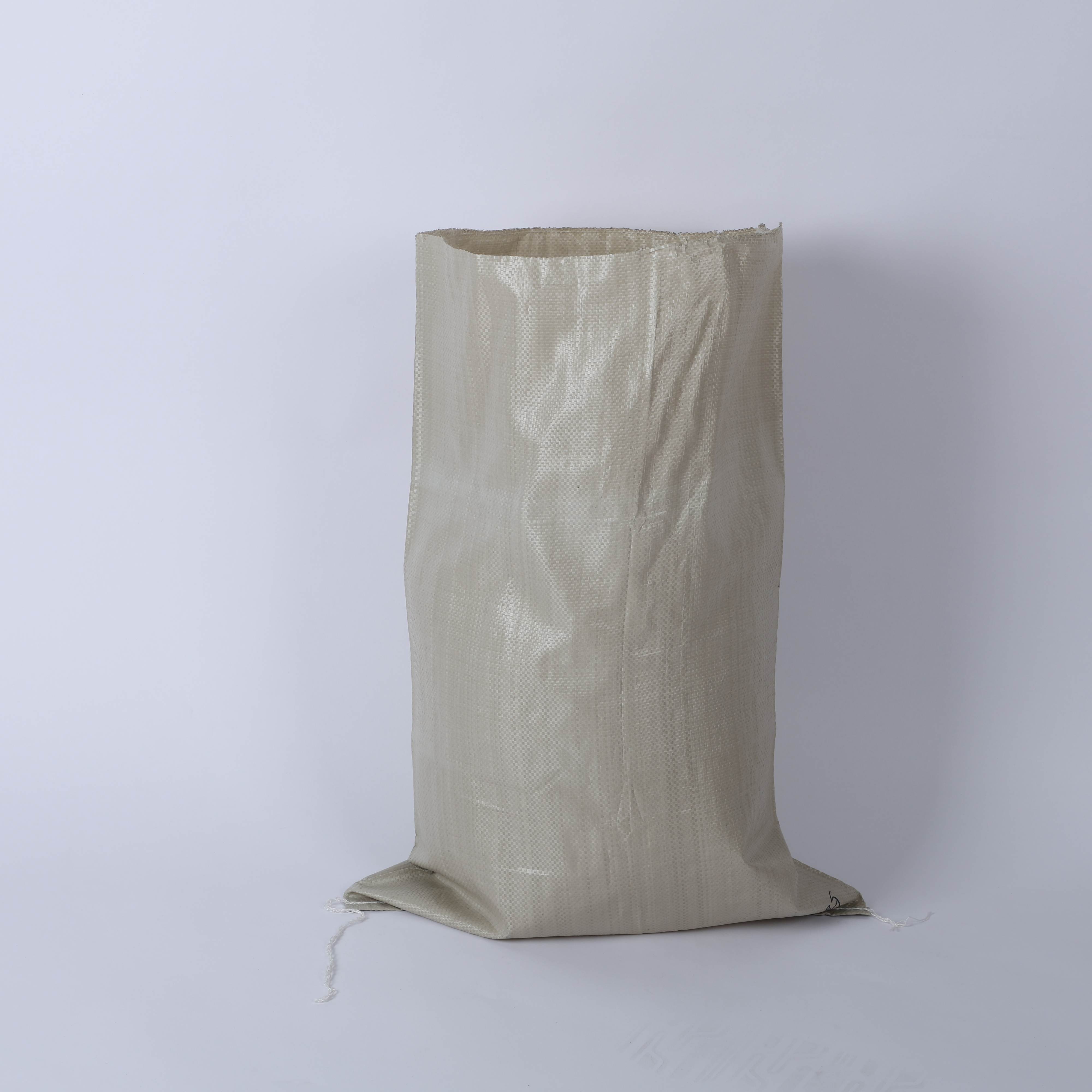
The foundation of stacking stability begins with the animal feed bag itself. High-quality bags manufactured from reinforced polypropylene offer superior tensile strength, puncture resistance, and dimensional consistency compared to lower-grade alternatives. An animal feed bag constructed with tightly woven fibers and proper lamination resists deformation under load, maintaining its rectangular shape even when compressed by the weight of stacked bags above. This structural integrity prevents bulging, sagging, or collapse that compromises the stability of entire pallets or stack columns.
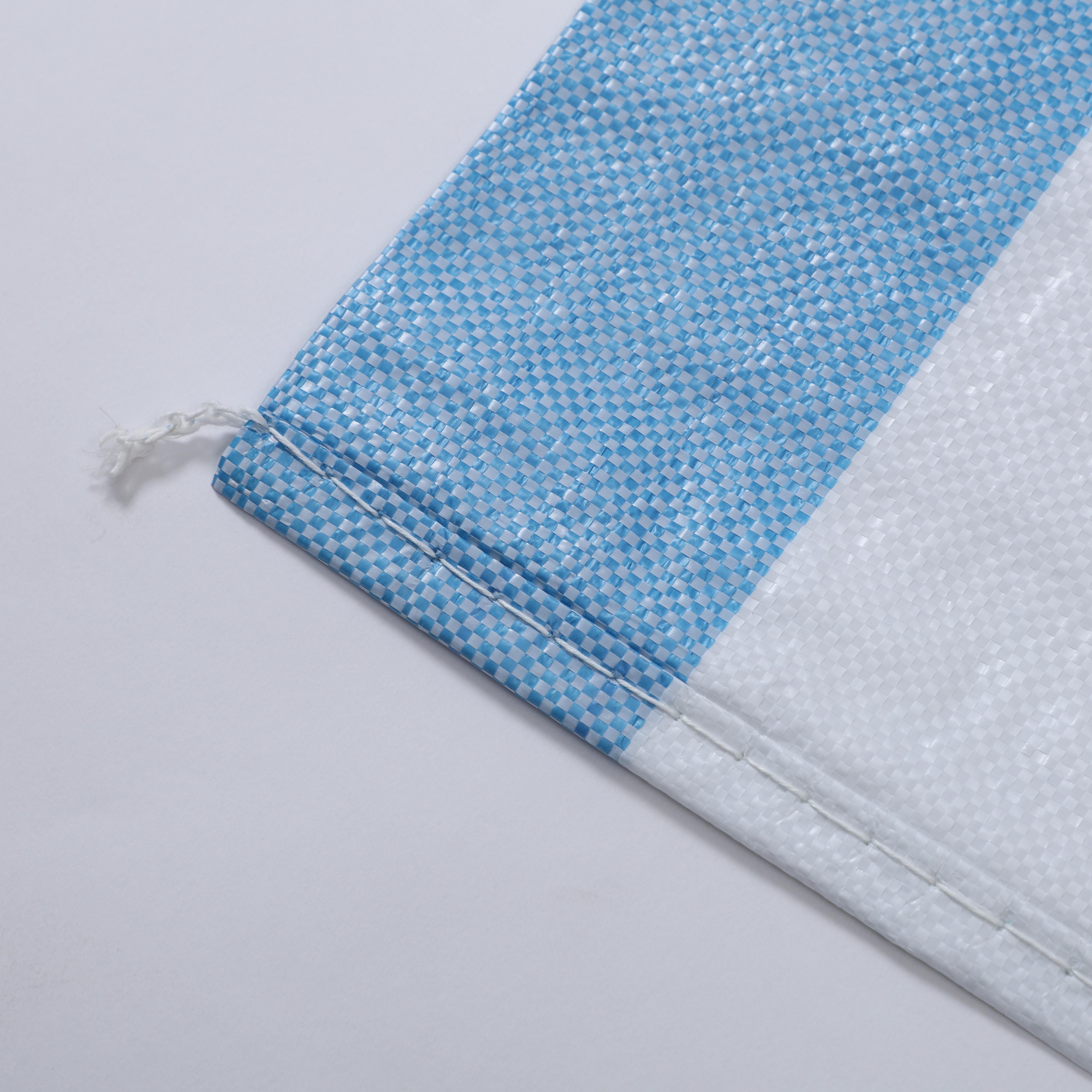
When evaluating pp feed sack options, consider the material composition, seam quality, and closure mechanisms. Double-stitched seams and sealed hems ensure that pp feed sack bags maintain their integrity throughout the storage period. Bags with reinforced bottom panels and corner gussets are less prone to splitting or leaking, which would otherwise destabilize adjacent bags and create hazardous working conditions on warehouse floors. Many facilities find that investing in premium pp feed sack products reduces replacement costs and minimizes product loss over extended storage periods.
Feed packaging bag design significantly influences how bags interact when stacked vertically. Bags with flat, uniform bottom surfaces provide better contact with underlying layers, distributing weight evenly and reducing tipping risk. The feed packaging bag should feature a design that allows for secure interlocking or nesting, where the top surface of one bag naturally supports the bottom of the bag above it. Some manufacturers include texture patterns or anti-slip coatings on packaging surfaces to increase friction between stacked layers, preventing horizontal sliding that commonly occurs in high-traffic warehouse environments.
The dimensions of livestock feed bag units must be standardized to ensure consistent stacking heights and predictable load distribution. Variations in bag size create uneven pressure points and increase the likelihood of stack collapse. Quality livestock feed bag products maintain tight dimensional tolerances, ensuring that when stacked in uniform patterns, the combined column forms a stable, rectangular block that resists tipping from lateral forces or accidental contact.
Strategic layer arrangement directly determines whether your feed bags storage system remains stable throughout the warehouse lifecycle. The most effective approach uses alternating cross-layering, where each successive layer is oriented perpendicular to the layer below. This pattern prevents individual bags from shifting laterally and distributes weight across a wider base. When layer one runs north-south, layer two should run east-west, creating a interlocking effect that dramatically improves resistance to tipping and accidental displacement.
Within each layer, animal feed bag units should be arranged tightly with no gaps or spaces between individual bags. Gaps allow bags to shift downward or sideways under vibration or load pressure, destabilizing the entire stack. Many warehouses use standardized pallet dimensions and spacing guides to ensure that each bag occupies its designated position. This precision prevents the domino-effect failures where movement of one bag triggers collapse of adjacent units. Layer heights should remain consistent, typically ranging from 4 to 6 bags depending on total stack weight requirements and ceiling clearance.
Maximum safe stack height depends on several factors including pp feed sack weight, material composition, warehouse temperature, and duration of storage. Most facilities limit stacks to heights between 8 and 12 layers, which distributes weight at roughly 400 to 600 pounds per square foot on pallets below. Exceeding these heights increases pressure on bottom layers, causing deformation that reduces stability of the entire column. Consider implementing height markers or painted lines on warehouse walls to provide visual guidance for material handlers operating forklifts or pallet jacks.
Weight distribution across the warehouse floor is equally important. Concentrating all feed packaging bag pallets in one zone creates uneven loading on flooring infrastructure and increases the risk of catastrophic multi-pallet failures. Distribute stacks throughout available floor space to spread load pressure evenly. For warehouses experiencing significant vibration from machinery, traffic, or environmental factors, reduce maximum stack heights by 20 to 30 percent compared to static storage environments to maintain adequate safety margins.
Environmental conditions within your warehouse directly affect the performance characteristics of livestock feed bag materials. Extreme temperature fluctuations cause polypropylene fibers to expand and contract, gradually weakening the structural integrity of the bags over time. Maintaining stable temperatures between 50 and 85 degrees Fahrenheit helps preserve the dimensional consistency and tensile strength of pp feed sack units. Humidity control is equally critical, as excessive moisture can promote mold growth and material degradation that reduces the lifespan of stored feed packaging bags.
Regular inspection protocols should identify damaged feed bags before they compromise stack integrity. Train your warehouse staff to recognize punctures, seam separation, color fading, or surface deterioration that may indicate weakened structural performance. Replace compromised bags immediately rather than attempting to store them in stacks, as a single failed bag can trigger cascading failures that damage adjacent units and create safety hazards. Implement quarterly or semi-annual inventory reviews to identify bags showing signs of stress or material degradation from extended storage.
Movement patterns within your warehouse affect stack stability more than many facility managers realize. Minimize unnecessary traffic near tall stacks, and establish one-way material flow patterns that reduce vibration exposure. When operating forklifts or pallet jacks, operators should move slowly near stored feed bags and avoid sudden stops or direction changes that create lateral forces. Installing protective barriers or bollards around high-value stacks prevents accidental vehicle contact that could destabilize entire columns.
Consider implementing a first-in-first-out inventory system that encourages regular rotation of stock. This practice prevents bags from remaining in static positions for extended periods, which can lead to material degradation and stress concentration in lower layers. Regular rotation also ensures that animal feed bag products maintain their quality characteristics and that any environmental effects are distributed across the inventory rather than concentrated in long-term storage locations. Staff training on proper handling techniques significantly improves overall warehouse safety and product integrity.
Most warehouses safely stack feed bags between 8 and 12 layers high, depending on material weight, bag construction quality, and storage duration. This typically distributes weight at 400 to 600 pounds per square foot on pallets below. Exceeding these heights increases pressure on bottom layers, causing deformation. For warehouses with vibration from machinery or frequent traffic, reducing maximum heights by 20 to 30 percent provides additional safety margins. Consult the manufacturer specifications for your specific pp feed sack product to determine optimal stacking parameters for your facility.
Alternating cross-layering is the most effective arrangement, where each successive layer runs perpendicular to the layer below. This interlocking pattern prevents individual bags from shifting laterally and distributes weight across a wider base, dramatically improving resistance to tipping and accidental displacement. When layer one runs north-south, layer two should run east-west, creating structural reinforcement similar to reinforced concrete construction. This organized approach with consistently arranged animal feed bag units ensures that movement of one bag does not trigger cascade failures affecting adjacent units.
Temperature stability is critical, as extreme fluctuations cause polypropylene fibers to expand and contract, gradually weakening structural integrity of livestock feed bag materials. Maintaining temperatures between 50 and 85 degrees Fahrenheit preserves the dimensional consistency and tensile strength of stored bags. Humidity control is equally important, as excessive moisture promotes mold growth and material degradation that reduces product lifespan. Light exposure can fade bag color and degrade material properties, so storing feed packaging bags in shaded areas or covered facilities helps maintain long-term quality and stacking performance.

Discover the 4 critical production metrics—throughput, defect rate, equipment uptime & on-time delivery—to vet factories confidently.

Ensure regulatory compliance & worker safety with proven methods for chemical woven bags—material selection, labeling, storage & training.

Discover the full PP woven bag manufacturing workflow—from extrusion & weaving to printing & QC. Boost efficiency, compliance & ROI. Download the process guide now.

Struggling with weak bags or high material waste? Master extrusion and tape drawing tech for stronger, cheaper PP woven bags. Optimize your production line now.

Struggling with defects or customer returns? Discover the 5 non-negotiable quality checkpoints across your woven bag production line
Which automation tier is right for your PP woven bag factory? Compare manual to Industry 4.0 systems for cost, quality, and scalability.
Get in touch for details on polypropylene woven bags and flexible packaging solutions.
Tel
Address
No.2015, Liaoyuan Building, Lanshan District, Linyi City, Shandong Province.China

