 EN
How to Assess Production Efficiency at a PP Woven Bag Factory
Discover the 4 critical production metrics—throughput, defect rate, equipment uptime & on-time delivery—to vet factories confidently.

2026/08/20
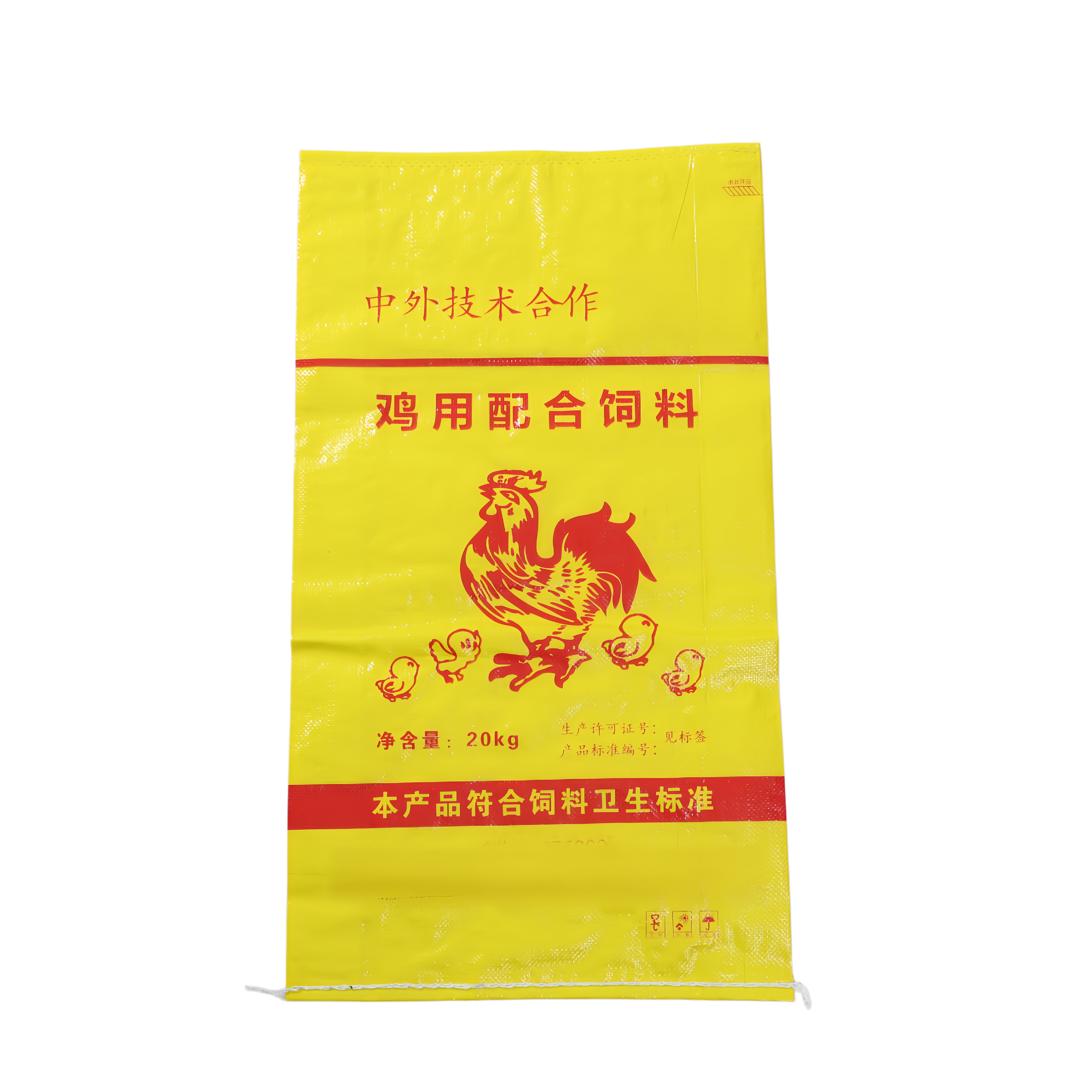
Waterproof performance is a critical factor in industrial packaging, especially when products face exposure to moisture, humidity, or challenging storage conditions. Laminated woven bags have become the industry standard for protecting goods during transport and storage, but their effectiveness depends heavily on how well the waterproof features are engineered and maintained. Many manufacturers and logistics companies struggle to maximize the protective capabilities of their laminated packaging bag investments, leading to potential product damage and operational losses. Understanding the practical methods to enhance waterproof performance ensures your packaging delivers reliable protection while maintaining cost efficiency.
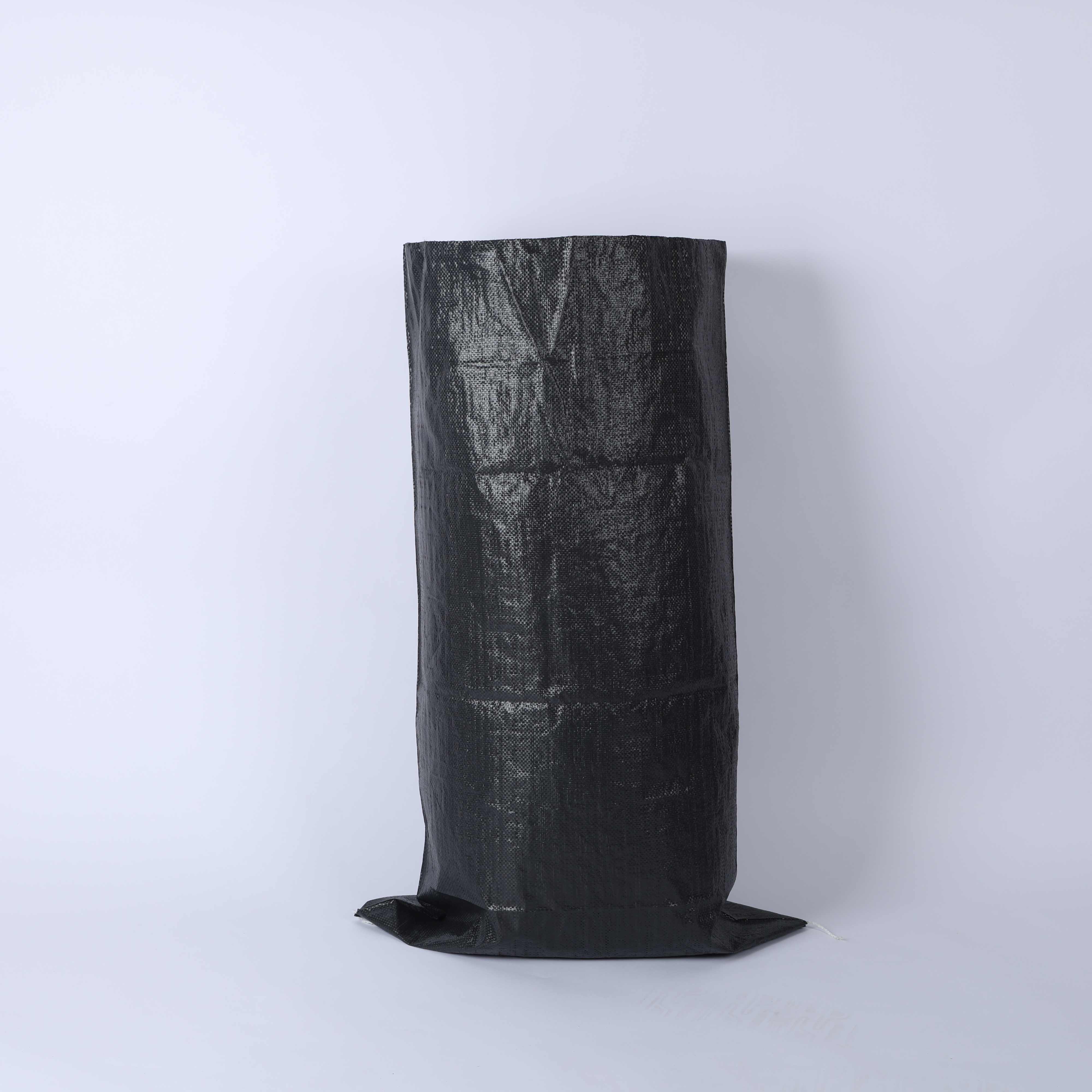
The science behind waterproof woven bag technology involves multiple layers working in harmony to create an effective moisture barrier. A laminated pp sack combines the structural strength of polypropylene fiber with a protective coating layer that prevents water penetration. The coating mechanism fills micro-gaps in the woven fabric and creates a hydrophobic surface that repels moisture rather than allowing it to seep through. By understanding how these components interact, you can identify optimization opportunities and implement upgrades that significantly extend product life and protection levels.
The quality of the lamination material directly determines how effectively your coated woven bag resists water penetration. Premium polyethylene or polypropylene coating compounds offer superior adhesion to the base fabric and create a more uniform, durable barrier. Lower-grade materials may crack, peel, or degrade when exposed to temperature fluctuations or mechanical stress during handling. Investing in high-grade lamination compounds ensures consistent protection across all bags in your supply chain and reduces the risk of premature failure in field conditions.
Coating thickness is a primary factor affecting waterproof performance in laminated pp sack products. Thicker coatings provide better protection but must remain economically viable for industrial applications. Industry standards typically recommend 20 to 50 microns of coating, depending on the intended use and moisture exposure levels. Testing your laminated packaging bag samples under accelerated weathering conditions helps determine the optimal thickness for your specific application, balancing protection with material cost.
Seams and edges represent critical weak points where water can penetrate a waterproof woven bag if not properly sealed. Modern heat-sealing technology fuses the coated woven bag layers together more completely than traditional stitching, creating a nearly impervious barrier at stress points. Tape sealing, where an additional adhesive strip is applied over the seam line, provides an extra layer of redundancy and significantly improves overall waterproof integrity. Testing seam strength through water immersion and hydrostatic pressure tests validates that your sealing process meets industry standards and protects goods effectively.
Advanced laminated woven bags now incorporate multiple sealing methods in combination, creating overlapping protective barriers. A combination of heat-sealed seams, adhesive tape reinforcement, and edge coating creates a highly redundant waterproof system that remains effective even if one barrier sustains minor damage. This multi-layer approach is especially valuable for high-value commodities or products sensitive to any moisture exposure. The additional cost is typically justified by the dramatic reduction in spoilage and warranty claims.
Environmental conditions significantly impact how well your laminated pp sack maintains its waterproof integrity over time. Extended exposure to high temperatures can soften coating materials and reduce their flexibility, while extreme cold can make them brittle and prone to cracking. Humidity levels above 70 percent can compromise adhesive properties and weaken the bond between fabric and coating. Storing laminated packaging bag inventory in climate-controlled environments with temperature ranges of 15 to 25 degrees Celsius and relative humidity below 65 percent preserves coating integrity and ensures consistent performance when bags are deployed in the field.
Even well-engineered coated woven bag products can suffer damage if handled roughly during transport and storage. Mechanical stress, sharp contacts, and excessive compression can puncture, crack, or peel the lamination layer, compromising waterproof performance. Training warehouse and logistics personnel on proper stacking, handling, and transportation techniques protects your investment and maintains waterproof integrity. Using protective coverings, avoiding stacking heights that create crushing pressure, and minimizing exposure to direct sunlight during transport all contribute to preserving the protective qualities of your laminated woven bags throughout their supply chain journey.
A laminated pp sack incorporates a protective coating layer fused to the woven polypropylene fabric, creating a barrier that prevents moisture penetration. Standard woven fabric has porous gaps that allow water to pass through, while the lamination coating fills these gaps and creates a hydrophobic surface. This fundamental difference makes laminated packaging bag technology essential for applications requiring reliable waterproof protection.
Waterproof performance testing involves multiple methods including water immersion tests, hydrostatic pressure tests, and accelerated weathering exposure. Water immersion testing submerges sample bags and measures water absorption over 24 hours. Hydrostatic pressure testing applies increasing water pressure to simulate real-world conditions during transport and storage. These standardized tests provide quantifiable data to validate that your waterproof woven bag meets industry requirements and customer specifications.
The lifespan of laminated packaging bag products depends on coating quality, thickness, and environmental exposure, but properly engineered bags typically maintain waterproof integrity for 12 to 24 months under normal outdoor conditions. Exposure to direct sunlight, extreme temperature fluctuations, and high humidity can reduce this timeframe. Using UV-stabilized coating materials and implementing protective storage practices extends the effective lifespan of your laminated woven bags and maximizes protection value.

Discover the 4 critical production metrics—throughput, defect rate, equipment uptime & on-time delivery—to vet factories confidently.

Ensure regulatory compliance & worker safety with proven methods for chemical woven bags—material selection, labeling, storage & training.

Discover the full PP woven bag manufacturing workflow—from extrusion & weaving to printing & QC. Boost efficiency, compliance & ROI. Download the process guide now.

Struggling with weak bags or high material waste? Master extrusion and tape drawing tech for stronger, cheaper PP woven bags. Optimize your production line now.

Struggling with defects or customer returns? Discover the 5 non-negotiable quality checkpoints across your woven bag production line
Which automation tier is right for your PP woven bag factory? Compare manual to Industry 4.0 systems for cost, quality, and scalability.
Get in touch for details on polypropylene woven bags and flexible packaging solutions.
Tel
Address
No.2015, Liaoyuan Building, Lanshan District, Linyi City, Shandong Province.China

