 EN
How to Assess Production Efficiency at a PP Woven Bag Factory
Discover the 4 critical production metrics—throughput, defect rate, equipment uptime & on-time delivery—to vet factories confidently.

2026/08/27
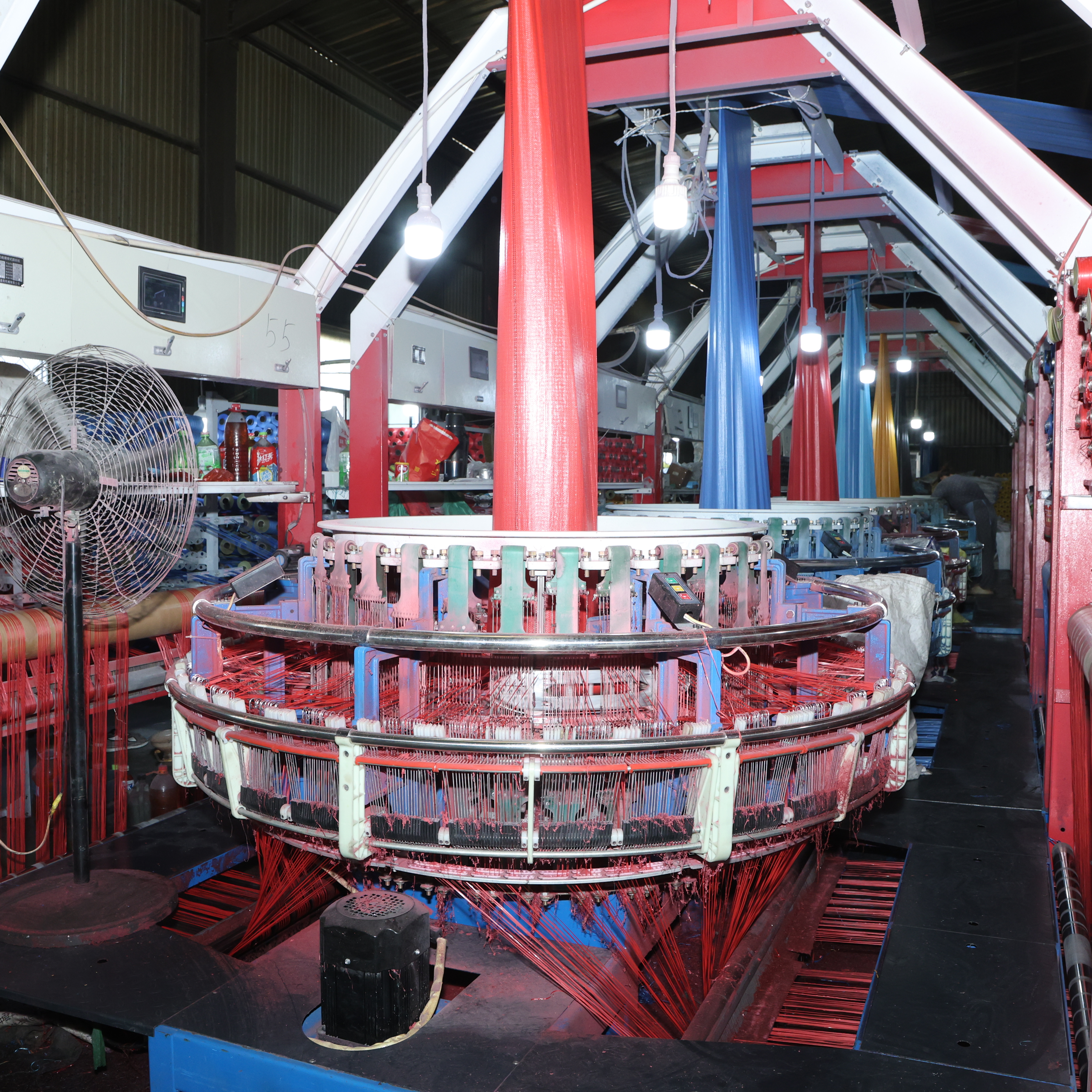
Maintaining consistent output at a PP woven bag factory requires strategic focus on equipment reliability, process optimization, and workforce coordination. Production stability directly impacts profitability, customer satisfaction, and competitive positioning in the industrial packaging market. When output fluctuates, manufacturers face increased costs, missed delivery deadlines, and reputational damage that extends far beyond the immediate production cycle.
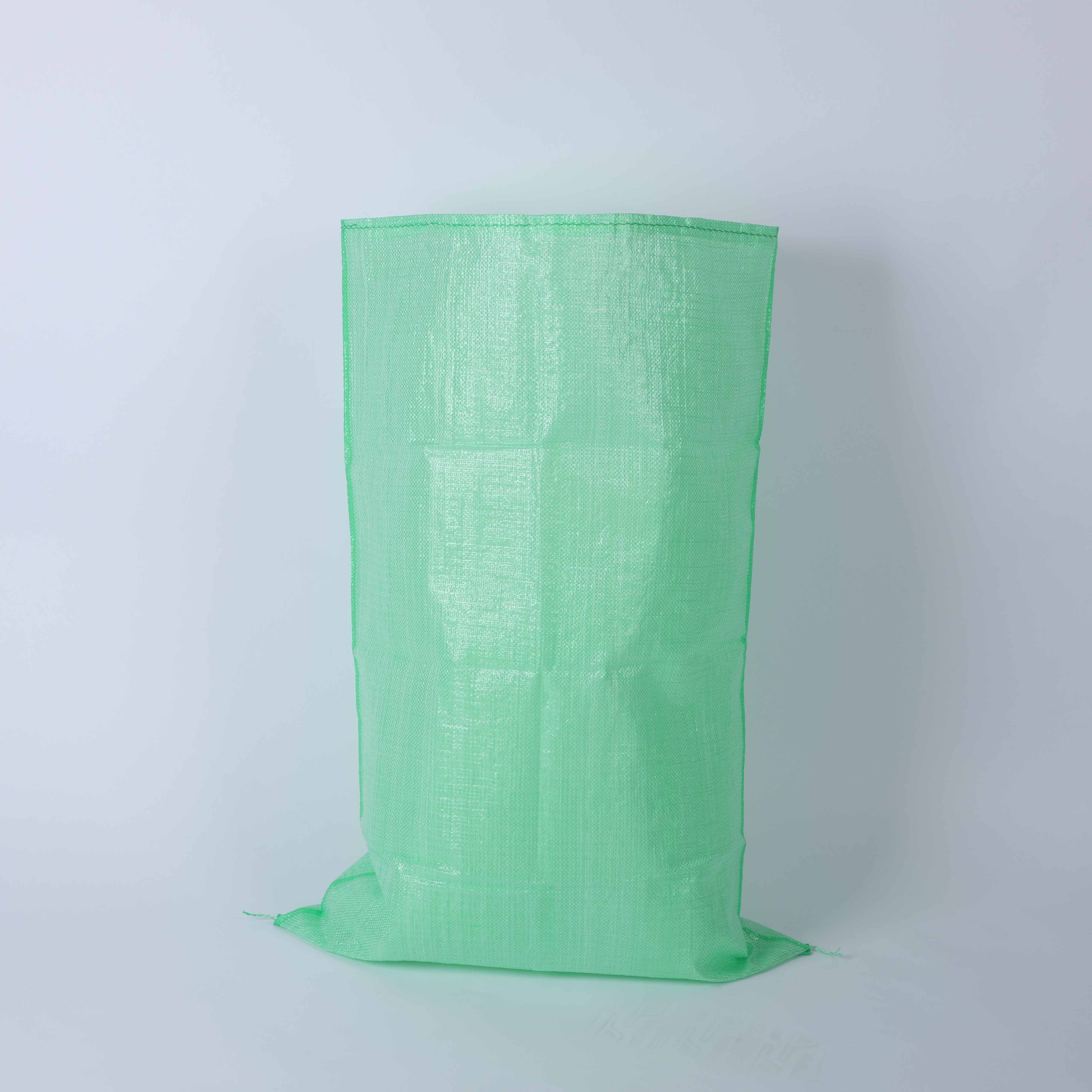
A PP woven bag factory operates within tight tolerances where small variations in material flow, machinery settings, or environmental conditions can cascade into significant production disruptions. This article explores evidence-based methods to stabilize output, enhance throughput, and establish sustainable manufacturing rhythms that support long-term business growth.
Output stability at any woven bag production line begins with equipment that operates predictably and consistently. Preventive maintenance schedules eliminate the surprise breakdowns that destroy production timelines and create costly emergency repairs. Modern woven bag production line systems include looms, coating equipment, cutting machines, and sewing units that must work in perfect synchronization.
Implementing condition monitoring sensors on critical machinery allows operators to detect wear patterns before failure occurs. Temperature sensors on extruders, vibration analysis on looms, and pressure monitoring on coating systems provide early warning signals. Staff trained to interpret these signals can schedule maintenance during planned downtime rather than reacting to unexpected stoppages that devastate daily output targets.
Strategic spare parts inventory ensures that when maintenance becomes necessary, replacement components are immediately available. For pp bag manufacturing operations, critical components include loom heddles, drive belts, pressure rollers, and cutting blades. Establishing relationships with component suppliers who can provide emergency stock during unexpected failures reduces repair duration from hours to minutes.
Documentation systems that track component performance and failure rates guide inventory decisions. If certain parts consistently fail every six months, maintaining higher stock of those items represents prudent investment. This approach transforms reactive crisis management into proactive resource allocation that protects output stability.
Polypropylene resin quality directly influences output stability at any custom woven bag factory. Resin that exhibits batch-to-batch variation in melt flow index, density, or additive composition forces operators to constantly adjust machine parameters. This constant adjustment translates into slower production speeds, higher defect rates, and unpredictable output volumes.
Establishing long-term supplier relationships with agreed quality specifications creates material consistency that operators can depend on. Incoming material testing protocols should verify melt index, moisture content, and color consistency before resin enters production. When material arrives at precisely specified properties, operators can run equipment at optimized speeds without continuous calibration adjustments that slow bulk bag manufacturing processes.
Temperature and humidity fluctuations create significant challenges for output stability in woven bag manufacturing facilities. Polypropylene material properties shift with ambient conditions, affecting extrusion behavior, yarn strength, and dimensional consistency. Maintaining stable environmental conditions through HVAC systems and moisture control enables operators to achieve consistent production parameters throughout the day and across seasons.
Documenting optimal production parameters for each product type creates a reference system that new operators can follow precisely. Temperature settings, tension levels, draw ratios, and line speeds should be recorded for every product specification. When new personnel take shifts or product changeovers occur, this documentation enables rapid return to proven settings that deliver stable output.
Staff expertise represents one of the most undervalued assets in woven bag production line efficiency. Operators who understand the mechanical principles behind loom operation, coating application, and yarn tension can troubleshoot problems before they cascade into production stoppages. Training programs should cover both routine operation and diagnostic procedures for addressing the most common production issues.
Cross-training multiple operators on each production shift creates redundancy that protects against single-point failures. When only one person understands how to properly thread looms or adjust coating viscosity, that individual becomes a critical vulnerability. A pp bag manufacturing facility with multiple trained operators on each shift maintains output stability even when unexpected absences occur.
Real-time production dashboards that display output rates, defect counts, and downtime duration create visibility into daily performance. Operators can see when output begins trending below target and investigate causes before problems become severe. This transparency encourages ownership of production outcomes and enables rapid response to emerging issues.
Regular production meetings where teams review output data, discuss challenges, and propose improvements create engagement that drives continuous enhancement. When bulk bag manufacturing teams understand the business impact of their output stability efforts, they become active participants in improvement rather than passive executors of procedures. This collaborative approach typically yields insights that external consultants might overlook because operators possess intimate knowledge of equipment quirks and production realities.
Equipment maintenance issues represent the leading cause of output instability, followed closely by raw material inconsistency. Unplanned machinery breakdowns stop production entirely, while material quality fluctuations force operators to constantly adjust parameters, both situations degrading output reliability. Addressing these two factors typically yields the largest immediate improvements in stability.
Maintaining consistent output during peak periods requires pre-planned capacity management, including equipment overhaul during low-season periods and trained backup staff positioned for rapid deployment. Building spare production capacity into existing equipment through parameter optimization allows higher sustainable speeds. Many custom woven bag factory operators also negotiate flexible raw material supply agreements that guarantee availability during demand spikes.
Data tracking transforms output stability from guesswork into systematic management by revealing patterns in performance, identifying recurring problems, and measuring the impact of improvements. Production systems that capture hourly output rates, defect types, and downtime reasons enable root cause analysis that prevents problems from recurring. This information-driven approach ensures that improvement efforts target the highest-impact opportunities rather than addressing symptoms.

Discover the 4 critical production metrics—throughput, defect rate, equipment uptime & on-time delivery—to vet factories confidently.

Ensure regulatory compliance & worker safety with proven methods for chemical woven bags—material selection, labeling, storage & training.

Discover the full PP woven bag manufacturing workflow—from extrusion & weaving to printing & QC. Boost efficiency, compliance & ROI. Download the process guide now.

Struggling with weak bags or high material waste? Master extrusion and tape drawing tech for stronger, cheaper PP woven bags. Optimize your production line now.

Struggling with defects or customer returns? Discover the 5 non-negotiable quality checkpoints across your woven bag production line
Which automation tier is right for your PP woven bag factory? Compare manual to Industry 4.0 systems for cost, quality, and scalability.
Get in touch for details on polypropylene woven bags and flexible packaging solutions.
Tel
Address
No.2015, Liaoyuan Building, Lanshan District, Linyi City, Shandong Province.China

