 EN
How to Assess Production Efficiency at a PP Woven Bag Factory
Discover the 4 critical production metrics—throughput, defect rate, equipment uptime & on-time delivery—to vet factories confidently.

2026/08/12
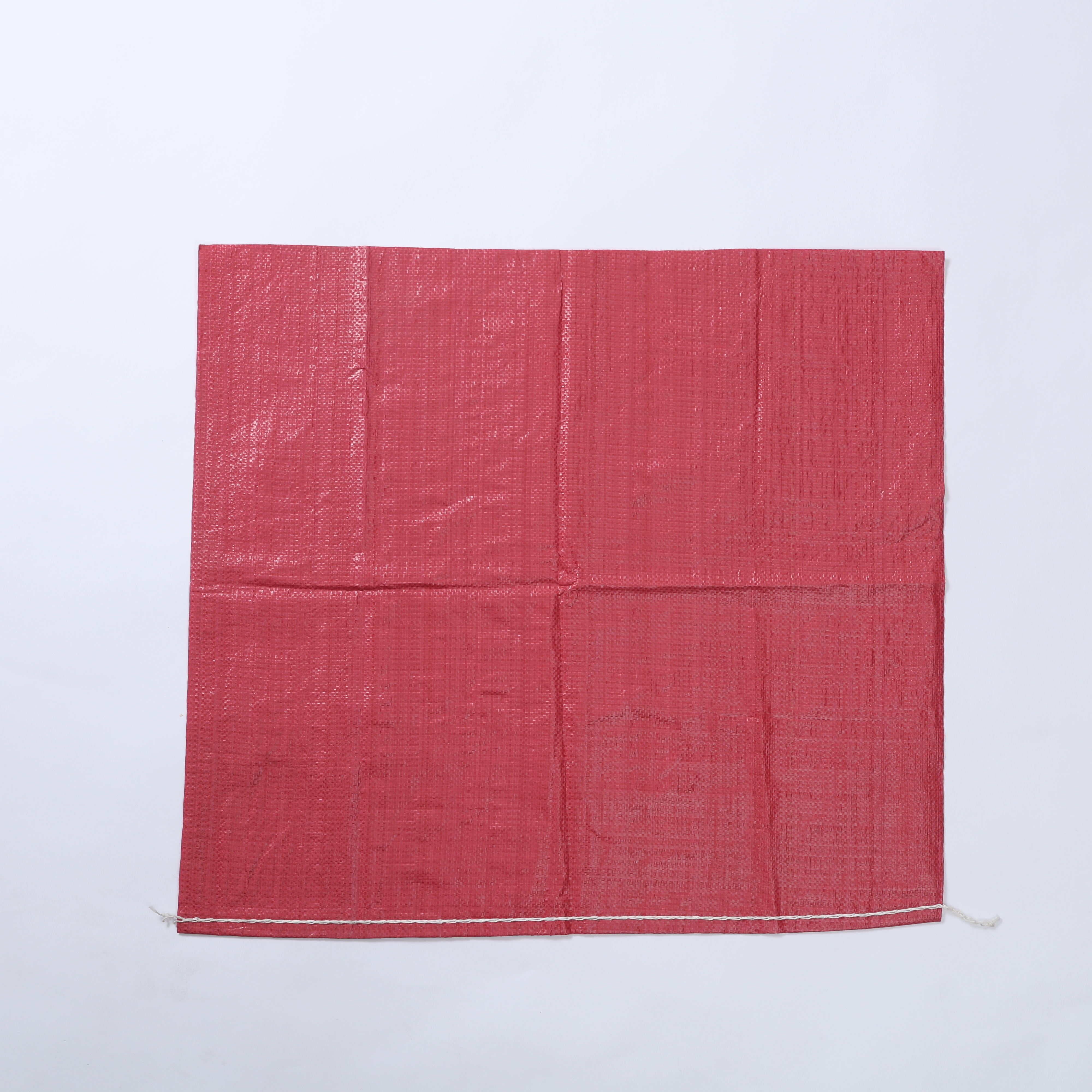
Choosing between printed and plain packaging bags represents a critical decision for industrial businesses aiming to strengthen brand presence while managing costs effectively. A packaging bag serves as far more than a containment solution—it functions as a silent ambassador for your brand, communicating value and professionalism to customers at the point of delivery. Understanding the distinctions between printed and plain options enables companies to make strategic choices aligned with their branding objectives, budget constraints, and operational requirements. This distinction becomes especially important in bulk packaging contexts where volume amplifies both the benefits and challenges of each approach.
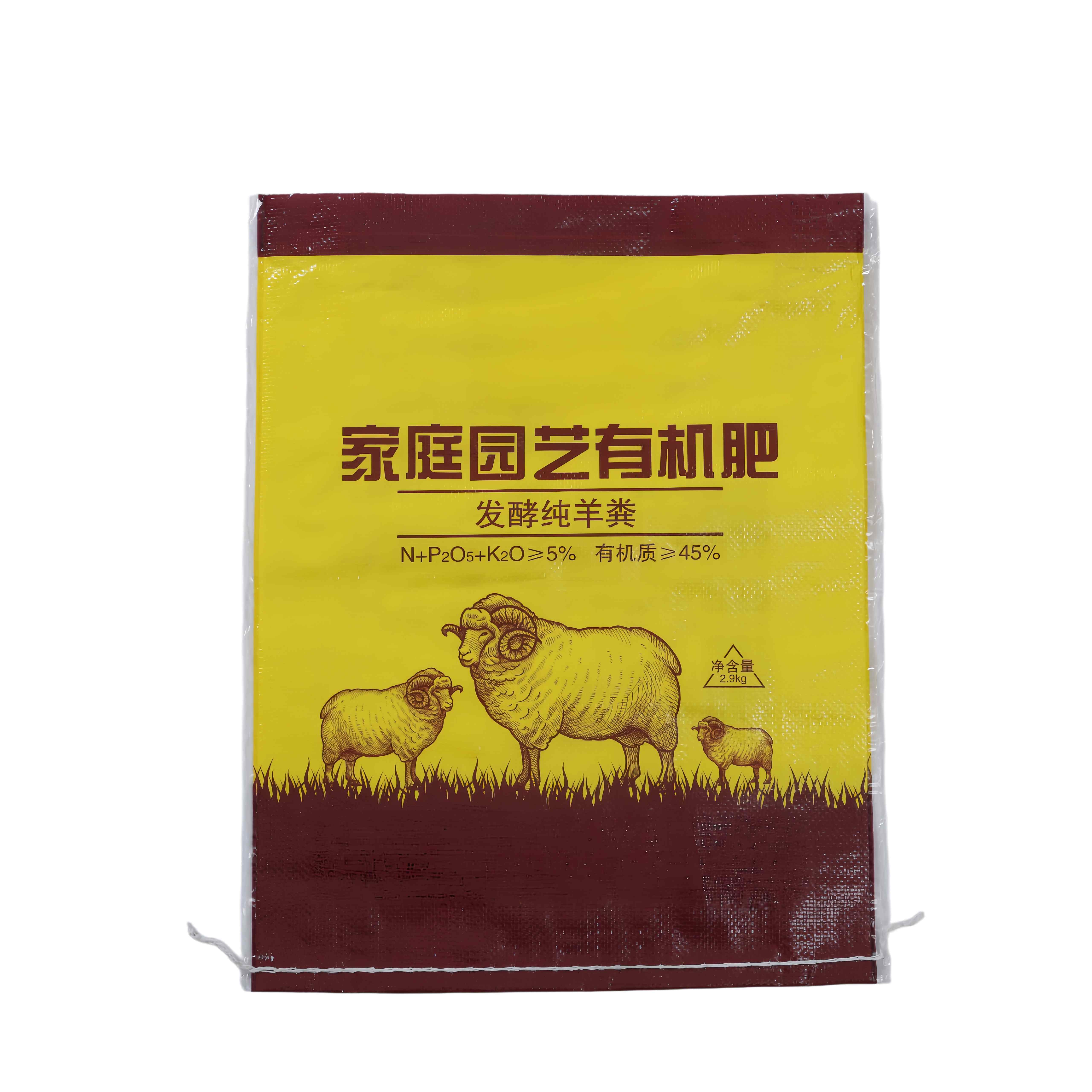
Industrial operations frequently encounter pressure to differentiate products while maintaining operational efficiency and fiscal responsibility. Whether you operate in cement, chemicals, agriculture, or specialty materials, the packaging strategy directly impacts customer perception and market positioning. Plain packaging bag options provide a cost-effective baseline, while printed alternatives offer substantial branding advantages that can justify premium investments when deployed strategically.
Plain packaging solutions represent the traditional approach to bulk packaging, emphasizing functionality and economy. These industrial packaging bags prioritize structural integrity, material durability, and straightforward logistics without additional embellishment. Companies choosing plain formats reduce per-unit costs significantly, allowing greater financial flexibility for materials procurement or operational improvements elsewhere. The pp packaging bag in plain configuration maintains excellent performance for heavy-duty applications while eliminating design and printing expenses.
Plain woven packaging sack designs excel in contexts where regulatory compliance, standardization, or minimalist aesthetics align with business strategy. Many industrial sectors rely on plain configurations for commodity products where end-users value performance over aesthetic presentation. The cost savings from plain formats can reach fifteen to thirty percent compared to fully customized printed alternatives, making this option particularly attractive for high-volume distributors operating on tight margins.
Bulk packaging bag applications frequently benefit from plain designs when products ship to intermediate processors or industrial end-users who care primarily about contents rather than exterior presentation. Construction materials, raw chemicals, agricultural inputs, and manufacturing supplies often move through supply chains where plain industrial packaging bag solutions suffice. Retailers and distributors handling these materials understand that plain packaging reduces overhead while maintaining product protection and handling efficiency.
Printed packaging bags transform ordinary containers into branded marketing assets that reinforce identity and build customer loyalty with every product interaction. Custom printing on a pp packaging bag communicates company values, product specifications, usage instructions, and visual identity directly to end consumers. This visual communication reduces dependency on secondary labeling, creating cleaner shelf presentations and stronger brand recognition in competitive markets. Woven packaging sack customization with logos, colors, and messaging establishes professional credibility that plain alternatives cannot match.
The psychological impact of branded packaging extends beyond aesthetics—it signals quality, establishes trust, and justifies premium pricing for products perceived as professionally presented. Companies leveraging printed industrial packaging bag solutions report improved customer retention and higher perceived value compared to identical products shipped in plain containers. Print quality, color consistency, and design sophistication directly correlate with customer perception of product excellence and company professionalism.
Printed bulk packaging bag formats satisfy multiple business objectives simultaneously by incorporating product information, compliance messaging, sustainability certifications, and promotional content directly on the packaging surface. This integrated approach eliminates the need for separate labels, reducing packaging complexity and potential compliance gaps. Industrial packaging bags featuring clear printing of handling instructions, weight specifications, material composition, and contact information improve customer satisfaction and reduce support inquiries.
Brand consistency across all customer touchpoints strengthens market positioning and supports premium product positioning. A professionally printed pp packaging bag in retail environments functions as point-of-sale advertising, influencing purchase decisions and encouraging brand loyalty. Sustainability messaging, certifications, and social responsibility commitments gain credibility when printed directly on packaging rather than applied as afterthought labels.
Evaluating whether to invest in printed versus plain packaging requires understanding total cost of ownership beyond simple per-unit pricing. A woven packaging sack featuring custom printing requires higher minimum order quantities and upfront design investment, typically justified through volume commitments of fifty thousand units or greater. However, cost per unit frequently decreases significantly at higher volumes, and the marketing value generated by branded packaging often exceeds printing costs through improved sales velocity and customer retention.
Companies must calculate whether enhanced brand perception, reduced secondary labeling costs, and improved customer loyalty justify the premium investment in printed industrial packaging solutions. Businesses targeting consumer channels, retail environments, or premium market segments typically realize substantial ROI from branded packaging investments. Conversely, companies supplying commodity materials to industrial processors often find plain bulk packaging bag options more financially prudent.
Selecting between printed and plain packaging requires honest assessment of market positioning, customer expectations, and competitive dynamics within your industry segment. Premium products sold through retail channels warrant investment in branded pp packaging bags that communicate quality and differentiation. Industrial-to-industrial supply chains moving commodity materials often benefit more from plain woven packaging sack solutions that prioritize functionality and cost efficiency.
Volume forecasting, product shelf life, and design flexibility merit consideration when committing to printed formats. Changes to branding, compliance requirements, or product specifications may necessitate reprinting or inventory obsolescence with custom printed solutions. Plain industrial packaging bags provide greater flexibility for responding to market changes without inventory risk, though they sacrifice branding benefits. Strategic businesses often employ hybrid approaches, using plain packaging for baseline inventory and printed formats for key retail channels or premium product lines.
Plain bulk packaging bag solutions typically reduce per-unit costs by fifteen to thirty percent compared to printed alternatives, depending on volume, customization complexity, and material specifications. A pp packaging bag in plain format eliminates design development, printing setup, and color calibration expenses. However, cost savings must be balanced against lost marketing opportunity and potential need for secondary labeling, which can offset some savings in certain applications.
Printing quality on industrial packaging bags directly influences customer perception of product excellence and company professionalism. High-quality printing on a woven packaging sack with sharp colors, consistent registration, and durable inks enhances brand credibility and justifies premium pricing. Conversely, poor print quality damages brand perception and may discourage customer purchases despite superior product quality. Investment in professional printing services ensures packaging reinforces rather than undermines product positioning and market value.
Plain industrial packaging bags suit commodity supply chains, high-volume cost-sensitive operations, and business-to-business contexts where functionality overshadows aesthetic considerations. Printed pp packaging bags prove advantageous in consumer channels, retail environments, premium market segments, and situations where brand differentiation drives purchasing decisions. Companies serving both market segments often maintain dual packaging strategies, employing plain bulk packaging bags for wholesale distribution and printed solutions for direct consumer channels.

Discover the 4 critical production metrics—throughput, defect rate, equipment uptime & on-time delivery—to vet factories confidently.

Ensure regulatory compliance & worker safety with proven methods for chemical woven bags—material selection, labeling, storage & training.

Discover the full PP woven bag manufacturing workflow—from extrusion & weaving to printing & QC. Boost efficiency, compliance & ROI. Download the process guide now.

Struggling with weak bags or high material waste? Master extrusion and tape drawing tech for stronger, cheaper PP woven bags. Optimize your production line now.

Struggling with defects or customer returns? Discover the 5 non-negotiable quality checkpoints across your woven bag production line
Which automation tier is right for your PP woven bag factory? Compare manual to Industry 4.0 systems for cost, quality, and scalability.
Get in touch for details on polypropylene woven bags and flexible packaging solutions.
Tel
Address
No.2015, Liaoyuan Building, Lanshan District, Linyi City, Shandong Province.China

