 EN
How to Assess Production Efficiency at a PP Woven Bag Factory
Discover the 4 critical production metrics—throughput, defect rate, equipment uptime & on-time delivery—to vet factories confidently.

2026/08/06
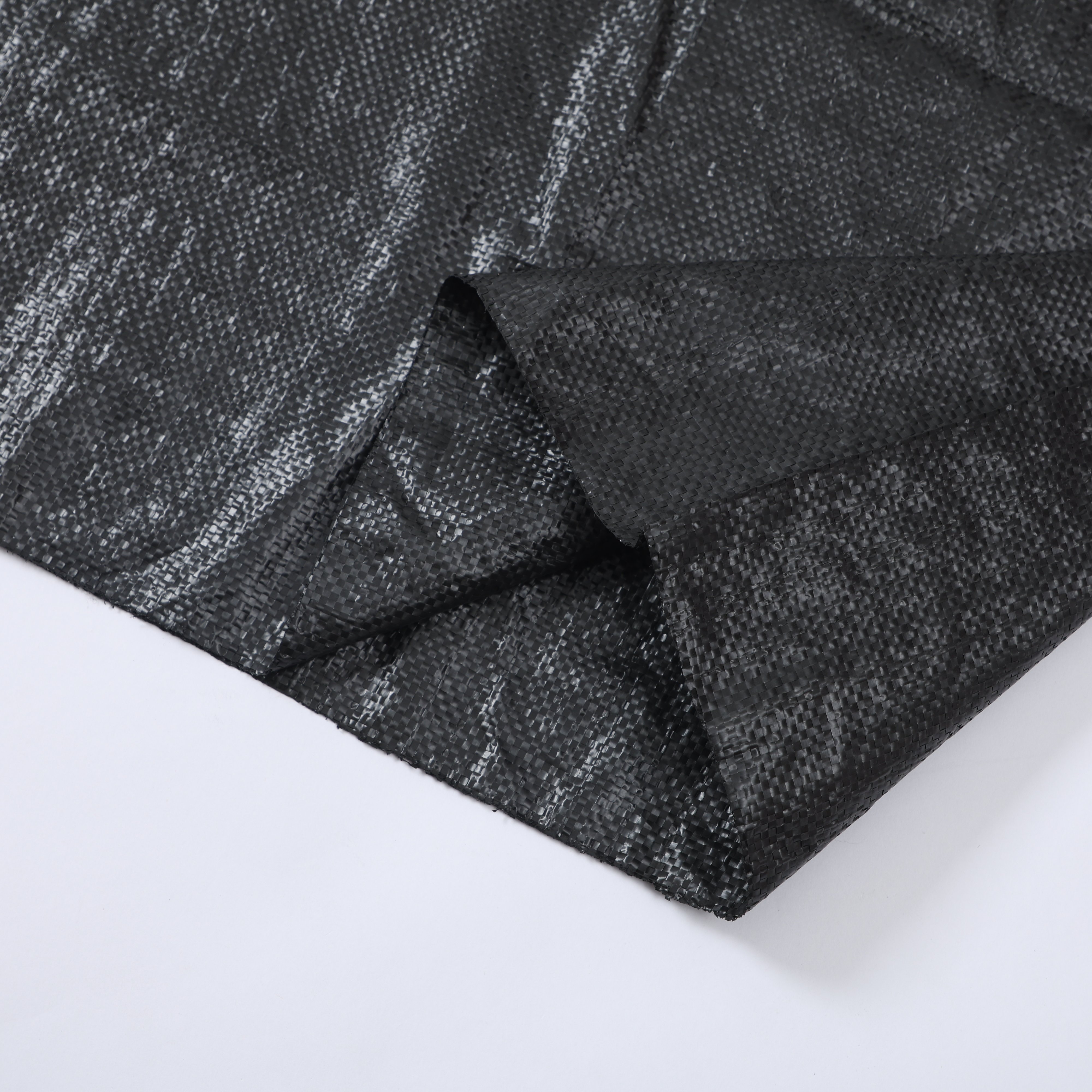
Sustainability has become a critical business imperative across global supply chains, and packaging choices directly influence environmental performance. Organizations seeking to reduce their carbon footprint face a key decision: whether to adopt recycled woven bags or invest in reused packaging bag systems. Both approaches leverage the concept of extending product lifecycles, yet they operate through fundamentally different mechanisms. Understanding the distinction between a recycled woven bag and a secondhand pp bag is essential for making an informed sustainability decision that aligns with corporate goals, operational capabilities, and cost structures.
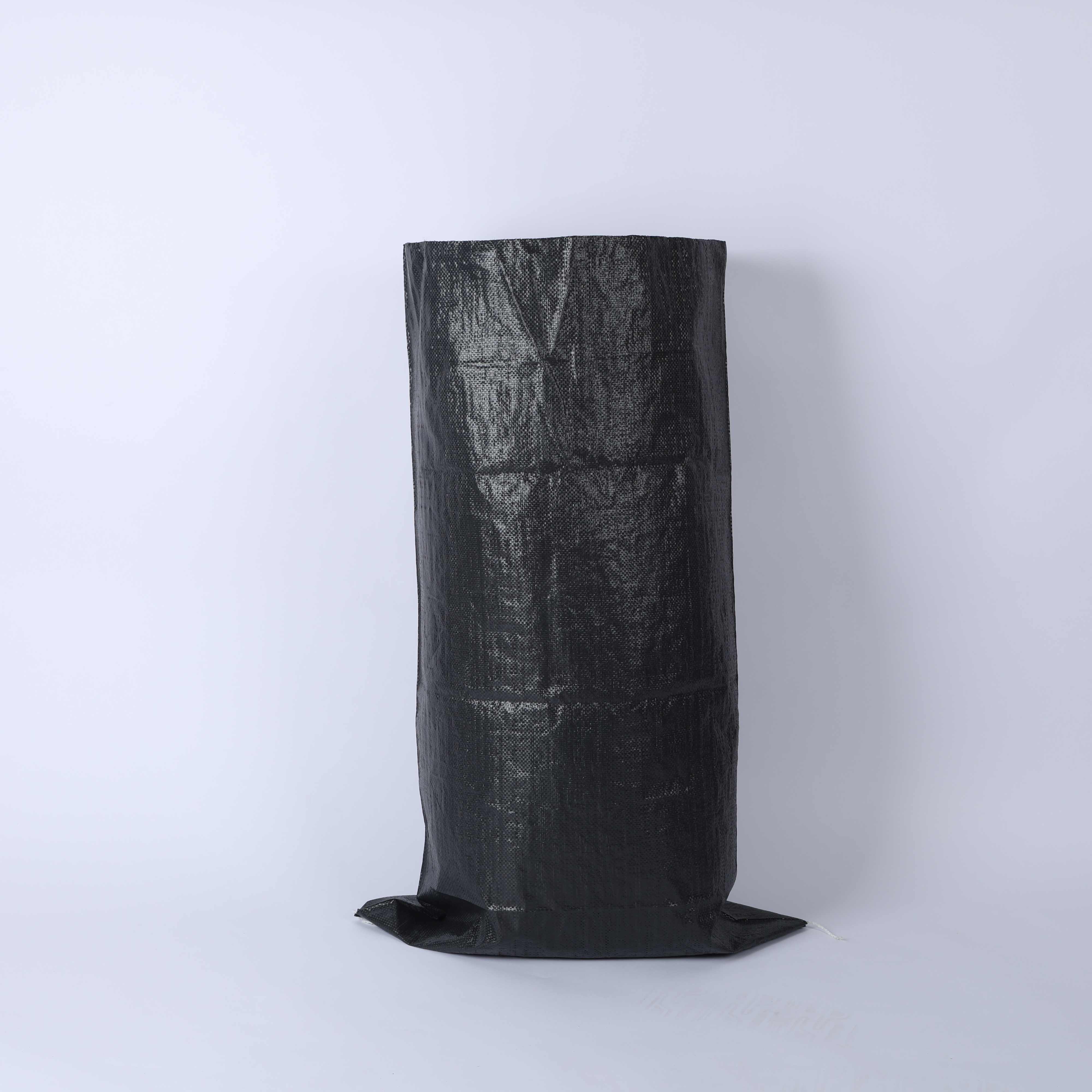
The sustainability landscape demands clarity on how different packaging solutions contribute to circular economy principles. A used bag represents a critical asset in waste reduction strategies, whether it has been manufactured from recycled materials or designed for repeated use cycles. This article examines the environmental impact, operational efficiency, cost implications, and practical deployment scenarios for both recycled woven bag formats and reused packaging bag models, helping organizations identify which approach delivers maximum sustainability value.
A recycled woven bag begins its journey by diverting post-consumer or post-industrial plastic waste from landfills. These used pp sack materials are collected, sorted, cleaned, and processed into new polypropylene fibers suitable for weaving. The production process for recycled material typically requires 50–70% less energy compared to virgin plastic manufacturing, significantly reducing greenhouse gas emissions per unit. Organizations adopting a recycled woven bag strategy immediately benefit from this lower carbon footprint during the manufacturing phase, making it an attractive entry point for sustainability-focused operations.
Many businesses find that recycled woven bag suppliers provide detailed traceability and environmental certifications, including post-consumer recycled (PCR) content percentages and carbon offset documentation. This transparency makes it easier to communicate sustainability achievements to stakeholders, customers, and regulators. A secondhand pp bag, by contrast, typically relies on internal tracking systems rather than third-party certification frameworks. For organizations required to report environmental metrics or seeking third-party verification of green practices, the recycled woven bag option often provides clearer documentation pathways and recognized certification support.
The reused packaging bag model centers on designing bags with exceptional durability and cleanability to withstand multiple round-trip cycles. A used pp sack engineered for reuse can complete 50–100+ cycles before requiring retirement, provided the system includes proper collection, washing, and inspection protocols. This extended lifecycle dramatically reduces the total material consumption across the entire supply chain, offering a fundamentally different sustainability advantage than purchasing new recycled woven bag inventory repeatedly. Organizations implementing reused packaging bag networks must invest in logistics infrastructure, return mechanisms, and cleaning facilities, but the long-term material reduction can exceed the environmental gains from single-use recycled alternatives.
Successfully deploying a reused packaging bag strategy requires establishing reverse supply chain systems where empty bags return to a central washing and redistribution facility. A secondhand pp bag program demands coordination with distribution partners, carrier systems, and warehouse locations to ensure consistent collection and turnaround. This operational complexity differs substantially from the recycled woven bag model, which operates within existing linear procurement processes. While the infrastructure investment is significant, companies that master reused packaging bag logistics gain competitive advantages in supply chain resilience, brand differentiation, and long-term cost stability.
Adopting a recycled woven bag strategy typically requires minimal upfront infrastructure changes. The used bag can be ordered through standard procurement channels, treated like conventional packaging, and disposed of at end-of-life. Operating costs remain predictable and linear: more bags shipped equals higher packaging expenses. Conversely, implementing a reused packaging bag system demands significant initial capital for collection equipment, washing facilities, tracking software, and trained personnel. The secondhand pp bag model shifts economics from per-unit material costs to per-cycle operational expenses, requiring 3–5 years of continuous operation before cumulative cost advantages emerge compared to purchasing recycled woven bag inventory annually.
While a recycled woven bag presents lower capital requirements, the reused packaging bag approach delivers superior economics over extended time horizons. Organizations moving 50,000+ units annually find that a secondhand pp bag program reaches cost parity within 24–36 months, then delivers continuous savings as material expenses decline. A used pp sack designed for 75 cycles effectively reduces per-shipment packaging costs by 70–80% after the payback period. For smaller operations or seasonal businesses, the recycled woven bag remains financially superior, while large integrated supply chains find the reused packaging bag investment increasingly attractive as volumes scale.
Organizations must honestly assess internal capabilities before committing to either strategy. A recycled woven bag approach suits companies seeking immediate sustainability improvements with minimal operational disruption. The used bag integrates smoothly into existing procurement, warehousing, and disposal systems. A reused packaging bag network requires supply chain visibility, partner coordination, and reverse logistics management. Companies lacking mature logistics platforms or distributed customer bases may find the secondhand pp bag model operationally overwhelming during initial implementation, despite long-term financial benefits.
Different sustainability objectives suggest different solutions. If immediate carbon reduction and third-party verification matter most, a recycled woven bag delivers documented progress quickly. Organizations pursuing true circular economy transformation and zero-waste targets find that a used pp sack deployed through reuse networks creates more compelling sustainability narratives. Stakeholders increasingly distinguish between incremental improvements using recycled woven bag alternatives and transformational circular systems using reused packaging bag infrastructure. Aligning packaging strategy with communicated environmental commitments ensures credibility and prevents greenwashing concerns.
A recycled woven bag reduces manufacturing energy by 50–70%, diverts waste from landfills, and typically contains documented post-consumer recycled content. This used bag option delivers immediate carbon footprint reduction and supports circular material flows without requiring complex return logistics or reverse supply chain infrastructure.
A well-designed reused packaging bag can complete 50–100+ cycles when subjected to regular washing, inspection, and repair protocols. The secondhand pp bag lifespan depends on material quality, item weight capacity, handling conditions, and maintenance systems. Organizations implementing rigorous reuse networks typically achieve 75–85 cycles per used pp sack before retirement.
Small businesses and seasonal operations typically find the recycled woven bag strategy more practical, as it requires no reverse logistics infrastructure or collection systems. A used bag can be ordered through standard suppliers, used conventionally, and discarded without operational complexity. Reused packaging bag programs demand scale and logistics maturity to justify infrastructure investment.

Discover the 4 critical production metrics—throughput, defect rate, equipment uptime & on-time delivery—to vet factories confidently.

Ensure regulatory compliance & worker safety with proven methods for chemical woven bags—material selection, labeling, storage & training.

Discover the full PP woven bag manufacturing workflow—from extrusion & weaving to printing & QC. Boost efficiency, compliance & ROI. Download the process guide now.

Struggling with weak bags or high material waste? Master extrusion and tape drawing tech for stronger, cheaper PP woven bags. Optimize your production line now.

Struggling with defects or customer returns? Discover the 5 non-negotiable quality checkpoints across your woven bag production line
Which automation tier is right for your PP woven bag factory? Compare manual to Industry 4.0 systems for cost, quality, and scalability.
Get in touch for details on polypropylene woven bags and flexible packaging solutions.
Tel
Address
No.2015, Liaoyuan Building, Lanshan District, Linyi City, Shandong Province.China

