 EN
How to Assess Production Efficiency at a PP Woven Bag Factory
Discover the 4 critical production metrics—throughput, defect rate, equipment uptime & on-time delivery—to vet factories confidently.

2026/08/25
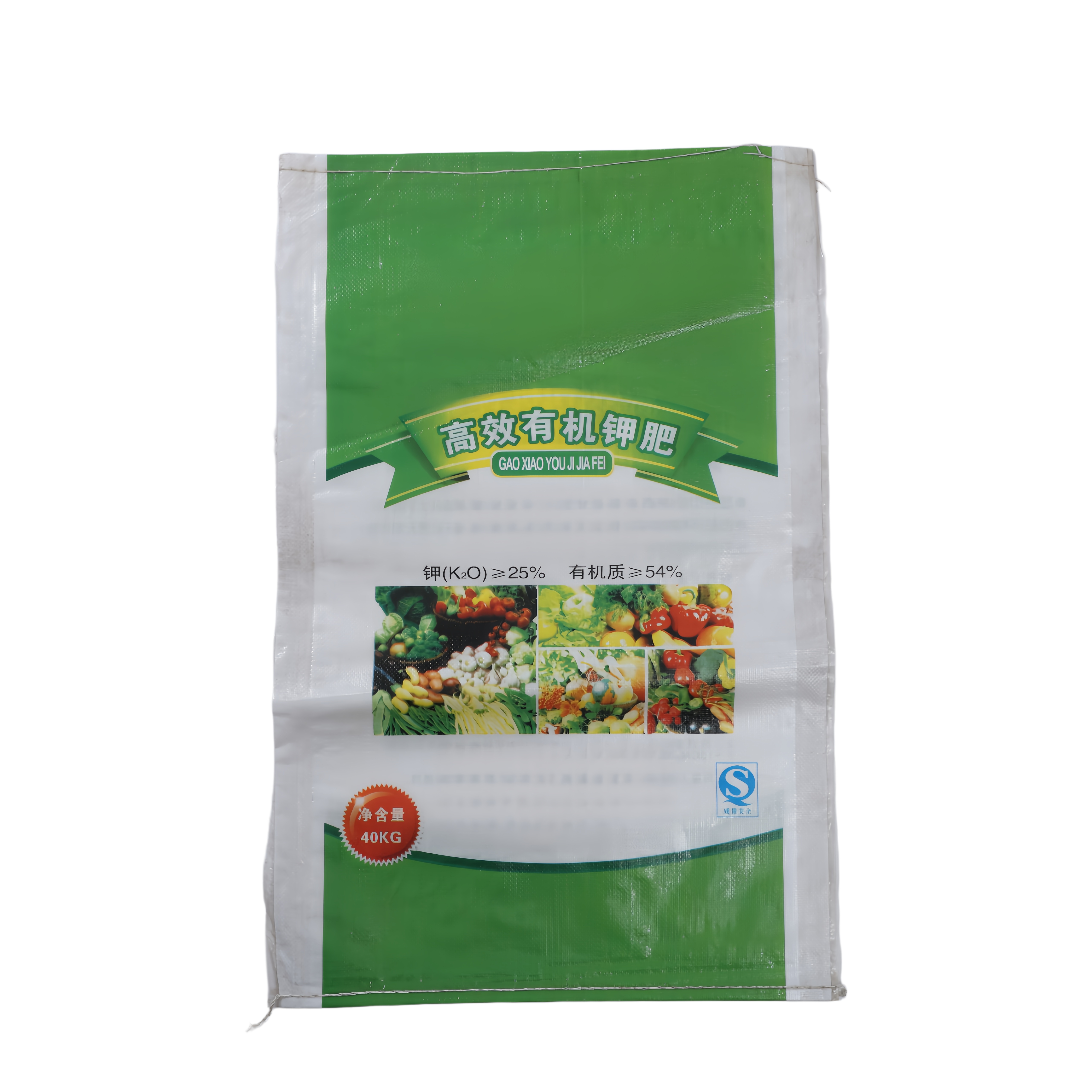
Selecting the right Rice Bag Manufacturer is a critical decision that directly impacts your supply chain reliability, cost efficiency, and product quality. Whether you source from regional producers or international suppliers, understanding the trade-offs between proximity, scale, and service capacity will shape your procurement strategy for years to come.
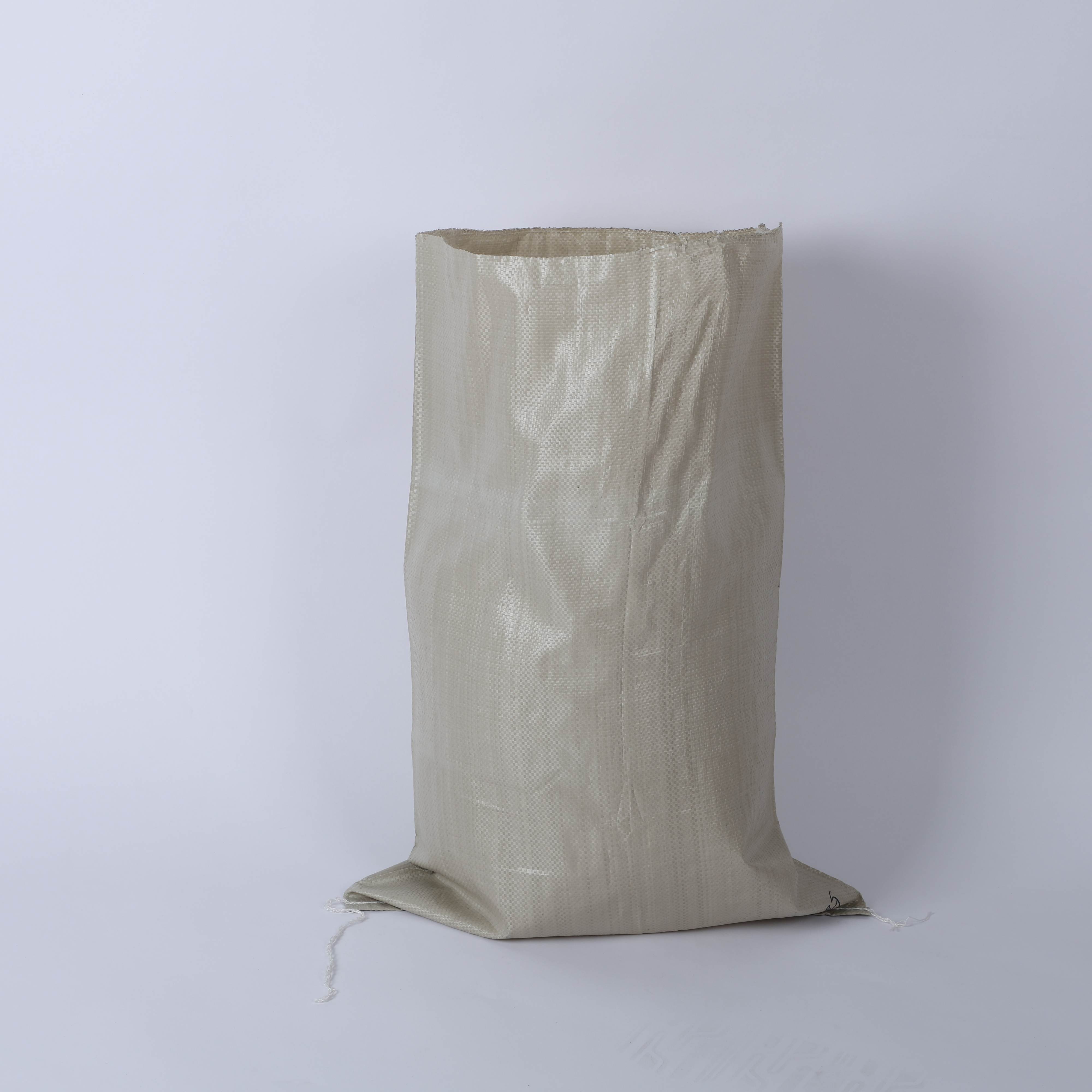
The rice packaging industry has evolved significantly, with both regional rice bag factories and large international operations now competing for market share. Your choice between these sources will affect lead times, minimum order quantities, customization options, and overall supply stability. This guide explores the key differences and helps you make an informed decision aligned with your business objectives.
Regional rice bag factories offer geographic proximity that translates into shorter lead times and more responsive customer service. When working with a local rice packaging supplier, you can expect faster communication, quicker problem resolution, and the ability to visit facilities in person if needed. This reduces logistics complexity and often minimizes shipping costs, particularly for high-volume orders that would otherwise incur substantial international freight charges.
A regional rice bag factory typically maintains smaller but more agile production schedules. This flexibility allows them to accommodate rush orders and last-minute specification changes without the operational constraints that larger, geographically distant facilities face. For businesses with seasonal demand fluctuations or unpredictable market conditions, this local responsiveness becomes a significant competitive advantage in maintaining supply stability.
Local rice packaging suppliers often excel at custom rice bag production tailored to your exact specifications. Because they operate on a smaller scale, they can dedicate technical resources to understanding your unique packaging requirements, material preferences, and branding needs. This personalized approach often results in higher-quality output and stronger long-term partnerships built on direct communication and shared problem-solving.
Regional manufacturers typically offer more flexibility in pp rice bag production runs, allowing smaller minimum order quantities than international competitors. This accessibility makes them ideal for emerging businesses, specialty rice producers, or companies testing new market segments without committing to massive bulk purchases upfront.
International rice bag factories leverage massive production infrastructure, advanced automation, and economies of scale that regional competitors cannot match. These large-scale operations achieve significantly lower per-unit costs, enabling competitive pricing for high-volume orders. If your business requires consistent, predictable bulk shipments of standard pp rice bag production configurations, international suppliers often deliver better pricing without compromising quality.
The production capacity of major international rice packaging suppliers is virtually unlimited. They can handle orders ranging from tens of tons to hundreds of tons with consistent quality and reliability. For large agricultural operations, grain trading companies, or distributors serving multiple regional markets, this capacity ensures you never face production bottlenecks or allocation shortages.
International rice bag manufacturers operate under stringent quality control protocols, certifications, and industry standards that provide supply chain certainty. Their documented processes, multiple production facilities, and redundant systems ensure that even if one factory experiences disruptions, your orders continue flowing. This built-in resilience protects you from supply interruptions caused by local equipment failures, labor disputes, or regional logistical challenges.
Large international rice packaging suppliers maintain extensive inventory buffers and can supply from multiple regional warehouses. This distribution network reduces your inventory carrying costs while guaranteeing rapid order fulfillment. They also invest heavily in research and development, staying ahead of market trends and offering innovative custom rice bag solutions that reflect industry best practices.
Supply stability depends on carefully balancing your sourcing strategy across regional and international rice bag factory partnerships. Relying entirely on a single regional supplier exposes you to facility-specific risks, while depending solely on distant international manufacturers introduces currency fluctuations, geopolitical uncertainties, and extended lead-time vulnerabilities. A hybrid approach using both regional rice packaging suppliers for responsive stock and international sources for bulk base inventory creates operational resilience.
Assessing supply stability requires evaluating each rice bag manufacturer's financial health, production diversification, and contractual commitments. International suppliers often provide written guarantees and service level agreements, while regional producers may offer handshake agreements backed by personal relationships. For mission-critical rice packaging needs, documented commitments from established international facilities provide stronger protection against unexpected disruptions.
Your optimal sourcing strategy depends on your business model, order frequency, seasonal patterns, and competitive positioning. Premium specialty rice producers benefit from customization flexibility offered by regional rice bag factories, even at slightly higher unit costs. Conversely, commodity rice wholesalers and export operations justify the complexity of international sourcing to capture price advantages that offset logistics overhead.
Consider your pp rice bag production volume trends, growth trajectory, and market expansion plans. Fast-growing businesses may outgrow regional capacity within eighteen to twenty-four months, making early relationships with international suppliers strategically valuable. Conversely, stable, mature operations may find optimal supply stability through deep partnerships with established regional rice packaging suppliers who understand their unique operational rhythms and can deliver consistent quality without the friction of international logistics.
Regional rice bag factories typically deliver within two to four weeks, accounting for local production and short-distance transportation. International rice packaging suppliers usually require four to eight weeks for production and ocean freight, though expedited air options exist at higher cost. Lead times vary significantly based on order size, current factory utilization, and seasonal demand fluctuations at each facility.
Regional rice bag factories often accept orders as small as five to ten tons for custom rice bag configurations, prioritizing flexibility and client relationships. International manufacturers typically enforce minimum orders of twenty-five to fifty tons to justify production setup costs and maintain operational efficiency across their massive facilities.
Yes, established international rice bag manufacturers offer extensive customization for pp rice bag production, including graphics, material specifications, and structural modifications. However, custom work at international facilities typically requires larger minimum quantities and longer lead times than regional suppliers, though the finished quality and consistency often exceed regional standards once production commences.

Discover the 4 critical production metrics—throughput, defect rate, equipment uptime & on-time delivery—to vet factories confidently.

Ensure regulatory compliance & worker safety with proven methods for chemical woven bags—material selection, labeling, storage & training.

Discover the full PP woven bag manufacturing workflow—from extrusion & weaving to printing & QC. Boost efficiency, compliance & ROI. Download the process guide now.

Struggling with weak bags or high material waste? Master extrusion and tape drawing tech for stronger, cheaper PP woven bags. Optimize your production line now.

Struggling with defects or customer returns? Discover the 5 non-negotiable quality checkpoints across your woven bag production line
Which automation tier is right for your PP woven bag factory? Compare manual to Industry 4.0 systems for cost, quality, and scalability.
Get in touch for details on polypropylene woven bags and flexible packaging solutions.
Tel
Address
No.2015, Liaoyuan Building, Lanshan District, Linyi City, Shandong Province.China

