 EN
How to Assess Production Efficiency at a PP Woven Bag Factory
Discover the 4 critical production metrics—throughput, defect rate, equipment uptime & on-time delivery—to vet factories confidently.

2026/08/26
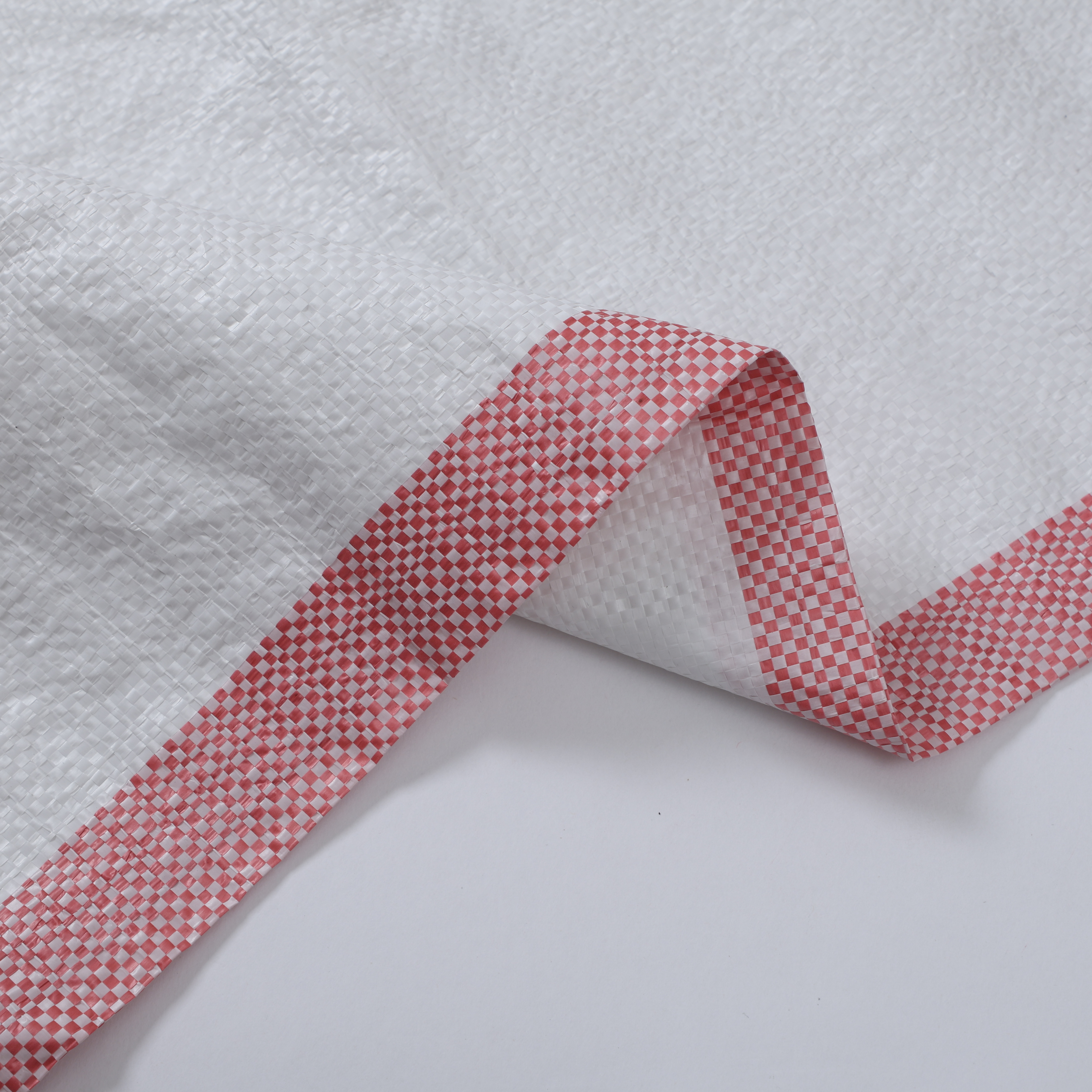
Farmers face a critical decision when selecting agricultural packaging bags for their operations. The choice between reusable and single season options directly impacts operational costs, environmental responsibility, and storage efficiency across harvest cycles. Understanding the practical differences between these two approaches helps farm managers make informed decisions that align with their production scale, crop type, and financial constraints.
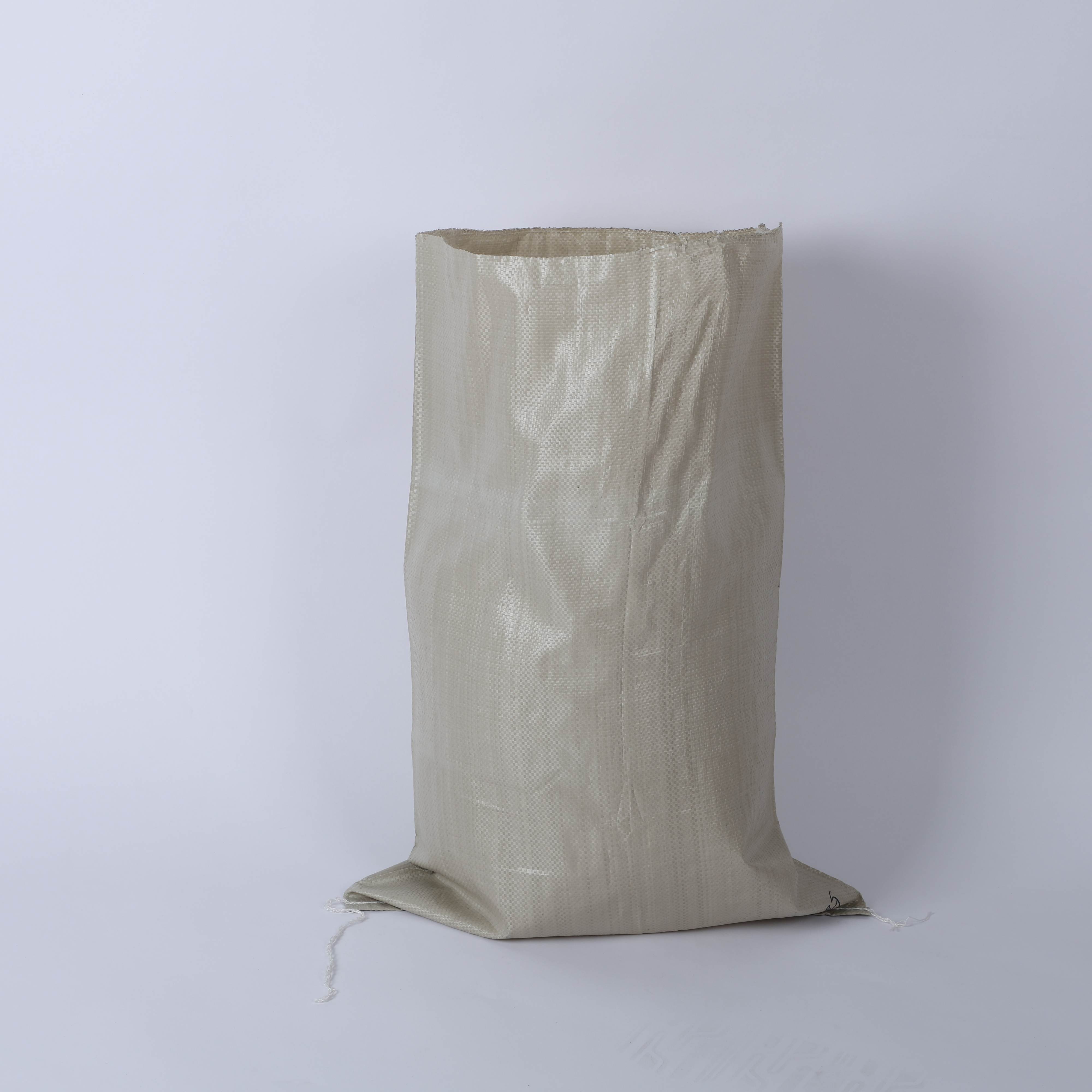
The selection of farm packaging bag solutions requires weighing durability, cost efficiency, and long-term value. Both reusable and single season produce storage bag options serve legitimate purposes depending on farm size, crop characteristics, and storage conditions. This comparison explores the technical, financial, and operational dimensions of each approach to help you determine which crop packaging solution best serves your agricultural needs.
Reusable agricultural packaging bags are engineered for multiple harvest cycles, typically lasting 5 to 10 years with proper care. These pp agricultural packaging solutions use reinforced polypropylene material with higher thread density and sealed seams designed to withstand repeated filling, transport, and storage. The thicker material and advanced weaving techniques create structures that resist tearing, puncturing, and UV degradation far better than single season alternatives.
The construction quality of reusable farm packaging bag products directly correlates with lifespan. Premium pp agricultural packaging includes protective coatings, moisture barriers, and reinforced handles that maintain integrity across extended use. Investing in higher-grade materials initially ensures that your crop packaging solution continues performing reliably through multiple seasons without requiring replacement.
The upfront investment in reusable agricultural packaging bags typically ranges 30 to 50 percent higher than single season options. However, when spread across 5 to 10 years of use, the cost per season becomes substantially lower than purchasing new produce storage bag inventory annually. Farms handling consistent volumes of crops benefit significantly from this amortized cost structure, particularly when storage requirements remain stable across years.
Calculating true return on investment requires accounting for cleaning, maintenance, and storage expenses associated with reusable farm packaging bag systems. Most operations recover their initial investment within 3 to 4 seasons, after which each additional year generates pure financial benefit. This economic advantage becomes more pronounced on larger operations where purchasing volume justifies initial capital expenditure for durable pp agricultural packaging infrastructure.
Single season agricultural packaging bags offer flexibility that reusable systems cannot match. Farms managing multiple crop types, inconsistent yields, or specialized handling requirements benefit from disposable produce storage bag options that require no storage, cleaning, or maintenance between uses. When crop packaging solution needs vary significantly from year to year, purchasing single season bags eliminates the burden of managing inventory misalignment.
The convenience factor of single season farm packaging bag solutions proves valuable during labor shortages or unexpected operational changes. Farmers can quickly scale packaging volume without investing in additional durable equipment or managing complex inventory systems. This flexibility particularly benefits smaller operations, specialty crop producers, or farms testing new product lines where commitment to reusable pp agricultural packaging infrastructure may not justify the expense.
Certain produce storage bag applications naturally favor single season solutions due to contamination concerns or sanitation requirements. Farms producing organic crops, specialty vegetables, or products destined for premium markets sometimes prefer the guarantee of unused packaging. Single season agricultural packaging bags eliminate cross-contamination risks inherent to reusable systems, providing peace of mind for crops requiring strict sanitation protocols.
Specialized crop packaging solution requirements sometimes make disposable bags the optimal choice. High-moisture produce may damage reusable farm packaging bag materials if proper drying cannot occur between seasons. Conversely, crops susceptible to odor retention or fungal growth benefit from the guaranteed cleanliness of new pp agricultural packaging with each harvest, reducing disease transmission risk across successive plantings.
Reusable agricultural packaging bags require dedicated storage space, often consuming 20 to 30 percent more facility area than disposable systems. Farms must maintain climate-controlled storage to prevent moisture degradation, pest infestation, and UV damage to their produce storage bag inventory. This infrastructure investment includes shelving, rodent prevention systems, and periodic inspection protocols to ensure that farm packaging bag assets remain production-ready.
Single season crop packaging solution models eliminate storage complexity. Bags arrive in compact, stackable pallets and proceed directly to use after delivery. This streamlined approach reduces facility management burden and frees valuable warehouse space for actual crop storage and processing. Farms with limited infrastructure prefer this simplicity, even when accepting higher per-unit costs for their pp agricultural packaging consumption.
Maintaining reusable agricultural packaging bags demands ongoing labor investment. Cleaning protocols, damage inspections, repair procedures, and organized inventory tracking require dedicated staff time or contracted services. Farms operating seasonal schedules must allocate resources during off-season periods to prepare produce storage bag systems for the next cycle, creating consistent expenses beyond the initial purchase price of durable farm packaging bag materials.
The disposal model minimizes maintenance burden but increases material waste stream management responsibility. Farms must establish protocols for recycling or disposal of used single season crop packaging solutions, involving collection, transportation, and processing fees. Many operations partner with waste management or recycling providers to handle end-of-life pp agricultural packaging, adding complexity and cost that reusable systems eliminate entirely.
Reusable agricultural packaging bags represent a lower environmental impact choice over their full lifecycle. Reducing material consumption through extended use minimizes plastic production, transportation emissions, and waste generation. Farms prioritizing sustainability practices find that long-term use of durable farm packaging bag systems aligns with environmental stewardship goals, particularly when paired with proper recycling at end-of-life.
However, environmental assessment requires nuanced analysis. Modern pp agricultural packaging often incorporates recycled content, and some facilities have improved recycling infrastructure. Single season produce storage bag options may prove environmentally preferable when sourced from suppliers using 100 percent recycled polypropylene. The crop packaging solution with lowest environmental impact depends on specific material composition, transportation distances, and regional recycling capabilities rather than reusable versus disposable categorization alone.
Reusable agricultural packaging bags consistently outlast single season alternatives, typically functioning for 5 to 10 years with proper maintenance. Durable farm packaging bag materials featuring reinforced pp agricultural packaging construction withstand repeated filling cycles, transport stress, and environmental exposure far better than disposable produce storage bag products designed for single-use. This longevity forms the economic foundation justifying the higher initial investment in quality reusable systems.
Initial costs favor single season crop packaging solutions, but reusable agricultural packaging bags become more economical after 3 to 4 seasons of use. Once recovered, the cost per season for pp agricultural packaging systems drops significantly below annual disposable purchases. Farms managing consistent storage volumes see substantial savings over 10-year periods when calculating total cost of ownership including maintenance, storage, and replacement expenses versus cumulative single season produce storage bag expenditures.
Single season farm packaging bag solutions provide superior flexibility for specialty crops, experimental harvests, or highly variable volumes. The disposable crop packaging solution model eliminates inventory risk and storage burden when precise volume forecasting proves difficult. Conversely, established operations with consistent production patterns find that investment in reusable agricultural packaging bags with durable pp agricultural packaging construction delivers better long-term value and operational stability regardless of annual volume fluctuations.

Discover the 4 critical production metrics—throughput, defect rate, equipment uptime & on-time delivery—to vet factories confidently.

Ensure regulatory compliance & worker safety with proven methods for chemical woven bags—material selection, labeling, storage & training.

Discover the full PP woven bag manufacturing workflow—from extrusion & weaving to printing & QC. Boost efficiency, compliance & ROI. Download the process guide now.

Struggling with weak bags or high material waste? Master extrusion and tape drawing tech for stronger, cheaper PP woven bags. Optimize your production line now.

Struggling with defects or customer returns? Discover the 5 non-negotiable quality checkpoints across your woven bag production line
Which automation tier is right for your PP woven bag factory? Compare manual to Industry 4.0 systems for cost, quality, and scalability.
Get in touch for details on polypropylene woven bags and flexible packaging solutions.
Tel
Address
No.2015, Liaoyuan Building, Lanshan District, Linyi City, Shandong Province.China

