 EN
How to Assess Production Efficiency at a PP Woven Bag Factory
Discover the 4 critical production metrics—throughput, defect rate, equipment uptime & on-time delivery—to vet factories confidently.

2026/08/12
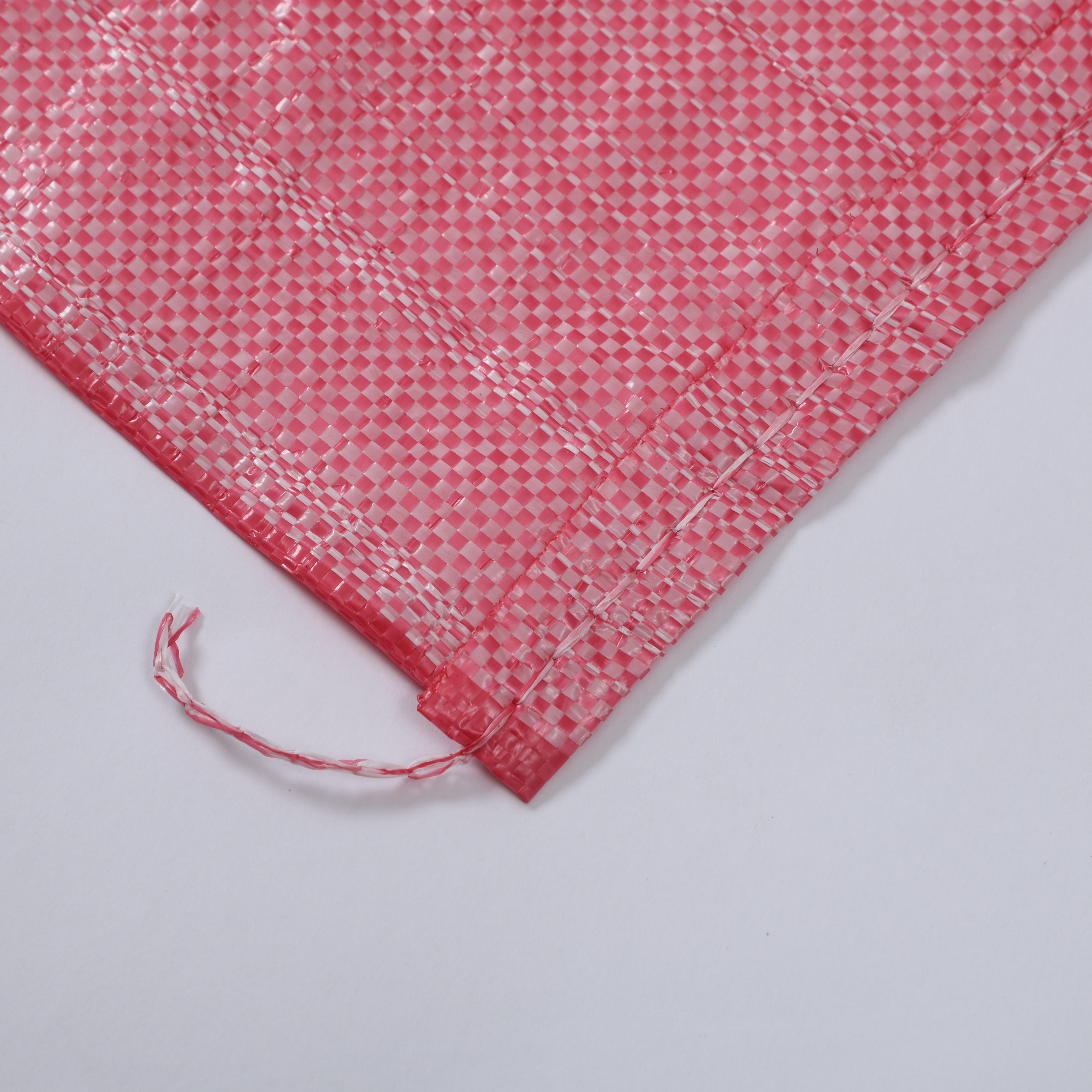
Warehouse operations demand strategic decisions about materials, logistics, and cost efficiency. One critical choice that often gets overlooked is the selection between reusable and single-use packaging bags. This decision impacts not only immediate shipping costs but also long-term sustainability, operational workflow, and brand reputation. A robust packaging bag solution must align with your operational scale, product type, and environmental commitments.
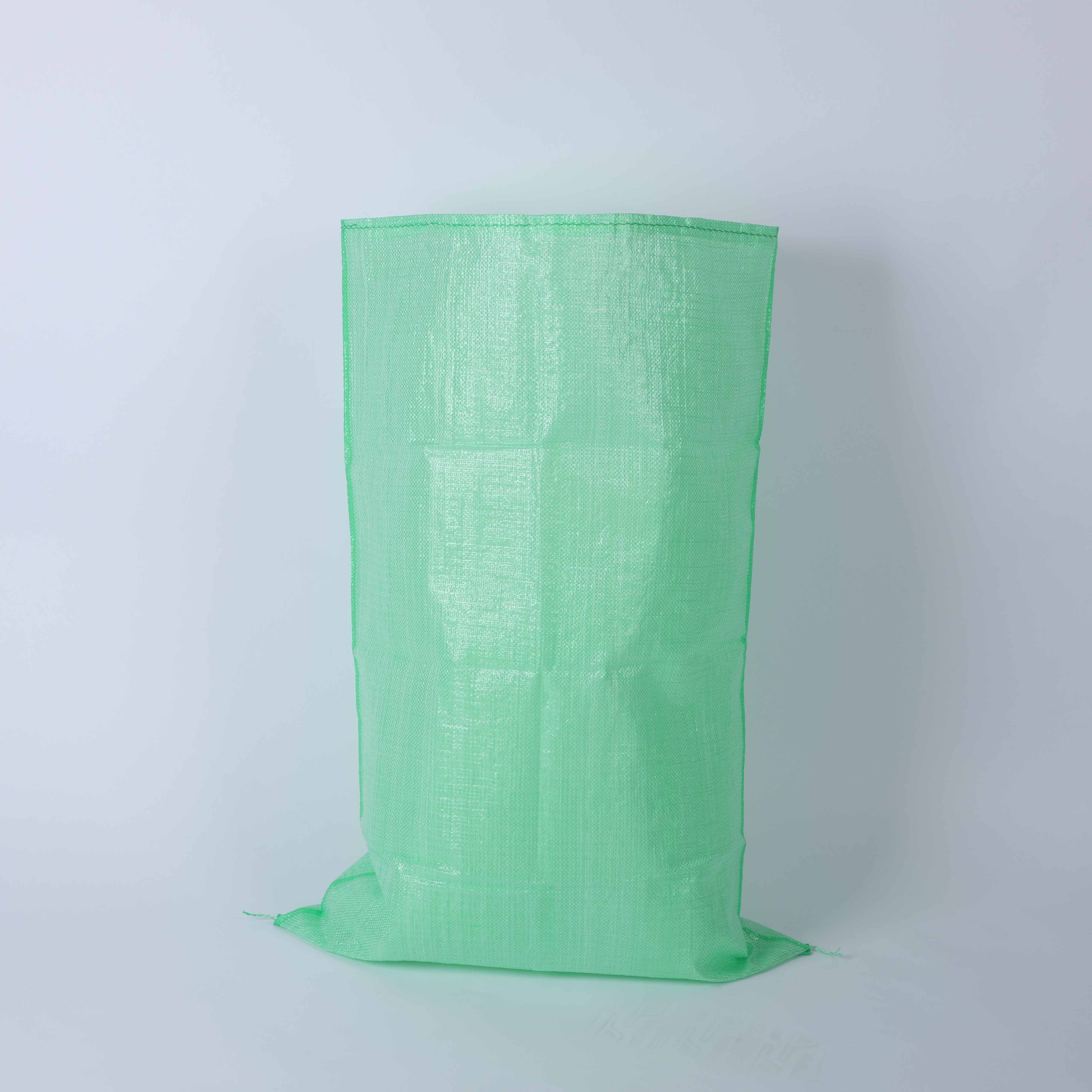
Understanding the differences between these two approaches requires evaluating durability, cost per use, environmental impact, and suitability for different product categories. Whether you handle bulk items, fragile goods, or high-volume shipments, the right choice between reusable and single-use solutions determines warehouse efficiency and customer satisfaction.
Single-use packaging bags typically cost less per unit upfront. However, when calculated across multiple shipments, the total cost of ownership shifts dramatically. A bulk packaging bag used repeatedly generates value through multiple product cycles, while single-use options accumulate waste and require constant replacement purchases. Industries shipping heavy or high-value items often find that investing in durable, reusable solutions pays back within six to twelve months of regular use.
The pp packaging bag category, particularly polypropylene woven varieties, demonstrates this economics principle clearly. These industrial packaging bag options withstand fifty to one hundred uses before degradation occurs. Organizations that ship products weekly or handle seasonal surges benefit enormously from this longevity, as purchasing volume decreases substantially once infrastructure shifts to reusable models.
Beyond material expenses, single-use packaging bags generate disposal costs, compliance documentation, and supply chain management overhead. Storage space for thousands of unused bags compounds these expenses. Conversely, reusable woven packaging sack systems require investment in washing, inspection, and repair protocols. Yet this infrastructure, once established, operates at predictable cost levels and reduces the chaos of constantly reordering supplies.
Bulk packaging bag programs create predictable inventory levels, reduce emergency orders at premium rates, and minimize production disruptions caused by supply shortages. Warehouses adopting reusable models report twenty to thirty percent reductions in packaging-related operational costs after the transition period.
Reusable pp packaging bags engineered from high-strength polypropylene fibers resist tears, punctures, and environmental degradation far better than conventional single-use alternatives. A durable industrial packaging bag survives rough handling, temperature fluctuations, and repeated washing cycles that would destroy standard options. This resilience directly supports warehouse operations where materials move through loading docks, storage areas, and transportation networks under demanding conditions.
The woven packaging sack construction method creates cross-directional fiber patterns that distribute stress evenly. This design prevents catastrophic failure during the lifting, stacking, and transport phases that characterize bulk packaging bag applications. Products remain secure, damage rates decrease, and customer complaints related to compromised packaging decline noticeably.
Single-use packaging bags generate substantial landfill contributions annually. Modern consumers and corporate procurement teams increasingly scrutinize packaging choices as sustainability markers. Organizations choosing reusable bulk packaging bag solutions signal environmental responsibility, often resulting in preferred supplier status among eco-conscious clients. This competitive advantage, though difficult to quantify precisely, influences contract renewals and volume commitments.
Transitioning to a reusable pp packaging bag system reduces a warehouse's carbon footprint significantly. Manufacturing fewer bags, reducing transportation weight, and eliminating disposal logistics all contribute to lower total emissions. For companies operating under environmental certifications or sustainability pledges, this shift becomes not just economically sensible but operationally essential.
Not all products suit reusable woven packaging sack environments equally. Items requiring sterile packaging, single-vendor delivery confirmations, or regulatory compliance documentation may necessitate single-use models. Conversely, raw materials, agricultural products, manufacturing inputs, and non-perishable goods thrive under reusable industrial packaging bag programs. Warehouse managers must evaluate product type, regulatory requirements, and customer expectations before committing to either model.
Bulk packaging bag systems work exceptionally well for industries handling quantities exceeding one thousand units per shipment. Chemical suppliers, agricultural distributors, construction material warehouses, and manufacturing input providers consistently benefit from transitioning to durable reusable solutions. These sectors demonstrate highest ROI from pp packaging bag conversions.
Reusable bulk packaging bag adoption requires workflow redesign. Staff must learn proper handling, storage, and cleaning procedures. Return logistics need coordination with carriers. Inspection protocols ensure bags remain fit for service. Initial disruption typically lasts four to eight weeks before new processes become routine. Organizations with mature warehouse management systems adapt faster, as inventory tracking and rotation controls integrate seamlessly with reusable infrastructure.
Single-use packaging bag operations feel familiar and require minimal process change. However, ongoing supply chain management generates constant friction. Stock-outs occur unexpectedly, emergency purchases spike costs, and disposal processes demand continuous attention. For warehouses seeking simplicity over savings, single-use models offer advantages despite higher total cost.
No single approach suits all warehouse operations. A hybrid model often works best, using reusable bulk packaging bags for high-volume commodity shipments while maintaining single-use options for specialized products, regulatory-sensitive items, or low-frequency shipments. Evaluate your shipping volume, product categories, and customer base before committing fully to either system.
Industrial packaging bags manufactured from reinforced polypropylene typically withstand fifty to one hundred complete use cycles under normal warehouse handling. Lifespan varies based on product weight, material composition, climate exposure, and care protocols. Proper washing, inspection, and storage extend useful life significantly. Some high-quality woven packaging sack options exceed one hundred fifty uses before replacement becomes necessary.
Monthly shipping volume represents the primary factor. Operations sending more than five thousand units monthly typically achieve payback within one year of conversion. Secondary factors include product type consistency, customer willingness to return bags, regulatory simplicity, and access to efficient cleaning infrastructure. Organizations with these advantages commonly reduce packaging costs by twenty to forty percent after transitioning to reusable solutions.

Discover the 4 critical production metrics—throughput, defect rate, equipment uptime & on-time delivery—to vet factories confidently.

Ensure regulatory compliance & worker safety with proven methods for chemical woven bags—material selection, labeling, storage & training.

Discover the full PP woven bag manufacturing workflow—from extrusion & weaving to printing & QC. Boost efficiency, compliance & ROI. Download the process guide now.

Struggling with weak bags or high material waste? Master extrusion and tape drawing tech for stronger, cheaper PP woven bags. Optimize your production line now.

Struggling with defects or customer returns? Discover the 5 non-negotiable quality checkpoints across your woven bag production line
Which automation tier is right for your PP woven bag factory? Compare manual to Industry 4.0 systems for cost, quality, and scalability.
Get in touch for details on polypropylene woven bags and flexible packaging solutions.
Tel
Address
No.2015, Liaoyuan Building, Lanshan District, Linyi City, Shandong Province.China

