 EN
How to Assess Production Efficiency at a PP Woven Bag Factory
Discover the 4 critical production metrics—throughput, defect rate, equipment uptime & on-time delivery—to vet factories confidently.

2026/09/01
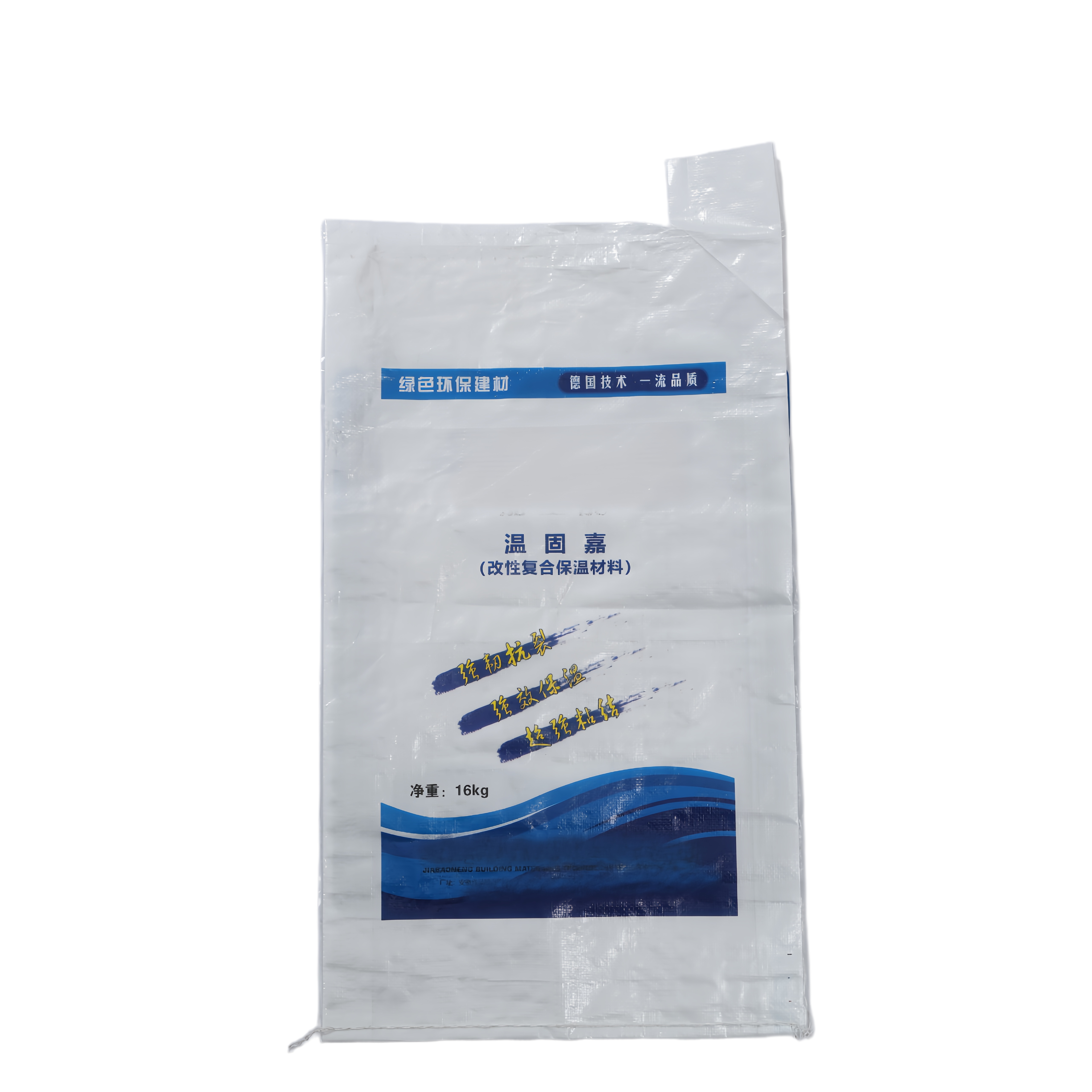
Selecting the right cement bag for long distance shipping requires understanding the fundamental differences between single and double layer construction. A single layer cement bag typically consists of one sheet of woven polypropylene material, while a double layer cement bag features two distinct layers bonded together for enhanced durability and protection. This distinction becomes critical when cement must travel across challenging terrains, variable climates, and extended timeframes. The choice between these two options directly impacts product preservation, logistics costs, and customer satisfaction.
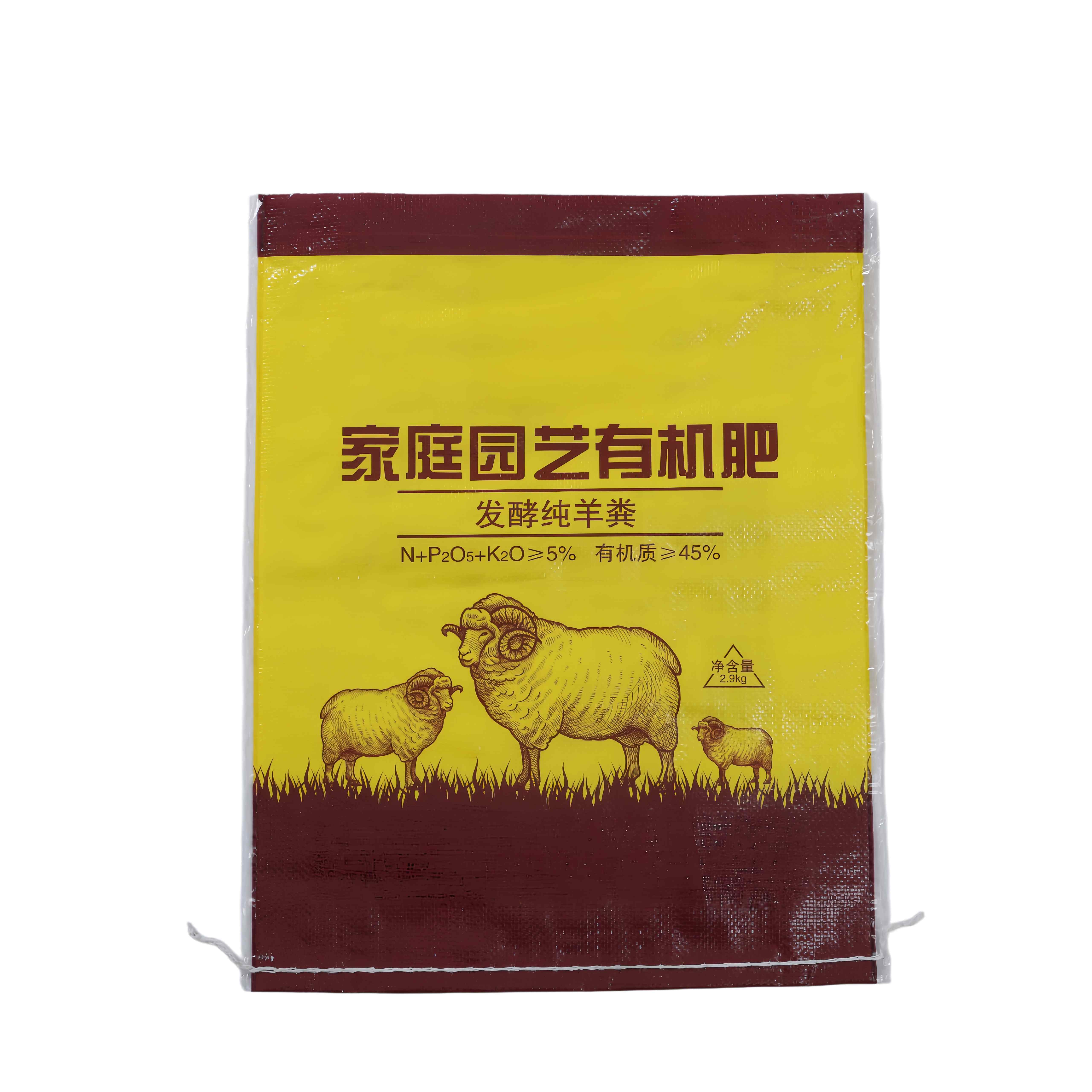
Long distance shipping exposes building material bags to friction, compression, moisture, and temperature fluctuations that test structural integrity. Understanding whether a cement woven bag should be single or double layer helps manufacturers, distributors, and construction companies make informed purchasing decisions. This comprehensive comparison explores the advantages, limitations, and practical applications of each design to help you select the optimal solution for your specific shipping requirements.
A single layer pp cement sack uses one continuous sheet of polypropylene woven fabric, typically with a weight range of 50 to 70 grams per square meter. This construction method provides a lightweight, cost-effective baseline for cement packaging. The single layer structure offers adequate performance for shorter distances and controlled storage environments. However, when cement bags encounter rough handling, stacking pressure, or extended exposure to humidity during long distance shipping, the single layer material may experience punctures, tears, or degradation at stress points such as seams and corners.
A heavy duty cement bag features two distinct polypropylene layers laminated together, increasing total material weight to 90 to 140 grams per square meter. This double layer construction distributes stress more evenly across the entire surface, reducing localized damage and extending product lifespan during transit. The two layers create redundancy, meaning that if outer layer punctures occur, the inner layer continues protecting the cement from moisture infiltration and contamination. Double layer design also enhances puncture resistance at critical areas like bag bottoms and side seams where single layer bags commonly fail.
Long distance shipping exposes building material bags to varying humidity levels, temperature changes, and potential water exposure during transit. Single layer cement woven bags provide basic moisture resistance through their polypropylene composition, but the single barrier becomes vulnerable if micro-tears develop during handling or loading. Double layer bags offer enhanced moisture protection because moisture must penetrate two distinct barriers to reach the cement inside, significantly reducing hydration and caking risks. Studies in cement logistics show that moisture-related product loss decreases by approximately 40 percent when shifting from single to double layer pp cement sack construction for routes exceeding 500 kilometers.
Mechanical stress during long distance shipping includes stacking pressure, forklift handling, friction against container walls, and vibration from transportation equipment. Single layer bags experience higher tear propagation rates because once an initial puncture or cut begins, it spreads rapidly across the unsupported single fabric layer. Double layer heavy duty cement bags resist tear propagation because the second layer acts as a backup barrier, stopping tears from penetrating completely through the bag structure. Testing data indicates that double layer bags withstand approximately 300 percent more puncture force than single layer alternatives before complete failure occurs.
Single layer pp cement sack options typically cost 15 to 25 percent less per unit than equivalent double layer heavy duty cement bags. For organizations shipping large volumes, this price difference compounds into substantial initial expenditure savings. However, when calculating total cost of ownership across the entire shipping journey, simple price comparison proves incomplete. Product loss due to bag failure, replacement shipments, delayed deliveries, and customer dissatisfaction create hidden costs that offset initial savings achieved by purchasing cheaper single layer alternatives.
Long distance shipping scenarios often involve cement bags traveling through multiple handling points, storage transfers, and extended transit times that increase failure probability for single layer products. When accounting for product loss, damaged shipments, and logistics complications, double layer cement woven bags typically deliver 20 to 35 percent lower total cost of ownership on routes exceeding 1000 kilometers. Construction companies and cement suppliers shipping to remote or developing markets report significantly reduced complaint rates and replacement requests after switching to double layer building material bags. The investment in premium packaging pays dividends through improved delivery performance, reduced supply chain disruptions, and enhanced customer relationships.
Single layer cement bags remain adequate for local or regional shipments traveling under 300 kilometers using direct transportation routes with minimal handling transitions. For long distance shipping exceeding 500 kilometers, especially routes involving ocean freight, rail transport with multiple transfers, or challenging road conditions, double layer construction becomes the recommended standard. A cement bag design must match your specific logistics profile to optimize both protection and cost efficiency. Routes passing through humid climates or high-rainfall regions warrant double layer protection regardless of distance because moisture penetration poses the primary failure risk.
Different markets and customer segments maintain varying expectations regarding cement bag quality and damage tolerance. International construction standards and major construction companies increasingly specify double layer heavy duty cement bags for major projects, making single layer options commercially uncompetitive in premium markets. Developing markets and domestic supply chains may accept single layer pp cement sack products for cost-conscious purchasing. Professional assessment of your target customer base and competitive positioning determines whether single or double layer building material bags align with market expectations and contract requirements.
For domestic shipping under 300 kilometers with professional handling practices, single layer bags typically prove sufficient and cost-effective. However, if your supply chain includes multiple handling points, warehouse transfers, or environmental exposure, the marginal cost increase for double layer bags becomes justified through reduced losses and improved reliability. Evaluate your specific handling conditions and historical damage rates before deciding between options.
Reinforcing single layer bags through additional tape, padding, or wrapping increases costs and handling complexity without achieving the redundant protection provided by true double layer construction. Double layer bags provide inherent protection built into the material structure itself, whereas external reinforcement represents temporary supplementation. Direct investment in double layer heavy duty cement bags offers superior long term reliability compared to attempting to upgrade single layer alternatives.
High humidity environments exceeding 70 percent relative humidity, tropical climates with significant rainfall, and routes with temperature fluctuations make double layer bags essential for preventing moisture penetration and cement caking. Monsoon seasons and ocean freight routes particularly demand double layer construction because single layer cement bags cannot adequately protect against prolonged moisture exposure. Evaluate your shipping route's climate profile when selecting between single and double layer options.

Discover the 4 critical production metrics—throughput, defect rate, equipment uptime & on-time delivery—to vet factories confidently.

Ensure regulatory compliance & worker safety with proven methods for chemical woven bags—material selection, labeling, storage & training.

Discover the full PP woven bag manufacturing workflow—from extrusion & weaving to printing & QC. Boost efficiency, compliance & ROI. Download the process guide now.

Struggling with weak bags or high material waste? Master extrusion and tape drawing tech for stronger, cheaper PP woven bags. Optimize your production line now.

Struggling with defects or customer returns? Discover the 5 non-negotiable quality checkpoints across your woven bag production line
Which automation tier is right for your PP woven bag factory? Compare manual to Industry 4.0 systems for cost, quality, and scalability.
Get in touch for details on polypropylene woven bags and flexible packaging solutions.
Tel
Address
No.2015, Liaoyuan Building, Lanshan District, Linyi City, Shandong Province.China

