 EN
How to Assess Production Efficiency at a PP Woven Bag Factory
Discover the 4 critical production metrics—throughput, defect rate, equipment uptime & on-time delivery—to vet factories confidently.

2026/08/10
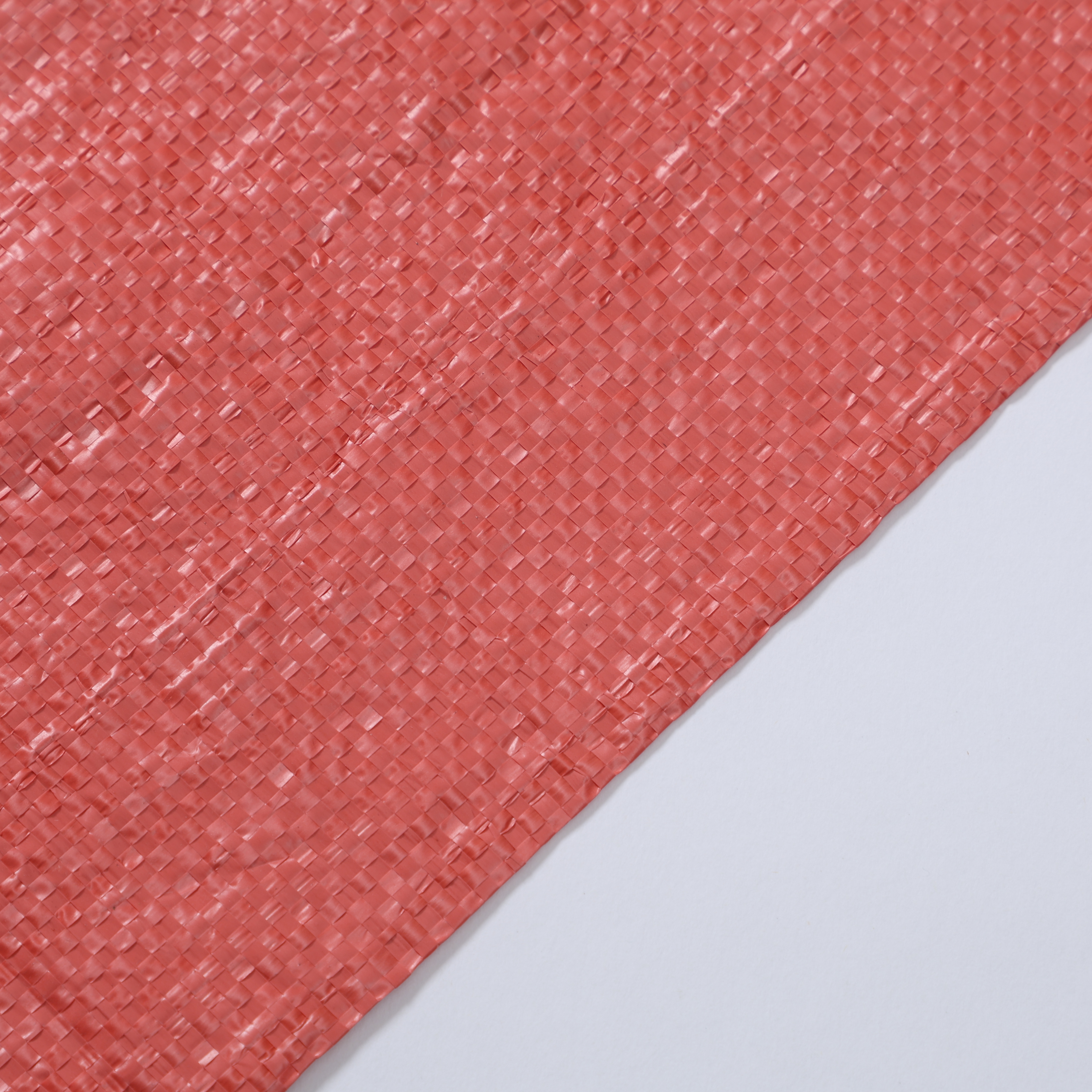
When selecting packaging for heavy duty industrial applications, the choice between single layer and multi layer pp woven bag designs becomes critical to product protection and cost efficiency. Heavy duty operations demand packaging solutions that resist puncturing, tearing, and environmental stress while maintaining structural integrity throughout the supply chain. Understanding the performance differences between these two approaches helps manufacturers and logistics managers make informed decisions about their packaging strategy.
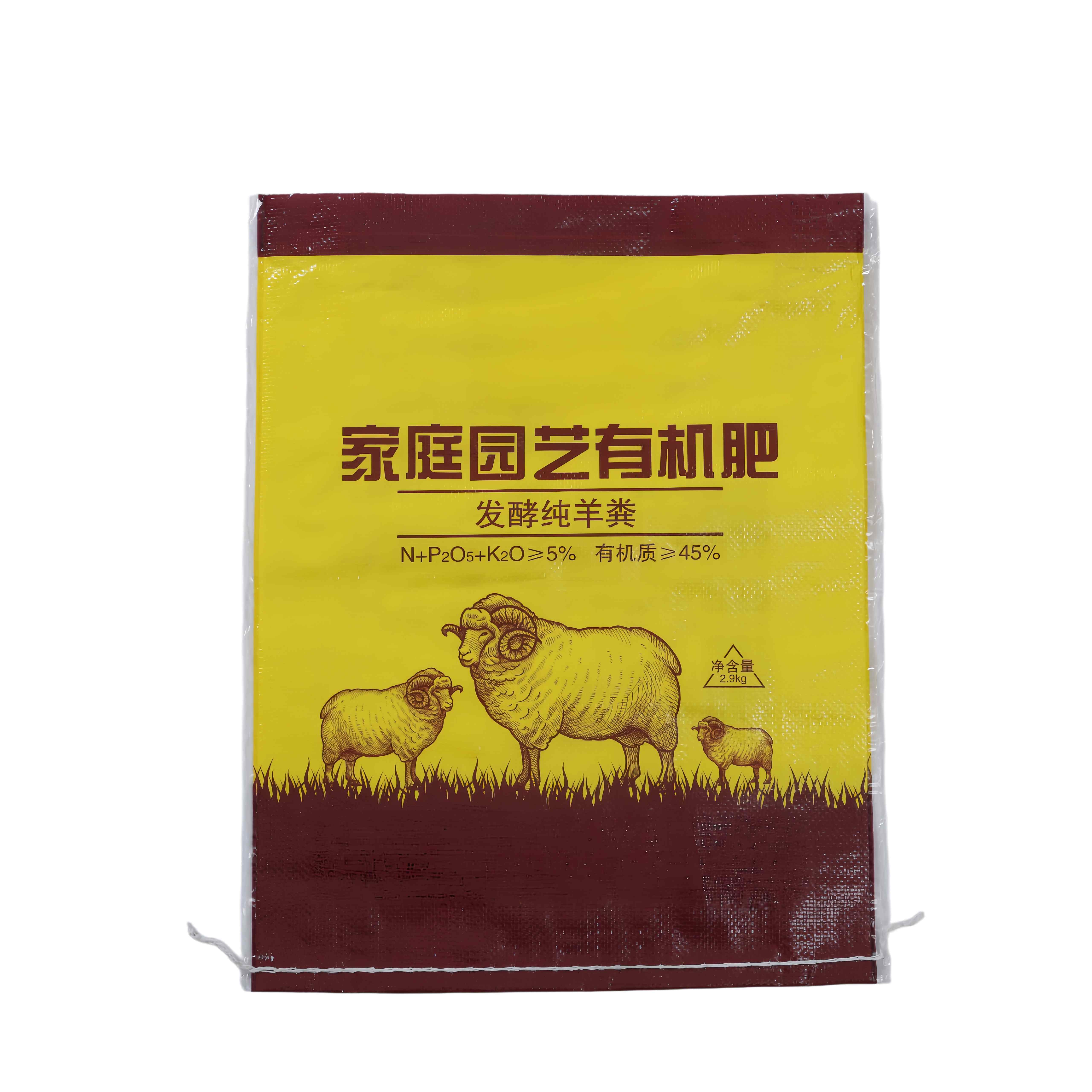
The polypropylene woven bag category encompasses diverse construction methods, each optimized for specific weight capacities and handling conditions. A pp woven sack represents a foundational packaging format, while innovations in layering technology have expanded performance possibilities significantly. This guide examines how single and multi layer designs compare in durability, cost, and real world application suitability for demanding industrial environments.
A single layer pp woven bag consists of one continuous sheet of woven polypropylene material, typically manufactured by interlacing polypropylene strands in a crisscross pattern. This straightforward construction creates a lightweight, flexible container suitable for moderate weight applications. The woven polypropylene packaging approach has served industries for decades because it balances simplicity with adequate protection for many use cases. The single layer design minimizes material consumption, which directly reduces production costs and manufacturing complexity.
Single layer bags demonstrate adequate tear resistance for standard handling but show vulnerability to puncture damage when subjected to sharp objects or rough surfaces. The pp bulk bag format in single layer construction works well for materials like grains, chemicals, and aggregates under controlled conditions. However, extended outdoor exposure or aggressive machinery handling can compromise bag integrity. Weight capacity typically ranges from 25 to 50 kilograms for consumer applications, though industrial variations exist. Cost efficiency makes single layer solutions attractive for high volume, lower stress applications where durability margins can be narrower.
Multi layer pp woven bag designs stack two or more woven polypropylene layers, creating redundancy and dramatically improved puncture resistance. This construction technique, common in heavy duty pp woven sack production, provides superior protection against environmental hazards and mechanical abuse. When the outer layer sustains minor damage, interior layers maintain containment, preventing product loss and contamination. Multi layer technology extends storage life and reduces rejection rates in quality control processes. Heavy duty applications benefit from this layering approach because it delivers confidence in product integrity across demanding supply chains.
The layered pp woven bag format distributes stress across multiple reinforced surfaces, enabling weight capacities between 50 and 100 kilograms or higher depending on design specifications. Tear propagation slows significantly when force must penetrate sequential material boundaries rather than a single barrier. The woven polypropylene packaging method, when applied in multi layer format, absorbs impact energy more effectively than single layer alternatives. Industrial operations handling cement, minerals, or chemicals at scale prefer this approach because it minimizes spillage incidents and protects worker safety. The added structural layers also provide better resistance to moisture ingress, extending shelf life for sensitive products.
Single layer pp woven sack solutions cost less per unit, but calculate total cost of ownership by including rejection rates, replacement expenses, and potential product loss. Multi layer pp woven bag designs command a higher initial price but reduce secondary costs through fewer damaged shipments and better customer satisfaction. For high value contents like specialty chemicals or premium aggregates, the marginal cost increase for multi layer protection often returns positive ROI within months. The pp bulk bag application context matters significantly; lightweight commodities may favor single layer economics, while valuable goods justify multi layer investment. Long distance shipping, rough handling environments, or extended storage periods shift the equation toward multi layer polypropylene woven packaging solutions.
Heavy duty industrial operations frequently operate in challenging climates where UV exposure, temperature fluctuation, and moisture stress accelerate material degradation. Single layer pp woven bag designs show faster weathering when exposed to direct sunlight, while multi layer construction offers extended outdoor viability. Regulatory requirements for food grade applications, chemical transport, or pharmaceutical packaging increasingly favor robust multi layer designs that minimize contamination risk. A pp woven sack used for hazardous material transport typically meets standards more reliably when built with redundant barrier layers. Environmental considerations also play a role; multi layer bags reduce spillage incidents, protecting soil and water systems, which aligns with modern sustainability expectations in industrial sectors.
Single layer pp woven sack solutions work best for low risk applications where contents have minimal value, handling conditions remain controlled, and storage duration is short. Agricultural commodities like animal feed, sand, or non-hazardous minerals often perform adequately with single layer polypropylene woven packaging. Budget constrained operations with high volume requirements may accept the trade off between cost savings and durability to meet financial targets. Choose single layer only after confirming that product loss risks and handling damage rates remain acceptable within your supply chain environment.
Single layer pp woven bag designs typically handle 25 to 50 kilograms safely, while multi layer construction supports 50 to 100 kilograms or higher depending on strand density and weave patterns. The pp bulk bag format in multi layer configuration can reach even greater capacities, sometimes exceeding 150 kilograms for specialized industrial uses. The pp woven sack weight rating reflects material thickness, strand count, and manufacturing quality standards. Manufacturers provide specifications that detail safe load limits; verify these against your specific contents and handling methods before finalizing procurement decisions for woven polypropylene packaging solutions.
Multi layer pp woven bag designs incorporate protective barriers that reduce moisture penetration and slow UV degradation because light must penetrate sequential material boundaries instead of a single surface. The pp bulk bag format benefits from this layering because interior contents remain shielded longer during outdoor storage or extended transportation. Single layer polypropylene woven packaging allows faster moisture absorption and fiber brittleness development when exposed to sun and rain. For heavy duty applications requiring multi month outdoor exposure, multi layer pp woven sack construction delivers measurably superior weather performance, protecting product quality and maintaining structural integrity throughout extended environmental stress cycles.

Discover the 4 critical production metrics—throughput, defect rate, equipment uptime & on-time delivery—to vet factories confidently.

Ensure regulatory compliance & worker safety with proven methods for chemical woven bags—material selection, labeling, storage & training.

Discover the full PP woven bag manufacturing workflow—from extrusion & weaving to printing & QC. Boost efficiency, compliance & ROI. Download the process guide now.

Struggling with weak bags or high material waste? Master extrusion and tape drawing tech for stronger, cheaper PP woven bags. Optimize your production line now.

Struggling with defects or customer returns? Discover the 5 non-negotiable quality checkpoints across your woven bag production line
Which automation tier is right for your PP woven bag factory? Compare manual to Industry 4.0 systems for cost, quality, and scalability.
Get in touch for details on polypropylene woven bags and flexible packaging solutions.
Tel
Address
No.2015, Liaoyuan Building, Lanshan District, Linyi City, Shandong Province.China

