 EN
How to Assess Production Efficiency at a PP Woven Bag Factory
Discover the 4 critical production metrics—throughput, defect rate, equipment uptime & on-time delivery—to vet factories confidently.

2026/08/19
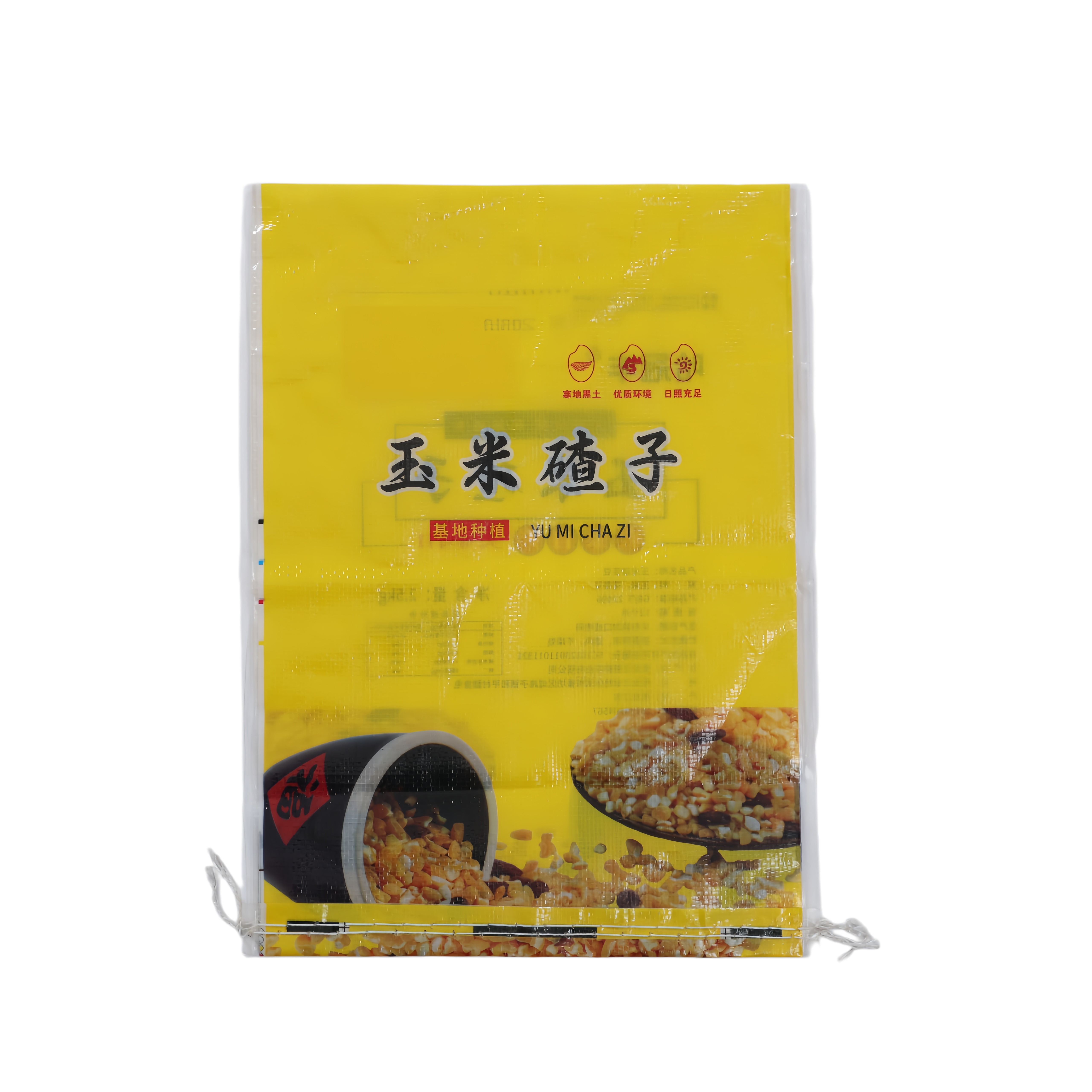
Selecting the right packaging material directly impacts product protection, shelf life, and operational costs. BOPP laminated bags have become an industry standard for industries ranging from agriculture to chemicals, but understanding the difference between single side and double side lamination is critical for making an informed purchasing decision. Both configurations offer distinct advantages depending on your product requirements, storage conditions, and budget constraints.
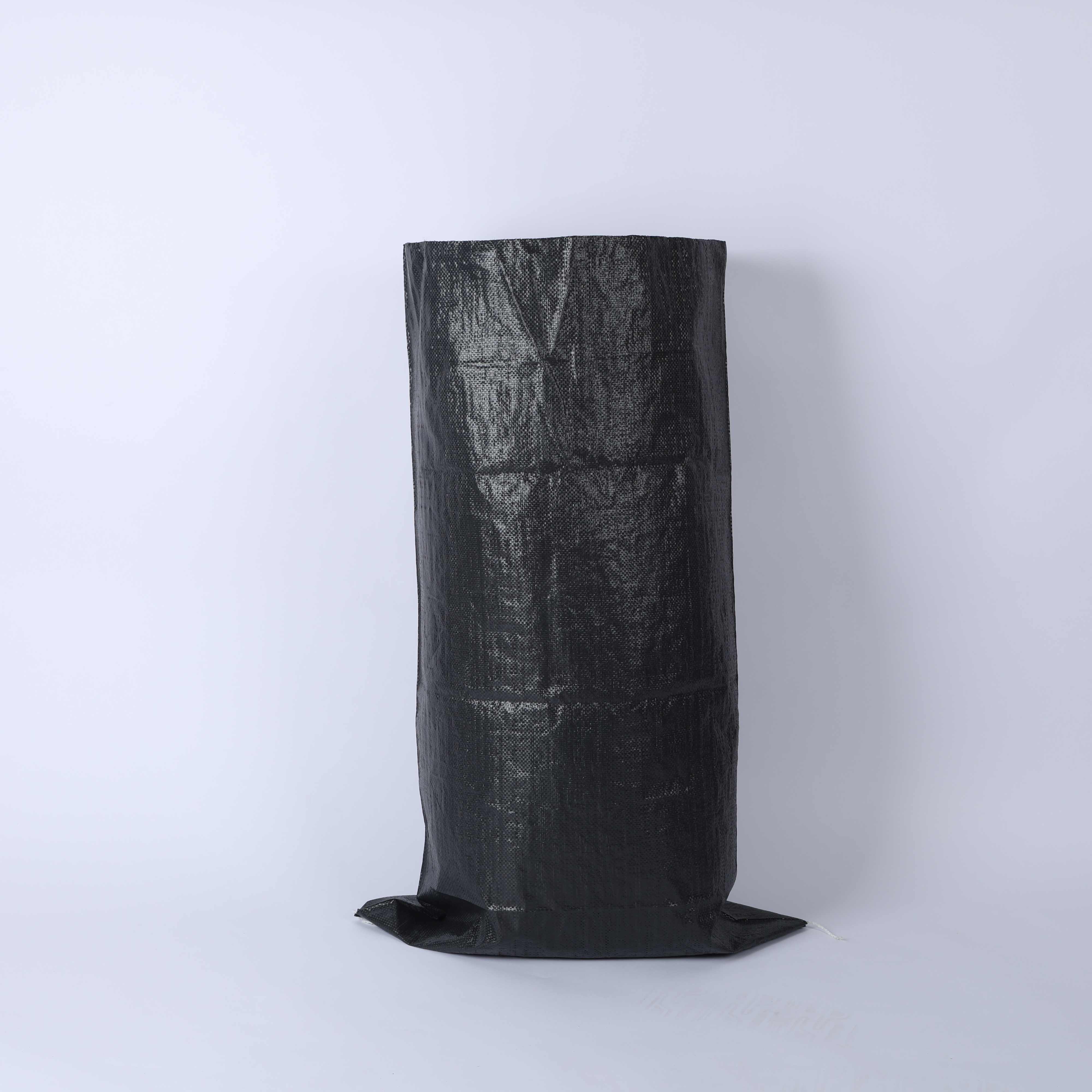
The lamination process applies a protective polypropylene layer to woven bag substrates, significantly enhancing barrier properties against moisture, oxygen, and physical stress. Single side lamination covers one surface, typically the outer face, while double side lamination protects both surfaces. This structural difference creates measurable variations in durability, moisture resistance, tear strength, and overall product lifespan. Understanding these variations helps manufacturers, distributors, and end users choose bopp woven bag solutions that align with their specific operational demands and environmental exposure patterns.
Single side lamination applies a protective polypropylene coating to the external surface of the woven substrate, leaving the interior uncoated. This design is commonly used in applications where the bag experiences direct environmental contact but remains in controlled internal storage. The laminated pp bag construction provides excellent moisture barrier protection on the exposed side while maintaining the structural integrity of the base woven material. Cost efficiency is a primary advantage, as the lamination process covers only one surface, reducing material consumption and manufacturing time.
The uncoated inner surface of a printed woven bag with single side lamination allows for direct contact with the product, making this configuration ideal for dry goods, grains, flour, and similar materials. The interior permeability can be beneficial in applications requiring minor moisture release or where interior friction with the product is preferable. Many manufacturers choose this approach for cost-sensitive markets where bopp packaging solutions must balance protection with affordability.
Single side lamination provides robust protection against punctures, abrasions, and environmental weathering on the coated exterior. However, the uncoated interior remains vulnerable to tearing if the bag experiences rough handling, internal pressure, or sharp product edges. This configuration typically offers a working tear strength of 20 to 35 kilograms of force, depending on the substrate weight and lamination thickness. The durability profile makes single side solutions suitable for indoor storage, warehouse environments, and controlled distribution channels where impact stress remains predictable.
Double side lamination applies protective polypropylene coatings to both the outer and inner surfaces of the woven substrate, creating a complete moisture and oxygen barrier. This configuration dramatically improves shelf life for hygroscopic products, extends viability in humid climates, and provides superior protection against environmental contaminants. The bopp laminated bags design ensures moisture ingress cannot occur through either surface, making this configuration the gold standard for products requiring extended storage stability in challenging climates.
The dual-surface lamination of laminated pp bag solutions creates a vapor barrier that prevents both external moisture absorption and internal moisture loss. This is particularly valuable for products like fertilizers, chemicals, spices, and food ingredients where moisture control directly affects product efficacy and safety. The enhanced barrier properties justify the higher material cost in applications where product degradation or spoilage represents a significant financial risk.
Double side laminated woven bags exhibit significantly higher tear propagation resistance because both surfaces are protected from mechanical stress. The laminated coating on the interior surface prevents tears from initiating and spreading when the bag encounters sharp edges, rough surfaces, or internal pressure from dense products. Tear strength in double side configurations typically reaches 40 to 60 kilograms of force, substantially exceeding single side performance. This added durability translates to fewer in-transit failures, reduced product loss, and improved customer satisfaction in demanding supply chains.
Double side lamination provides an ideal surface for high-quality printed graphics, logos, and regulatory information on the exterior while maintaining a clean, protected interior surface. Printed woven bag manufacturers often favor double side lamination for premium packaging because the laminated coating enhances ink adhesion and color vibrancy. The bopp woven bag configuration with double side protection communicates superior product quality and brand professionalism to end consumers and industrial buyers alike.
Single side laminated BOPP bags cost approximately 15 to 25 percent less than double side alternatives because the coating process covers only one surface. Material consumption is lower, processing time is reduced, and setup complexity decreases. For high-volume, cost-sensitive applications like commodity grains, cement additives, and common chemicals, the cost savings make single side lamination economically attractive. However, the lower purchase price must be weighed against potential product loss if bags fail prematurely or if storage conditions expose uncoated surfaces to damaging moisture.
Double side lamination requires higher upfront investment but often delivers superior return on investment through reduced product loss, fewer replacement shipments, and improved customer retention. In markets where customers prioritize reliability and supply continuity, the added cost of bopp packaging with complete protection often becomes justified within the first few transactions. For pharmaceutical, specialty chemical, and premium food applications, double side laminated pp bag solutions represent a necessary cost of doing business in quality-conscious markets.
Single side lamination suits indoor storage, controlled warehousing, and regional distribution where environmental exposure remains minimal and product shelf life requirements are moderate. Agricultural commodities, construction additives, and industrial powders frequently use single side configurations because the products tolerate minor moisture ingress and the cost savings enable competitive pricing. Choose this option when bags remain protected between manufacturing and end use, and when customer expectations prioritize affordability over maximum durability.
Double side lamination becomes essential for export shipments, tropical climates, extended storage periods, and products where moisture sensitivity directly impacts efficacy or safety. Fertilizers, pesticides, pharmaceutical ingredients, and food seasonings demand the comprehensive barrier protection that double side laminated woven bags provide. When your target market emphasizes reliability, when storage duration extends beyond six months, or when environmental conditions introduce significant humidity exposure, double side protection delivers measurable business value that justifies premium pricing.
Single side lamination reduces moisture ingress significantly but cannot provide complete barrier protection because the uncoated interior remains permeable. For applications requiring true hermetic sealing or extended storage in humid environments, double side laminated pp bag solutions are necessary. Single side configurations work well for short-term storage and controlled indoor environments where minor moisture exposure does not compromise product integrity.
Double side laminated BOPP bags typically cost 15 to 25 percent more than single side alternatives due to additional material and processing requirements. The exact premium depends on bag size, substrate weight, lamination thickness, and order volume. Requesting quotes from multiple suppliers will reveal competitive pricing options and help determine the cost threshold where double side protection becomes economically justified for your specific application and market.
Double side laminated woven bags are strongly recommended for export shipments destined for tropical, subtropical, or maritime environments where humidity levels exceed 70 percent. The comprehensive barrier protection prevents condensation damage, maintains product quality throughout the supply chain, and protects your brand reputation in demanding international markets. Single side lamination leaves your product vulnerable to moisture penetration during long ocean voyages and in high-humidity storage facilities at destination ports.

Discover the 4 critical production metrics—throughput, defect rate, equipment uptime & on-time delivery—to vet factories confidently.

Ensure regulatory compliance & worker safety with proven methods for chemical woven bags—material selection, labeling, storage & training.

Discover the full PP woven bag manufacturing workflow—from extrusion & weaving to printing & QC. Boost efficiency, compliance & ROI. Download the process guide now.

Struggling with weak bags or high material waste? Master extrusion and tape drawing tech for stronger, cheaper PP woven bags. Optimize your production line now.

Struggling with defects or customer returns? Discover the 5 non-negotiable quality checkpoints across your woven bag production line
Which automation tier is right for your PP woven bag factory? Compare manual to Industry 4.0 systems for cost, quality, and scalability.
Get in touch for details on polypropylene woven bags and flexible packaging solutions.
Tel
Address
No.2015, Liaoyuan Building, Lanshan District, Linyi City, Shandong Province.China

