 EN
How to Assess Production Efficiency at a PP Woven Bag Factory
Discover the 4 critical production metrics—throughput, defect rate, equipment uptime & on-time delivery—to vet factories confidently.

2026/09/03
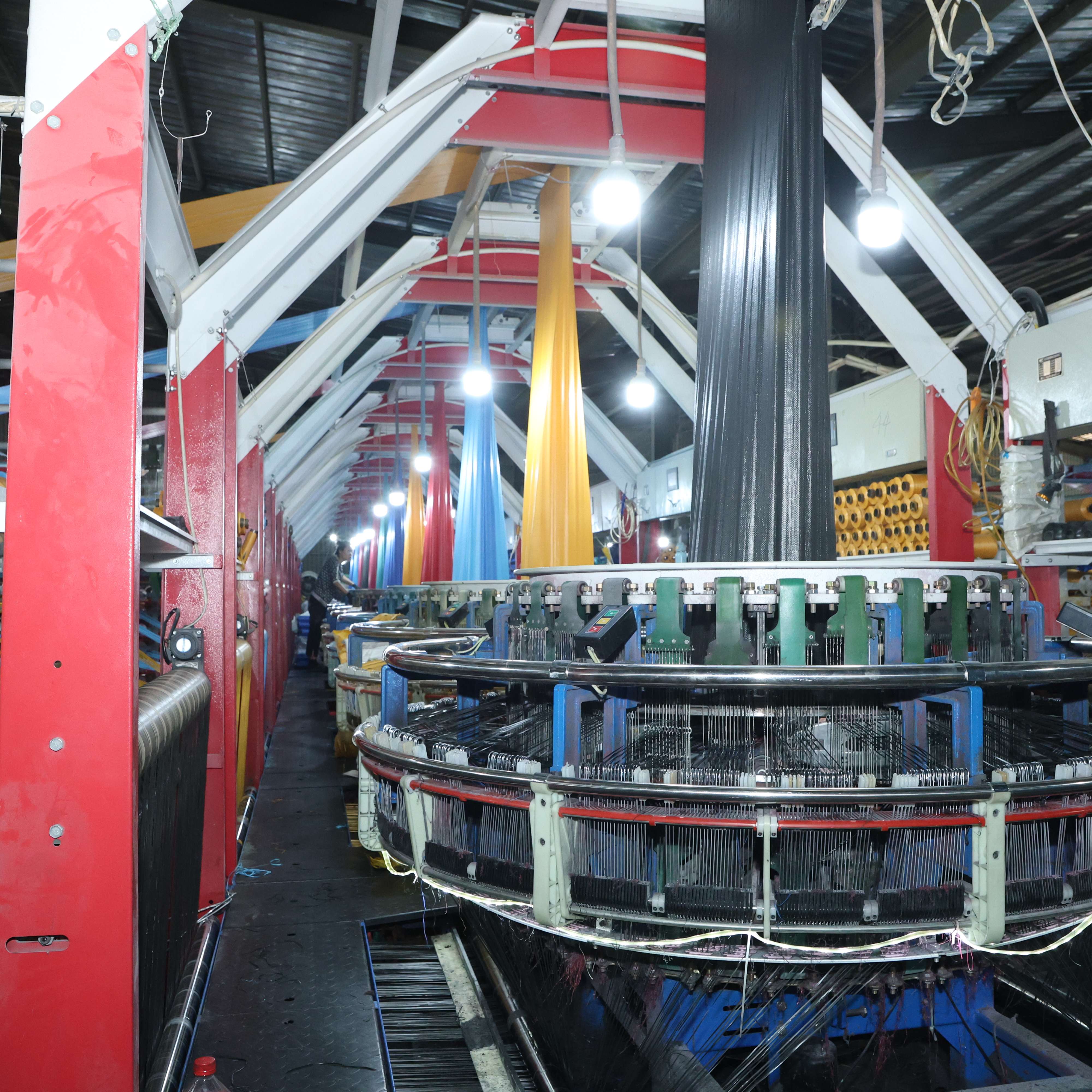
Managing supply chain risk is one of the most critical decisions procurement teams face today. When sourcing industrial packaging materials like woven bags, the choice between relying on a single supplier versus diversifying across multiple suppliers directly impacts operational continuity, cost stability, and business resilience. A PP woven bag supplier relationship is more than just a transaction; it is a strategic partnership that influences production schedules, quality consistency, and financial performance across your entire organization.
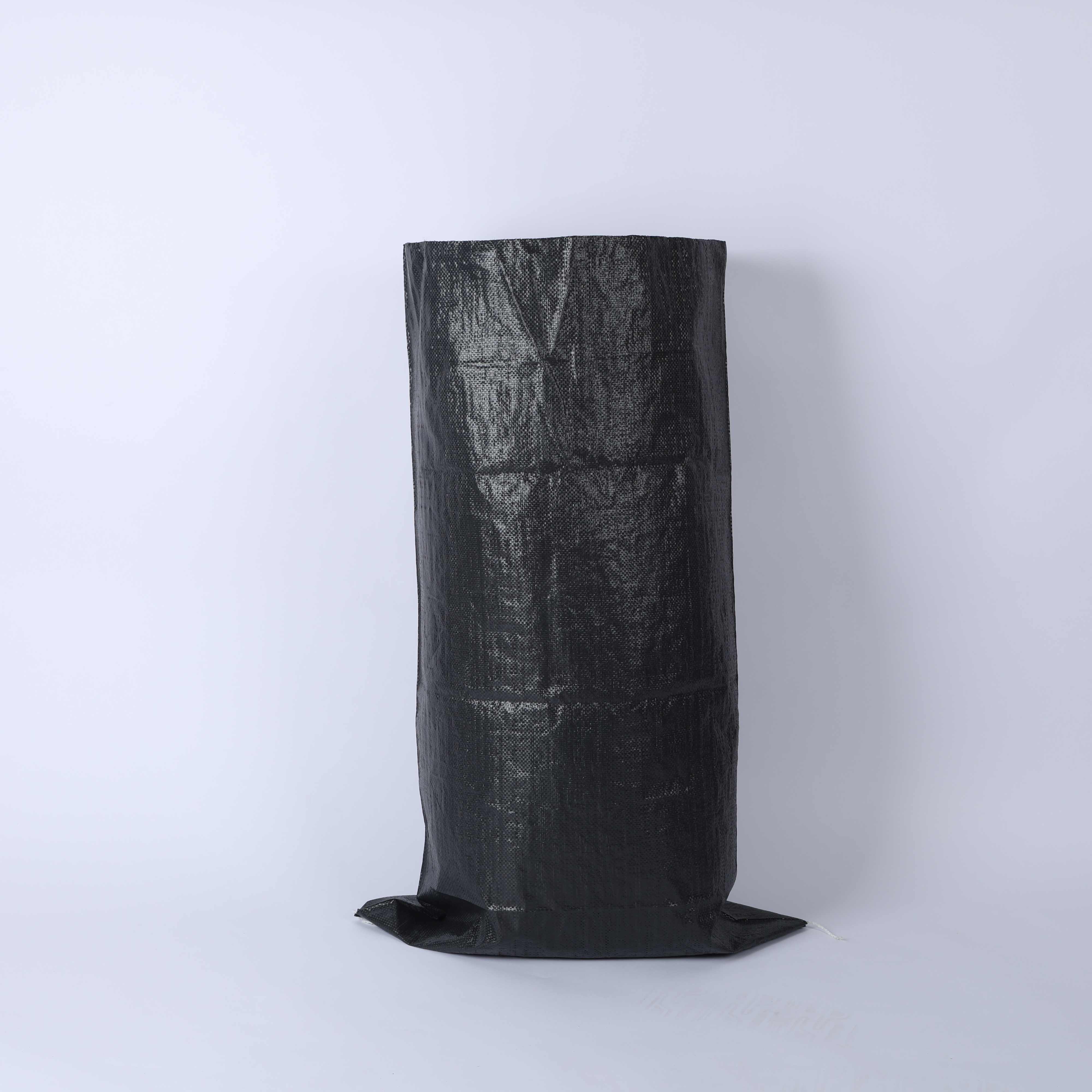
The tension between single-source and multi-source procurement models is not new, but it has become increasingly urgent as supply chains face disruptions from geopolitical instability, natural disasters, and capacity constraints. Understanding the risk-management dimensions of each approach enables procurement leaders to build supply chains that are both efficient and robust.
A single-source procurement model concentrates all or the majority of your woven bag requirements with one pp woven bag factory. This approach often emerges from long-term partnerships, volume commitments, or preferred supplier relationships that offer economies of scale and dedicated production capacity.
However, single-sourcing introduces significant concentration risk. If that supplier experiences production disruptions, financial instability, quality lapses, or capacity constraints, your entire woven bag supply stream becomes vulnerable. Industrial sectors that depend on consistent packaging—food processing, agriculture, chemicals, and retail—cannot easily absorb sudden supply interruptions without cascading operational failures and reputational damage.
A multi-source model distributes woven bag requirements across two or more pp bag export partners, typically through a primary supplier relationship and one or more backup suppliers. This structure builds redundancy into the supply chain, ensuring that production can continue even if one supplier encounters difficulties. Multi-sourcing also introduces competitive pressure, which can improve pricing, innovation, and responsiveness as suppliers know they must perform to retain their portion of your volume.
The trade-off of multi-sourcing is increased operational complexity. Managing multiple bulk woven bag supply partners requires more coordination, quality control oversight, and relationship management. Order splitting across suppliers can eliminate some volume discounts, and logistics complexity may increase transportation costs.
The primary risk-management advantage of multi-source procurement is supply continuity. If a pp woven bag factory encounters a production shutdown—whether due to equipment failure, workforce disruption, quality investigations, or external events—a diversified supply base ensures that alternative sources can fulfill demand. For businesses operating on just-in-time inventory systems, this redundancy transforms from a nice-to-have into a critical operational safeguard.
Resilience through diversification extends beyond crisis response. It enables smoother scaling during demand spikes, better flexibility in responding to customer specification changes, and greater negotiating leverage when one supplier cannot accommodate last-minute requests or volume increases.
While single-source relationships may offer lower unit costs through maximum volume concentration, multi-source strategies provide better protection against price volatility and supplier margin pressure. When a pp bag export supplier knows they hold 100 percent of your volume, they have less incentive to maintain competitive pricing once the relationship is established. Conversely, when suppliers understand they are competing for a share of your volume, pricing remains more disciplined, and cost escalations are typically justified by transparent material or wage increases rather than margin expansion.
Multi-source procurement also protects against supplier-specific cost shocks. If a single woven bag wholesale partner faces raw material constraints, tariff impacts, or production inefficiencies, those costs flow directly to you under a single-source model.
Maintaining multiple relationships with different pp woven bag factory partners creates opportunities for quality and innovation benchmarking. Different suppliers may employ different manufacturing processes, material sourcing strategies, and quality control methodologies. By comparing performance across suppliers, procurement teams can identify best practices, push for continuous improvement, and maintain higher baseline quality standards across the entire supply base. Competition among suppliers naturally incentivizes innovation in product durability, sustainability, and customization capabilities.
The primary operational challenge in multi-source procurement is complexity. Each pp bag export partner requires individual relationship management, separate quality agreements, distinct delivery schedules, and independent performance tracking. Procurement teams must develop clear allocation strategies that balance volume distribution, maintain supplier profitability, and ensure equitable treatment. Without clear protocols, suppliers may feel undervalued if volume allocation fluctuates unpredictably, leading to reduced service quality or relationship deterioration.
Successful multi-source strategies establish transparent volume commitments and performance-based allocation rules. A typical structure might allocate base volume to a primary supplier while reserving secondary or surge volume for backup partners. This approach ensures that backup suppliers maintain active production capability and current product knowledge, reducing ramp-up time if they are activated due to primary supplier disruption. Documentation of these arrangements prevents misunderstandings and maintains healthy supplier relationships.
To offset the cost disadvantages of volume splitting, procurement professionals should implement several tactics. First, consolidate specifications and materials across suppliers to maintain volume discounts where possible; bulk woven bag supply at scale still captures some economies of scale even when split. Second, negotiate longer-term framework agreements that lock in pricing across multiple suppliers, reducing the transaction overhead of individual quote requests. Third, use data analytics to identify the optimal split ratio between suppliers that balances cost with risk mitigation benefits.
Additionally, single-source and multi-source models are not binary choices. Many organizations use hybrid approaches: maintaining a primary pp woven bag supplier for core volume while qualifying secondary suppliers for specific grades, colors, or custom features. This structure preserves cost benefits of concentration while maintaining risk mitigation through supplier diversity.
The choice between single-source and multi-source procurement depends on your organization's risk tolerance, market dynamics, and operational constraints. Businesses with high product demand variability, customer sensitivity to delivery delays, or tight inventory buffers should prioritize multi-source strategies because supply disruption costs exceed the complexity overhead.
Industry context matters significantly. Pharmaceutical packaging, food processing, and regulated manufacturing sectors typically cannot tolerate single-source risk because supply interruptions trigger regulatory violations or product recalls. Conversely, industries with lower time-to-market sensitivity and inventory flexibility may optimize for cost through single-source concentration, accepting higher disruption risk as a calculated trade-off.
Before committing to a single pp woven bag factory, conduct thorough due diligence on financial stability, production capacity utilization, technology roadmap, and management depth. A single supplier with strong financials, diversified customer base, and modern equipment presents lower risk than a supplier with weak margins, concentrated customers, or aging production systems.
For multi-source models, evaluate each supplier individually but also assess whether they have sufficient manufacturing capacity and financial resources to serve as a backup partner. A secondary supplier that operates at near-maximum capacity has limited ability to increase production quickly during an emergency. Ensuring backup suppliers maintain available capacity—even if unutilized—is essential to achieving the resilience benefits of diversification.
The cost premium for multi-source procurement typically ranges from 2 to 8 percent depending on volume splits, supplier scales, and market conditions. A primary supplier might receive 70 percent of volume at a lower unit cost, while a secondary supplier receives 30 percent at a slightly higher rate to maintain production efficiency. However, this premium must be weighed against avoided costs from supply disruptions, improved pricing discipline, and risk mitigation value. For many organizations, avoiding a single week of supply disruption—which can cost 10 to 50 times the annual premium—justifies the multi-source investment.
Transition from single-source to multi-source should be gradual and planned. First, identify and qualify secondary suppliers through pilot orders and quality audits, ensuring they meet your specifications and performance standards. Begin with low-risk, non-critical woven bag wholesale allocations to validate their capability. Simultaneously, communicate clearly with your primary supplier about the transition strategy to maintain the relationship and prevent defensiveness. Once secondary suppliers demonstrate consistent quality and delivery, gradually shift volume allocations according to your target split ratio.
Yes, hybrid approaches are increasingly common and practical for risk management. Many organizations maintain a primary pp woven bag factory for baseline standard products where single-source efficiency is most valuable, while qualifying secondary bulk woven bag supply sources for specialized items, seasonal demand spikes, or products critical to key customer relationships. This approach captures cost benefits where appropriate while protecting supply continuity for mission-critical items.

Discover the 4 critical production metrics—throughput, defect rate, equipment uptime & on-time delivery—to vet factories confidently.

Ensure regulatory compliance & worker safety with proven methods for chemical woven bags—material selection, labeling, storage & training.

Discover the full PP woven bag manufacturing workflow—from extrusion & weaving to printing & QC. Boost efficiency, compliance & ROI. Download the process guide now.

Struggling with weak bags or high material waste? Master extrusion and tape drawing tech for stronger, cheaper PP woven bags. Optimize your production line now.

Struggling with defects or customer returns? Discover the 5 non-negotiable quality checkpoints across your woven bag production line
Which automation tier is right for your PP woven bag factory? Compare manual to Industry 4.0 systems for cost, quality, and scalability.
Get in touch for details on polypropylene woven bags and flexible packaging solutions.
Tel
Address
No.2015, Liaoyuan Building, Lanshan District, Linyi City, Shandong Province.China

