 EN
How to Assess Production Efficiency at a PP Woven Bag Factory
Discover the 4 critical production metrics—throughput, defect rate, equipment uptime & on-time delivery—to vet factories confidently.

2026/08/24
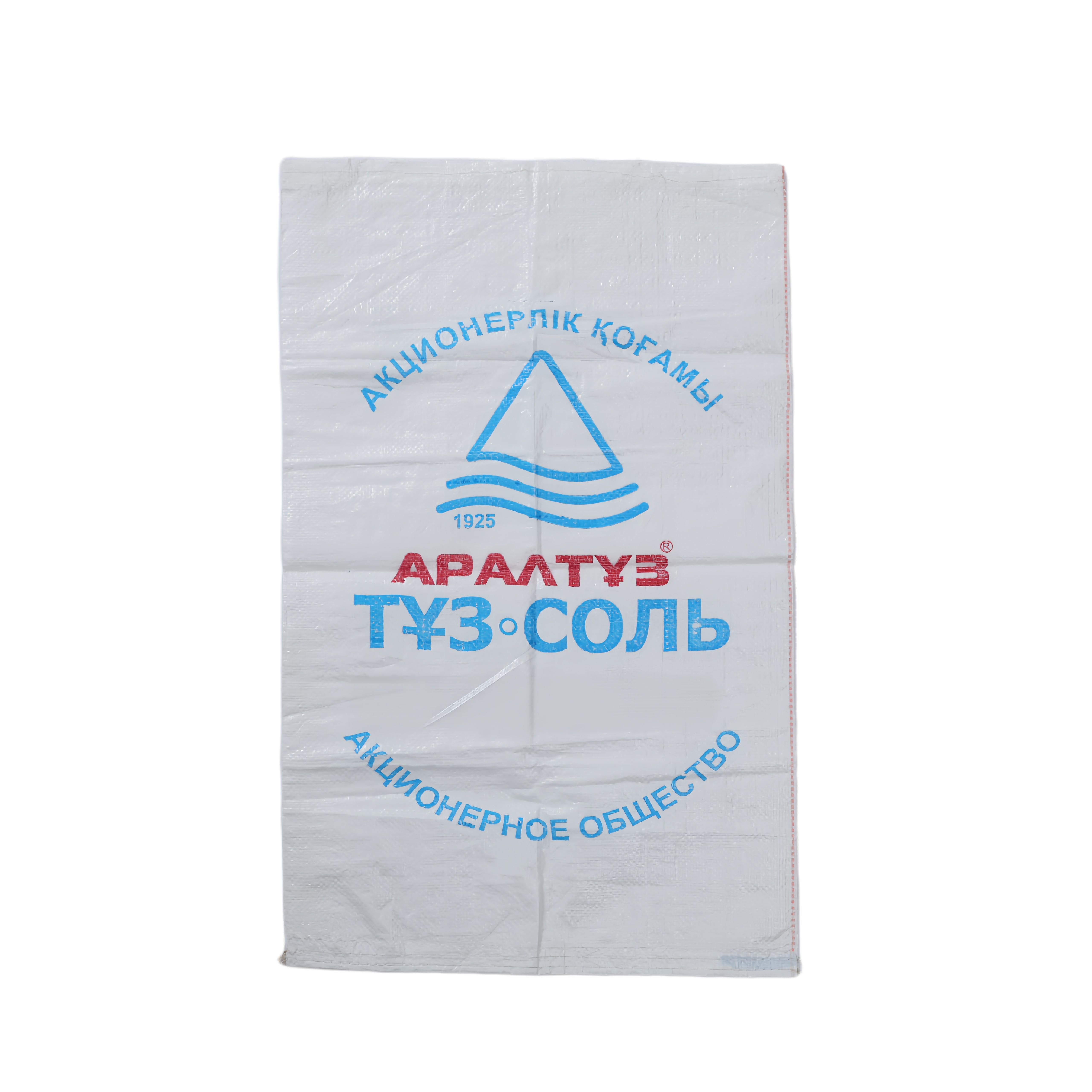
Choosing between small batch and large volume runs for custom woven bags represents one of the most critical decisions in packaging strategy. The choice directly impacts production costs, inventory management, lead times, and overall business flexibility. Understanding the trade-offs between these two approaches helps organizations optimize their packaging investment while maintaining supply chain efficiency.
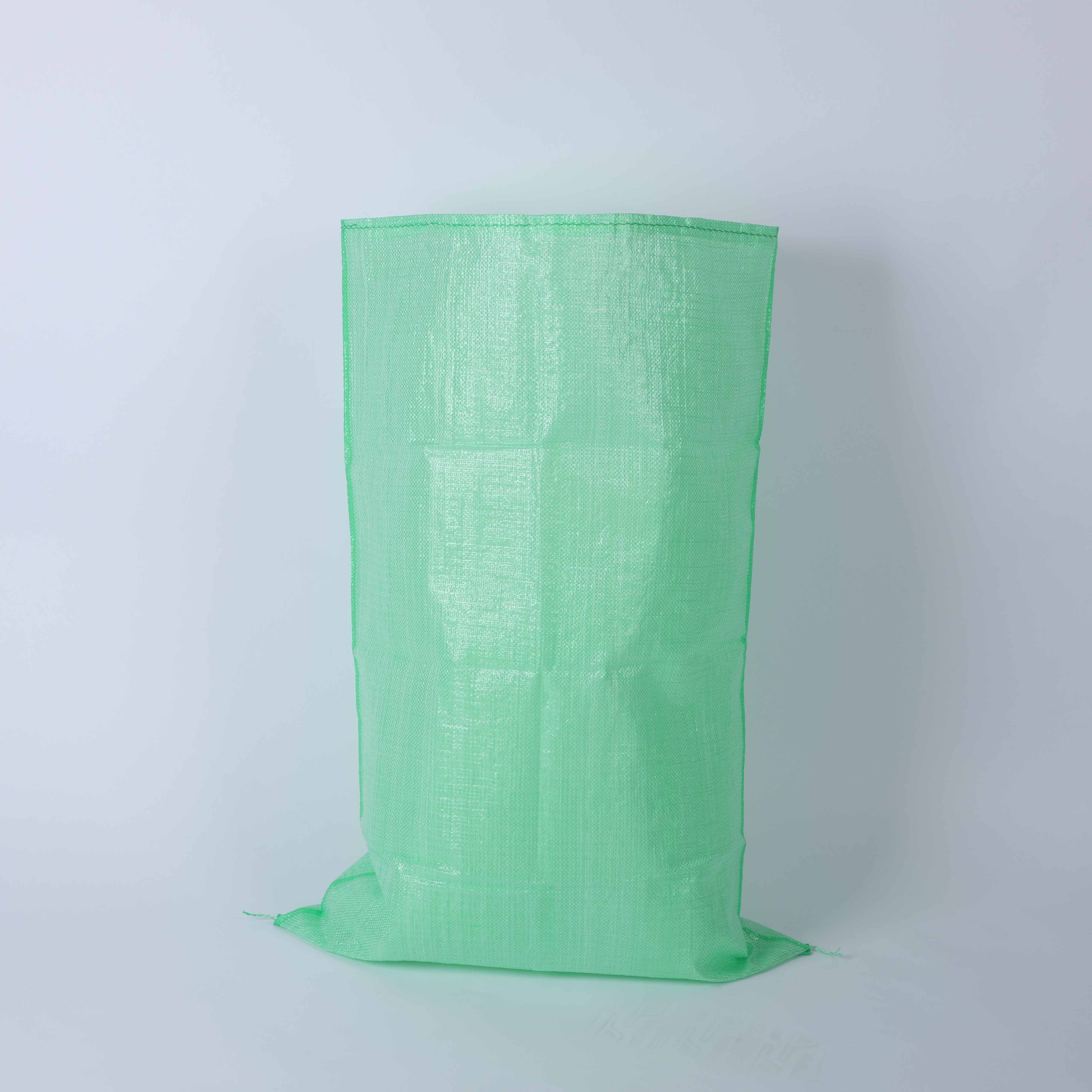
The packaging industry has evolved significantly, offering brands more flexibility in how they source materials. Custom woven bags now come in configurations suited to startups, growing companies, and established enterprises. Each production volume tier offers distinct advantages and limitations that require careful evaluation against your operational reality.
Small batch runs typically involve ordering between 500 and 5,000 units of custom printed woven bag products. This approach appeals to new businesses testing market response, seasonal operations, or companies with limited warehouse space. The primary advantage lies in reduced financial risk and inventory burden. Organizations can test design variations, iterate on branding, and respond quickly to market feedback without committing significant capital.
However, small batch orders carry higher per-unit production costs. Manufacturing setup, design integration, and quality control expenses distribute across fewer units, elevating the unit price substantially. Lead times may extend due to production scheduling, and suppliers prioritize larger orders. For businesses prioritizing flexibility and brand testing, this trade-off often justifies the increased expense.
Large volume custom packaging solution orders encompass 10,000 units and beyond, extending to 100,000+ unit commitments. These runs deliver significant per-unit cost reductions through manufacturing efficiency and economy of scale. Suppliers allocate dedicated production lines, optimize material purchasing, and reduce per-unit overhead allocation. The financial advantage becomes substantial when multiplied across tens of thousands of units.
The trade-off involves capital commitment, inventory management complexity, and reduced design flexibility. Organizations must forecast demand accurately, secure warehouse capacity, and commit funds months in advance. Design modifications become costly mid-production. Large volume commitments work best for established brands with predictable demand patterns and adequate financial resources.
Small batch custom packaging solutions typically range from $0.80 to $1.50 per unit for personalized pp bag products, depending on material specifications and customization complexity. Large volume orders reduce this to $0.40 to $0.80 per unit. The cost differential reflects manufacturing reality: setup costs, quality audits, and logistics expenses divide by production quantity.
Beyond per-unit pricing, total investment differs dramatically. A 1,000-unit small batch order costs approximately $1,200 to $1,500 total. A 50,000-unit large volume run costs $20,000 to $40,000. The small batch requires less upfront capital but higher per-unit expense. The large volume requires substantial capital investment but delivers proportionally lower per-unit costs suitable for high-volume distribution channels.
Beyond manufacturing costs, organizations must account for storage, handling, and carrying costs associated with large inventory quantities. Custom woven bags require climate-controlled storage to prevent material degradation. Excess inventory ties up working capital, reduces cash flow flexibility, and risks obsolescence if branding requirements change. Small batch approaches minimize these secondary costs by maintaining leaner inventory positions.
Conversely, frequent small batch reorders increase cumulative procurement costs, administrative overhead, and supply chain complexity. Restocking requires multiple supplier interactions, quality verifications, and logistics coordination. Organizations must balance the financial advantage of large volume runs against storage and carrying cost burdens in their specific operational context.
Small batch tailored woven sack orders typically ship within 3 to 6 weeks from order confirmation. This timeline enables rapid market response, allowing brands to capitalize on seasonal opportunities or emerging customer preferences. Organizations can test new designs, evaluate customer reception, and iterate quickly. For e-commerce businesses, fashion retailers, or companies operating in fast-moving markets, this agility provides competitive advantage.
Large volume production requires 8 to 12 weeks or longer for delivery. Extended lead times demand accurate demand forecasting and advance planning. Organizations must commit designs, quantities, and specifications months before customer delivery. Conversely, this extended timeframe allows supply chain partners to optimize manufacturing processes, maintain consistent quality, and deliver exceptional per-unit economics.
Small batch approaches reduce forecasting complexity because mistakes affect limited inventory. A 2,000-unit order surplus creates manageable inventory burden compared to 50,000 excess units. Organizations building inventory gradually can adjust purchasing patterns based on actual sales performance. This flexibility proves invaluable for startups, seasonal businesses, or companies entering new markets with uncertain demand.
Large volume runs demand sophisticated demand planning. Organizations must analyze historical sales patterns, market trends, and customer projections to forecast accurately. Overestimating demand creates expensive excess inventory; underestimating creates stockouts and lost sales. Successful large volume strategies depend on rigorous forecasting discipline and reliable historical performance data.
Small batch custom woven bags accommodate design iterations and customization variations. Organizations can test multiple color combinations, handle styles, or printing techniques within a single production run. This flexibility supports brand experimentation and market testing. Custom packaging solutions designed for limited audiences benefit from the flexibility small batches provide.
Large volume runs excel at producing standardized designs at maximum quality consistency. Design modifications become costly after production begins, so organizations must finalize specifications completely before manufacturing. However, the standardization ensures consistent brand presentation across enormous product quantities. Established brands with refined design systems leverage this consistency for premium brand perception.
Large volume production typically delivers superior consistency because manufacturers operate dedicated production lines with optimized workflows. Quality parameters remain stable across thousands of units. Material sourcing concentrates on fewer suppliers, ensuring consistent material properties. Organizations committed to large volume runs benefit from this manufacturing reliability.
Small batch production relies on shared manufacturing capacity, which can create quality variation. However, many suppliers maintain rigorous quality standards regardless of production volume. Organizations prioritizing personalized pp bag customization should verify supplier quality certifications and inspect samples before committing to production runs.
Small batch typically ranges from 500 to 5,000 units, while large volume begins at 10,000 units and extends to 100,000 or more. The exact threshold depends on supplier capabilities and industry standards, but this framework represents common industry practice for custom woven bags and custom printed woven bag manufacturing.
Large volume runs typically reduce per-unit costs by 40 to 60 percent compared to small batches. A personalized pp bag costing $1.20 in small batches might cost $0.60 in large volumes. However, total investment increases substantially, and carrying costs must be factored into the overall financial analysis.
Growing companies often benefit from hybrid strategies: initial small batch orders for brand testing and market validation, followed by larger volume transitions as demand stabilizes. This approach manages risk during growth phases while capturing cost benefits as sales predictability improves. Small batch tailored woven sack orders support growth experimentation effectively.

Discover the 4 critical production metrics—throughput, defect rate, equipment uptime & on-time delivery—to vet factories confidently.

Ensure regulatory compliance & worker safety with proven methods for chemical woven bags—material selection, labeling, storage & training.

Discover the full PP woven bag manufacturing workflow—from extrusion & weaving to printing & QC. Boost efficiency, compliance & ROI. Download the process guide now.

Struggling with weak bags or high material waste? Master extrusion and tape drawing tech for stronger, cheaper PP woven bags. Optimize your production line now.

Struggling with defects or customer returns? Discover the 5 non-negotiable quality checkpoints across your woven bag production line
Which automation tier is right for your PP woven bag factory? Compare manual to Industry 4.0 systems for cost, quality, and scalability.
Get in touch for details on polypropylene woven bags and flexible packaging solutions.
Tel
Address
No.2015, Liaoyuan Building, Lanshan District, Linyi City, Shandong Province.China

