 EN
How to Assess Production Efficiency at a PP Woven Bag Factory
Discover the 4 critical production metrics—throughput, defect rate, equipment uptime & on-time delivery—to vet factories confidently.

2026/08/25
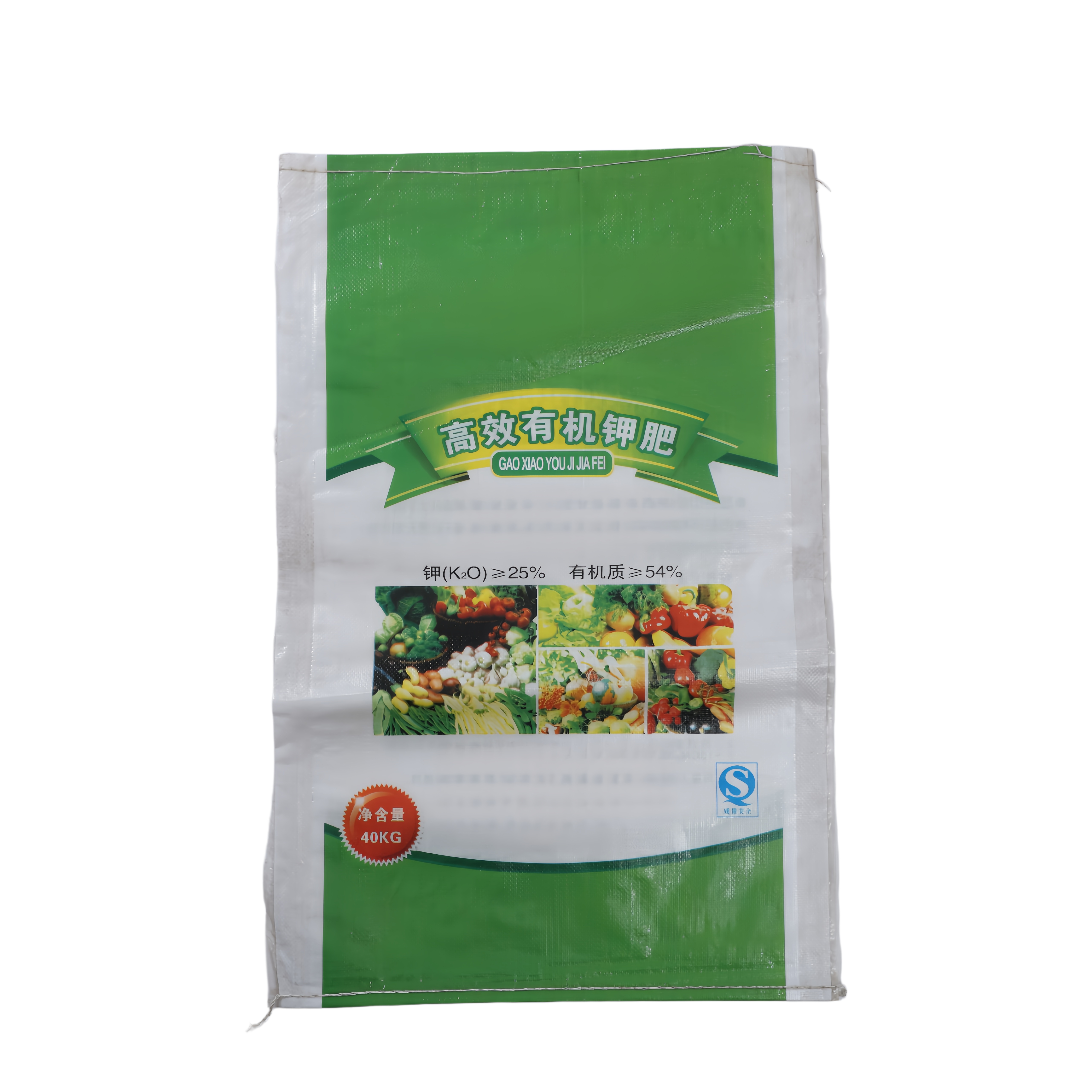
Choosing between a small batch and large volume rice bag manufacturer is a critical decision that shapes your supply chain efficiency, cost structure, and business flexibility. Many buyers struggle with this choice because each approach offers distinct advantages and trade-offs that directly impact profitability and operational agility.
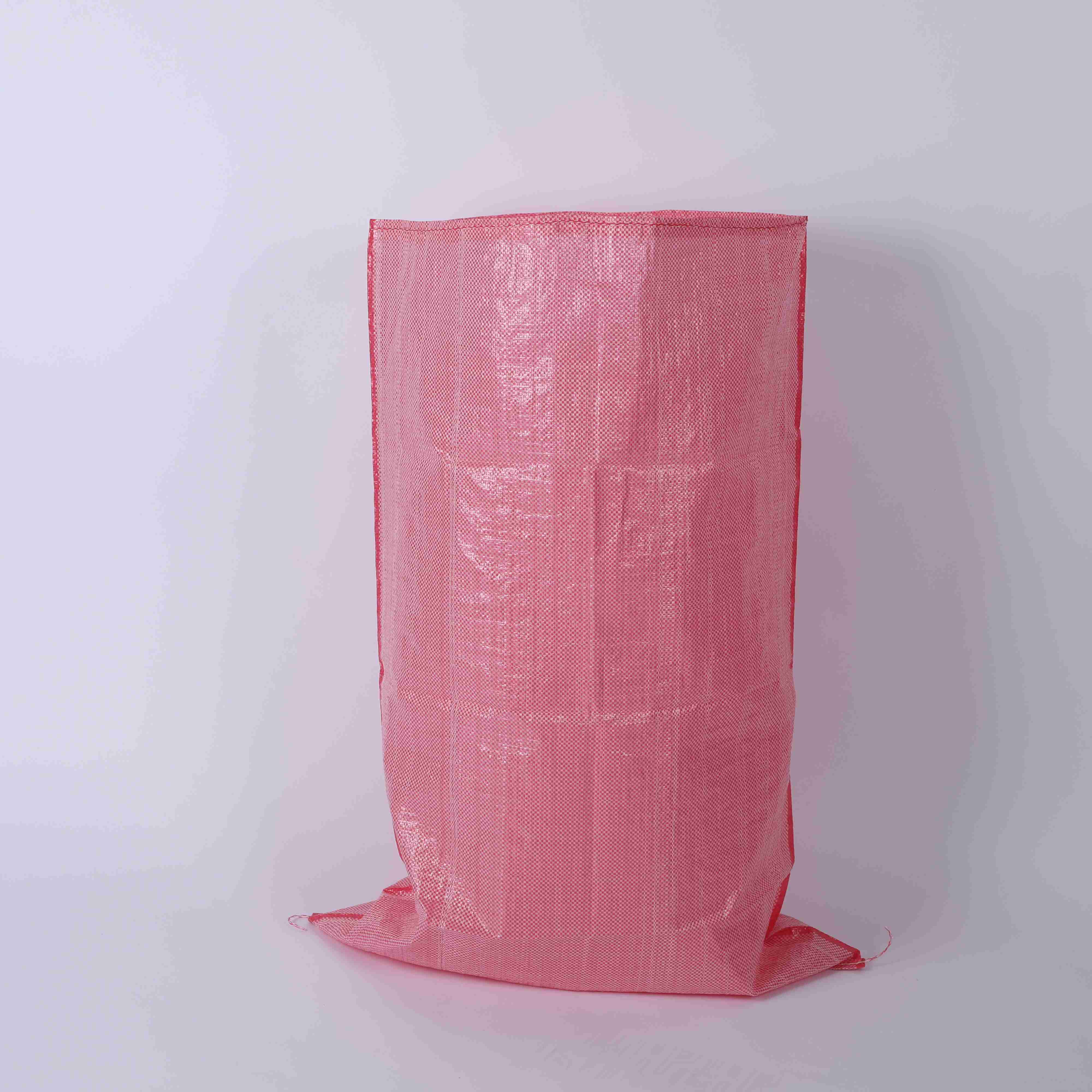
Understanding the nuances between these two manufacturing models helps you align your supply strategy with your current market position, growth trajectory, and cash flow requirements. This guide walks you through the key differences, enabling you to make an informed decision that maximizes your competitive advantage in the rice packaging market.
Small batch rice bag production typically involves orders ranging from a few thousand to tens of thousands of units per run. A rice bag factory operating in small batch mode maintains greater flexibility in design changes, color variations, and customization options. This approach is particularly valuable for businesses testing new market segments or managing seasonal demand fluctuations.
Small batch production with a custom rice bag supplier allows you to respond quickly to market feedback without holding excessive inventory. The rice packaging supplier in this model can accommodate design modifications, material upgrades, and branding adjustments between production cycles more readily than large volume operations.
Large volume production typically starts at minimum order quantities of fifty thousand units or more, with some manufacturers requiring hundred thousand unit commitments. This pp rice bag production approach prioritizes cost efficiency through extended production runs, standardized processes, and economies of scale. A rice bag factory focusing on large volume output achieves significantly lower per-unit manufacturing costs.
Large volume manufacturers streamline their operations around consistent, high-capacity production. This rice packaging supplier model works best for established brands with predictable demand patterns and the capital to invest in significant inventory commitments.
Small batch rice bag manufacturers typically charge higher unit costs, generally ranging from fifteen to twenty-five percent above large volume pricing, depending on complexity and materials. A custom rice bag from a small batch supplier may cost two to three times more per unit than bulk orders from a rice packaging supplier specializing in large volume runs. However, your total capital outlay remains lower because you purchase fewer units upfront.
Large volume pp rice bag production achieves unit costs thirty to fifty percent lower than small batch alternatives through manufacturing efficiency, bulk material procurement, and reduced setup overhead. A rice bag factory optimized for high-volume output can absorb tooling and setup costs across hundreds of thousands of units, dramatically improving per-unit economics.
Small batch orders preserve working capital because inventory investments stay modest. Your cash flow remains flexible, allowing reallocation to other business needs. A rice bag factory operating at small batch scale typically delivers within four to eight weeks, enabling faster market testing and reduced obsolescence risk.
Large volume commitments lock significant capital into inventory, often requiring prepayment or substantial deposits. A rice packaging supplier demanding minimum orders of one hundred thousand units may require payment of fifty to one hundred percent upfront. This capital commitment can strain cash flow for growing businesses, though the per-unit savings eventually offset the working capital burden.
Small batch suppliers excel at accommodating custom rice bag variations because setup costs distribute across fewer units. A rice bag factory can adjust ink colors, add security features, modify dimensions, or incorporate specialized printing without triggering excessive cost premiums. Your rice packaging supplier maintains lower minimum specifications, enabling rapid pivots when market preferences shift.
Large volume pp rice bag production imposes stricter standardization because design changes increase manufacturing complexity and tooling costs. Modifications to a large batch run may require production stoppages or quality control verification that adds substantial expense. Many rice bag manufacturers in this segment charge significant engineering fees for design revisions, discouraging frequent customization.
Small batch production cycles typically span four to ten weeks, allowing you to test product concepts, gather customer feedback, and iterate rapidly. A custom rice bag manufacturer can accommodate urgent orders or seasonal spikes without waiting for the next scheduled large production run. This agility positions your business to capitalize on emerging market trends before competitors mobilize at scale.
Large volume rice bag factories operate on extended production schedules, often requiring two to four month lead times due to capacity planning and material procurement windows. Your rice packaging supplier locks you into preset production dates, making emergency orders difficult and expensive. However, once production begins, large volume runs deliver consistent supply throughout an extended sales window.
Small batch orders reduce obsolescence risk because inventory levels stay aligned with actual demand patterns. A rice bag manufacturer can produce fresh stock monthly or quarterly, minimizing exposure to design deprecation or market preference shifts. Your storage costs decrease proportionally, and inventory write-offs remain minimal even if market conditions change unexpectedly.
Large volume commitments create significant obsolescence exposure because hundreds of thousands of units sit in storage while market conditions evolve. If consumer preferences shift, branding requirements change, or market demand softens, your pp rice bag production inventory becomes a liability. A rice packaging supplier operating at large volumes provides no mechanism to reduce commitment or pivot midstream without substantial financial loss.
Small batch suppliers build stronger vendor relationships through frequent interaction, regular communication, and collaborative problem-solving. A rice bag factory handling diverse small orders develops operational flexibility and customer-centric processes. Your custom rice bag supplier invests in understanding your business because ongoing engagement creates stable revenue.
Large volume relationships shift toward transactional efficiency rather than partnership depth. A rice packaging supplier focused on massive production runs prioritizes capacity utilization over individual client accommodation. If your business encounters challenges or needs adjustment during a large order cycle, response flexibility diminishes significantly.
Small batch rice bag manufacturer operations typically handle orders from five thousand to fifty thousand units per production run, while large volume rice bag factories begin at fifty thousand to one hundred thousand unit minimums. Specific thresholds vary by rice packaging supplier capabilities and target market segment. Most small batch custom rice bag producers accommodate orders as low as three thousand to five thousand units with modest setup fees, whereas pp rice bag production at large scale rarely accepts anything below fifty thousand units.
Unit costs from large volume rice bag manufacturers typically run thirty to fifty percent lower than small batch pricing, though exact savings depend on material specifications, printing complexity, and order size. A rice packaging supplier offering bulk pp rice bag production may reduce per-unit costs from eight to ten cents down to four to six cents for orders exceeding one hundred thousand units. Total savings must account for working capital requirements, storage costs, and inventory risk before committing to a large volume rice bag manufacturer.
Small batch rice bag manufacturers suit seasonal or trend-driven products because production cycles align with market demand windows without excessive inventory commitment. A custom rice bag supplier can produce fresh stock every four to eight weeks, enabling rapid response to market shifts. Large volume rice bag factories create inflexibility because your rice packaging supplier locks you into preset production quantities for months or years, making them unsuitable for products with unpredictable demand or short market lifecycles.

Discover the 4 critical production metrics—throughput, defect rate, equipment uptime & on-time delivery—to vet factories confidently.

Ensure regulatory compliance & worker safety with proven methods for chemical woven bags—material selection, labeling, storage & training.

Discover the full PP woven bag manufacturing workflow—from extrusion & weaving to printing & QC. Boost efficiency, compliance & ROI. Download the process guide now.

Struggling with weak bags or high material waste? Master extrusion and tape drawing tech for stronger, cheaper PP woven bags. Optimize your production line now.

Struggling with defects or customer returns? Discover the 5 non-negotiable quality checkpoints across your woven bag production line
Which automation tier is right for your PP woven bag factory? Compare manual to Industry 4.0 systems for cost, quality, and scalability.
Get in touch for details on polypropylene woven bags and flexible packaging solutions.
Tel
Address
No.2015, Liaoyuan Building, Lanshan District, Linyi City, Shandong Province.China

