 EN
How to Assess Production Efficiency at a PP Woven Bag Factory
Discover the 4 critical production metrics—throughput, defect rate, equipment uptime & on-time delivery—to vet factories confidently.

2026/09/07
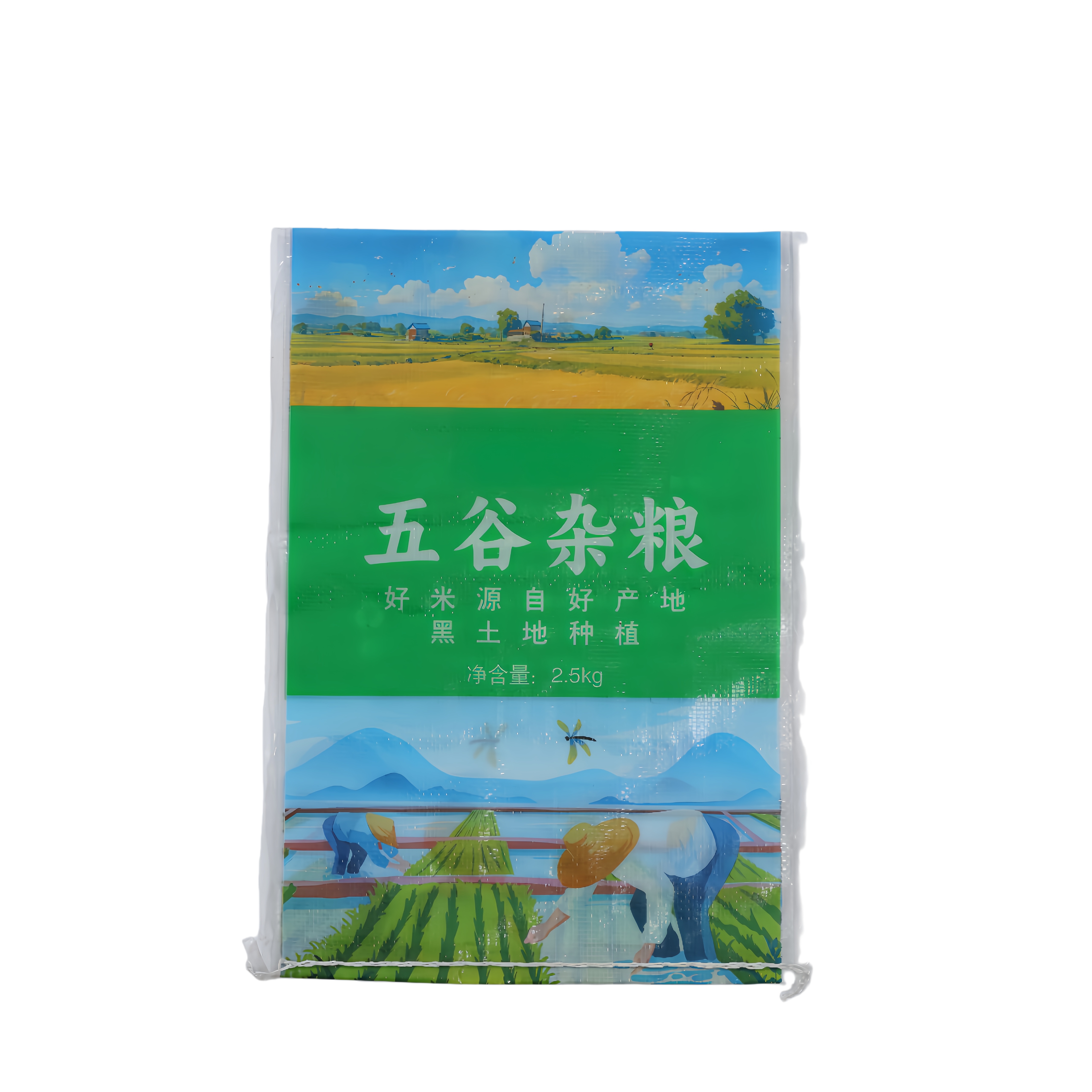
Choosing between small pack and bulk pack animal feed bags is a critical decision for farm operations of all sizes. The packaging format you select directly affects your storage requirements, operational efficiency, distribution logistics, and overall feed management costs. Understanding the strengths and limitations of each approach helps you make an informed choice aligned with your farm's specific needs, herd size, feeding schedule, and resource constraints.
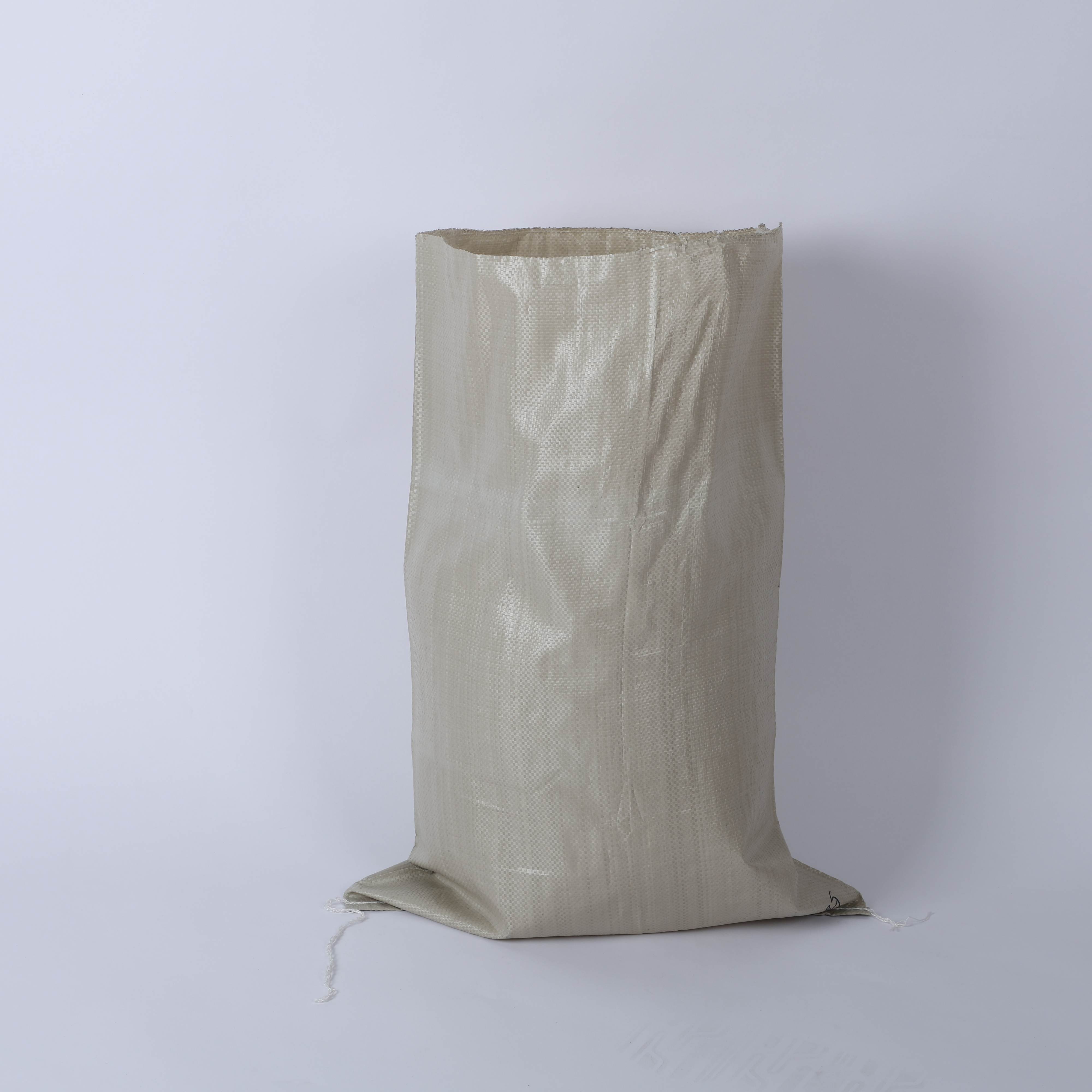
Both small and bulk livestock feed packaging options offer distinct advantages depending on your operation's scale, storage capacity, and distribution model. Small packs provide flexibility and reduce spoilage risk, while bulk options minimize packaging material, lower per-unit costs, and streamline handling for large-scale operations. This guide examines both formats in depth, helping you evaluate which approach optimizes your farm's feed distribution workflow and long-term profitability.
Small pack animal feed bags, typically ranging from 20 to 50 pounds, offer significant operational flexibility for diverse farming operations. These smaller pp feed bags reduce storage footprint requirements, making them ideal for farms with limited warehouse or barn space. They also minimize feed oxidation and nutrient degradation since opened bags are consumed more quickly, ensuring livestock receive fresher nutrition with higher bioavailability. For mixed feeding programs where you rotate between different feed types, small packs simplify inventory rotation and reduce waste from deteriorated feed.
While individual small pack units carry higher per-pound costs due to increased packaging material and handling labor, they enable more frequent, targeted restocking based on actual consumption rates. This approach suits operations distributing feed across multiple barns, pastures, or satellite feeding locations. Feed storage sack sizes in this range also reduce the physical stress on workers during daily feeding routines, improving workplace safety and operational sustainability. For specialty feed types or supplements used in smaller quantities, small packs prevent excessive inventory buildup and reduce the risk of feed spoilage.
Bulk pack livestock feed packaging, typically containing 1,000 to 2,000 pounds or more, delivers substantial per-unit cost reductions and streamlines procurement logistics. Large-scale dairy, beef cattle, and poultry operations benefit from purchasing fewer total shipments, reduced freight surcharges, and lower material costs per pound of feed. Pp feed bag technology for bulk applications often incorporates advanced barrier protection and reinforced stitching to handle the weight stress and protect contents from environmental contamination during extended storage. These economies of scale make bulk purchasing the default strategy for operations with large herds, predictable consumption patterns, and adequate storage infrastructure.
Bulk feed storage sack systems require significant upfront investment in climate-controlled storage facilities, bulk bins, mechanical handling equipment, and dedicated storage space. Operations must maintain precise inventory management and implement rigorous rotation protocols to prevent feed oxidation and nutrient loss during prolonged storage. The poultry feed bag format for bulk applications demands robust containment systems that prevent moisture infiltration and pest access. Successfully managing bulk inventory also requires sophisticated forecasting capabilities to maintain optimal stock levels without over-purchasing, which ties up capital and increases spoilage risk.
Your choice between small pack and bulk animal feed bags depends fundamentally on herd size and composition. Operations with fewer than 50 head typically benefit from small pack convenience and flexibility, while farms exceeding 200 head usually achieve better margins through bulk livestock feed packaging. Mixed operations combining cattle, poultry, and specialty animals often adopt a hybrid approach, using bulk packs for primary feed types and small units for supplements and specialized poultry feed bag products. Feeding frequency also matters: operations feeding multiple times daily or across dispersed locations typically prefer small packs that distribute handling labor and minimize storage concentration.
Small pack animal feed bags require less infrastructure investment but demand higher labor input and more frequent procurement cycles. Bulk options require substantial capital for storage facilities and handling equipment but reduce ongoing labor demands and transaction costs. Evaluate your existing storage capacity, workforce availability, and capital budget before committing to either approach. Many growing farms benefit from transitioning gradually from small pack to bulk as their operations scale, eventually justifying the infrastructure investment through demonstrated cost savings and operational efficiency gains.
Small pack animal feed bags typically range from 20 to 50 pounds, while bulk livestock feed packaging contains 1,000 to 2,000 pounds or more. Some operations use intermediate sizes of 100 to 200 pounds for specialty applications or transition scenarios between formats.
Shorter storage periods favor bulk pp feed bag purchases due to lower costs, while longer storage durations benefit from small pack feed storage sack units that reduce oxidation risk. Feed quality degrades over time, so operations storing feed longer than 8-12 weeks should consider smaller units that ensure fresher nutrition for poultry feed bag and other livestock applications.
Yes, hybrid approaches are increasingly common in modern farm operations. Many farms purchase bulk livestock feed packaging for primary feed types while maintaining small pack inventory for supplements, specialty feeds, and seasonal adjustments, optimizing both cost and operational flexibility within their specific production system.

Discover the 4 critical production metrics—throughput, defect rate, equipment uptime & on-time delivery—to vet factories confidently.

Ensure regulatory compliance & worker safety with proven methods for chemical woven bags—material selection, labeling, storage & training.

Discover the full PP woven bag manufacturing workflow—from extrusion & weaving to printing & QC. Boost efficiency, compliance & ROI. Download the process guide now.

Struggling with weak bags or high material waste? Master extrusion and tape drawing tech for stronger, cheaper PP woven bags. Optimize your production line now.

Struggling with defects or customer returns? Discover the 5 non-negotiable quality checkpoints across your woven bag production line
Which automation tier is right for your PP woven bag factory? Compare manual to Industry 4.0 systems for cost, quality, and scalability.
Get in touch for details on polypropylene woven bags and flexible packaging solutions.
Tel
Address
No.2015, Liaoyuan Building, Lanshan District, Linyi City, Shandong Province.China

