 EN
How to Assess Production Efficiency at a PP Woven Bag Factory
Discover the 4 critical production metrics—throughput, defect rate, equipment uptime & on-time delivery—to vet factories confidently.

2026/09/22
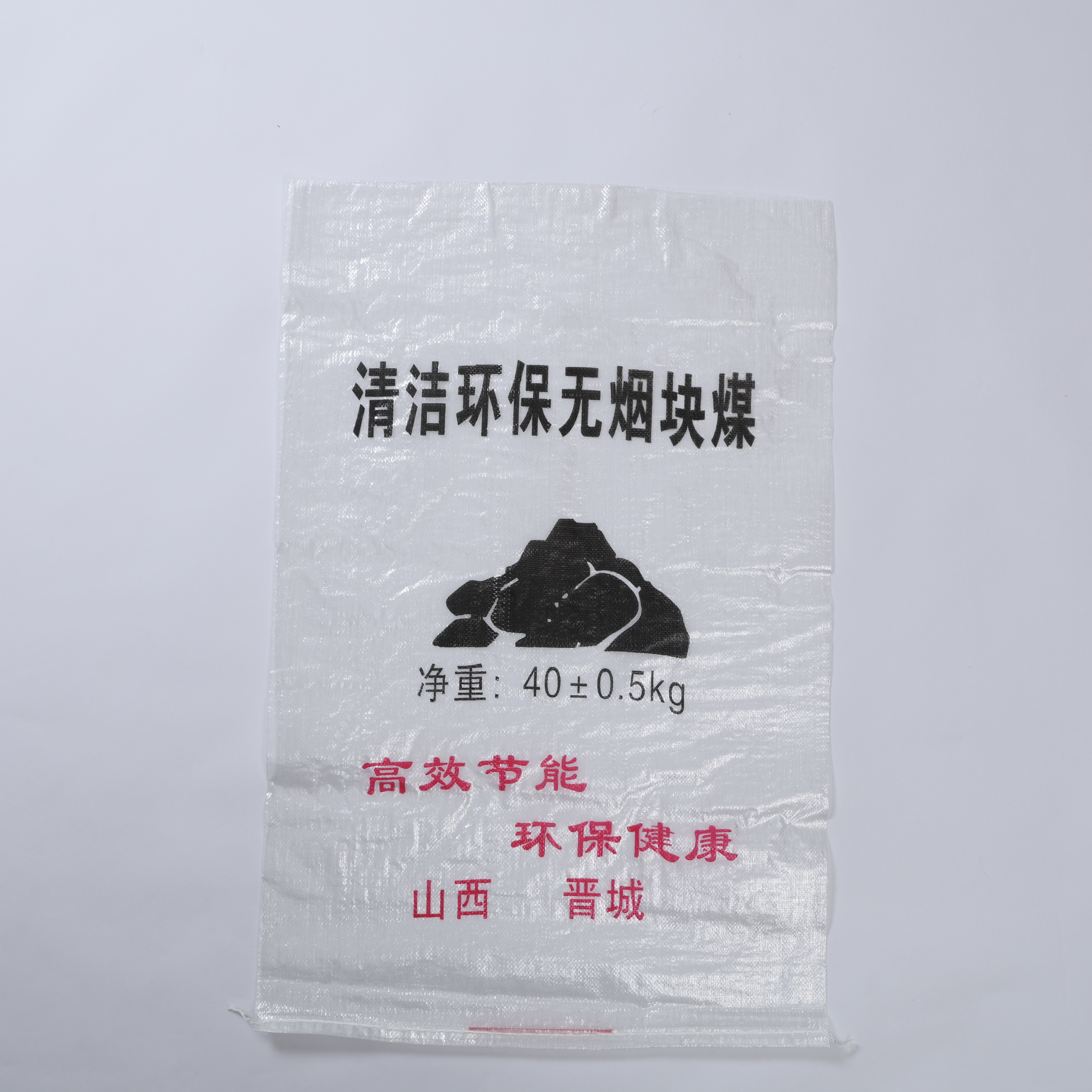
Choosing between small retail sugar bags and bulk sugar bags for distribution is a critical decision that directly impacts your business profitability, operational efficiency, and market competitiveness. The packaging format you select determines not only your product visibility on retail shelves but also your shipping costs, storage requirements, and ability to serve different customer segments effectively. Understanding the distinct advantages and trade-offs of each format enables distributors and manufacturers to optimize their supply chain strategy and meet market demand more responsibly.
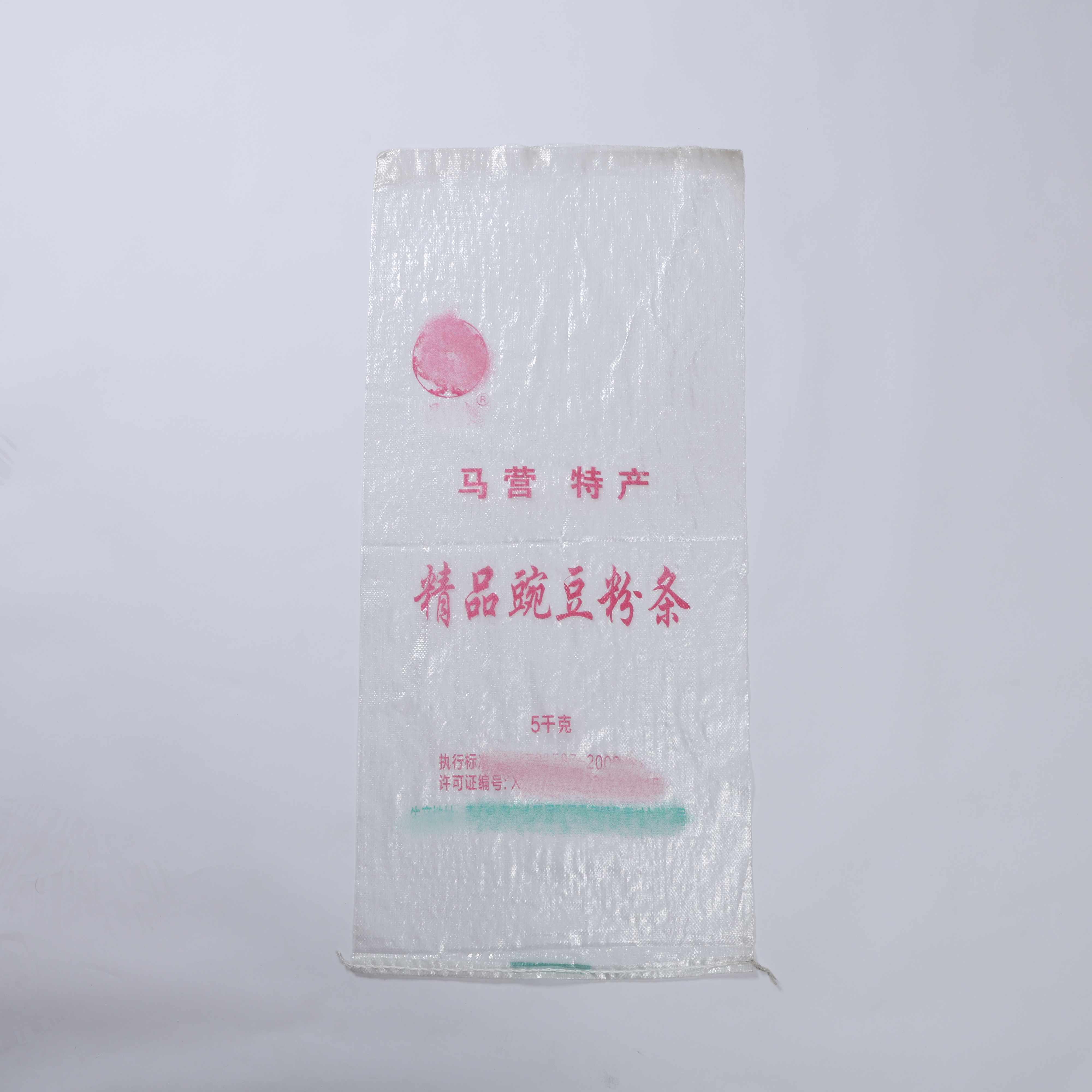
Small retail sugar bags, typically ranging from 500 grams to 5 kilograms, dominate household consumer markets and convenience retail channels. Bulk sugar bags, usually ranging from 25 kilograms to 100 kilograms, serve industrial, commercial, and wholesale distribution channels. The selection between these options requires clarity on your target customer base, distribution infrastructure, profit margins, and brand positioning strategy. This guide walks through the practical, financial, and operational considerations that should guide your decision.
Small retail sugar bags appeal directly to household consumers who purchase sugar for home cooking, baking, and beverage preparation. These consumers prioritize convenience, shelf visibility, and portion control. They perceive smaller sugar bags as easier to store in kitchen cabinets, more convenient to transport from store to home, and less likely to spoil or absorb moisture before use. Retailers stock small sugar packaging bags prominently at checkout counters and in baking sections to capitalize on impulse purchases and regular replenishment cycles. The emotional appeal of branded, colorful small sugar bags drives brand recognition and customer loyalty in competitive supermarket environments.
Commercial buyers including bakeries, food manufacturers, beverage producers, and institutional food services require bulk sugar bags to maintain operational efficiency and cost control. These buyers prioritize per-kilogram pricing, minimum order quantities, and delivery reliability over packaging aesthetics. A pp sugar sack or woven sugar bag holding 50 kilograms reduces their per-unit acquisition cost dramatically compared to purchasing 100 individual small packages. Bulk buyers also appreciate streamlined warehouse management, simplified inventory tracking, and reduced packaging waste when receiving product in large formats. For these segments, food grade packaging bag specifications and compliance documentation matter more than consumer-facing design elements.
Small retail sugar bags require more material per kilogram due to increased per-unit packaging, labeling, and protective layers needed for consumer retail environments. A pp sugar sack with 500-gram capacity requires individual, branded printing, tamper-evident features, and retail-ready presentation. Material costs per kilogram for small sugar bags typically run 15–25% higher than bulk formats. Bulk woven sugar bags, conversely, use simpler construction with minimal graphics and standardized food grade packaging bag specifications. The per-kilogram material cost for a 50-kilogram pp sugar sack drops significantly due to economies of scale in production runs. Distributors choosing bulk formats benefit from negotiated pricing on high-volume orders and reduced per-unit packaging overhead.
Transportation costs dominate the profitability equation when comparing sugar bags formats. Small retail sugar bags occupy significantly more cubic meters per kilogram of sugar delivered, reducing truck capacity utilization and increasing per-kilogram freight cost. A truck carrying small sugar packaging bag shipments might transport 8 tons of total weight but consume 80 percent of available space, driving freight expense per ton higher. Bulk woven sugar bags, particularly 50-kilogram or 100-kilogram pp sugar sack formats, stack efficiently on pallets and maximize vehicle weight limits before space constraints emerge. Warehousing costs also favor bulk formats because bulk sugar bags require fewer shelf positions and bin locations to store equivalent product quantities. Cold storage or humidity-controlled environments, when required, cost less per kilogram when managing bulk inventory.
Small retail sugar bags unlock access to supermarket chains, convenience stores, online grocery platforms, and discount retailers where consumer packaged goods dominate shelf space. These channels demand fast product rotation, attractive point-of-sale displays, and frequent promotional support to maintain visibility. Brands that commit to small sugar packaging bag formats gain shelf presence in high-traffic consumer environments and build brand awareness through retail touchpoints. However, retail channel partnerships typically require slotting fees, cooperative advertising budgets, and competitive promotional calendars that compress margins for smaller manufacturers or distributors. The consumer retail channel rewards speed to market, design innovation, and marketing investment.
Bulk woven sugar bags and food grade packaging bag formats serve established wholesale relationships, industrial supply contracts, and long-term commercial partnerships. These channels value consistency, compliance documentation, volume discounts, and reliable delivery schedules over marketing innovation. A pp sugar sack supplier that builds strong relationships with regional bakery chains, agricultural cooperatives, or food manufacturing plants secures recurring purchase commitments and stable revenue streams. Bulk distribution channels often involve direct sales, longer contract terms, and lower customer acquisition costs compared to retail environments. Market penetration requires technical sales expertise, compliance certifications, and demonstrated supply chain reliability rather than consumer marketing investment.
Sophisticated distributors and manufacturers increasingly employ hybrid strategies that combine small retail sugar bags for consumer channels with bulk sugar packaging bag formats for commercial customers. This approach captures margin opportunities across multiple customer segments simultaneously. A distributor might sell premium small sugar bags through supermarket chains while simultaneously supplying 50-kilogram pp sugar sack products to institutional buyers. The hybrid model requires separate sales teams, distinct supply chain processes, and duplicated inventory management. However, it spreads risk across customer segments and improves overall facility utilization and revenue stability compared to single-channel commitment.
Both small retail sugar bags and bulk woven sugar bags must meet food grade packaging bag standards, moisture barriers, and labeling regulations specific to your target markets. Small sugar packaging bag formats require detailed nutritional information, ingredient statements, and allergen warnings visible on consumer-facing labels. Bulk pp sugar sack products require compliance documentation, traceability systems, and commercial buyer certifications. Material selection, ink safety, and moisture protection differ between retail and bulk formats. Choosing formats without verifying regulatory alignment in your target geography creates expensive compliance rework and potential market entry delays. Engage regulatory consultants early in format selection to avoid costly adjustments after production commitments.
The decision depends on your target customer base, available distribution infrastructure, and profit margin targets. If your customers are primarily households purchasing through supermarkets and convenience stores, small sugar bags drive volume and brand visibility. If your primary customers are industrial buyers, bakeries, or food manufacturers, bulk sugar packaging bags reduce per-unit costs and simplify logistics. Many growing distributors serve both segments simultaneously using separate supply chains.
Bulk pp sugar sack or sugar woven bag formats typically reduce per-kilogram transportation costs by 20–40% compared to small retail sugar bags, depending on distance, truck utilization, and fuel surcharges. The space efficiency of stacking bulk sugar packaging bags on standard pallets versus the scattered placement of small packages creates measurable logistics savings. Calculate your specific savings by comparing current freight rates per ton against bulk format proposals from your logistics provider.
Both small retail sugar bags and bulk sugar woven bag formats must meet identical food safety and material standards set by regulatory agencies in your market. However, labeling requirements, moisture barrier specifications, and traceability documentation differ significantly. Small sugar packaging bags require consumer-facing nutritional labeling and ingredient statements, while bulk pp sugar sack products require commercial buyer compliance certifications and supply documentation. Always verify that your chosen format meets all regulatory requirements for your intended distribution channel.

Discover the 4 critical production metrics—throughput, defect rate, equipment uptime & on-time delivery—to vet factories confidently.

Ensure regulatory compliance & worker safety with proven methods for chemical woven bags—material selection, labeling, storage & training.

Discover the full PP woven bag manufacturing workflow—from extrusion & weaving to printing & QC. Boost efficiency, compliance & ROI. Download the process guide now.

Struggling with weak bags or high material waste? Master extrusion and tape drawing tech for stronger, cheaper PP woven bags. Optimize your production line now.

Struggling with defects or customer returns? Discover the 5 non-negotiable quality checkpoints across your woven bag production line
Which automation tier is right for your PP woven bag factory? Compare manual to Industry 4.0 systems for cost, quality, and scalability.
Get in touch for details on polypropylene woven bags and flexible packaging solutions.
Tel
Address
No.2015, Liaoyuan Building, Lanshan District, Linyi City, Shandong Province.China

