 EN
How to Assess Production Efficiency at a PP Woven Bag Factory
Discover the 4 critical production metrics—throughput, defect rate, equipment uptime & on-time delivery—to vet factories confidently.

2026/08/21
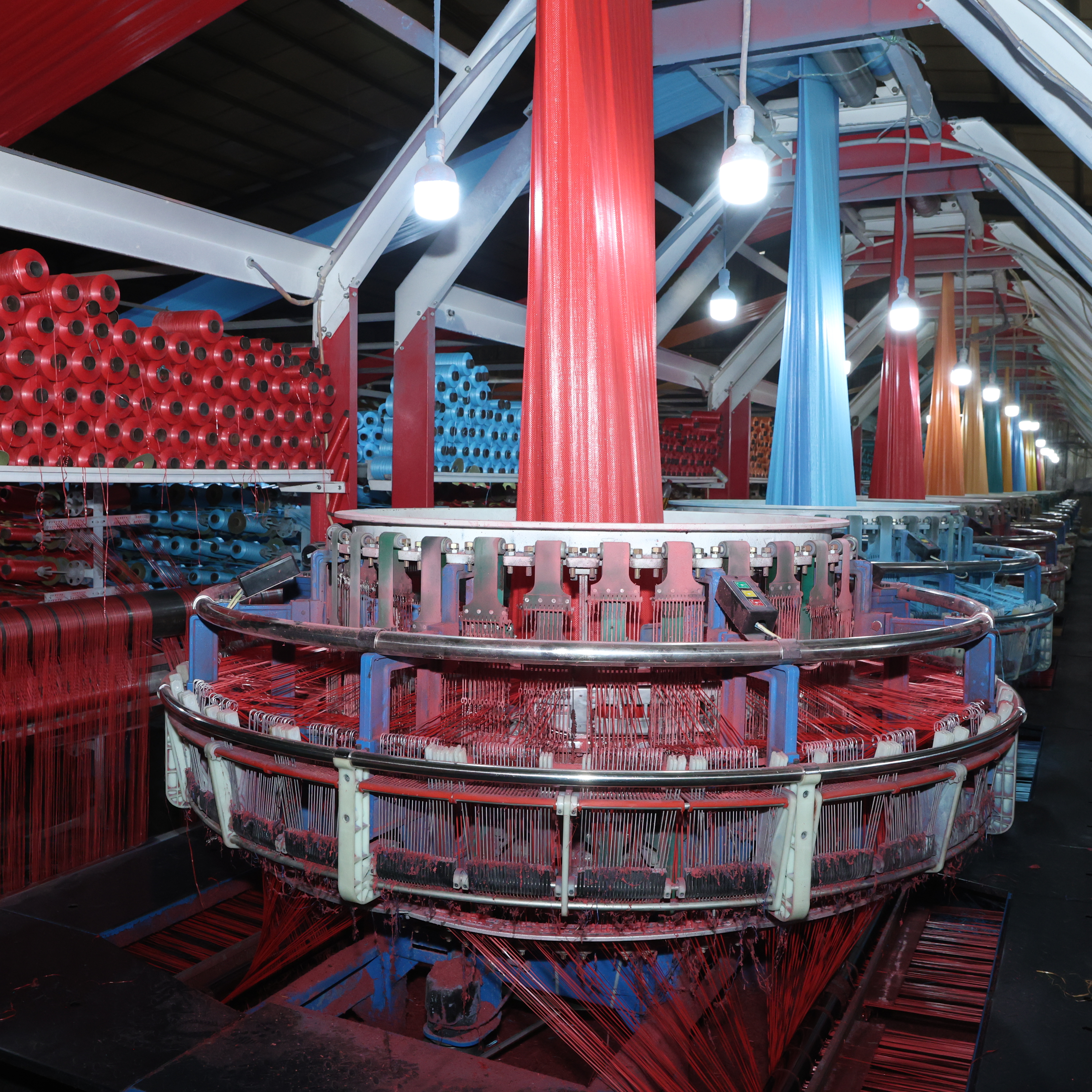
Choosing between a small scale and large scale PP woven bag factory is a critical decision that directly impacts your procurement strategy, costs, and supply chain reliability. The right choice depends on your volume requirements, budget constraints, and specific customization needs. Both operation sizes serve distinct market segments, and understanding their strengths helps you make an informed decision aligned with your business objectives.
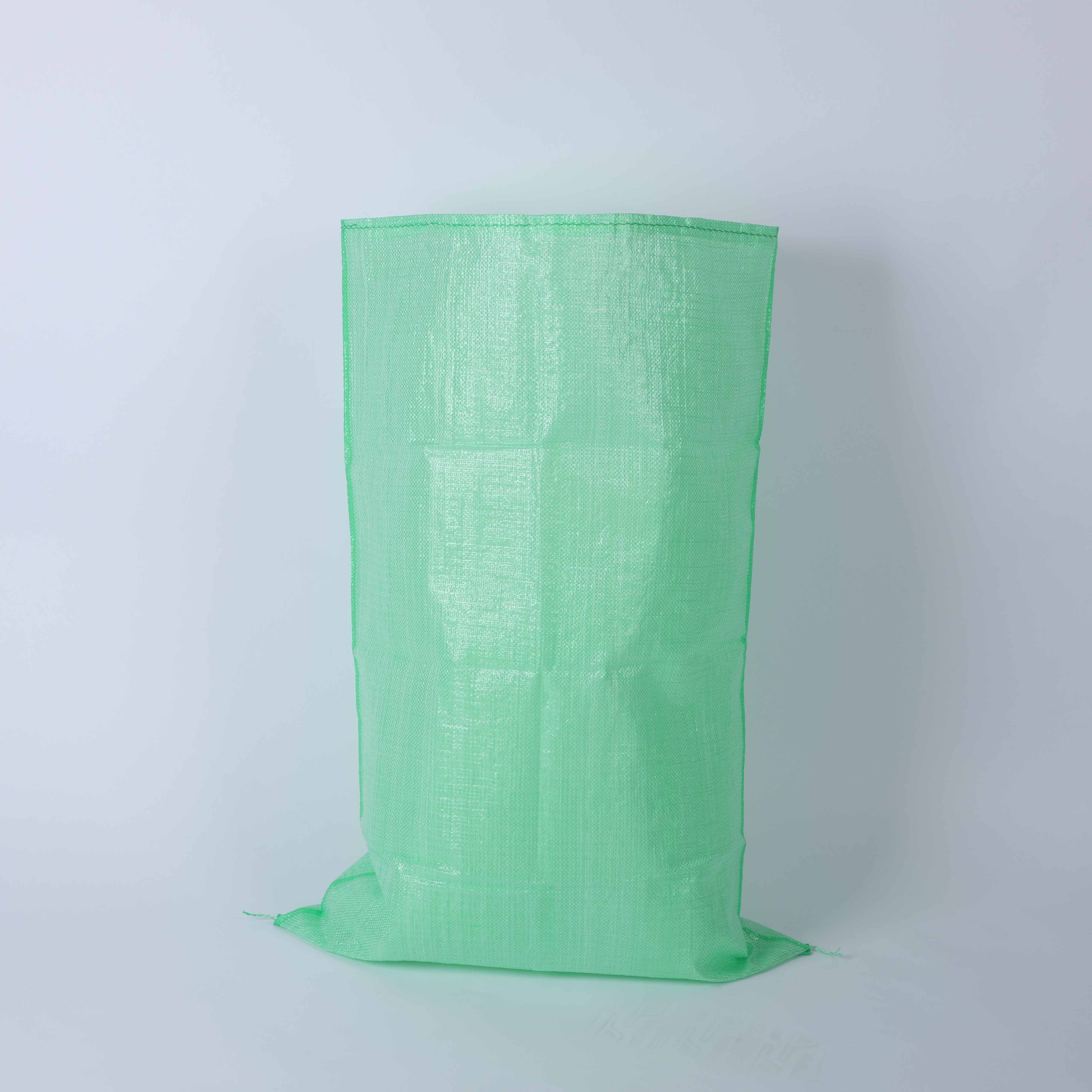
The bulk bag manufacturing landscape has evolved significantly, offering diverse production capabilities across different scales. A PP woven bag factory operates within this ecosystem, balancing efficiency, flexibility, and cost control. Whether you require rapid prototyping or consistent high-volume orders, the factory size you select will influence delivery timelines, minimum order quantities, pricing structures, and technical support quality.
Small scale PP woven bag factories typically operate with limited equipment, ranging from 2 to 10 production lines. These facilities excel at flexibility and quick response times, making them ideal for businesses testing new products or serving niche markets. A custom woven bag factory of this size can handle rush orders and adapt designs rapidly without extensive setup delays. However, their monthly output generally caps at 50 to 200 metric tons, which limits their appeal for bulk bag manufacturing operations requiring consistent, massive supply.
These smaller operations maintain lower overhead costs and can sustain profitability even with smaller order volumes. They often serve regional markets, startup businesses, and companies with fluctuating demand patterns. The workforce is typically more engaged directly with production, enabling hands-on quality oversight and faster problem-solving.
Large scale PP woven bag factory operations deploy 15 to 50+ woven bag production lines simultaneously, generating monthly outputs of 500 metric tons or more. These facilities command significant market share in bulk bag manufacturing, serving multinational corporations, logistics operators, and large-scale agricultural enterprises. The sheer volume of production allows them to absorb large orders without disrupting regular schedules, ensuring consistent supply for established brands.
The pp bag manufacturing process at this scale involves sophisticated automation, quality control systems, and integrated material handling. These factories invest in advanced technology to maintain cost efficiency across massive production runs, often achieving economies of scale that reduce per-unit pricing dramatically.
Small scale facilities typically charge premium unit prices due to higher per-unit labor and overhead allocation. Minimum order quantities often start at 5 to 10 metric tons, which may still challenge smaller retailers or specialized businesses. However, their pricing flexibility allows negotiation on smaller volumes, and they may offer custom woven bag factory services with lower tooling requirements compared to larger competitors.
Large scale bulk bag manufacturing operations benefit from economies of scale, passing cost savings to high-volume buyers. Minimum order quantities often exceed 20 to 50 metric tons, which is justified by their operational efficiency and automation. Their pricing becomes increasingly attractive at higher volumes, making them the logical choice for established supply chains requiring consistent bulk orders.
When evaluating a pp bag manufacturing partner, consider more than unit price. Small scale factories may incur longer lead times requiring inventory buildup, while large scale operations might impose stricter payment terms or minimum commitments. Logistics costs vary based on factory location, export capabilities, and shipping arrangements. A custom woven bag factory's geographic proximity to your distribution network can significantly impact total cost when factoring in freight, tariffs, and storage.
Quality consistency also carries financial implications. Large operations typically maintain certified systems, reducing reject rates and rework costs. However, small scale factories sometimes offer superior attention to detail, preventing costly quality disputes downstream.
Small scale PP woven bag factory operations thrive when handling custom specifications, rapid design iterations, and short production runs. If your business requires frequent product variations or seasonal switches between bag types, smaller facilities provide the agility to accommodate changes without lengthy setup procedures. Their smaller team structure enables faster communication between your design team and production managers, reducing misunderstandings and accelerating time-to-market.
Bulk bag manufacturing at large scale operations follows rigid scheduling and standardized processes. Custom woven bag factory services at this level typically require longer lead times and may charge change fees. However, once designs are locked in, large facilities deliver consistent quality at unbeatable volumes and pricing.
Large scale bulk bag manufacturing facilities maintain comprehensive quality management systems with automated inspection, statistical process control, and compliance certifications. These operations provide documented traceability, material certificates, and standardized technical support across multiple languages and time zones.
Small scale pp bag manufacturing plants often compensate with personalized quality oversight and direct access to management. This hands-on approach can prevent issues before they reach production scale, though documentation and formal certifications may be less extensive than at larger competitors.
Select a small scale PP woven bag factory if your business requires monthly volumes under 200 metric tons, needs frequent design customization, or operates in specialized markets like pharmaceuticals or industrial chemicals. This choice favors responsiveness, flexibility, and direct relationship management. A custom woven bag factory at this scale works well for startups, regional distributors, and companies testing market segments before committing to large contracts.
Opt for large scale bulk bag manufacturing when your volumes exceed 300 metric tons monthly, require consistent product specifications, demand quality certifications, or operate in price-sensitive markets. These woven bag production lines deliver cost advantages, supply chain predictability, and access to advanced technical capabilities that justify long-term partnerships.
Many successful businesses partner with both scales to balance risk and opportunity. Distribute baseline bulk bag manufacturing to a large facility while maintaining relationships with small scale pp bag manufacturing partners for special orders, market testing, or geographic backup. This diversified approach prevents supply chain disruption, accommodates market volatility, and preserves negotiating leverage across your supplier network.
Small scale PP woven bag factory operations typically accept minimum orders of 5 to 10 metric tons, while large scale bulk bag manufacturing facilities usually require 20 to 50 metric tons minimum. These minimums reflect each operation's cost structure and production efficiency standards. Always confirm exact minimums before committing, as they may vary based on specific product specifications, seasonal demand, and your payment terms.
Large scale pp bag manufacturing operations invest heavily in automated quality systems, achieving consistent results across massive volumes with formal certifications like ISO 9001. Small scale custom woven bag factory operations often emphasize personalized oversight and hands-on quality control, which can prevent issues through direct attention but may lack formal documentation. Neither guarantees superior quality; the difference lies in process consistency and scalability rather than inherent excellence.
Yes, many companies successfully maintain multiple supplier relationships across different scales. Use larger bulk bag manufacturing partners for consistent baseline volume and smaller pp bag manufacturing operations for special projects, prototyping, or geographic redundancy. This hybrid approach reduces supply chain risk, preserves flexibility, and maintains competitive pressure among your suppliers, ultimately benefiting your bottom line and operational resilience.

Discover the 4 critical production metrics—throughput, defect rate, equipment uptime & on-time delivery—to vet factories confidently.

Ensure regulatory compliance & worker safety with proven methods for chemical woven bags—material selection, labeling, storage & training.

Discover the full PP woven bag manufacturing workflow—from extrusion & weaving to printing & QC. Boost efficiency, compliance & ROI. Download the process guide now.

Struggling with weak bags or high material waste? Master extrusion and tape drawing tech for stronger, cheaper PP woven bags. Optimize your production line now.

Struggling with defects or customer returns? Discover the 5 non-negotiable quality checkpoints across your woven bag production line
Which automation tier is right for your PP woven bag factory? Compare manual to Industry 4.0 systems for cost, quality, and scalability.
Get in touch for details on polypropylene woven bags and flexible packaging solutions.
Tel
Address
No.2015, Liaoyuan Building, Lanshan District, Linyi City, Shandong Province.China

