 EN
How to Assess Production Efficiency at a PP Woven Bag Factory
Discover the 4 critical production metrics—throughput, defect rate, equipment uptime & on-time delivery—to vet factories confidently.

2026/08/05
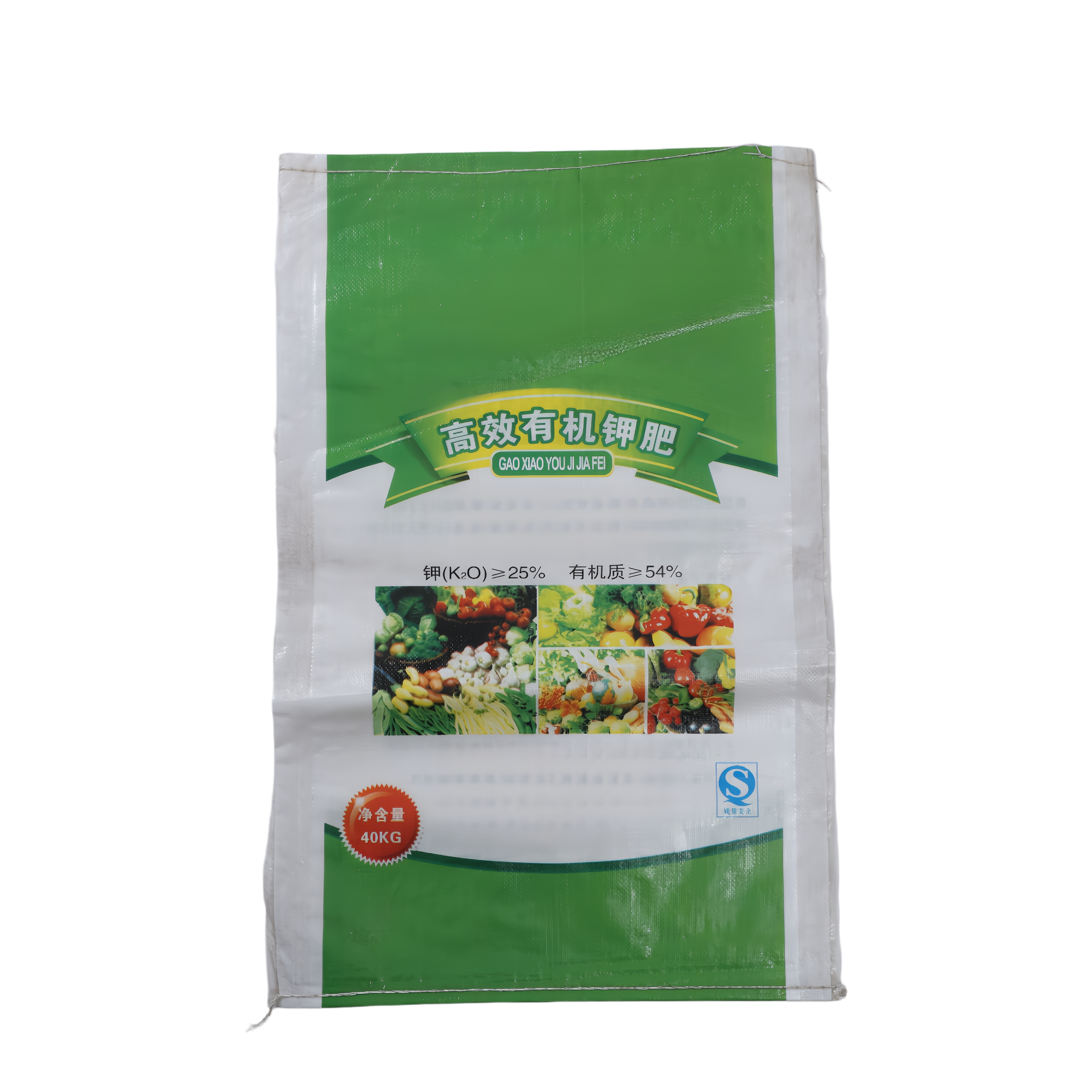
Adhesion loss between laminate film and base fabric represents one of the most persistent quality challenges in modern packaging manufacturing. When the protective film separates from the substrate material in laminated bags, product integrity suffers, shelf life decreases, and customer satisfaction declines rapidly. This adhesion failure occurs during production, storage, or distribution, making it critical to understand root causes and implement preventive strategies before problems reach your supply chain.
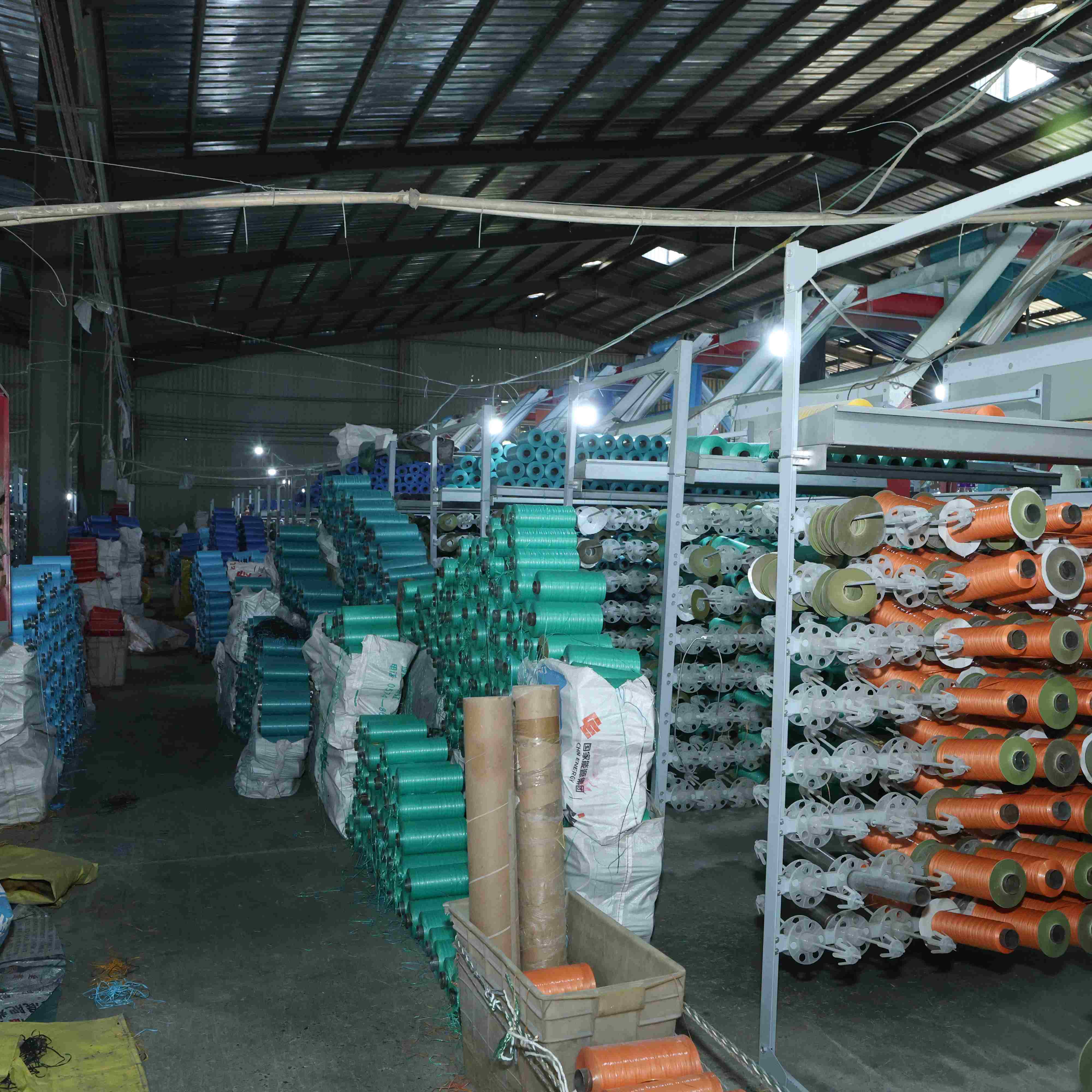
The manufacturing of laminated pp bag and other coated packaging bag formats requires precision control across multiple stages. Surface contamination, improper pressure application, incompatible adhesive chemistry, and inadequate curing time all contribute to adhesion failure. Understanding these variables enables processors to maintain consistent bond strength, reduce waste, and deliver moisture proof bag solutions that meet demanding market specifications.
Surface cleanliness directly determines adhesion success in laminated bags production. Dust, oil residues, moisture, and static charges accumulate on base fabric surfaces before lamination, creating invisible barriers that prevent adhesive contact. When these contaminants remain present during lamination, the coated packaging bag experiences weak bonding at the molecular level, leading to eventual separation under stress or environmental exposure.
Environmental conditions amplify contamination risks significantly. High humidity increases moisture absorption into base fabric fibers, while temperature fluctuations cause differential expansion that stresses adhesive bonds. Processing areas with inadequate ventilation trap airborne particles that settle on substrate surfaces. Implementing pre-lamination cleaning stages, controlling relative humidity between 40–60 percent, and maintaining stable temperature ranges around 20–25 degrees Celsius substantially improves adhesion reliability in laminated sack manufacturing.
Selecting adhesives compatible with both base fabric and laminate film chemistry proves essential for durable bonds. Some adhesive systems exhibit poor wetting characteristics on particular fabric weaves or coating types, resulting in incomplete coverage and inconsistent adhesion across the laminated pp bag surface. Moisture proof bag applications demand adhesives with water-resistant cured properties, yet standard formulations may not provide this performance.
Adhesive viscosity, application thickness, and open time all influence final bond strength in coated packaging bag processes. Overly thick adhesive layers trap air pockets that weaken structural integrity, while insufficient coating leaves gaps in coverage. Adhesive formulations must match processing speeds—faster lines require shorter open times to prevent premature drying, while slower processes allow viscosity adjustment. Testing adhesive performance against your specific base fabric and laminate film combination prevents costly production failures after scale-up.
Pressure, temperature, and dwell time form the critical control trio for reliable laminated bags adhesion. Insufficient pressure prevents adequate adhesive flow and fabric consolidation, while excessive pressure can distort substrate geometry and damage delicate film layers. Optimal pressure typically ranges from 0.5 to 2.0 megapascals depending on material combinations, requiring calibration for each specific laminated sack formulation.
Temperature management directly affects adhesive curing and bond development in moisture proof bag production. Most adhesive systems cure between 80–150 degrees Celsius, with specific temperature-time profiles established by adhesive suppliers. Uniform heat distribution across the lamination nip ensures consistent adhesion throughout the laminated pp bag. Infrared thermography and contact temperature monitoring detect hot and cold spots that create adhesion variation, allowing operators to adjust heating zones before quality suffers.
Adequate curing time after lamination dramatically reduces adhesion loss risks in coated packaging bag production. Many manufacturers rush finished laminated bags directly to slitting or printing without allowing full adhesive polymerization. Inadequately cured adhesive lacks structural strength and remains sensitive to moisture, temperature stress, and mechanical flexing during handling and storage.
Post-lamination conditioning in controlled environments improves adhesive performance stability. Allowing laminated sack materials to rest at 50–70 percent relative humidity for 24–48 hours permits residual solvents to evaporate and adhesive cross-links to fully develop. This simple conditioning investment prevents adhesion failures that would otherwise emerge weeks later when moisture proof bag packages reach distribution or end-use environments. Regular testing of aged samples ensures curing protocols adequately address your application demands.
Implementing standardized adhesion tests provides early detection of bonding problems in laminated bags production. Peel strength testing measures the force required to separate laminate film from base fabric, revealing inadequate adhesion before commercial production occurs. ASTM D3330 and similar standards define testing protocols that compare your laminated pp bag performance against industry benchmarks and customer specifications.
Moisture resistance testing specifically addresses adhesion stability in moisture proof bag applications. Conditioning laminated sack samples in high-humidity environments or immersion solutions simulates supply chain and end-use stresses. Bond strength measured before and after moisture exposure quantifies adhesive durability. Thermal cycling tests—alternating temperature extremes—stress adhesion bonds and reveal formulations susceptible to environmental degradation, essential validation for coated packaging bag products destined for variable climates.
Modern lamination equipment incorporates sensors tracking pressure, temperature, and line speed continuously. Integrating adhesion quality data into manufacturing execution systems creates rapid feedback loops alerting operators to out-of-specification conditions before significant waste accumulates. Statistical process control charts reveal drift trends before catastrophic adhesion failures occur, enabling preventive maintenance and adjustment scheduling.
Inline defect detection systems using vision technology identify delamination patterns, wrinkles, and contamination on laminated bags surfaces in real-time. Early rejection of defective laminated pp bag material prevents false moisture proof bag packages from reaching customers. Combining inline inspection with post-cure adhesion sampling establishes confidence that production batches consistently meet adhesion specifications for coated packaging bag delivery.
Sudden adhesion failures typically result from changes in raw material properties, environmental drift in the production facility, or adhesive formulation variations from your supplier. Base fabric moisture content may have increased due to humidity changes, or laminate film thickness or coating type may have shifted subtly. Reviewing material certifications, checking production environment sensors, and confirming adhesive lot numbers quickly identifies the change trigger, allowing corrective action before production resumes.
Once delamination occurs in laminated bags or laminated sack products, structural repair is not practical at commercial scale. The preferred approach involves preventing adhesion loss through proper process control rather than attempting remediation. If a batch shows adhesion problems, isolation and material salvage through recycling or alternative applications minimizes financial impact while protecting your supply chain integrity for moisture proof bag customers.
Implementing daily adhesion testing during normal production runs establishes baseline performance for laminated bags. Additional testing occurs whenever raw materials change, after equipment maintenance, when environmental conditions shift significantly, or following any production interruption. Many manufacturers also conduct monthly comprehensive testing including thermal cycling and moisture resistance on laminated pp bag samples to ensure coated packaging bag durability remains consistent across seasons and storage conditions.

Discover the 4 critical production metrics—throughput, defect rate, equipment uptime & on-time delivery—to vet factories confidently.

Ensure regulatory compliance & worker safety with proven methods for chemical woven bags—material selection, labeling, storage & training.

Discover the full PP woven bag manufacturing workflow—from extrusion & weaving to printing & QC. Boost efficiency, compliance & ROI. Download the process guide now.

Struggling with weak bags or high material waste? Master extrusion and tape drawing tech for stronger, cheaper PP woven bags. Optimize your production line now.

Struggling with defects or customer returns? Discover the 5 non-negotiable quality checkpoints across your woven bag production line
Which automation tier is right for your PP woven bag factory? Compare manual to Industry 4.0 systems for cost, quality, and scalability.
Get in touch for details on polypropylene woven bags and flexible packaging solutions.
Tel
Address
No.2015, Liaoyuan Building, Lanshan District, Linyi City, Shandong Province.China

