 EN
How to Assess Production Efficiency at a PP Woven Bag Factory
Discover the 4 critical production metrics—throughput, defect rate, equipment uptime & on-time delivery—to vet factories confidently.

2026/08/26
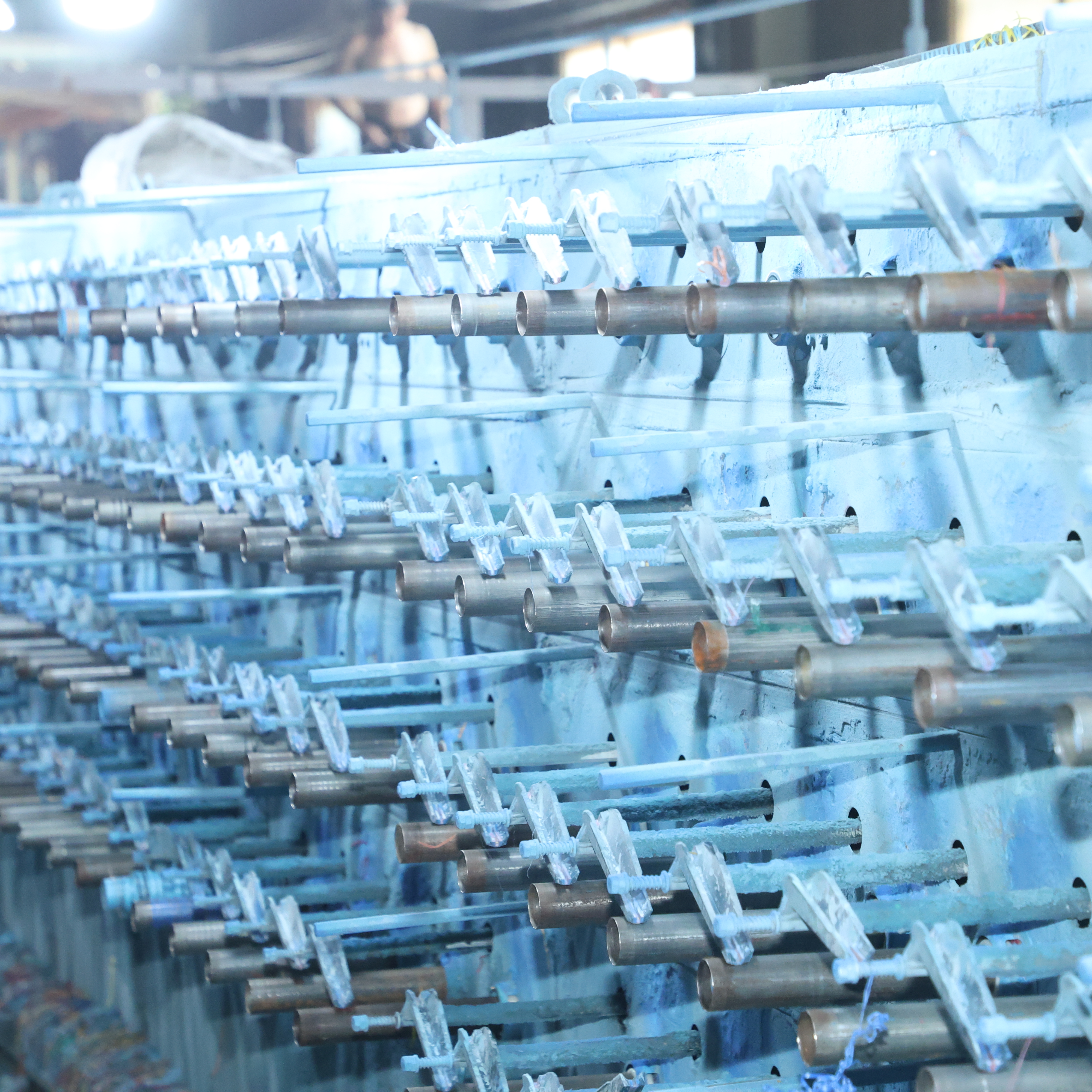
High-speed woven bag production lines represent significant capital investments for any PP woven bag factory, yet operational bottlenecks frequently undermine their full potential. When a woven bag production line experiences slowdowns, material waste increases, labor costs rise, and delivery schedules slip. Understanding where and why these bottlenecks occur is the first step toward reclaiming lost productivity. Modern pp bag manufacturing relies on seamless coordination between raw material handling, extrusion, loom operations, and finishing stages. Any disruption in this chain immediately cascades through the entire system, reducing throughput and profitability.
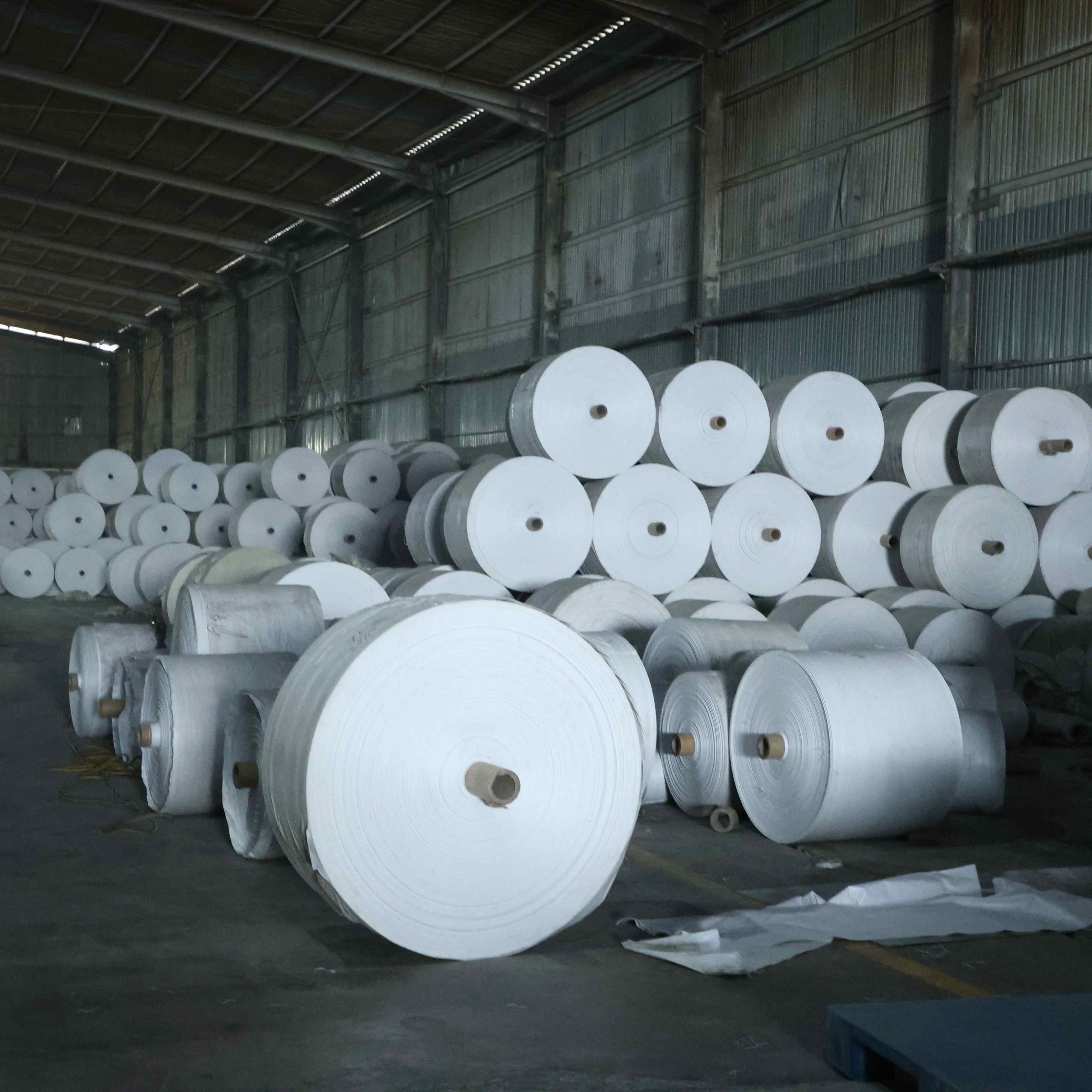
This guide explores the most common constraints affecting PP woven bag factory operations, their root causes, and proven solutions to eliminate them. Whether you operate a small custom woven bag factory or manage bulk bag manufacturing at scale, identifying and resolving production bottlenecks directly impacts your competitive position. We examine material flow disruptions, equipment limitations, labor coordination, and quality control pressures that constrain modern woven bag production lines.
The foundation of any reliable woven bag production line starts with consistent raw material supply. When a PP woven bag factory operates at high speeds, even brief interruptions in polypropylene feedstock create immediate production delays. Material arriving late, in wrong specifications, or with inconsistent quality forces operators to halt machines while inventory is inspected and sorted. This is especially critical for bulk bag manufacturing, where volume demands mean every minute of downtime translates to thousands of dollars in lost output.
Addressing raw material bottlenecks requires establishing supplier partnerships with guaranteed delivery windows and certified quality standards. A custom woven bag factory producing specialized orders must communicate material specifications clearly weeks in advance. Implementing automated material receiving systems that verify incoming PP resin batches before they enter the hopper reduces manual inspection time. Building buffer inventory of qualified materials allows the woven bag production line to continue running even if a scheduled shipment experiences minor delays.
The extrusion stage represents the first critical conversion point where raw polypropylene becomes usable for pp bag manufacturing. If extrusion speed cannot match loom demand, the entire production line starves for material. Conversely, if extrusion overproduces without adequate storage or cooling capacity, quality suffers as material warps or degrades. Many PP woven bag factory operators discover that their extrusion equipment was never sized to match their newer, faster looms—a common source of hidden bottlenecks.
Modern solutions include upgrading to multi-layer extrusion systems that run continuously while looms cycle through color changes. Investing in intermediate cooling and winding equipment allows extrusion to operate at maximum capacity without overwhelming downstream stages. For custom woven bag factory environments requiring frequent product switches, modular extrusion dies that change quickly reduce setup time bottlenecks significantly. Regular maintenance schedules that prevent extruder overheating and die blockages maintain consistent output throughout your woven bag production line.
The loom itself is often where theoretical capacity meets practical reality for bulk bag manufacturing operations. Older looms installed five or ten years ago may run at 200 picks per minute, while modern equipment handles 400 or more. This performance gap means aging equipment cannot feed finished fabric fast enough to satisfy downstream finishing, creating a cascade of idle stations. Similarly, if your woven bag production line uses mismatched loom types—some fast, some slow—you must run all looms at the speed of the slowest machine to maintain consistent product flow.
Strategic modernization of key looms typically pays back within two to three years through improved throughput alone. When upgrading equipment for a PP woven bag factory, prioritize replacing the slowest or most troublesome machines first. This targeted approach maximizes impact without requiring full production line replacement. Parallel operation of old and new equipment during transition periods allows custom woven bag factory teams to maintain order fulfillment while installation and staff training proceed. Preventive maintenance schedules that minimize unplanned breakdowns ensure your pp bag manufacturing assets operate at design capacity consistently.
High defect rates create a hidden bottleneck that management sometimes overlooks. When a woven bag production line produces 10 percent defective fabric, operators must reweave or discard the material, effectively reducing net output by 10 percent. Common defects include density variations, color inconsistencies, pattern misalignment, and weave irregularities. For a bulk bag manufacturing environment, these quality issues may not become visible until bags are filled and shipped, leading to costly returns and reputation damage.
Implementing real-time fabric inspection systems using machine vision catches defects immediately, allowing operators to adjust tension, speed, or dye application before significant waste accumulates. Many PP woven bag factory operations benefit from statistical process control programs that track quality metrics continuously. This data reveals whether defects stem from equipment wear, material inconsistency, or operator error. Regular calibration of weaving parameters and preventive maintenance of tension systems keep quality high and rejection rates low throughout your woven bag production line.
After weaving completes, the fabric typically moves to lamination, coating, or other surface treatment stages where speed must match loom output. A custom woven bag factory adding protective coatings or laminated layers faces particular challenges because these operations require drying or curing time. If your lamination line moves slower than your woven bag production line, fabric accumulates, creating inventory jams and potential quality degradation. PP bag manufacturing that includes specialized surface treatments often operates at lower net speeds than plain weave production.
Upgrading to faster-drying adhesives, modern high-throughput lamination equipment, and optimized curing technology reduces these post-weaving bottlenecks significantly. Parallel lamination lines allow bulk bag manufacturing facilities to process multiple fabric styles simultaneously without single-station constraints. Many successful PP woven bag factory operations run lamination and finishing equipment independently from looms during peak demand periods, treating them as separate production stages rather than forced dependencies. This flexibility allows each woven bag production line segment to operate at maximum efficiency.
The final stages—cutting, sewing, and packaging—must coordinate with upstream production or they become bottlenecks themselves. If your pp bag manufacturing cutting stage cannot process fabric as fast as it arrives from the loom, fabric inventory builds rapidly. This is especially problematic for custom woven bag factory operations producing multiple bag styles from the same fabric batch. Sewing stations represent another common constraint; if automated sewing speed cannot match cutting output, in-process inventory grows and quality control becomes harder.
Deploying multiple cutting and sewing units prevents single-station failures from halting entire production. Modular design in your woven bag production line allows rapid reconfiguration when customer orders require sudden shifts in bag style or size. Implementing pull-based scheduling, where downstream stations request fabric only as needed, prevents both starvation and excess accumulation. For bulk bag manufacturing at scale, this balance becomes critical; overproduction wastes storage space while underproduction creates shipment delays and customer frustration.
Material supply inconsistency ranks as the most frequent bottleneck in PP bag manufacturing. When a PP woven bag factory or custom woven bag factory cannot guarantee steady availability of quality polypropylene feedstock, production must pause for material verification and sorting. This issue cascades through the entire woven bag production line, creating downstream idle time. Securing reliable supplier partnerships and implementing material certification processes eliminate this constraint effectively.
Track overall equipment effectiveness (OEE) by monitoring availability, performance, and quality metrics for each stage of your woven bag production line. When one station consistently operates at lower utilization than others, it represents a bottleneck. A custom woven bag factory should compare theoretical capacity to actual throughput weekly; any gap greater than 5 percent signals a constraint worth investigating. Regular data review helps PP woven bag factory managers identify emerging bottlenecks before they cause missed shipments.
No. A targeted, phased modernization approach works better than wholesale replacement. Identify your slowest or most unreliable machines first, then upgrade those specific units. This strategy improves pp bag manufacturing output immediately while allowing time for staff training and budget recovery. Your woven bag production line can often operate with mixed old and new equipment during transitions. Many successful bulk bag manufacturing facilities modernize one loom or processing unit annually, achieving continuous improvement without massive capital outlay.

Discover the 4 critical production metrics—throughput, defect rate, equipment uptime & on-time delivery—to vet factories confidently.

Ensure regulatory compliance & worker safety with proven methods for chemical woven bags—material selection, labeling, storage & training.

Discover the full PP woven bag manufacturing workflow—from extrusion & weaving to printing & QC. Boost efficiency, compliance & ROI. Download the process guide now.

Struggling with weak bags or high material waste? Master extrusion and tape drawing tech for stronger, cheaper PP woven bags. Optimize your production line now.

Struggling with defects or customer returns? Discover the 5 non-negotiable quality checkpoints across your woven bag production line
Which automation tier is right for your PP woven bag factory? Compare manual to Industry 4.0 systems for cost, quality, and scalability.
Get in touch for details on polypropylene woven bags and flexible packaging solutions.
Tel
Address
No.2015, Liaoyuan Building, Lanshan District, Linyi City, Shandong Province.China

