 EN
How to Assess Production Efficiency at a PP Woven Bag Factory
Discover the 4 critical production metrics—throughput, defect rate, equipment uptime & on-time delivery—to vet factories confidently.

2026/08/27
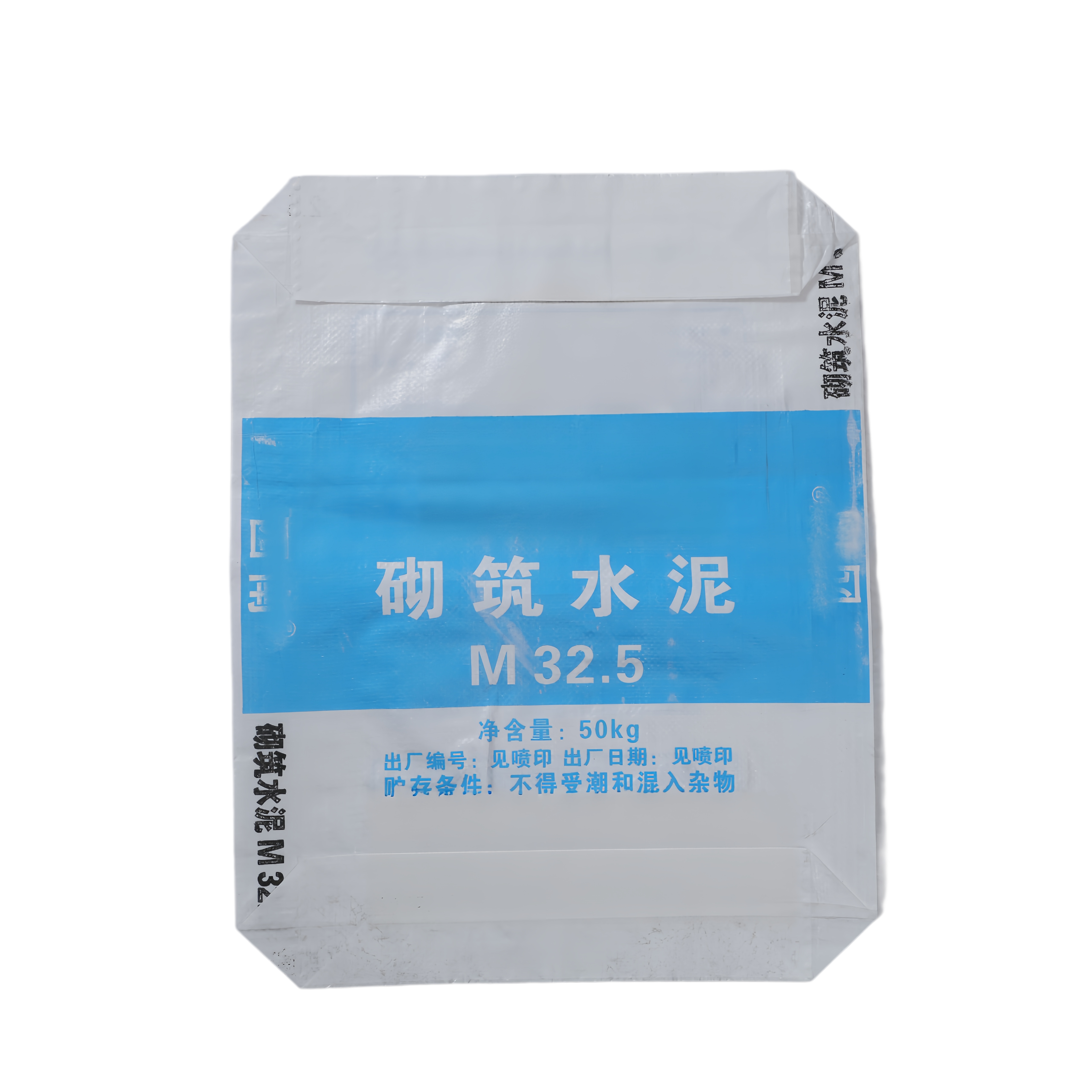
Color matching represents one of the most challenging aspects of producing custom woven bags at scale. Whether you are sourcing personalized pp bags for agricultural products, food packaging, or industrial materials, achieving consistent color reproduction across production batches directly impacts brand perception and customer satisfaction. Many businesses discover too late that color discrepancies between initial samples and final production runs create costly quality disputes, delayed shipments, and damaged supplier relationships.
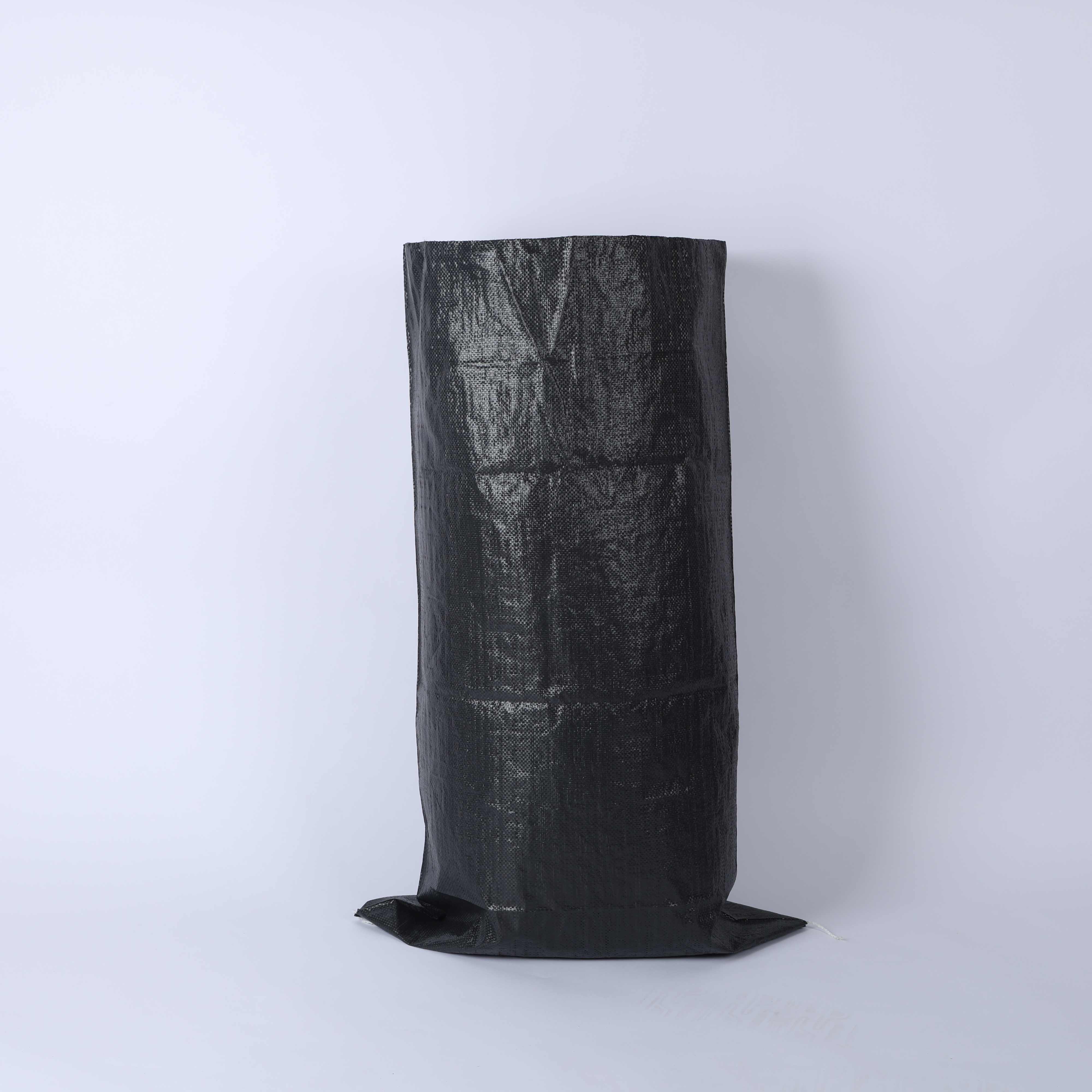
Understanding the root causes of color variance and implementing systematic controls transforms your custom packaging solution from a source of frustration into a competitive advantage. The printing process for custom woven bags involves multiple variables—dye selection, substrate absorption, environmental conditions, and equipment calibration—each capable of introducing subtle but visible color shifts. This guide walks through proven strategies to eliminate color matching problems, ensure repeatability, and establish clear communication standards with manufacturers of tailored woven sack products.
The polypropylene woven fabric used in custom printed woven bag manufacturing absorbs inks and dyes differently depending on fiber quality, weave density, and surface treatment. Variations in raw material sourcing mean that two batches of ostensibly identical polypropylene resin may exhibit different color absorption rates. When producing a custom packaging solution across multiple production runs, inconsistencies in substrate preparation—such as incomplete cleaning or variable moisture content—alter how pigments penetrate and cure on the fiber surface. A personalized pp bag manufactured from premium-grade resin will render colors more consistently than one made from recycled or lower-grade material, yet the cost differential often tempts buyers toward cheaper alternatives that introduce unpredictable color outcomes.
Different ink suppliers and formulations produce measurably different color results even when referencing the same Pantone or CMYK specification. The pigment concentration, solvent composition, and curing chemistry all influence final color appearance. When transitioning between tailored woven sack suppliers or switching ink vendors mid-production, color drift occurs naturally. Without establishing a locked color formula and reference standard—typically a physical swatch or digital color profile—manufacturers lack objective criteria for judging whether a production batch matches specification. Many color matching failures stem not from manufacturing errors but from ambiguous color definitions provided by buyers who assume 'red' means the same thing to everyone.
Modern color matching for custom woven bags begins with objective measurement using spectrophotometers that quantify color data in universally recognized formats such as LAB or CMYK values. Rather than relying on visual judgment—which varies between observers and lighting conditions—manufacturers should create digital color profiles for each custom printed woven bag design. This profile defines acceptable tolerances in hue, saturation, and brightness, typically expressed as Delta E values that represent perceptible color difference thresholds. Requiring manufacturers to maintain spectrophotometric data for every production batch creates a verifiable record and enables rapid troubleshooting when color drift occurs. A personalized pp bag specification sheet should include not just the desired color name but also its exact CMYK values, LAB coordinates, and acceptable variance limits.
Before full-scale production, a physical approval swatch of your custom packaging solution should be printed on actual substrate material, dried under controlled conditions, and formally approved by relevant stakeholders. This swatch serves as the reference standard against which all production runs are measured. Store this approved swatch in a light-protected environment to prevent fading, and reference it throughout the production cycle. When producing tailored woven sack products, many manufacturers now require buyers to sign off on a physical sample that explicitly states 'this color serves as the production standard.' This eliminates disputes later and creates contractual clarity about what 'matching' actually means for custom woven bags in your specific application.
Environmental conditions during printing and ink curing directly affect color outcome for custom printed woven bag production. Humidity levels influence how quickly inks set and how completely pigments bond to polypropylene fibers. Excessive heat can cause color compounds to break down or shift; insufficient heat leaves inks undercured and prone to fading. A custom packaging solution requires stable manufacturing conditions—ideally maintained between 18–25°C and 40–60% relative humidity—to ensure reproducible color results across batches. When sourcing personalized pp bag production internationally or across multiple facilities, requiring environmental monitoring and documentation becomes essential. Factories producing tailored woven sack items should maintain temperature and humidity logs that correlate with color measurement data, enabling root cause analysis if color variance appears.
For custom woven bags, implementing color checks at multiple production stages prevents defects from propagating. Initial ink mixing should include spectrophotometric verification before application to substrate. Mid-run samples—typically every 500 units or hourly—should be measured and compared against approved standards. Final inspection of custom printed woven bag batches should include systematic color sampling across different positions and times within the run. This tiered approach identifies whether color drift originates from ink preparation, machine settings, or environmental factors. A robust quality system for personalized pp bag production documents these checkpoints and triggers corrective action immediately rather than discovering problems during shipment receiving inspections.
Sample production often uses different equipment, manual process controls, and shorter ink curing times than full-scale manufacturing. Additionally, the sample typically represents a single unit printed and inspected under ideal conditions, whereas production runs involve higher volume, longer equipment operation, and accumulated environmental stress. Temperature drift, ink viscosity changes, and substrate batch variation compound over time. To prevent this problem, specify that production samples be manufactured on the same equipment and under identical environmental conditions as full production runs, with color verification using spectrophotometric data rather than visual assessment alone.
Switching manufacturers without addressing root causes typically perpetuates the same problems. Different factories may use different inks, equipment, and environmental controls, resulting in different (but equally inconsistent) color outcomes. The solution involves establishing clear color specifications—digital profiles, spectrophotometric tolerances, and approved physical swatches—that any manufacturer must meet. A tailored woven sack supplier with documented color control systems and spectrophotometric verification capability will deliver better repeatability than one without such infrastructure, regardless of whether it is your first or fifth supplier.
Ink selection fundamentally determines color capability and consistency. High-quality inks formulated specifically for polypropylene substrates cure more reliably and resist fading better than generic or low-cost alternatives. When sourcing a custom packaging solution, specifying ink chemistry—such as solvent-based versus water-based systems—ensures that all production facilities use the same ink type. Ink that works reliably across temperature ranges and humidity levels proves more suitable for international custom woven bags production than inks optimized for a single narrow environment. Locked-in ink supplier and formulation specifications eliminate variables that would otherwise cause color drift between production batches.

Discover the 4 critical production metrics—throughput, defect rate, equipment uptime & on-time delivery—to vet factories confidently.

Ensure regulatory compliance & worker safety with proven methods for chemical woven bags—material selection, labeling, storage & training.

Discover the full PP woven bag manufacturing workflow—from extrusion & weaving to printing & QC. Boost efficiency, compliance & ROI. Download the process guide now.

Struggling with weak bags or high material waste? Master extrusion and tape drawing tech for stronger, cheaper PP woven bags. Optimize your production line now.

Struggling with defects or customer returns? Discover the 5 non-negotiable quality checkpoints across your woven bag production line
Which automation tier is right for your PP woven bag factory? Compare manual to Industry 4.0 systems for cost, quality, and scalability.
Get in touch for details on polypropylene woven bags and flexible packaging solutions.
Tel
Address
No.2015, Liaoyuan Building, Lanshan District, Linyi City, Shandong Province.China

