 EN
How to Assess Production Efficiency at a PP Woven Bag Factory
Discover the 4 critical production metrics—throughput, defect rate, equipment uptime & on-time delivery—to vet factories confidently.

2026/08/11
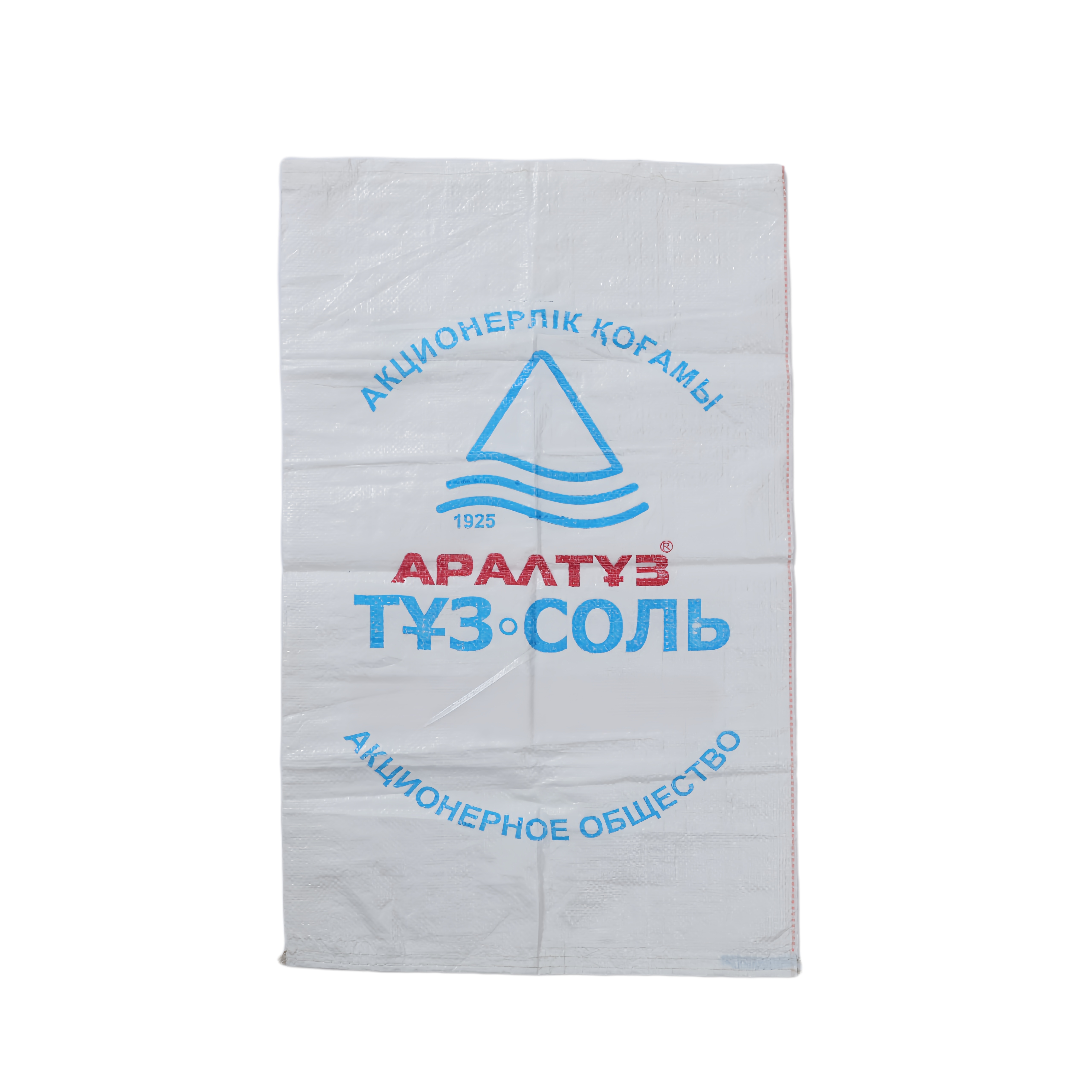
Dust leakage in cement bag packaging lines represents one of the most persistent operational challenges in the construction materials industry. When a cement bag fails to contain its contents properly, the consequences ripple across your entire production facility—from worker safety hazards to product loss, equipment contamination, and regulatory compliance violations. The problem intensifies when packaging machinery runs at high speeds, compounding dust escape through micro-tears, seal failures, and structural weaknesses in the bags themselves.
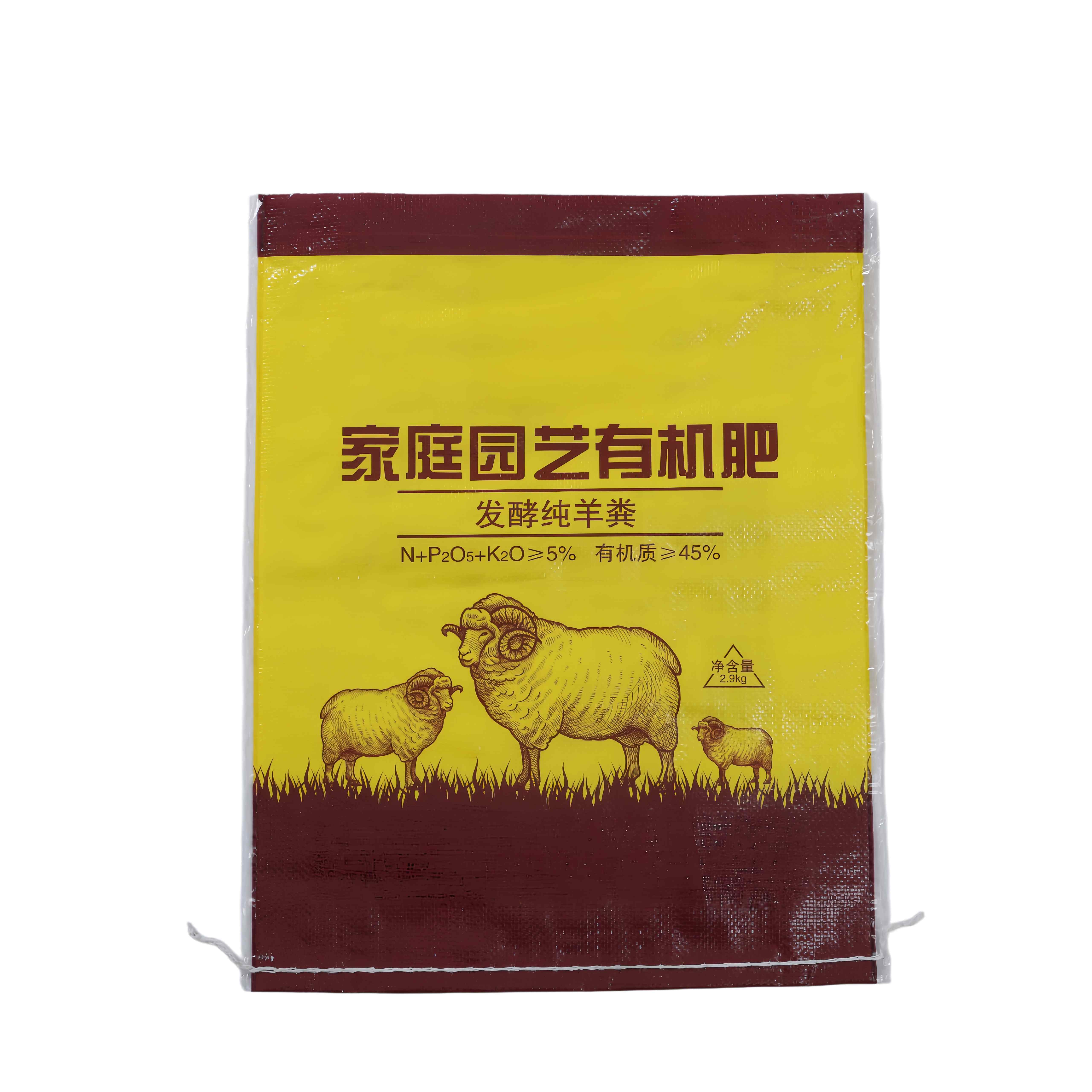
Understanding the root causes of dust leakage and implementing targeted solutions directly improves production efficiency, reduces material waste, and protects your workforce. A cement bag engineered with proper material composition and manufacturing precision can dramatically reduce leakage incidents while maintaining cost-effectiveness across your packaging operations.
Dust leakage typically originates from the material itself. A heavy duty cement bag requires precise fiber density and weave pattern to contain fine powder particles effectively. When raw materials fall below specification standards, the woven fabric creates micro-gaps that allow cement particles to escape during filling, transport, and storage. Poor-quality polypropylene or inadequate fiber denier results in reduced tensile strength, making bags vulnerable to punctures and stress tears during high-speed automation.
The cement woven bag construction directly impacts performance. Bags manufactured with inconsistent thread tension or uneven weave density develop weak zones where pressure causes localized tearing. During filling operations, internal pressure from the cement powder forces material outward, exploiting these weak points and creating pathways for dust escape.
Seal failures account for a substantial portion of dust leakage problems. A pp cement sack requires heat-sealed edges that completely fuse the polyethylene laminate layers, creating an impenetrable barrier. When sealing equipment operates at incorrect temperatures or speeds, the seal remains incomplete, leaving microscopic gaps along bag edges. These gaps act as conduits for fine cement powder to migrate outward, especially under vibration and handling stress.
Bottom gusset seals present particular challenges. Building material bag manufacturers often experience leakage concentration at gusset corners where three layers converge. If sealing pressure or temperature proves insufficient at these junction points, stress cracks develop rapidly during the packaging workflow.
Modern cement bag engineering incorporates multi-layer laminate designs that provide redundancy against dust escape. The pp cement sack constructed with an inner polyethylene layer creates a moisture barrier while the outer polypropylene provides structural strength. Heavy duty cement bag designs now include an intermediate barrier layer that functions as a secondary containment system, ensuring that even if the primary layer develops micro-tears, dust particles remain trapped within the structure.
The laminate thickness must balance protection with practical handling. Excessive thickness creates brittleness and edge cracking, while insufficient thickness allows dust migration. Industry standards now specify minimum laminate weights for cement bag packaging, ranging from 120 to 180 grams per square meter depending on cement type and transport distance.
Eliminating dust leakage requires precision sealing validation at every production stage. Heavy duty cement bag manufacturers implement inline heat-seal strength testing to ensure every bag meets minimum burst requirements before shipping. Modern sealing equipment now features programmable thermal profiles that compensate for ambient humidity and material batch variations.
Bottom and side seals require overlapped construction where the fused area extends minimum 15 millimeters beyond the edge. This overlap ensures that even under maximum internal pressure from bulk cement, the seal integrity remains intact. Building material bag producers also employ double-pass sealing where edges are sealed twice at different temperatures to eliminate incomplete fusion zones.
The bottom gusset represents the highest-stress area in a cement woven bag structure. Enhanced gusset designs now incorporate reinforced side panels that distribute stress more evenly across the bag perimeter. This eliminates stress concentration at corner junctions where seal failures previously occurred. Manufacturers implement angle-folded gussets with additional sealing passes specifically targeting the corner zones.
Preventing dust leakage requires continuous monitoring throughout the production workflow. Modern packaging lines for cement bag production integrate pressure testing chambers that automatically inflate filled bags to detect any air escape. This testing identifies even microscopic defects before bags leave the facility. Heavy duty cement bag lines now employ vacuum decay testing where sealed bags are placed in evacuation chambers—any leakage causes immediate detection and rejection.
Dust detection systems positioned around packaging equipment monitor air quality to identify leakage sources in real time. When dust particle concentration exceeds baseline levels, the system automatically flags the production batch for investigation. Building material bag manufacturers use this data to trace failures back to specific shifts, material batches, or equipment settings, enabling rapid corrective action.
Equipment-related dust leakage prevention requires structured maintenance protocols. Sealing jaw alignment must be verified weekly to ensure uniform pressure distribution across the seal width. Heating element calibration prevents hot spots that create incomplete seals. The pp cement sack quality depends on sealing equipment operating at consistent specifications—thermal drift or misalignment directly causes leakage failures.
Film integrity inspection systems scan every meter of film feed to detect pre-existing defects before bags are formed. Defective film sections are automatically rejected, preventing them from becoming filled bags that leak during handling. This preventive approach proves far more cost-effective than managing leakage incidents after products reach customers.
Reducing dust leakage begins with establishing rigorous specifications for cement bag materials. Work with suppliers to define minimum fiber denier, weave density, laminate weight, and tensile strength requirements specific to your cement type and handling environment. Request test data demonstrating heat-seal performance and burst strength validation for every production batch. Heavy duty cement bag suppliers should provide certificates confirming material compliance before delivery.
Evaluate your existing packaging equipment to identify bottlenecks contributing to dust escape. Filling speed, internal pressure control, and bag residence time in the filling chamber all influence leakage rates. Many facilities achieve dramatic improvements by reducing fill speeds by 15 to 20 percent, allowing the bag structure to stabilize before sealing. Building material bag producers often discover that slower, more controlled fills reduce both leakage and overall equipment stress, extending machine life while improving product quality.
Implement inline testing protocols matching your production volume. For high-speed lines producing thousands of cement woven bags daily, continuous pressure testing ensures comprehensive quality assurance. For lower-volume operations, statistical sampling combined with batch-level testing provides cost-effective protection.
Heavy duty cement bag performance depends on uniform fiber distribution, minimum 100-denier polypropylene threads, and multi-layer laminate construction. The pp cement sack must include an inner polyethylene barrier layer that contains fine particles even if the outer layer develops micro-tears. Laminate thickness between 120 to 180 grams per square meter provides optimal dust containment while maintaining handling flexibility. Material tensile strength must exceed 200 pounds in both machine and cross-machine directions to withstand internal pressure during filling and transport.
Faster filling speeds increase internal pressure on the bag structure and reduce stabilization time before sealing, directly increasing leakage probability. Building material bag manufacturers observe that reducing fill speed by 15 to 20 percent significantly reduces dust escape while improving seal quality. High-speed operations running over 120 bags per minute require more robust sealing equipment and premium cement woven bag materials to maintain acceptable leakage rates. Lower speeds allow the bag fabric to distribute internal pressure more evenly, reducing stress concentration at seal points.
Modern cement bag quality assurance employs pressure testing chambers that inflate filled bags to detect air escape pathways. Vacuum decay testing places sealed bags in evacuation chambers—pressure drops indicate leakage. Dust detection systems positioned around the packaging line monitor air quality, identifying leakage sources during production. Many heavy duty cement bag manufacturers also implement burst pressure testing on sample bags from each production batch, validating that seal integrity meets minimum specifications before bulk shipment.

Discover the 4 critical production metrics—throughput, defect rate, equipment uptime & on-time delivery—to vet factories confidently.

Ensure regulatory compliance & worker safety with proven methods for chemical woven bags—material selection, labeling, storage & training.

Discover the full PP woven bag manufacturing workflow—from extrusion & weaving to printing & QC. Boost efficiency, compliance & ROI. Download the process guide now.

Struggling with weak bags or high material waste? Master extrusion and tape drawing tech for stronger, cheaper PP woven bags. Optimize your production line now.

Struggling with defects or customer returns? Discover the 5 non-negotiable quality checkpoints across your woven bag production line
Which automation tier is right for your PP woven bag factory? Compare manual to Industry 4.0 systems for cost, quality, and scalability.
Get in touch for details on polypropylene woven bags and flexible packaging solutions.
Tel
Address
No.2015, Liaoyuan Building, Lanshan District, Linyi City, Shandong Province.China

