 EN
How to Assess Production Efficiency at a PP Woven Bag Factory
Discover the 4 critical production metrics—throughput, defect rate, equipment uptime & on-time delivery—to vet factories confidently.

2026/09/04
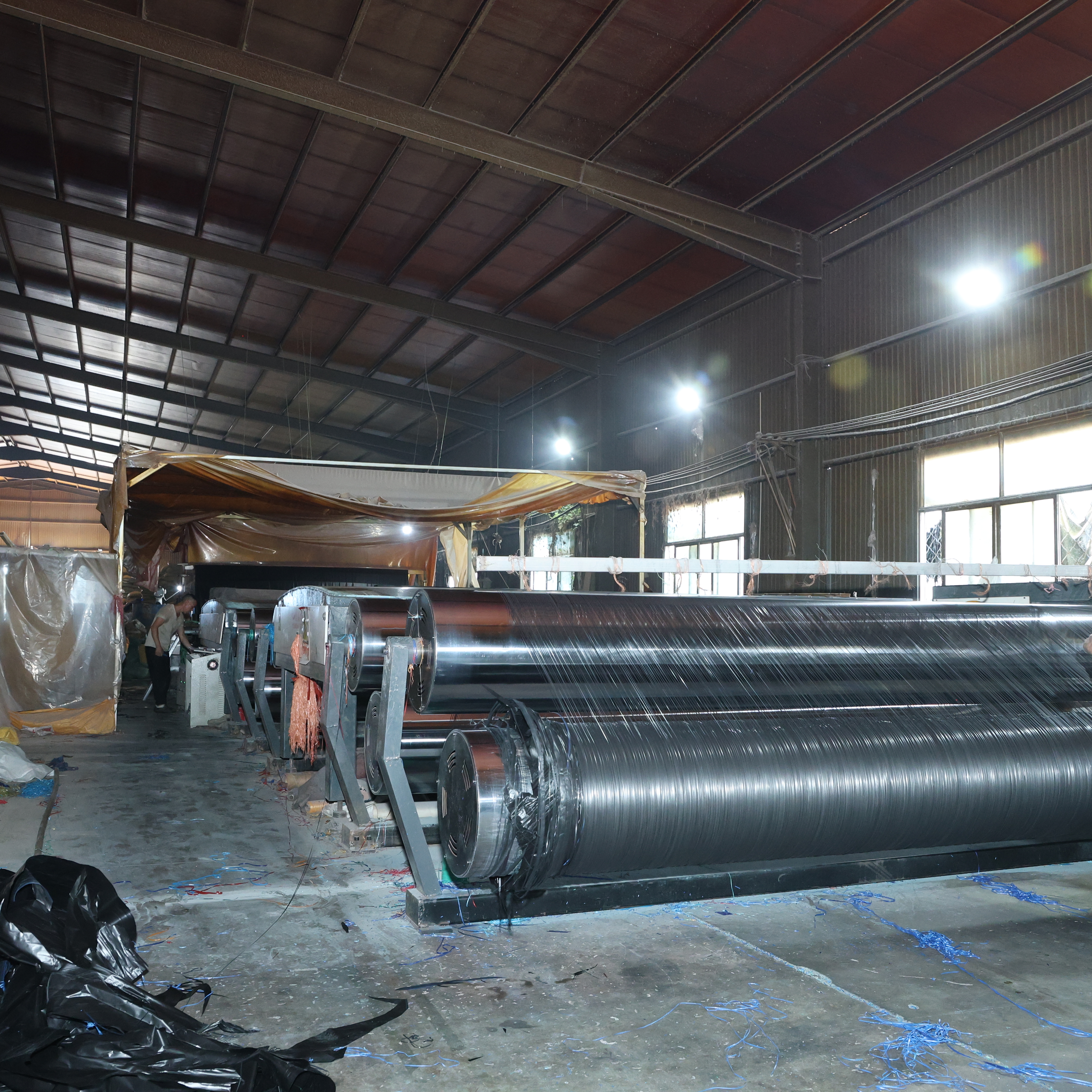
Lead time uncertainty represents one of the most significant challenges in sourcing from overseas suppliers. When working with international vendors, especially for packaging materials like plastic woven bags, unpredictability in delivery schedules can disrupt production timelines, inflate inventory costs, and undermine supply chain efficiency. Understanding how to navigate and mitigate this uncertainty is essential for procurement professionals managing global sourcing operations.
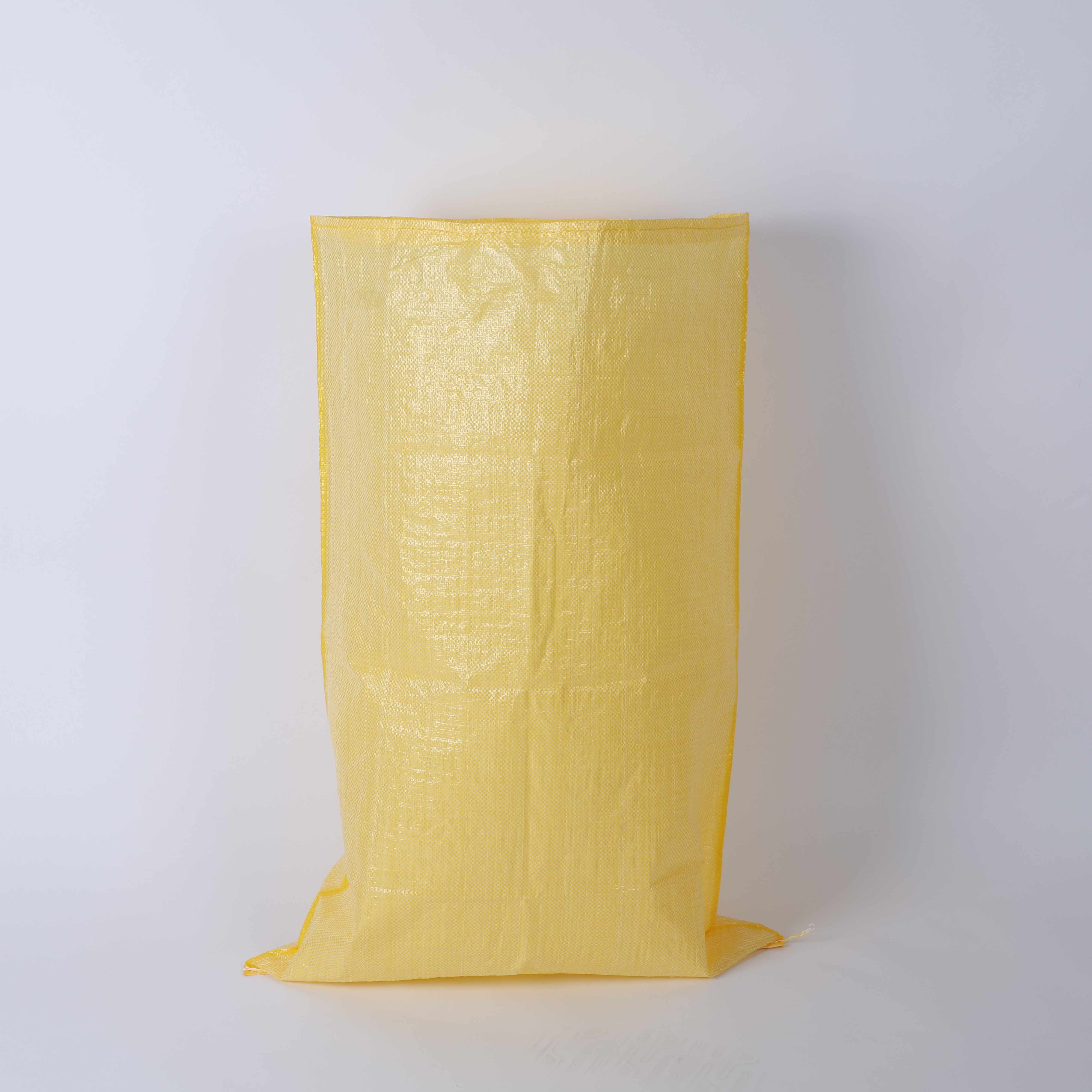
Lead time variability occurs due to factors beyond simple distance. Customs clearance delays, port congestion, weather disruptions, currency fluctuations, and communication barriers between buyer and supplier all contribute to unpredictable delivery windows. For industries relying on consistent packaging supplies, this uncertainty translates directly into operational risk and financial strain.
Overseas sourcing involves multiple moving parts that rarely align perfectly. A pp woven bag supplier in Asia must coordinate with shipping carriers, customs brokers, and logistics intermediaries. Each transition point introduces potential delays. Port congestion in major hubs can add weeks to transit times. Seasonal fluctuations in shipping routes affect delivery predictability. Understanding these systemic variables helps buyers anticipate and plan for worst-case scenarios rather than assuming linear, predictable timelines.
Suppliers operate under their own constraints. A pp bag export facility may experience production backlogs, raw material shortages, equipment failures, or labor disruptions. Quality inspection cycles and rework requirements add buffer time before goods ship. Communication across language and time zone barriers means that issues may not surface until critical junctures. Establishing clear visibility into supplier operations requires proactive engagement, not passive waiting for promised shipments.
Buyers sourcing from woven bag wholesale providers must adopt safety stock methodologies tailored to international timescales. Rather than calculating inventory based on historical domestic lead times, overseas sourcing demands extended buffer periods. A woven bag wholesale order that normally ships domestically in two weeks may require 6–8 weeks from an overseas provider when accounting for production, quality checks, ocean transit, customs, and last-mile delivery. Establishing statistical models based on historical data from your specific supplier helps quantify appropriate buffer levels without excessive overstock.
Effective communication reduces uncertainty dramatically. Buyers working with a pp woven bag factory should establish regular check-in cadences, not just order-and-wait dynamics. Request production schedules, quality inspection timelines, and shipment updates proactively. Specify expectations for notification of potential delays. Many suppliers appreciate clarity about critical deadlines and will prioritize orders when they understand the business impact. Written agreements documenting lead time expectations, acceptable variance ranges, and communication protocols create accountability on both sides.
Relying on a single pp woven bag factory for critical packaging materials concentrates risk. Sourcing from multiple suppliers or maintaining relationships with backup vendors provides flexibility when primary lead times slip. This doesn't necessarily mean doubling all volumes, but rather segmenting orders strategically so that a disruption from one source doesn't halt production. A pp bag export supplier in a different geographic region or with different production capabilities offers insurance against localized disruptions.
Advanced procurement organizations track lead time performance metrics for each supplier over time. Actual delivery windows versus promised windows reveal patterns. Some suppliers consistently deliver early or late by predictable margins. Recording this data allows you to adjust planning accordingly. If a woven bag wholesale supplier averages 2 weeks longer than quoted times, factoring that gap into your demand planning prevents perpetual stock-outs. Visibility into variance helps distinguish reliable partners from those requiring closer management.
Purchase agreements should address lead time explicitly. Define acceptable lead time ranges, penalties for excessive delays, and processes for communicating changes. Currency hedging strategies reduce financial uncertainty when sourcing from overseas. Price certainty combined with reasonable lead time expectations creates a more predictable operating environment. Some buyers negotiate flexibility clauses allowing partial shipments or expedited options at premium rates for emergency situations, providing an escape valve when standard timelines prove insufficient.
Build a historical database tracking actual delivery times against quoted times for each supplier. Analyze patterns and calculate average variance. When a pp woven bag factory consistently adds 10 days to quoted lead times, plan assuming that reality rather than the optimistic promise. Request detailed production and shipping schedules upfront, and establish regular communication touchpoints. Many suppliers will share realistic timelines once they understand your need for accuracy rather than just speed.
The answer depends on demand volatility, order size, and storage costs, but a reasonable starting point is 1.5 times your typical lead time. If a pp bag export order normally takes 8 weeks, maintaining 12 weeks of safety stock acknowledges the uncertainty while limiting excess inventory. Use statistical methods to calculate optimal buffer levels based on your specific demand patterns and cost structure. Review quarterly and adjust as supplier performance data improves your forecasting accuracy.
Request references from existing customers and ask specifically about lead time reliability. Place a trial order and track performance against promises. Evaluate their communication responsiveness, transparency about production capacity, and willingness to work within your planning requirements. A woven bag wholesale supplier demonstrating clear processes, proactive updates, and realistic commitments is more valuable than one quoting shorter times they can't reliably deliver. Prioritize consistency over optimistic promises when selecting partners for critical materials.

Discover the 4 critical production metrics—throughput, defect rate, equipment uptime & on-time delivery—to vet factories confidently.

Ensure regulatory compliance & worker safety with proven methods for chemical woven bags—material selection, labeling, storage & training.

Discover the full PP woven bag manufacturing workflow—from extrusion & weaving to printing & QC. Boost efficiency, compliance & ROI. Download the process guide now.

Struggling with weak bags or high material waste? Master extrusion and tape drawing tech for stronger, cheaper PP woven bags. Optimize your production line now.

Struggling with defects or customer returns? Discover the 5 non-negotiable quality checkpoints across your woven bag production line
Which automation tier is right for your PP woven bag factory? Compare manual to Industry 4.0 systems for cost, quality, and scalability.
Get in touch for details on polypropylene woven bags and flexible packaging solutions.
Tel
Address
No.2015, Liaoyuan Building, Lanshan District, Linyi City, Shandong Province.China

