 EN
How to Assess Production Efficiency at a PP Woven Bag Factory
Discover the 4 critical production metrics—throughput, defect rate, equipment uptime & on-time delivery—to vet factories confidently.

2026/08/24
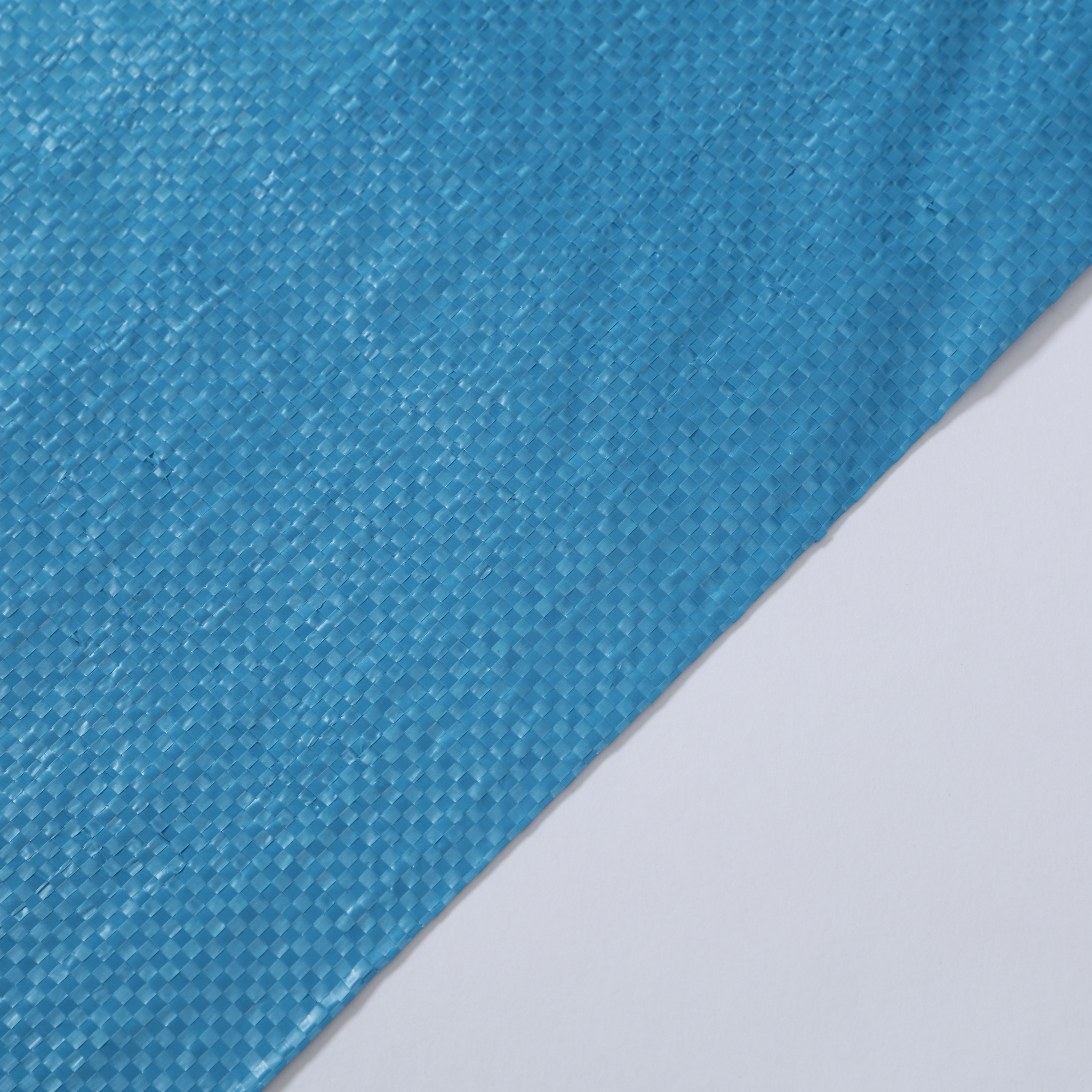
Fine powder chemicals demand exceptional containment integrity during storage and transport. Leakage in chemical packaging bags poses serious operational, safety, and financial risks that manufacturers and distributors cannot ignore. Whether handling pigments, additives, resins, or active pharmaceutical ingredients, preventing powder loss requires understanding the root causes of leakage and implementing proven containment strategies specific to your application.
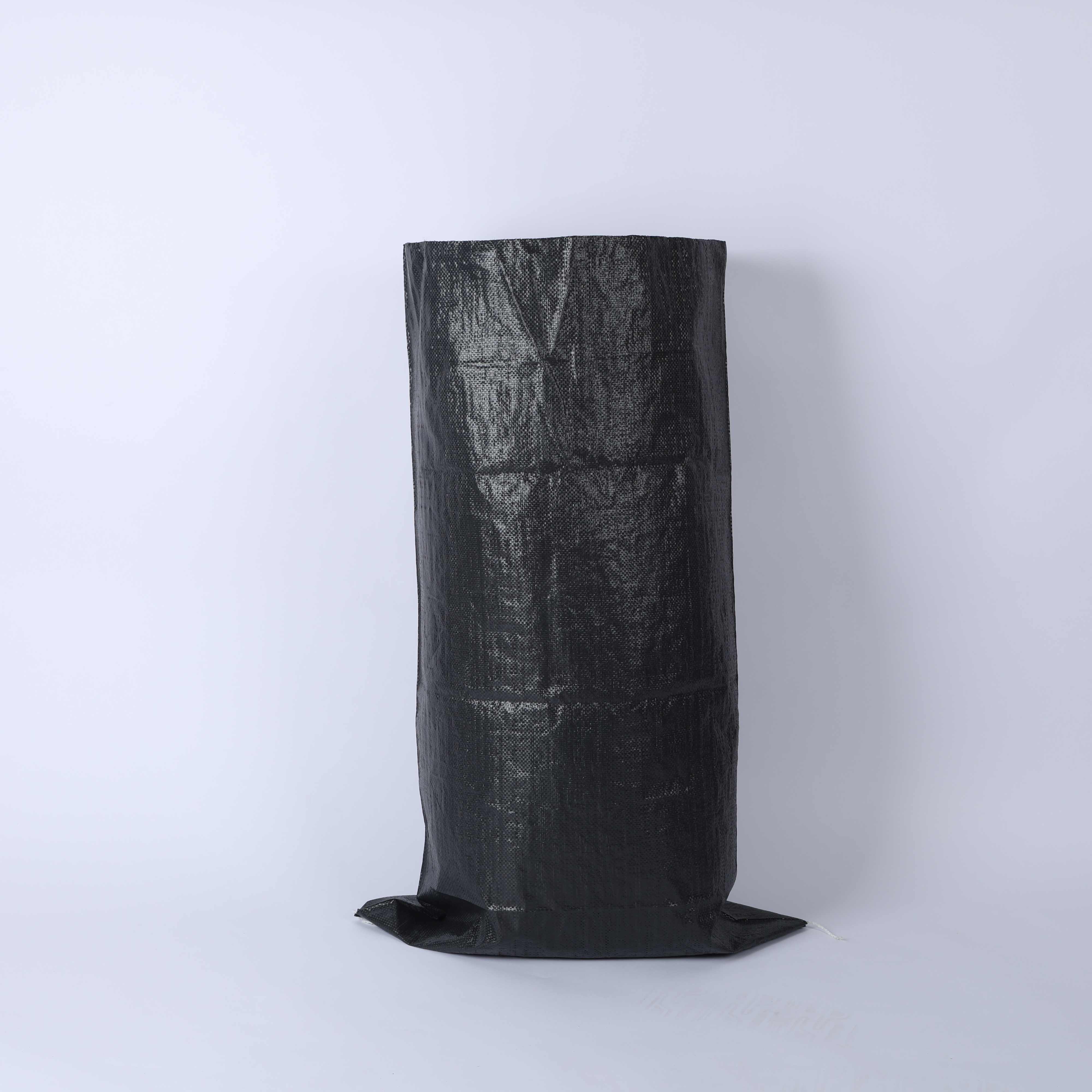
The challenge of powder containment has evolved significantly as industrial chemical packaging demands higher performance standards. Modern chemical woven bags and pp chemical sack designs must balance strength, seal integrity, breathability, and cost efficiency. Fine powders present unique physics—their microscopic particles migrate through microscopic gaps, degrading over time. Understanding leakage mechanisms and selecting the right powder packaging bag construction is essential for protecting product quality, meeting regulatory compliance, and maintaining customer trust.
The most frequent source of leakage occurs at the bag seals and joint areas where the chemical woven bag is constructed. Heat sealing, stitching, or gummed tape adhesion may fail if equipment calibration drifts or material quality varies. Fine powder particles exploit even microscopic gaps at seams, gradually escaping during handling and stacking. Industrial chemical packaging manufacturers typically employ multi-layer heat seal techniques, but inconsistent application pressure, temperature, or cooling time undermines effectiveness. Inspect seal uniformity across the entire bond line—weak spots invite progressive leakage.
pp chemical sack materials face environmental stress from temperature fluctuations, UV exposure, mechanical friction, and chemical contact. Polypropylene loses tensile strength when stored in direct sunlight or subjected to extreme heat. Sharp corners during pallet stacking, forklift handling, or warehouse movement create micro-abrasions that weaken the bag wall. Over weeks or months, these stress points rupture, allowing powder to escape. Additionally, certain industrial chemicals slowly permeate or embrittle plastic polymers, compromising structural integrity. Selecting chemically compatible materials and protective storage conditions significantly reduces this risk.
Not all powder packaging bags are created equal. High-performance industrial chemical packaging employs multi-ply construction, combining virgin polypropylene with kraft paper or HDPE layers. This lamination approach distributes stress across multiple material interfaces, reducing puncture propagation and extending bag life. Virgin resin content matters—bags made from recycled plastic often contain micro-voids that accelerate particle migration. For fine powders, consider 3-ply or 4-ply configurations, particularly if your chemical woven bag must withstand rough logistics environments or extended storage periods.
Modern industrial chemical packaging incorporates specialized barrier coatings to seal micro-porosity at the molecular level. Polyethylene or polyvinylidene chloride (PVDC) coatings applied to the interior surface create a continuous membrane that blocks powder particle migration. These treatments also improve moisture resistance, critical for hygroscopic chemicals. A well-applied barrier coating can reduce fine particle loss by 80–90%, transforming a pp chemical sack from a basic containment vessel into a precision storage solution. Verify coating thickness and coverage uniformity during production quality inspections.
Chemical packaging bags require robust sealing methods that exceed standard heat-seal techniques. Bottom and side gusset construction, combined with dual-seal technology at the top, creates redundant containment barriers. Some industrial chemical packaging operations employ ultrasonic sealing, which bonds polymer chains without high heat, reducing thermal degradation and maintaining material properties. Impulse sealing with precise dwell time control ensures consistent molecular bonding across the entire seal width. For powder packaging bags handling ultra-fine particles, consider heat-and-cold-seal combinations that lock molecular structure in place.
Every batch of chemical woven bags should undergo destructive and non-destructive testing to confirm leakage prevention. Burst testing measures bag wall strength under pressure; seal strength testing quantifies the force needed to separate sealed edges. Powder retention testing—filling bags with finely graded talc and measuring weight loss over shake cycles—directly simulates real-world powder packaging bag performance. Implement statistical process control to track seal consistency across production runs. Require test certifications from your pp chemical sack supplier, comparing baseline performance against failure thresholds specific to your powder chemistry.
Even perfect chemical packaging bags fail without proper environmental management. Store powder packaging bags in climate-controlled spaces, maintaining temperatures between 15–25°C and relative humidity below 65%. Avoid direct sunlight exposure, which accelerates UV degradation of polypropylene. Use pallet covers and stacking frames to distribute load evenly, preventing seal area compression. During logistics, secure bags against sharp objects and minimize mechanical shock. Train warehouse personnel on proper handling techniques—rough tossing or dragging directly damages the pp chemical sack surface and compromises containment. Documentation of storage conditions creates accountability and supports quality audits.
Partner with chemical woven bag manufacturers who invest in R&D and commit to performance transparency. Discuss your specific powder characteristics—particle size distribution, moisture content, chemical compatibility requirements—so suppliers optimize industrial chemical packaging design for your exact application. Request sample lots before committing to bulk orders; conduct pilot tests to verify leakage prevention under your operational conditions. Establish performance benchmarks and track actual field results, feeding data back to your supplier for iterative refinement. Long-term relationships with quality-focused pp chemical sack suppliers often yield cost reductions and superior containment performance.
Seal and joint integrity failures represent the leading cause of leakage. Fine powder particles exploit microscopic gaps at heat-sealed seams, stitched edges, or gummed tape areas. Inconsistent sealing conditions, material defects, or thermal stress allow particles to migrate gradually. Secondary causes include material degradation from environmental exposure and punctures from handling. Rigorous sealing quality control and multi-ply construction reduce leakage risk substantially.
Multi-ply construction combines multiple polymer layers or kraft-polypropylene laminates, distributing stress across the structure. If one layer develops micro-damage, remaining layers maintain containment integrity. Barrier coatings applied between layers create molecular-level sealing that blocks particle migration. Three- or four-ply industrial chemical packaging typically reduces fine particle loss by 60–80% compared to single-ply alternatives. Higher ply count increases durability and extends shelf life, particularly for hygroscopic or reactive powders.
Temperature, humidity, and UV exposure directly impact polymer properties and leakage rates. Extreme heat softens seals and accelerates chemical permeation; cold creates brittleness. High humidity encourages moisture ingress in certain powders, expanding particle volume and forcing material through containment barriers. UV light degrades polypropylene molecular structure, reducing tear resistance. Climate-controlled storage at 15–25°C with relative humidity below 65%, combined with UV protection, dramatically reduces leakage and extends chemical woven bag service life.

Discover the 4 critical production metrics—throughput, defect rate, equipment uptime & on-time delivery—to vet factories confidently.

Ensure regulatory compliance & worker safety with proven methods for chemical woven bags—material selection, labeling, storage & training.

Discover the full PP woven bag manufacturing workflow—from extrusion & weaving to printing & QC. Boost efficiency, compliance & ROI. Download the process guide now.

Struggling with weak bags or high material waste? Master extrusion and tape drawing tech for stronger, cheaper PP woven bags. Optimize your production line now.

Struggling with defects or customer returns? Discover the 5 non-negotiable quality checkpoints across your woven bag production line
Which automation tier is right for your PP woven bag factory? Compare manual to Industry 4.0 systems for cost, quality, and scalability.
Get in touch for details on polypropylene woven bags and flexible packaging solutions.
Tel
Address
No.2015, Liaoyuan Building, Lanshan District, Linyi City, Shandong Province.China

