 EN
How to Assess Production Efficiency at a PP Woven Bag Factory
Discover the 4 critical production metrics—throughput, defect rate, equipment uptime & on-time delivery—to vet factories confidently.

2026/08/20
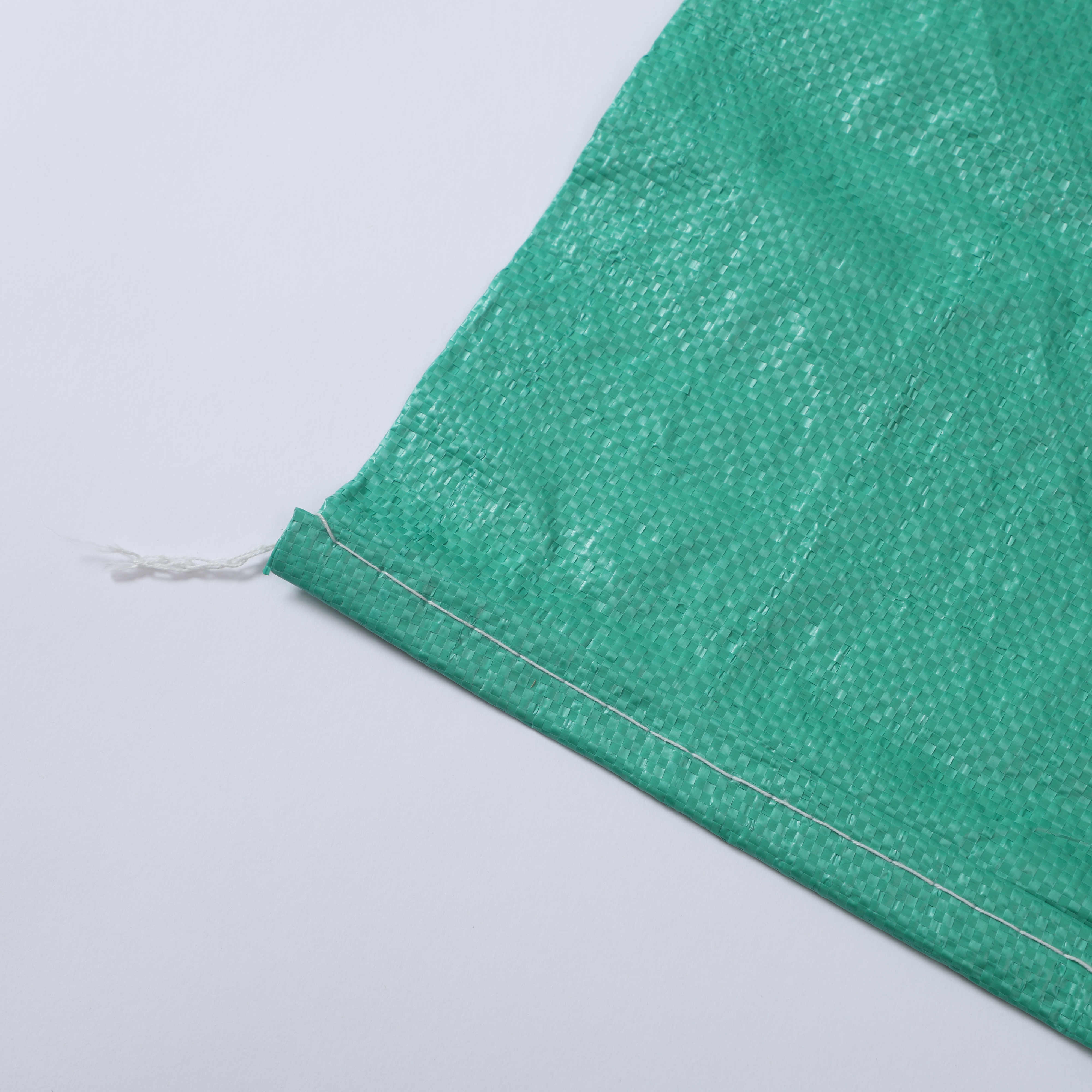
Moisture absorption remains one of the most persistent challenges in cement storage and logistics, particularly during the rainy season when humidity levels spike and environmental conditions threaten product integrity. When moisture penetrates cement packaging bags, it compromises the cement's binding properties, reduces its strength, and creates costly quality issues that ripple through construction projects. Understanding how to protect your cement sack inventory during wet weather is essential for maintaining product quality and protecting your bottom line.
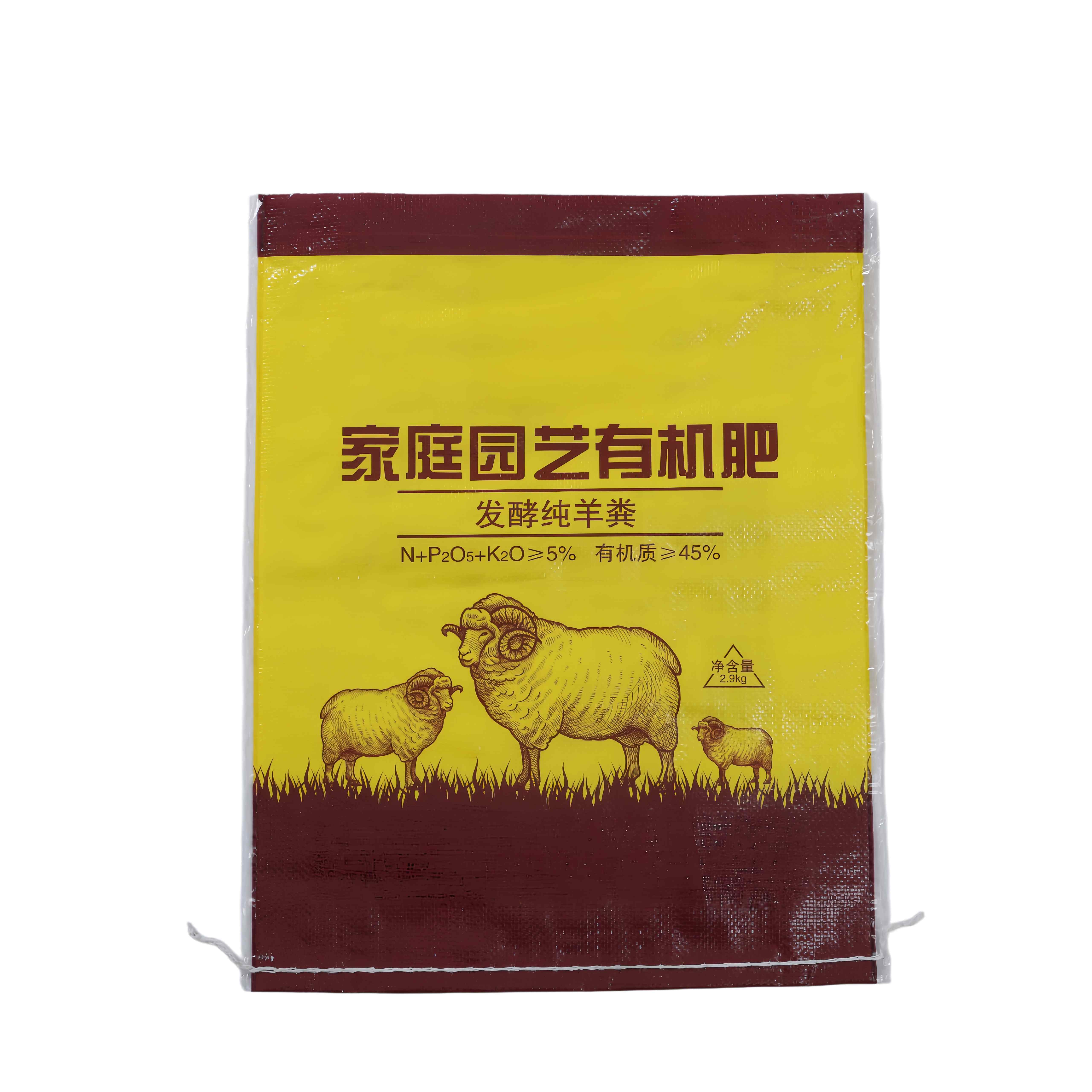
Rainy season logistics demand more than standard storage practices. Your cement sack handling procedures, warehouse environment controls, and packaging material selection all directly influence whether moisture reaches your product. The solution lies in combining advanced material science with practical storage strategies that keep your heavy duty cement bag shipments dry from factory to construction site.
Water infiltrates cement packaging through three primary pathways: direct contact with wet surfaces, water vapor absorption through weak seals, and capillary action from moisture-rich environments. When cement sack materials lack adequate water resistance, rain exposure during transportation or warehouse stacking creates conditions where moisture gradually seeps into the bag interior. The pp cement bag construction itself determines how effectively barriers resist this water penetration, making material selection critical.
Heavy duty cement bag designs must account for the cumulative effect of extended moisture exposure. Unlike light showers, rainy season weather brings sustained humidity that tests every weakness in your packaging integrity. Standard building material packaging often fails under these conditions because the materials weren't engineered specifically for sustained moisture barriers.
When water enters cement packaging bags, the cement begins hydrating prematurely, reducing its workability and setting time when mixed at the job site. Partial hydration creates lumpy texture, increased dust, and unpredictable performance that compromises structural integrity. For construction projects where cement performance directly affects safety and durability, this degradation represents unacceptable risk and waste.
The building material packaging industry has long recognized that moisture-compromised cement creates secondary problems including increased water demand during mixing, reduced early-age strength development, and potential concrete durability failures. This is why pp cement bag technology has evolved to include moisture barriers that go beyond basic plastic layers.
Modern heavy duty cement bag construction uses multi-layer polypropylene woven fabric combined with inner moisture barriers that create effective water resistance without compromising breathability. The cement packaging bags engineered specifically for rainy season conditions incorporate specialized polymer coatings that block water vapor while maintaining structural strength. These advanced pp cement bag designs balance cost-effectiveness with the durability needed for challenging weather environments.
The layering structure of quality pp cement bag products includes an outer woven polypropylene layer for mechanical strength, an intermediate moisture-barrier coating, and an inner laminate that prevents cement dust escape while blocking water ingress. This three-layer approach to building material packaging outperforms single-layer alternatives because it addresses both physical moisture penetration and vapor transmission barriers simultaneously.
Effective moisture barriers require careful specification of laminate materials and barrier coating thickness. Industry standards for heavy duty cement bag products typically specify barrier coatings measuring 20–40 microns that maintain consistent protection across the entire bag surface. The cement sack industry has converged on polyethylene-based inner liners combined with water-resistant outer treatments as the optimal balance between performance and cost.
Testing protocols for building material packaging now include moisture transmission rate specifications measured in grams per square meter per day under controlled humidity conditions. Bags meeting rainy season requirements typically achieve transmission rates below 2 g/m²/day, ensuring that even during extended wet season storage, cement remains protected from atmospheric moisture penetration.
Beyond material selection, the warehouse environment directly influences whether your cement packaging bags remain protected during rainy season storage. Effective systems include raised pallet storage that keeps bags at least 30 centimeters above floor level, preventing capillary moisture wicking from concrete surfaces. Roof integrity and proper drainage systems must direct rainwater away from storage areas, eliminating pooling that could compromise bags stored near exterior walls.
Ventilation control balances humidity reduction against cost considerations. In high-humidity regions during rainy season, many facilities employ dehumidification systems that maintain warehouse relative humidity below 70 percent. For cement sack storage, this combination of physical elevation and environmental control dramatically extends product shelf life while protecting against the moisture absorption that degrades quality.
Transportation logistics require additional protective measures for heavy duty cement bag shipments. Covering stacked bags with waterproof tarps during truck transport and warehouse movement prevents rain exposure during handling operations. For pp cement bag products, this secondary protection layer works synergistically with the inherent barrier protection in the packaging material itself.
Timing considerations matter significantly during rainy season operations. Scheduling deliveries to avoid peak rainfall periods, minimizing storage duration through just-in-time inventory practices, and ensuring rapid deployment to construction sites all reduce exposure windows. The building material packaging professionals who excel in wet season logistics treat moisture protection as a multi-point responsibility spanning material specification, warehouse management, and operational scheduling.
Cement sack performance degradation typically becomes noticeable when internal moisture content exceeds 2–3 percent by weight. At these levels, visible hydration signs including caking and strength loss become apparent. Advanced pp cement bag designs maintain effective barriers that keep internal moisture well below these thresholds even under sustained rainy season conditions, protecting both product quality and contractor satisfaction.
Quality heavy duty cement bag construction can maintain moisture protection for 6–12 months under typical warehouse conditions, though rainy season environments accelerate moisture transmission. Building material packaging designed specifically for tropical or monsoon climates demonstrates extended protection periods by incorporating enhanced barrier coatings. The specific duration depends on baseline humidity levels, storage location proximity to water sources, and the particular pp cement bag specifications selected.
Standard cement sack designs offer adequate protection under normal weather conditions but frequently fail during extended rainy season exposure. The barrier coatings in standard building material packaging often lack the thickness and chemical composition required for sustained humidity resistance. Heavy duty cement bag products specifically engineered for wet season environments provide measurably superior moisture barriers and represent the appropriate choice for regions with pronounced rainy seasons.

Discover the 4 critical production metrics—throughput, defect rate, equipment uptime & on-time delivery—to vet factories confidently.

Ensure regulatory compliance & worker safety with proven methods for chemical woven bags—material selection, labeling, storage & training.

Discover the full PP woven bag manufacturing workflow—from extrusion & weaving to printing & QC. Boost efficiency, compliance & ROI. Download the process guide now.

Struggling with weak bags or high material waste? Master extrusion and tape drawing tech for stronger, cheaper PP woven bags. Optimize your production line now.

Struggling with defects or customer returns? Discover the 5 non-negotiable quality checkpoints across your woven bag production line
Which automation tier is right for your PP woven bag factory? Compare manual to Industry 4.0 systems for cost, quality, and scalability.
Get in touch for details on polypropylene woven bags and flexible packaging solutions.
Tel
Address
No.2015, Liaoyuan Building, Lanshan District, Linyi City, Shandong Province.China

