 EN
How to Assess Production Efficiency at a PP Woven Bag Factory
Discover the 4 critical production metrics—throughput, defect rate, equipment uptime & on-time delivery—to vet factories confidently.

2026/08/10
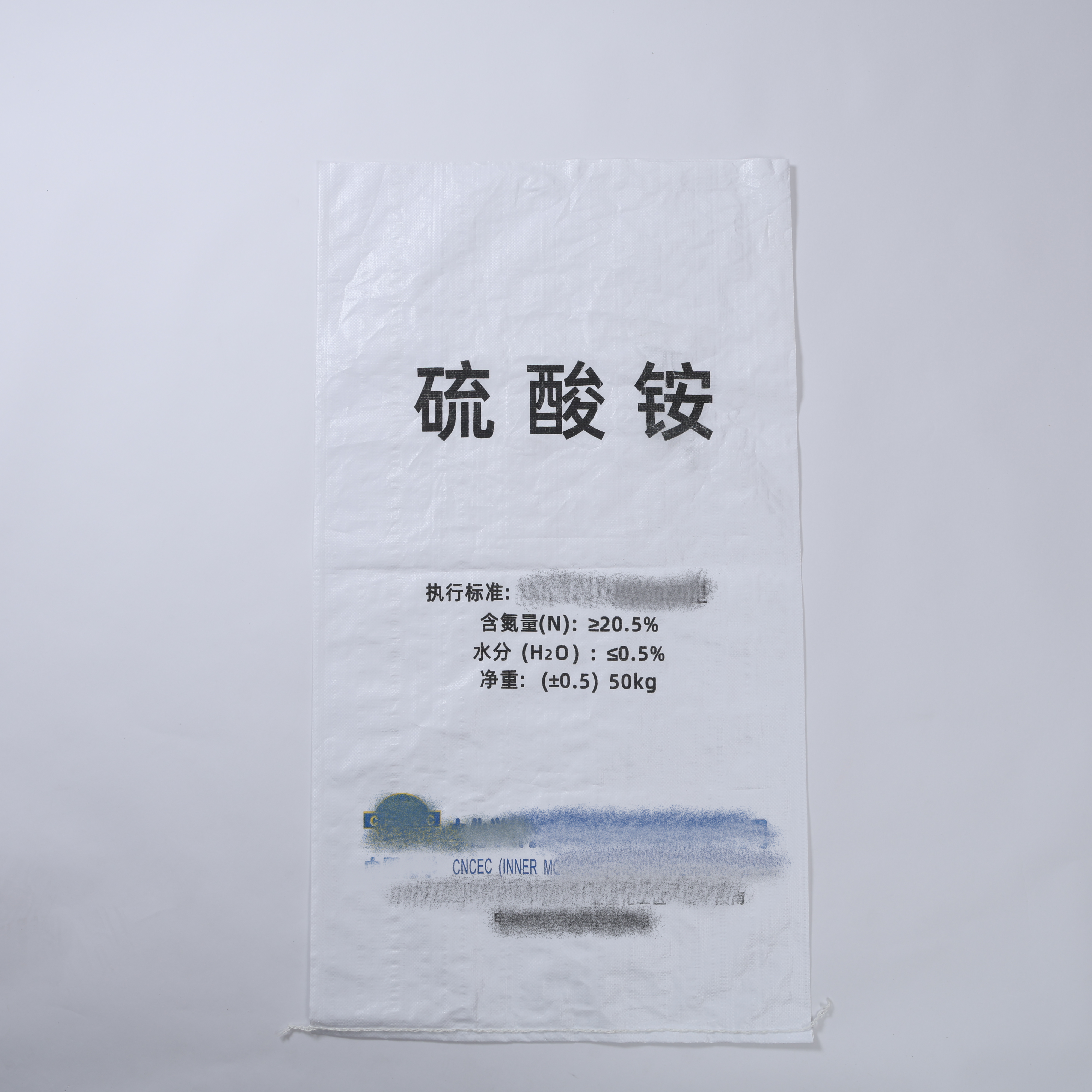
Moisture buildup inside corn bag storage represents one of the most costly post-harvest challenges facing grain producers. After harvest, residual moisture in the corn kernels continues to interact with the internal environment of the packaging, creating condensation that accelerates mold growth, reduces grain quality, and compromises long-term storage viability. Understanding the mechanics of moisture accumulation and implementing targeted prevention strategies can significantly extend shelf life and protect your harvest investment.
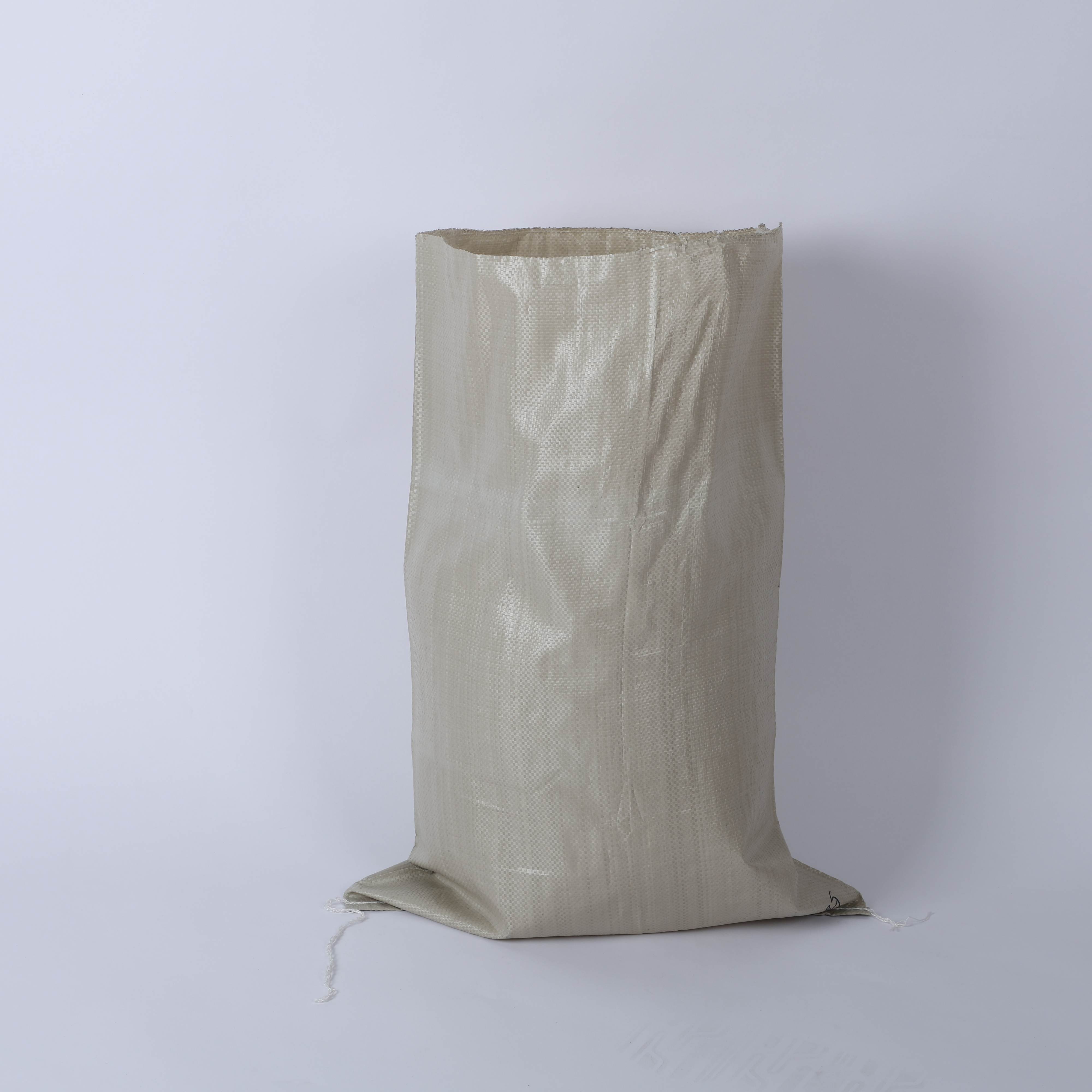
The challenge of moisture management in grain woven bag environments requires a multi-faceted approach that addresses both the product characteristics and the storage conditions. Whether you store corn in pp corn bag containers or traditional grain woven bag formats, the underlying physics of moisture transport remains constant. Selecting the right corn packaging bag material, controlling environmental conditions, and monitoring storage parameters are essential steps to preventing costly spoilage and maintaining grain quality from harvest through sale or processing.
Moisture buildup occurs through several interconnected pathways within corn storage scenarios. Fresh-harvested corn typically contains 20–25 percent moisture content, though commercial drying reduces this to 12–14 percent for safe storage. However, residual moisture within individual kernels continues to interact with the air space inside the corn packaging bag, especially when external humidity is high. Temperature fluctuations cause air inside the bag to contract and expand, drawing in ambient moisture through microscopic fabric pores and any seal imperfections in pp corn bag material.
The grain woven bag environment acts as a closed system where internal air rapidly becomes saturated with water vapor. When warm corn stored in a bag contacts cooler surrounding air—whether during seasonal temperature changes or nighttime cooling—condensation forms on kernel surfaces and accumulates at the bag bottom. Extended storage periods in humid climates dramatically accelerate this process, especially if the corn storage bag lacks proper ventilation or breathable material characteristics that would allow moisture equilibration.
The relationship between temperature and humidity inside a corn bag determines condensation risk more than any single factor. Warm air holds significantly more moisture than cool air; when temperature drops inside the bag, that air becomes supersaturated and releases water directly onto kernels. A temperature swing of just 10 degrees Celsius can reduce the air's moisture-holding capacity by roughly 50 percent, triggering immediate condensation in enclosed corn packaging bag spaces. Coastal regions, tropical climates, and areas with high diurnal temperature variation face elevated moisture risk regardless of external humidity levels.
Polypropylene woven bags, commonly used as corn packaging bag solutions, offer excellent puncture resistance and water barrier properties but can trap internal moisture if ventilation is overlooked. A high-quality pp corn bag with micro-perforations or specialized weave density allows limited air exchange, helping internal humidity levels gradually equilibrate with outdoor air while still protecting grain from rain and pests. In contrast, loosely woven grain woven bag materials provide maximum breathability but reduced protection during outdoor storage, creating trade-offs that producers must evaluate based on climate and storage duration.
Modern corn storage bag designs increasingly incorporate laminated structures that combine polypropylene outer layers with inner moisture-wicking fabric or permeable membranes. These hybrid corn packaging bag configurations redirect internal condensation toward ventilation areas rather than allowing water to pool on grain. The bag's construction quality directly impacts long-term storage outcomes; seams must be reinforced, handles properly sealed, and closure systems designed to prevent premature opening in humid environments. Selecting bags from suppliers who specify moisture vapor transmission rates ensures your pp corn bag choice aligns with your climate and storage timeline.
Some advanced corn bag suppliers integrate desiccant pouches or moisture-absorbing additives directly into grain woven bag materials, providing additional protection against condensation. These sachets actively pull moisture from the microclimate within the bag, maintaining lower relative humidity levels throughout storage. Silica gel or calcium oxide desiccants can absorb up to 30 percent of their own weight in water, creating a buffer against temperature-driven condensation cycles. When integrated into corn packaging bag design, these systems substantially reduce mold risk, particularly during the critical first weeks of storage when kernel moisture content stabilizes.
Proper stacking and spacing of corn storage bags directly influences air circulation and moisture dissipation around the storage perimeter. Bags should be elevated on pallets or platforms rather than placed directly on damp ground, allowing air to flow beneath the pile and prevent ground moisture from wicking upward into pp corn bag materials. Gaps between stacked rows permit internal air movement; crowded stacking eliminates beneficial air circulation and intensifies internal humidity gradients. In humid climates, many producers orient grain woven bag stacks with openings facing prevailing breezes, leveraging natural wind to facilitate moisture transport away from the storage pile.
Roof coverage or shade cloth protects stored corn from direct rain and reduces surface temperature fluctuations that trigger condensation cycles inside the corn packaging bag. However, enclosed structures must include ventilation openings at the highest and lowest points, allowing warm moist air to escape upward while allowing drier air to enter at the base. Mechanical ventilation fans positioned to draw air through the storage pile accelerate moisture removal in large-scale operations, particularly valuable for corn bag storage in regions where outdoor humidity remains elevated throughout the season.
Ensure harvested corn is dried to appropriate moisture levels before placing it in a corn storage bag; moisture content above 14 percent significantly increases condensation risk. Use calibrated moisture meters to verify grain conditions rather than relying on estimates, as moisture variability within harvested loads can exceed several percentage points. If corn requires additional drying after bagging, staged heating in well-ventilated spaces before final placement in pp corn bag containers reduces residual moisture and gives kernels time to achieve equilibrium.
Treat the corn storage bag interior with food-grade anti-fungal or anti-microbial agents as an additional safeguard in high-risk storage environments. These treatments inhibit mold spore germination even if condensation does occur, providing insurance against spoilage during storage transitions. Grain woven bag liners made from polyethylene sheeting offer another layer of protection; they prevent direct kernel contact with outer bag materials while creating a controlled microenvironment that simplifies moisture monitoring and management during extended storage periods.
Corn should be dried to 12–14 percent moisture content before being placed in a corn packaging bag or pp corn bag for long-term storage. At this moisture level, kernels are stable and condensation risk is minimized even in moderately humid environments. If storage extends beyond six months in humid climates, many producers target 11 percent or lower to further reduce biological activity and mold risk.
Weekly inspections during the first month after bagging help detect early moisture issues before they escalate into widespread spoilage. Check the outer bag surface for water droplets, discoloration, or mold growth, then inspect interior grain samples for visible mold or off-odors. After the initial stabilization period, monthly checks are typically adequate unless the corn grain woven bag storage environment experiences weather extremes or significant temperature swings.
Pp corn bag storage in tropical regions requires aggressive moisture management, including desiccant integration, elevated storage platforms, and active ventilation systems. Extended storage periods in consistently humid conditions make outdoor corn packaging bag storage risky without these interventions. For tropical producers, shorter storage windows, climate-controlled indoor facilities, or hermetic grain storage containers often provide better outcomes than relying solely on traditional pp corn bag systems.

Discover the 4 critical production metrics—throughput, defect rate, equipment uptime & on-time delivery—to vet factories confidently.

Ensure regulatory compliance & worker safety with proven methods for chemical woven bags—material selection, labeling, storage & training.

Discover the full PP woven bag manufacturing workflow—from extrusion & weaving to printing & QC. Boost efficiency, compliance & ROI. Download the process guide now.

Struggling with weak bags or high material waste? Master extrusion and tape drawing tech for stronger, cheaper PP woven bags. Optimize your production line now.

Struggling with defects or customer returns? Discover the 5 non-negotiable quality checkpoints across your woven bag production line
Which automation tier is right for your PP woven bag factory? Compare manual to Industry 4.0 systems for cost, quality, and scalability.
Get in touch for details on polypropylene woven bags and flexible packaging solutions.
Tel
Address
No.2015, Liaoyuan Building, Lanshan District, Linyi City, Shandong Province.China

