 EN
How to Assess Production Efficiency at a PP Woven Bag Factory
Discover the 4 critical production metrics—throughput, defect rate, equipment uptime & on-time delivery—to vet factories confidently.

2026/09/04
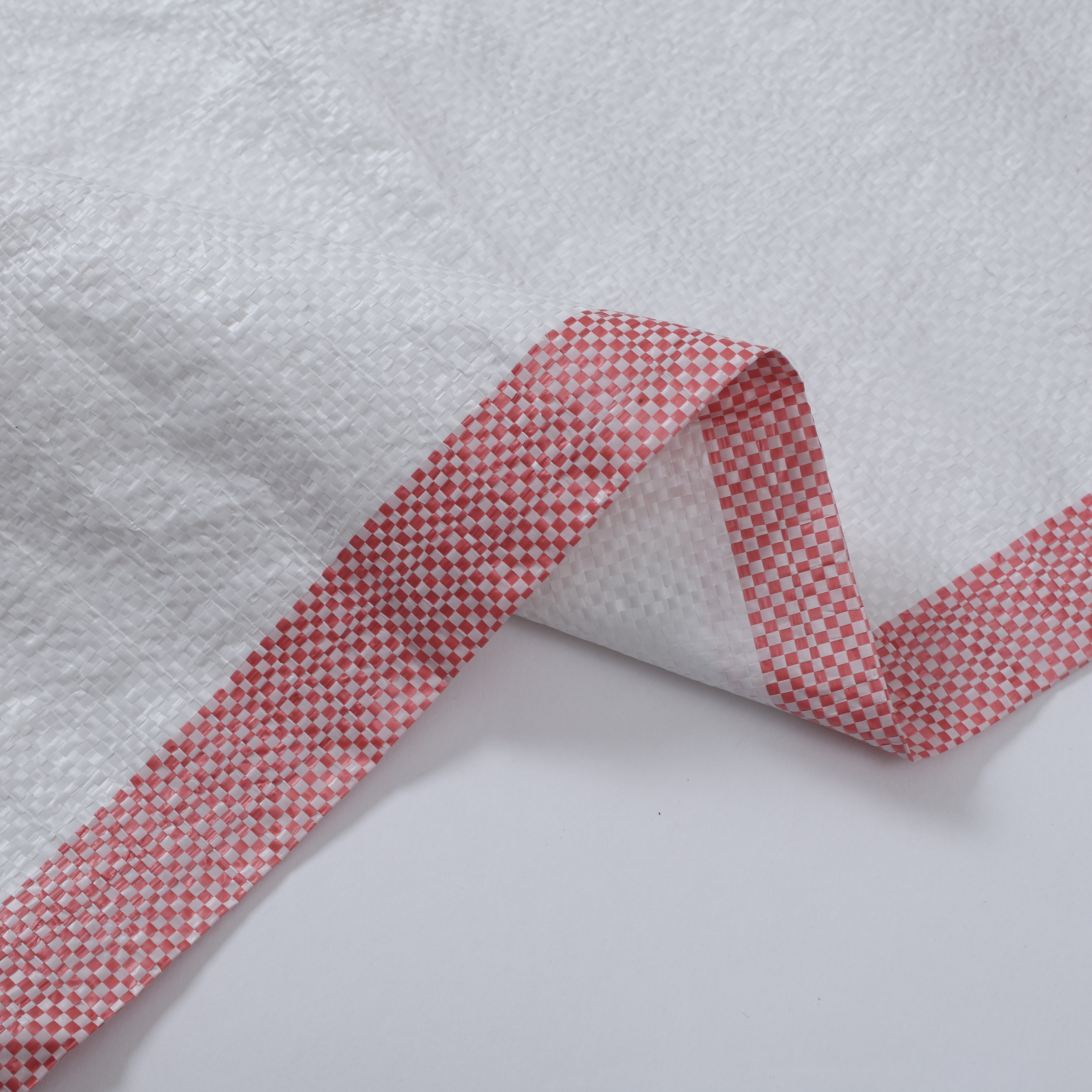
Moisture ingress represents one of the most persistent challenges in salt storage and logistics. When salt absorbs moisture, it clumps, degrades in quality, and becomes difficult to handle or use. The problem accelerates in humid climates, coastal regions, and during long-term storage. Understanding the root causes of moisture infiltration into salt bags is the first step toward implementing effective protective measures. Proper salt bags design, material selection, and storage practices can significantly reduce or eliminate this costly issue.
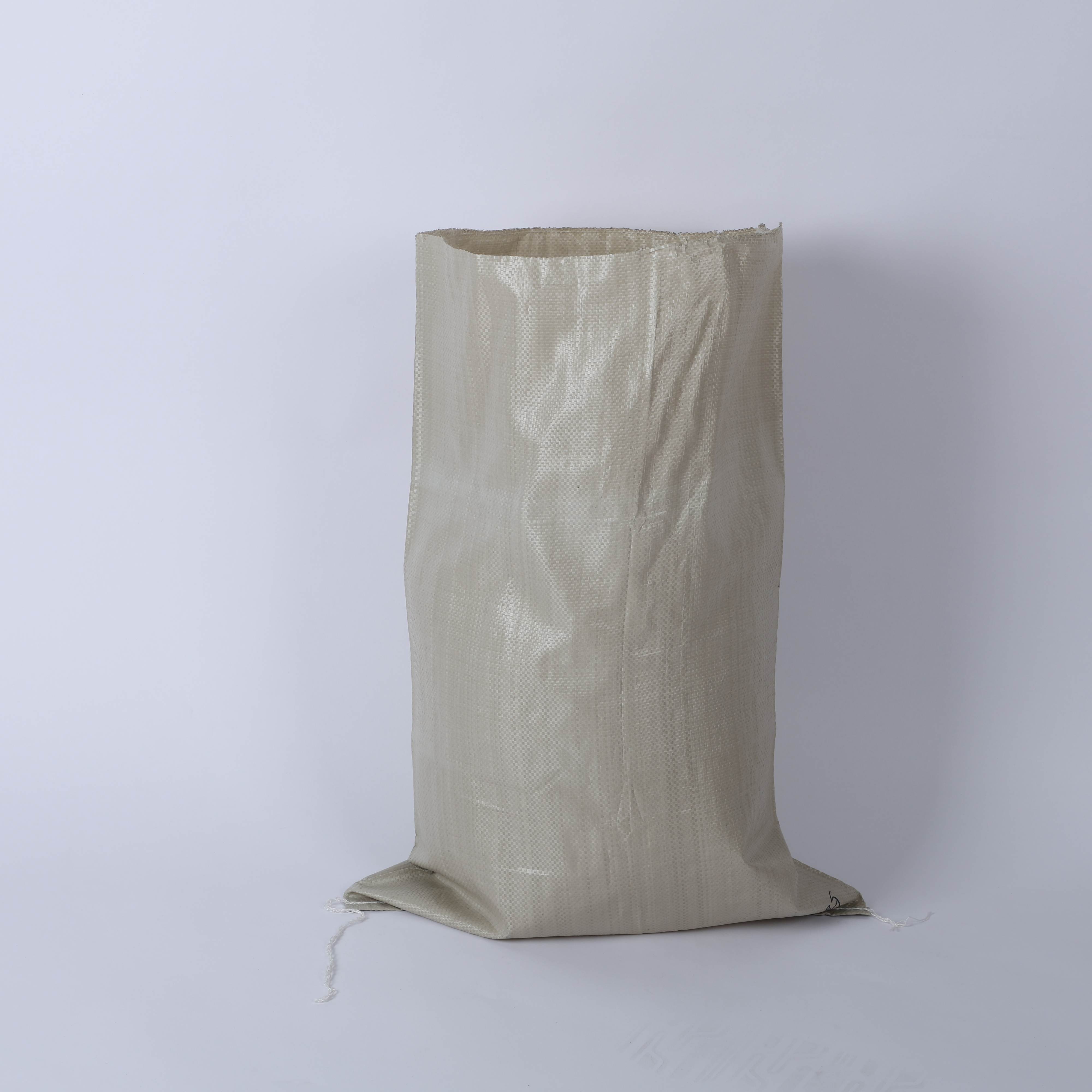
Salt is naturally hygroscopic, meaning it actively attracts moisture from the air. This chemical property makes moisture control a critical consideration throughout the supply chain. Whether you work in salt production, distribution, or food processing, selecting the right salt packaging bag and storage environment directly impacts product integrity and customer satisfaction. This guide explores how moisture enters salt bags, why certain packaging solutions fail, and which protective strategies deliver reliable results across different climate conditions.
Moisture enters salt storage bags through three primary pathways: direct water contact, airborne humidity, and vapor transmission through bag material. Standard polypropylene salt packaging bag materials vary significantly in their moisture barrier properties. Low-quality pp salt sack fabrics allow water vapor to diffuse through the polymer structure, especially in high-humidity environments. The weave density, polymer thickness, and coating quality all influence how much moisture can pass through the material over time.
Sealing efficiency at bag closures represents another critical vulnerability point. Even small gaps, improper stitching, or inadequate seal integrity allows humid air to exchange with the bag interior. Once inside, moisture encounters salt crystals that eagerly absorb it. This process begins immediately and accelerates exponentially as relative humidity increases. In tropical or coastal climates, the rate of moisture absorption can overwhelm standard protective measures within weeks.
Climate conditions dramatically influence how quickly moisture problems develop. High relative humidity, temperature fluctuations, and direct water exposure create hostile conditions for standard salt woven bags. Coastal regions with salt spray environments face particular challenges, as airborne salt particles can deposit on bag surfaces and create hygroscopic layers that draw additional moisture. Seasonal variations also matter; spring and summer humidity peaks typically coincide with peak salt demand and storage volumes.
Storage location plays an equally important role in moisture control. Bags stored outdoors without protection absorb rainfall and morning dew. Indoor facilities with poor ventilation accumulate stagnant humid air that promotes moisture diffusion into containers. Even temperature swings between day and night can cause condensation to form on bag surfaces, creating localized wet zones that promote salt absorption. Understanding these environmental triggers allows operators to select appropriate protective strategies for their specific geographic and operational context.
Premium food grade woven bags incorporate multiple layers and specialized coatings specifically designed to resist moisture penetration. Unlike basic salt packaging bags, high-performance pp salt sack options feature inner layers of polyethylene or specialized moisture-blocking films that create a genuine vapor barrier. These multi-layer constructions maintain structural integrity while preventing water vapor transmission that degrades salt quality. The coating thickness, adhesion quality, and material compatibility all influence long-term barrier effectiveness under real-world storage conditions.
Weave density and yarn denier also affect moisture resistance in salt woven bag products. Tighter weaves create smaller pores that resist water penetration more effectively. Higher denier polypropylene fibers provide greater material thickness and reduced vapor transmission rates. Food grade woven bag standards ensure that materials used are food-safe and compatible with salt chemistry. These specifications matter because incompatible materials can degrade, fail prematurely, or contaminate product. Manufacturers that prioritize barrier technology typically specify material properties that directly address moisture challenges rather than offering generic solutions.
Advanced salt packaging bag designs incorporate specific construction elements that address moisture ingress at vulnerable points. Reinforced stitching patterns at the sack bottom and side seams distribute stress more evenly, reducing micro-tears that create moisture pathways. Tape-sealed seams provide additional barriers beyond stitching alone. Some premium pp salt sack designs include heat-welded seams that create thermoplastic bonds impossible to penetrate with water vapor. These construction features transform packaging from basic containers into engineered moisture barriers.
Closure systems significantly influence final product protection. Integrated draw-cord systems with protective flaps prevent rain and dust from entering open bags. Some food grade woven bag designs feature double-closure mechanisms that ensure airtight sealing even after multiple opening and closing cycles. Valve systems designed for dry-bulk commodities allow controlled filling and dispensing while maintaining internal pressure that resists moisture infiltration. The investment in superior closure technology pays dividends across the entire storage and transportation cycle.
Adding desiccant packets inside salt bags creates an active moisture absorption system that complements passive barrier protection. Silica gel or other approved desiccants remove water vapor present in the bag headspace and any moisture that penetrates the material. This dual-layer approach combines barrier technology from the salt packaging bag structure with active moisture removal. Desiccant effectiveness depends on proper activation status, placement strategy, and compatible container design that isolates the desiccant from the salt product itself.
Facility climate control represents a foundational strategy for salt storage protection. Maintaining relative humidity below 65% inside storage facilities dramatically slows moisture infiltration into salt woven bags. Dehumidification systems, proper ventilation, and vapor barriers in building construction all contribute to favorable internal conditions. These infrastructure investments reduce the burden placed on individual pp salt sack packaging materials. In tropical climates or humid regions, combining controlled storage environments with premium packaging delivers far superior protection than either strategy alone.
Protective covering strategies during transportation and outdoor storage extend product shelf life significantly. Waterproof tarps, shrink-wrap, or purpose-designed pallet covers shield salt bags from rain, spray, and morning dew. These covers work synergistically with food grade woven bag moisture barriers to create comprehensive protection. Stacking patterns and warehouse position also influence exposure to humidity gradients; keeping pallets away from exterior walls, ground-level moisture sources, and direct ventilation inlets reduces environmental stress on salt packaging bags.
Rotation practices ensure that older inventory moves first, reducing storage duration and cumulative moisture exposure. Moisture problems typically develop slowly at first, then accelerate exponentially; limiting exposure time prevents reaching critical moisture levels. Monitoring systems that track humidity and temperature inside storage facilities enable proactive decisions about ventilation, dehumidification, and protective covering. Documentation practices also improve quality control by identifying which storage locations, time periods, or product batches experienced the highest failure rates, allowing targeted improvements.
Salt is hygroscopic by nature, actively attracting water molecules from humid air. This chemical property means that moisture ingress begins immediately once salt connects with high-humidity environments. Standard salt packaging bags offer limited resistance to this natural affinity, allowing water vapor to penetrate slowly over time. Premium materials and barrier technologies reduce transmission rates, but cannot completely prevent moisture absorption in extremely humid conditions without additional protective measures like desiccants or controlled storage environments.
High-quality salt woven bag options feature multiple layers, vapor barriers, and sealed seams specifically engineered for moisture resistance. Food grade woven bag specifications should clearly document moisture vapor transmission rates and barrier technology employed. Practical testing involves storing salt samples in your facility's actual climate for 30 days, then measuring moisture content before and after storage. If moisture levels increase significantly, upgrading to premium pp salt sack packaging or implementing desiccants and climate control represents the next logical step toward better product protection.
Desiccants provide valuable supplementary protection but work most effectively when combined with barrier technology and environmental controls. A desiccant packet inside a poorly sealed or highly permeable salt packaging bag will eventually saturate without preventing external moisture from continuously entering. Premium salt bags with integrated desiccant systems and low-humidity storage create a comprehensive three-part defense. Each component addresses moisture through different mechanisms, and combining all three delivers maximum protection against moisture ingress across diverse climate and handling scenarios.

Discover the 4 critical production metrics—throughput, defect rate, equipment uptime & on-time delivery—to vet factories confidently.

Ensure regulatory compliance & worker safety with proven methods for chemical woven bags—material selection, labeling, storage & training.

Discover the full PP woven bag manufacturing workflow—from extrusion & weaving to printing & QC. Boost efficiency, compliance & ROI. Download the process guide now.

Struggling with weak bags or high material waste? Master extrusion and tape drawing tech for stronger, cheaper PP woven bags. Optimize your production line now.

Struggling with defects or customer returns? Discover the 5 non-negotiable quality checkpoints across your woven bag production line
Which automation tier is right for your PP woven bag factory? Compare manual to Industry 4.0 systems for cost, quality, and scalability.
Get in touch for details on polypropylene woven bags and flexible packaging solutions.
Tel
Address
No.2015, Liaoyuan Building, Lanshan District, Linyi City, Shandong Province.China

