 EN
How to Assess Production Efficiency at a PP Woven Bag Factory
Discover the 4 critical production metrics—throughput, defect rate, equipment uptime & on-time delivery—to vet factories confidently.

2026/08/07
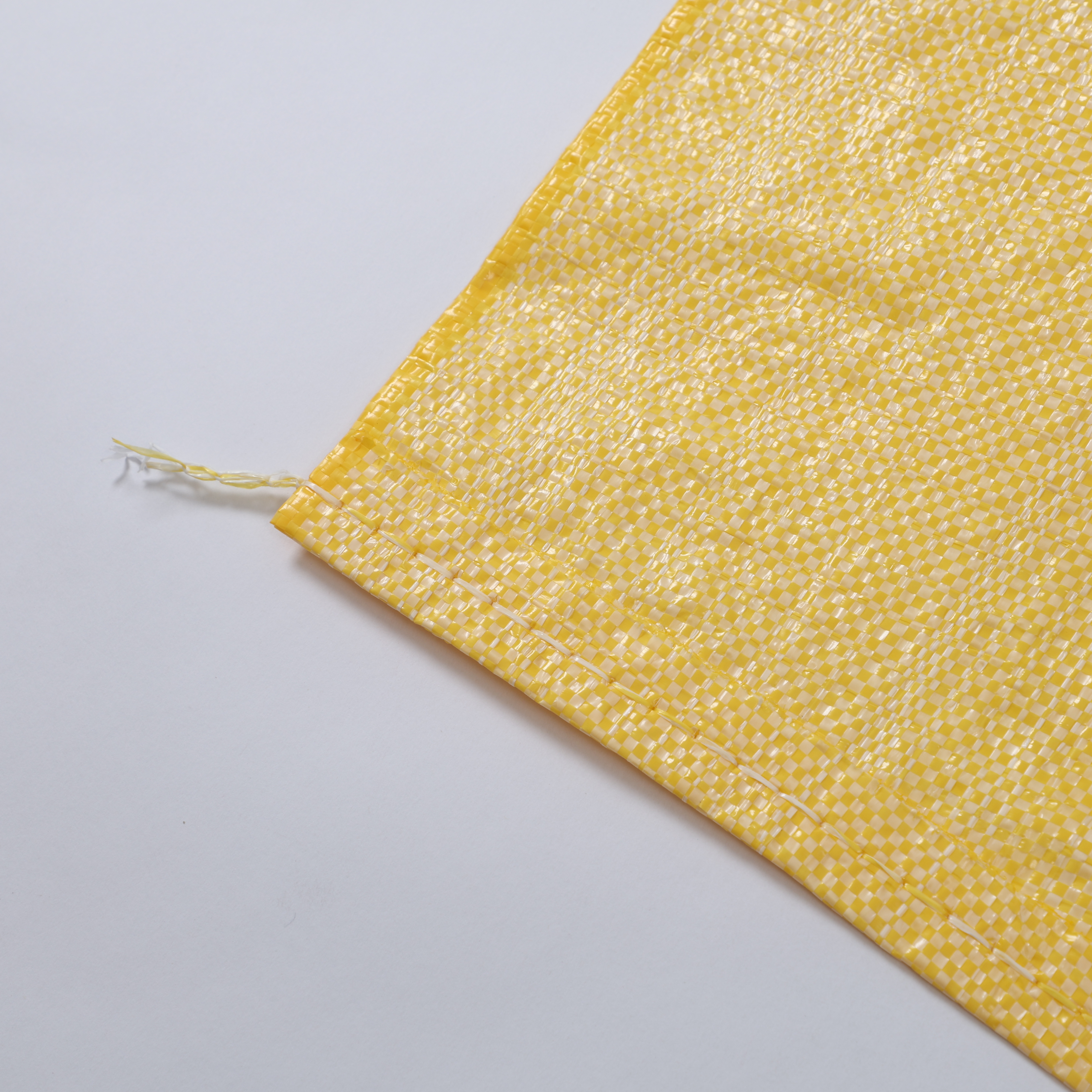
Moisture infiltration remains one of the most persistent challenges in bulk goods storage, particularly when using a pp woven bag as the primary containment method. Industrial facilities handling agricultural commodities, chemicals, minerals, and food ingredients face significant economic losses when inadequate storage conditions allow water vapor and condensation to penetrate polypropylene woven packaging. Understanding how moisture affects these bags and implementing targeted prevention strategies can substantially reduce product spoilage, maintain material integrity, and preserve operational profitability across seasons and climate zones.
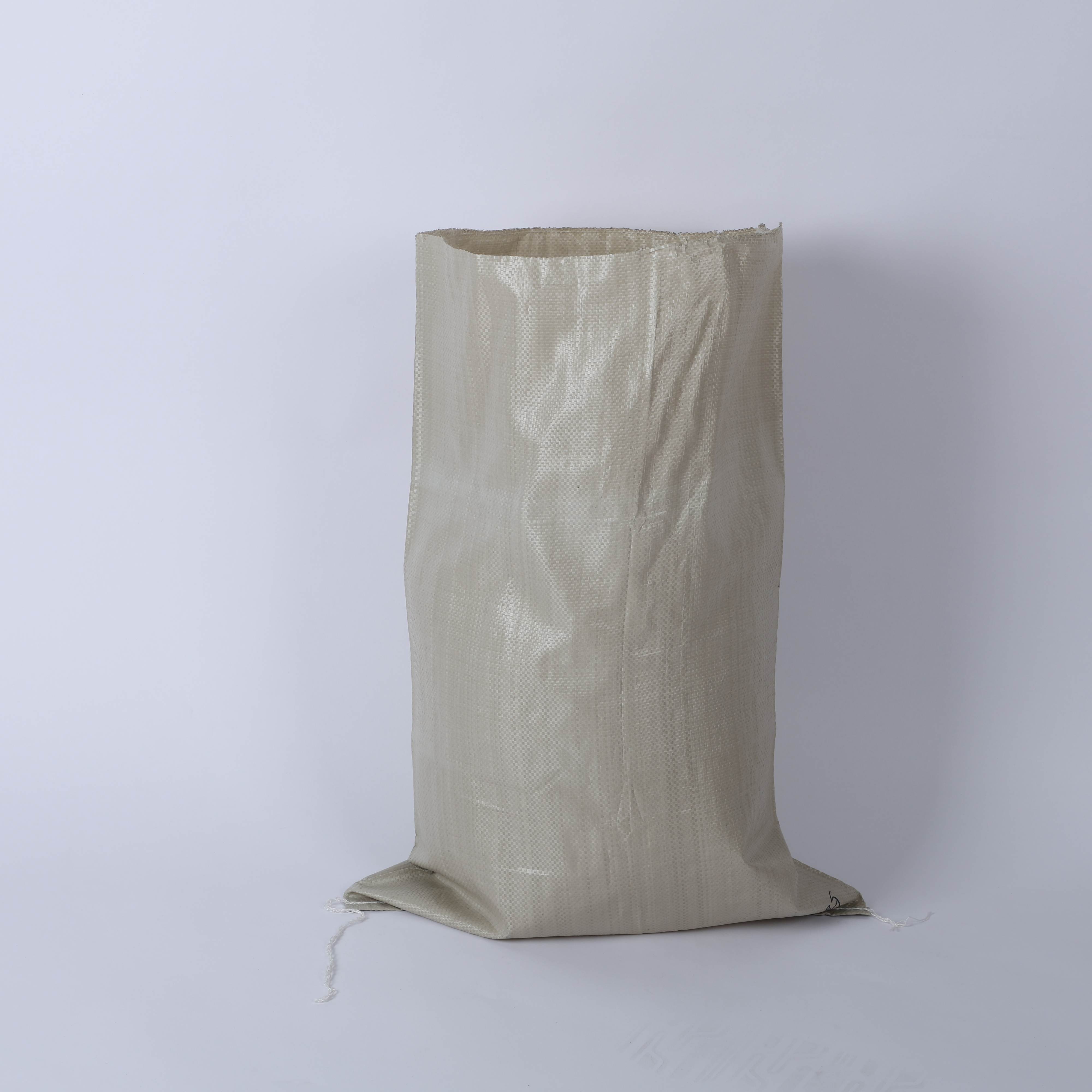
Storage environments demand rigorous environmental management because polypropylene woven bags, while robust and durable, remain semi-permeable to moisture vapor under certain conditions. When relative humidity exceeds critical thresholds, water molecules gradually migrate through the bag material and accumulate on the product surface and within the bulk mass. This moisture exposure triggers multiple failure modes: caking in powdered goods, microbial growth in organic materials, corrosion in mineral products, and degradation in moisture-sensitive chemicals. A systematic approach to controlling temperature, humidity, ventilation, and storage configuration within facilities ensures that pp woven sacks maintain product quality throughout the storage cycle.
Moisture enters woven polypropylene packaging through multiple mechanisms that operate simultaneously in typical warehouse environments. Direct contact with wet surfaces, rain ingress through roof leaks, and water pooling on concrete floors represent the most obvious moisture sources, but vapor diffusion presents a subtler and more persistent challenge. When external air holds higher absolute humidity than the internal bag environment, water molecules naturally migrate inward through the woven polypropylene fabric structure, driven by vapor pressure gradients. Additionally, temperature cycling creates condensation cycles: warm daytime air cools at night, and moisture that was previously held as vapor condenses into liquid water droplets on cooler surfaces, including the interior of pp bulk bag materials and the stored product itself.
Different bulk commodities exhibit varying susceptibility to moisture damage depending on their chemical composition and particle structure. Hygroscopic materials such as grains, flour, sugar, and certain mineral salts actively absorb atmospheric moisture, causing them to swell, cake, or become prone to mold colonization. Non-hygroscopic products like certain metals or inert minerals may resist direct moisture uptake, but water pooling inside the bag can still cause corrosion, rust, or structural degradation. Understanding your specific product's moisture sensitivity informs which preventive measures deliver maximum ROI in your storage operation. The effectiveness of woven polypropylene packaging protection depends on matching environmental controls to both product characteristics and realistic warehouse humidity conditions throughout the year.
Maintaining warehouse relative humidity below 65 percent represents the foundational defense against moisture accumulation in pp woven sack storage areas. Industrial dehumidification systems, properly sized and positioned, extract excess moisture from air before it can penetrate polypropylene woven bags. Ventilation fans that promote continuous air circulation prevent stagnant moisture pockets from forming around stacked pallets. During seasonal transitions, when outdoor humidity spikes, temporary dehumidification may become cost-effective compared to product losses. Temperature stability also reduces condensation risk: maintaining consistent warehouse temperatures prevents the warm-to-cool cycling that drives water vapor out of air and onto cooler bag surfaces. Many facilities operate temperature setpoints between 15 and 25 degrees Celsius to balance moisture control with operational comfort and equipment efficiency.
Storing pp woven bags on raised pallets or shelving rather than directly on concrete floors eliminates standing water contact and improves under-stack ventilation. Concrete floors absorb and release moisture slowly, creating a persistent humidity source that elevates moisture levels in directly stacked materials. Plastic pallets, wooden pallets with protective coverings, or metal racks create air gaps that allow moisture-laden air to circulate beneath bags, preventing condensation accumulation. Moisture barrier films or tarps placed beneath pallet stacks provide additional protection during seasonal humidity spikes or in facilities with known drainage issues. Many industrial operations also apply epoxy or moisture-resistant coatings to concrete floors in storage zones to reduce vapor emissions from the floor itself, complementing atmospheric controls with passive barriers.
Placing food-grade silica gel desiccant packets or molecular sieve canisters inside bulk bags creates localized dry microenvironments that absorb moisture vapor before it can contact stored products. This approach proves especially valuable for high-value, moisture-sensitive chemicals or pharmaceuticals where even small moisture ingress triggers rejection or degradation. Desiccant effectiveness depends on proper sealing of the pp bulk bag after desiccant insertion; ventilation openings or loose closures allow atmospheric air to enter and dilute the desiccant effect. For extremely sensitive applications, vacuum sealing or nitrogen flushing of selected bags followed by heat sealing eliminates atmospheric contact entirely. Desiccant deployment requires cost-benefit analysis since material and labor expenses scale with inventory volume, but losses prevented often justify the investment for premium products or critical ingredients.
Wrapping stacks of pp woven sacks in moisture-resistant plastic films or specialized breathable membranes creates an additional barrier against ambient humidity while allowing internal moisture to escape gradually, preventing condensation trapping. Multi-wall construction, where an outer protective layer surrounds conventional polypropylene woven bags, offers enhanced durability and moisture resistance without requiring changes to bagging operations. Laminated films bonded to the inner surface of woven polypropylene packaging reduce vapor transmission rates substantially while maintaining the structural benefits and handling characteristics of the original bag design. Weather-resistant tarps or industrial shrink wrap applied over palletized loads provide seasonal protection during high-humidity periods or in outdoor staging areas where bags await transport or processing. These protective strategies work synergistically with environmental controls, creating redundant defenses that maintain product integrity across diverse climate and operational conditions.
Yes, indoor storage does not eliminate moisture risk. Warehouse humidity levels often mirror or exceed external conditions depending on roof integrity, ventilation design, and seasonal weather patterns. Even climate-controlled facilities experience moisture accumulation if humidity management systems are undersized, improperly maintained, or absent. Condensation forms inside bags during cool nights regardless of roof protection, and leaking pipes, floor dampness, or nearby water sources introduce additional moisture. Proper environmental monitoring and corrective controls remain essential for indoor facilities handling moisture-sensitive bulk goods in polypropylene woven packaging.
Relative humidity above 65 percent accelerates moisture vapor migration into bags and causes condensation formation. Hygroscopic materials begin absorbing atmospheric moisture rapidly, while non-hygroscopic products develop corrosion or degradation from free water accumulation. Most bulk goods maintain quality at relative humidity below 60 percent, creating a practical safety threshold for pp woven sack storage environments. Specific products have narrower humidity requirements, making environmental monitoring and humidity control critical operational components for preserving product integrity and compliance with industry specifications.
Installing continuous humidity monitoring and improving warehouse ventilation often delivers the highest initial ROI. Identifying moisture hotspots through hygrometer data reveals specific problem areas requiring targeted intervention before committing to expensive dehumidification systems. Repositioning stacks away from walls, improving floor sealing, or installing existing ductwork fans costs considerably less than full-scale environmental systems. Once baseline moisture conditions are understood, subsequent investments in polypropylene woven packaging upgrades, desiccants, or dehumidification target the highest-risk operations and products, maximizing cost-effectiveness and operational resilience.

Discover the 4 critical production metrics—throughput, defect rate, equipment uptime & on-time delivery—to vet factories confidently.

Ensure regulatory compliance & worker safety with proven methods for chemical woven bags—material selection, labeling, storage & training.

Discover the full PP woven bag manufacturing workflow—from extrusion & weaving to printing & QC. Boost efficiency, compliance & ROI. Download the process guide now.

Struggling with weak bags or high material waste? Master extrusion and tape drawing tech for stronger, cheaper PP woven bags. Optimize your production line now.

Struggling with defects or customer returns? Discover the 5 non-negotiable quality checkpoints across your woven bag production line
Which automation tier is right for your PP woven bag factory? Compare manual to Industry 4.0 systems for cost, quality, and scalability.
Get in touch for details on polypropylene woven bags and flexible packaging solutions.
Tel
Address
No.2015, Liaoyuan Building, Lanshan District, Linyi City, Shandong Province.China

