 EN
How to Assess Production Efficiency at a PP Woven Bag Factory
Discover the 4 critical production metrics—throughput, defect rate, equipment uptime & on-time delivery—to vet factories confidently.

2026/08/19
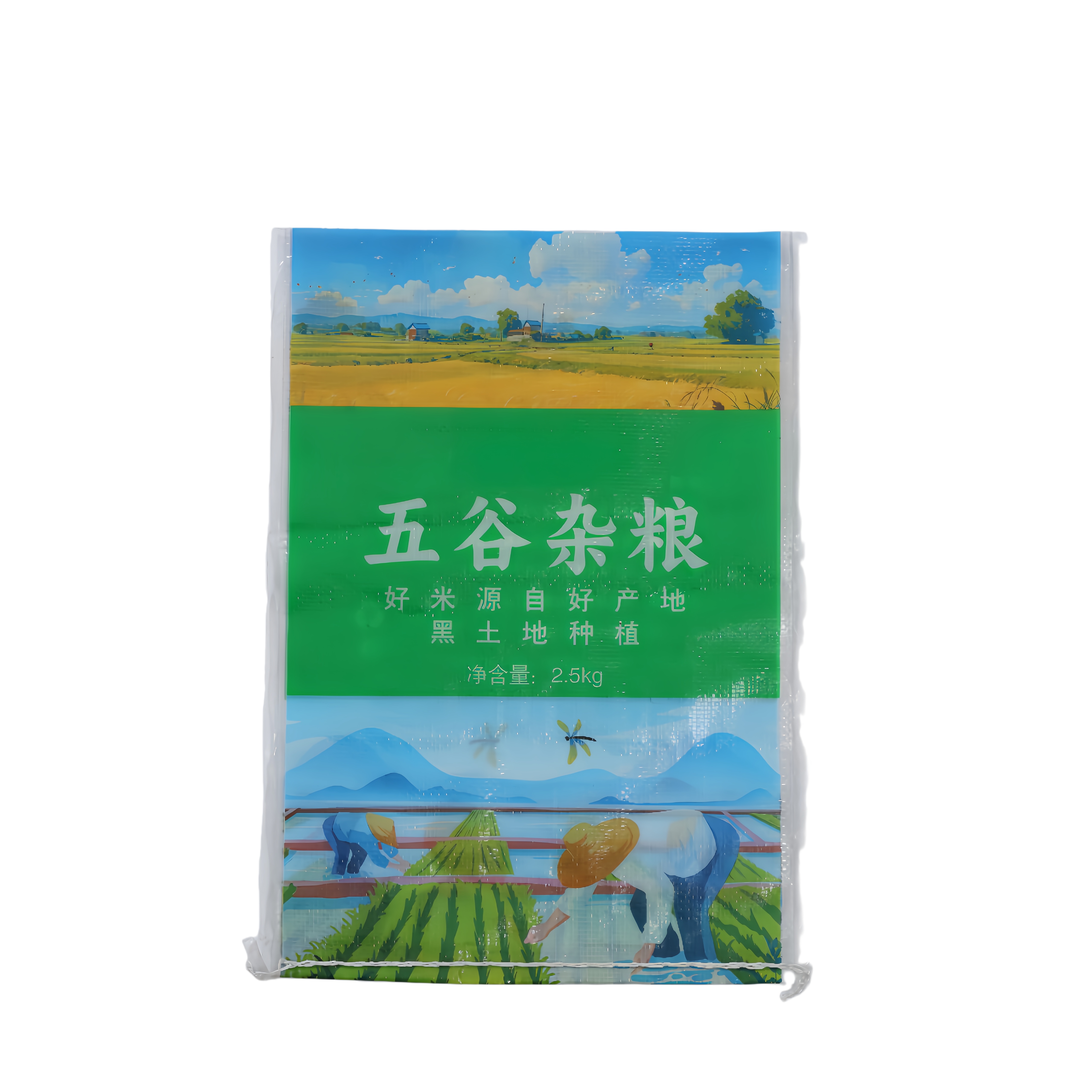
Print smudging on BOPP laminated bags represents one of the most common quality challenges faced by packaging manufacturers and converters worldwide. When ink fails to cure properly or adhesion breaks down during handling, storage, or transportation, the visual appeal and brand integrity of the finished product suffer dramatically. BOPP laminated bags are engineered for durability and barrier protection, yet their smooth polypropylene surface requires precise ink management to ensure clean, smudge-free graphics that meet modern retail and logistics demands.
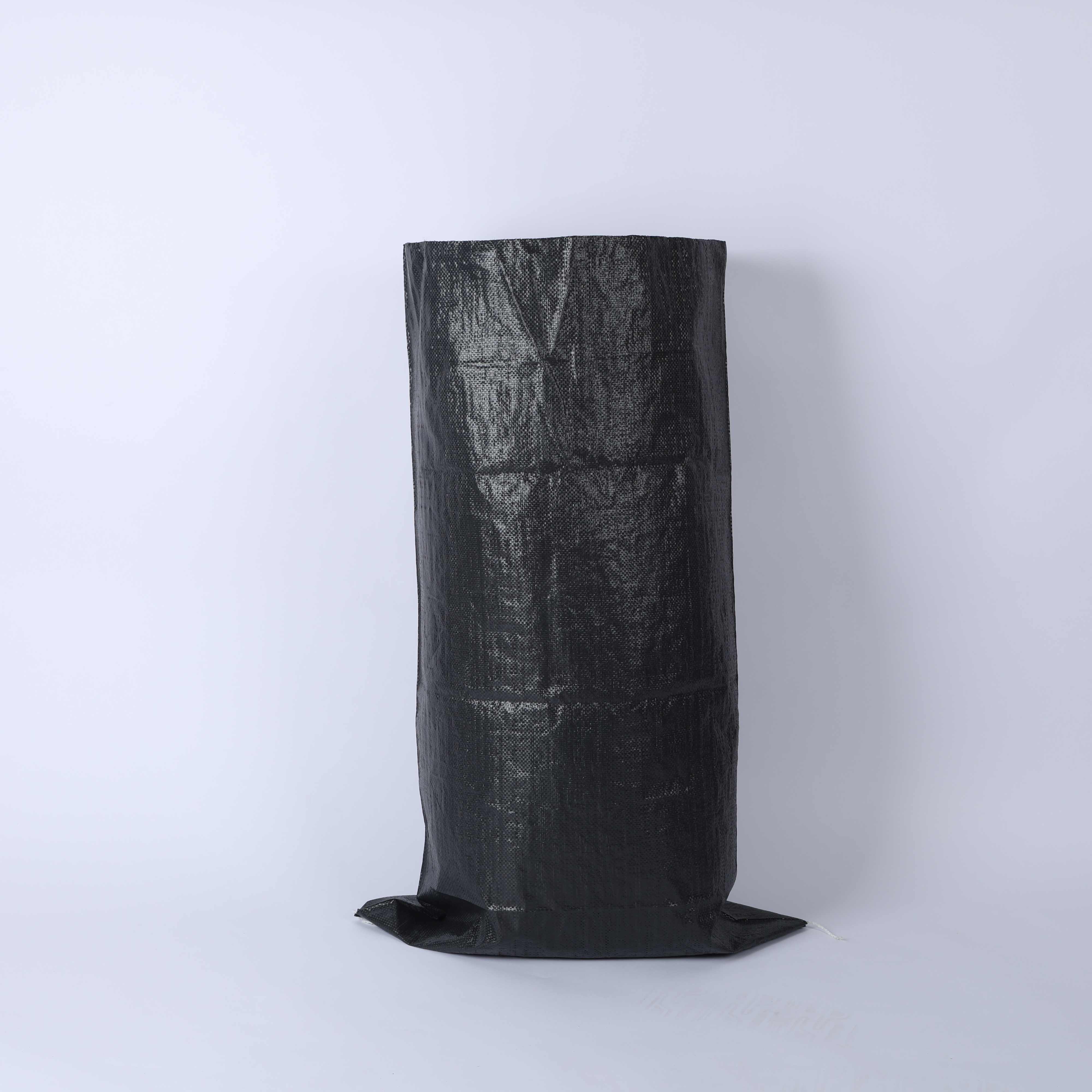
Understanding the root causes of print smudging is essential for achieving consistent, professional results on laminated pp bag surfaces. Whether the issue stems from ink formulation, substrate preparation, equipment settings, or environmental conditions, targeted solutions exist to eliminate smudging and maintain print quality throughout the product lifecycle. This guide explores practical strategies to solve print smudging problems on BOPP packaging and bopp woven bag materials.
Print smudging occurs when ink particles transfer from the substrate surface onto adjacent packaging, packaging handlers, or storage containers during the drying, handling, and distribution phases. BOPP laminated bags present a unique challenge because the substrate's smooth, non-porous surface offers minimal absorption capacity compared to paper or uncoated materials. When ink sits on top of the laminated pp bag surface rather than penetrating it, the dried ink layer remains vulnerable to mechanical friction, moisture absorption, or solvent reactivation.
Inadequate curing time between printing and packaging is a primary culprit in smudging failures. Temperature fluctuations, humidity spikes, and poor air circulation in production facilities can delay ink polymerization, leaving printed woven bag surfaces tacky for hours after production. Storage conditions also play a critical role. If freshly printed bopp packaging is stacked or exposed to heat before inks fully harden, the weight of overlapping bags or thermal stress can cause the ink layer to soften and transfer.
Flexographic inks, solvent-based systems, and UV-curable formulations each offer distinct advantages for BOPP laminated bags. Solvent-based inks, while traditionally effective on polypropylene, require robust drying infrastructure and careful environmental management to prevent smudging. UV-curable inks, conversely, cure instantly under UV exposure, virtually eliminating smudge risk during post-print handling of printed woven bag stock. Water-based inks are gaining traction in environmentally conscious operations, though they demand precise adhesion promoters and surface treatments to perform reliably on the hydrophobic laminated pp bag substrate.
The fundamental challenge with printing on BOPP woven bag and laminated surfaces is ink adhesion. Polypropylene naturally repels most liquid inks due to its low surface energy. Corona treatment, plasma pretreatment, or primer application significantly enhances ink wetting and adhesion on bopp packaging substrates. A 1–2 micron primer layer creates a receptive surface that anchors ink molecules chemically, reducing transfer and smudging even before ink fully cures. Modern flexographic printing systems often incorporate inline surface treatment capabilities, allowing printers to condition each laminated pp bag roll immediately before ink application.
Print speed, ink film thickness, and dryer temperature must work in harmony to achieve complete curing on BOPP laminated bags without degrading substrate or ink quality. Slower print speeds allow more uniform ink transfer and provide extended contact time for evaporation in solvent-based systems. Conversely, excessive speed combined with insufficient dryer capacity leaves ink partially cured, creating the ideal conditions for smudging on printed woven bag surfaces. Temperature control is equally critical; inks cure too slowly below 50°C, while excessive heat above 80°C may distort the laminated pp bag film or cause premature polymer cross-linking that traps residual solvents.
Even perfectly cured ink can smudge if freshly printed BOPP woven bag materials are stacked or compressed immediately after production. Implementing a cooling zone between the printer and packaging line allows printed bopp packaging to stabilize thermally and chemically. Anti-slip sheets, spine boards, or reduced stacking heights during the first 2–4 hours post-print protect ink from mechanical pressure transfer. Environmental chambers with controlled temperature and humidity also reduce smudging risk by maintaining consistent conditions that support full ink polymerization before the laminated pp bag enters warehouse storage.
Establishing baseline smudge resistance is critical for ongoing quality management on BOPP laminated bags. Rub tests, where a standardized fabric or applicator moves across printed surfaces under defined pressure, quantify ink durability and transfer potential. Tack tests measure residual surface stickiness, indicating whether inks have fully polymerized. For printed woven bag products destined for high-friction applications—such as food ingredients, textiles, or chemicals—accelerated aging under elevated temperature and humidity simulates real-world distribution stresses and reveals latent smudging vulnerabilities before production scale-up.
Recording print conditions, environmental data, and smudge observations creates a diagnostic database that identifies patterns and trends in bopp packaging quality failures. When smudging occurs, systematic investigation of ink batch, substrate lot, ambient temperature, print speed, and drying parameters typically isolates the contributing factor. This data-driven approach enables rapid corrective action and prevents recurrence of the same defect on subsequent laminated pp bag production runs. Continuous improvement cycles, informed by quality metrics, progressively eliminate smudging across the entire product portfolio.
BOPP woven bag materials and laminated pp bag substrates have inherently low surface porosity, meaning inks dry primarily through evaporation or UV polymerization rather than absorption. Coated papers have microstructured surfaces that trap and anchor ink particles mechanically. Additionally, bopp packaging surfaces remain smoother and more slippery, offering less friction resistance to ink transfer during handling. The combination of poor ink absorption and high gloss creates ideal conditions for smudging unless curing and handling protocols are strictly optimized.
UV-curable systems cure instantaneously under UV exposure, eliminating the tacky phase that typically leads to smudging during post-print handling. However, complete smudge prevention also depends on surface preparation, ink film thickness, and mechanical pressure applied after UV curing. If BOPP laminated bags are stacked under heavy load immediately after UV exposure, or if surface tension remains poor, marginal smudging can still occur even with UV systems. Combining UV inks with proper adhesion promotion and controlled post-print handling delivers the most robust smudge resistance.
Recommended cooling time varies with ink type and dryer capacity, typically ranging from 1–4 hours for solvent-based inks on bopp woven bag and laminated pp bag substrates. UV-cured inks on printed woven bag stock may be handled immediately after exposure but should still settle for 15–30 minutes before aggressive stacking. Environmental conditions, ink film thickness, and production line speed all influence this timeline. Establishing a controlled cooling zone with air circulation accelerates polymerization and reduces overall resting time while maintaining consistent smudge resistance across BOPP laminated bags throughout production runs.

Discover the 4 critical production metrics—throughput, defect rate, equipment uptime & on-time delivery—to vet factories confidently.

Ensure regulatory compliance & worker safety with proven methods for chemical woven bags—material selection, labeling, storage & training.

Discover the full PP woven bag manufacturing workflow—from extrusion & weaving to printing & QC. Boost efficiency, compliance & ROI. Download the process guide now.

Struggling with weak bags or high material waste? Master extrusion and tape drawing tech for stronger, cheaper PP woven bags. Optimize your production line now.

Struggling with defects or customer returns? Discover the 5 non-negotiable quality checkpoints across your woven bag production line
Which automation tier is right for your PP woven bag factory? Compare manual to Industry 4.0 systems for cost, quality, and scalability.
Get in touch for details on polypropylene woven bags and flexible packaging solutions.
Tel
Address
No.2015, Liaoyuan Building, Lanshan District, Linyi City, Shandong Province.China

