 EN
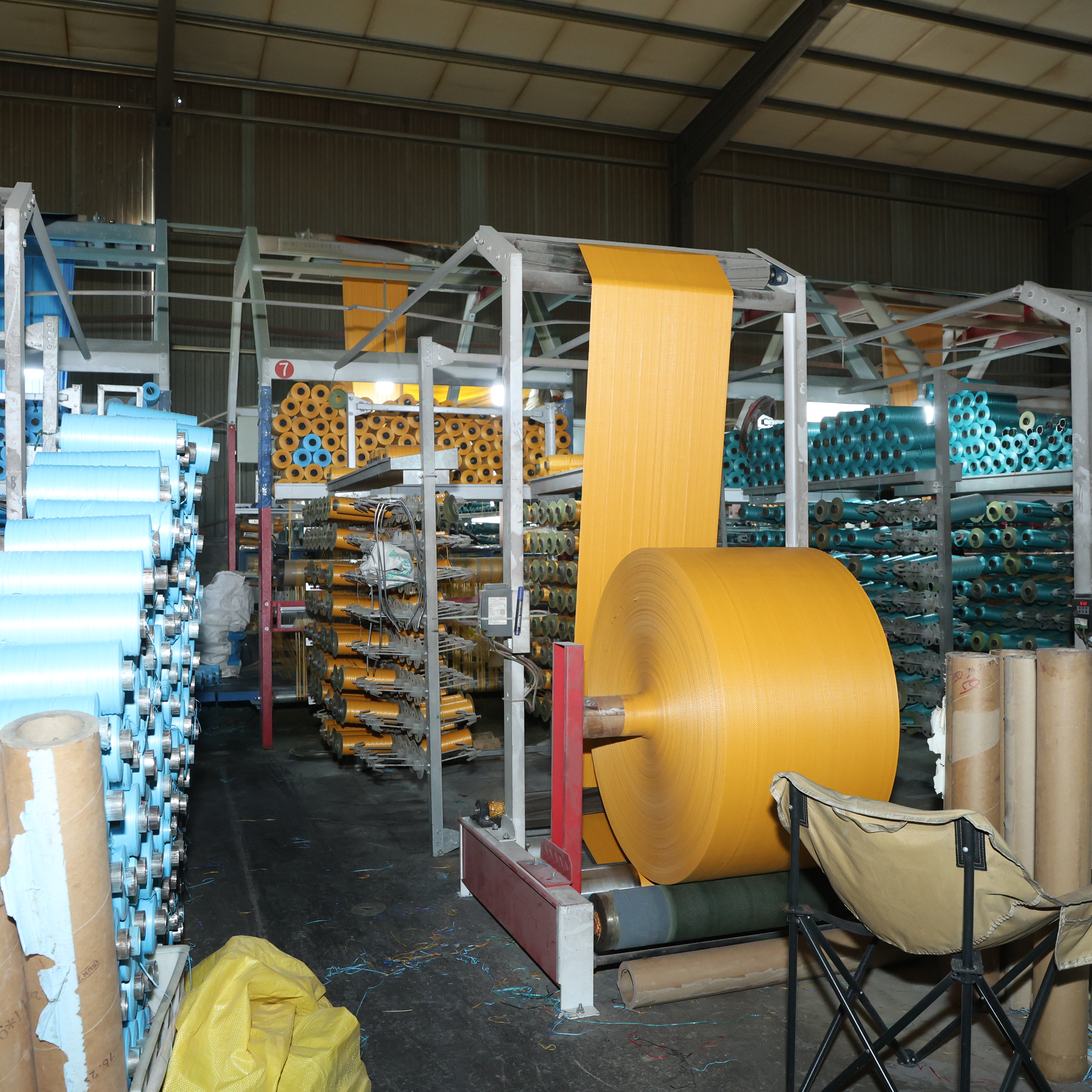
How to Assess Production Efficiency at a PP Woven Bag Factory
Discover the 4 critical production metrics—throughput, defect rate, equipment uptime & on-time delivery—to vet factories confidently.

2026/08/06
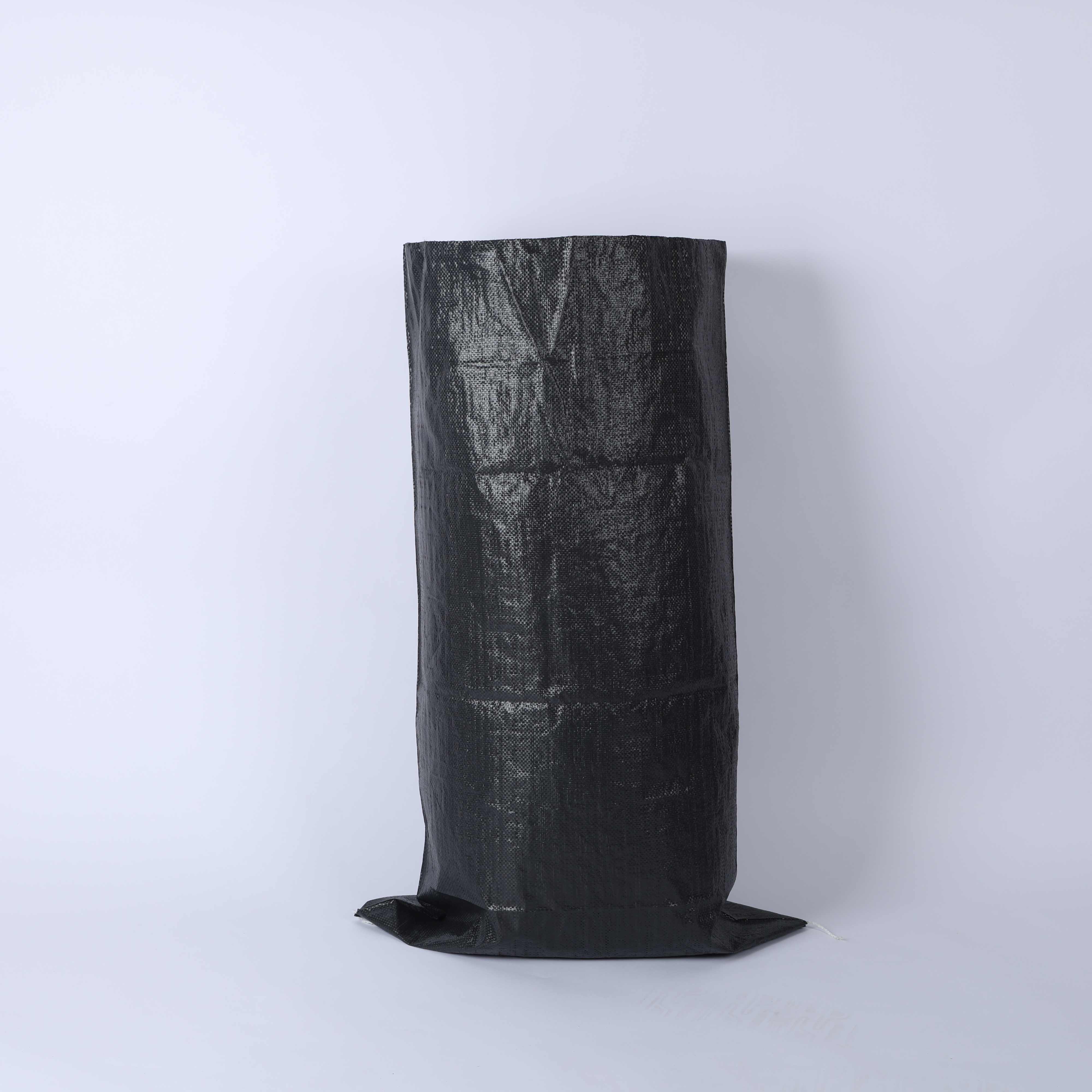
Puncture damage represents one of the most significant challenges facing manufacturers and end-users of industrial packaging solutions. When products are transported, stored, or handled in demanding environments, the integrity of the packaging directly impacts product quality and supply chain costs. A PE lined woven bag combines the structural strength of woven polypropylene with the moisture protection of polyethylene, creating a robust packaging solution that should resist punctures and environmental stress. However, puncture failures still occur, leading to product contamination, spoilage, and customer dissatisfaction. Understanding the root causes of these failures and implementing effective solutions is essential for anyone relying on these bags for critical applications.
The puncture problem in PE liner bag applications stems from multiple interconnected factors, including material thickness inconsistencies, surface friction during transit, and inadequate edge reinforcement. A PE lined woven bag must balance weight efficiency with structural protection, yet many standard products fail to achieve this balance consistently. This article explores the practical mechanisms behind puncture failures, examines how PE Lined bags can be engineered to resist damage, and provides actionable strategies for selecting and implementing puncture-resistant packaging in your supply chain.
The effectiveness of a PE liner bag depends critically on the polyethylene layer's thickness and consistency. A moisture barrier bag requires sufficient polymer density to withstand sharp impacts from product edges, palletizing equipment, and warehouse handling equipment. When polyethylene thickness falls below specification due to manufacturing variability, the liner becomes vulnerable to micro-punctures that may not be immediately visible but expand during transport. Additionally, the PP pe composite bag structure must maintain uniform thickness across all seams and stress points where the woven fabric meets the polyethylene layer. Uneven extrusion or improper lamination processes create weak zones that fail under pressure far earlier than designed.
Products stored inside a PE liner bag often possess sharp edges, rough surfaces, or crystalline structures that abrade the internal polyethylene coating through vibration and movement. During transportation on uneven roads or during stacking operations, the product shifts continuously, creating repetitive micro-abrasion against the liner. A moisture barrier bag must be engineered with adequate surface treatment or protective strategies to reduce this friction. The problem intensifies when bags are stacked in high quantities or subjected to outdoor weathering, which degrades the polyethylene surface and reduces its puncture resistance over time. Bags stored in fluctuating temperature environments also experience polymer brittleness, making the PE liner bag more susceptible to cracking.
The most direct solution involves upgrading the polyethylene layer specification in your PP pe composite bag selection. Increasing liner thickness from standard 50 microns to 75 or 100 microns dramatically improves puncture resistance without proportionally increasing bag cost. Advanced polyethylene formulations incorporating slip agents and anti-block additives reduce internal friction, allowing products to move more smoothly against the liner surface. Specifying high-density polyethylene (HDPE) instead of low-density polyethylene (LDPE) provides superior puncture resistance and tear propagation resistance. When ordering PE lined woven bags, request certification of thickness uniformity across production batches, which ensures consistency and reduces the likelihood of unexpected failures in field conditions.
Incorporating protective layers between the product and the PE liner bag extends puncture protection significantly. Inner kraft paper liners or cushioning films create a sacrificial barrier that absorbs impact energy before reaching the polyethylene layer. This approach is particularly effective for applications where products contain sharp edges, such as metal components, hardware, or crystalline materials. The moisture barrier bag function remains intact because the polyethylene layer sits underneath these protective elements, maintaining water resistance while gaining mechanical protection. For critical applications, a PE lined woven bag can be equipped with corner reinforcements or edge guards that concentrate protection where puncture risk is highest. These modifications increase packaging cost but often prove economical compared to field failures and product replacement expenses.
Structural enhancements in bag design directly improve puncture performance without requiring material upgrades. Increasing the number of woven fabric layers in stress zones, particularly at the bottom and side seams, distributes puncture force across a larger area. Gusseted designs in a PE liner bag reduce internal pressure from product weight and stacking loads, decreasing the likelihood of stress concentrations that lead to rupture. Integrating protective netting inside the bag body creates a secondary barrier that catches sharp product edges and prevents them from contacting the polyethylene layer directly. These design modifications represent cost-effective enhancements that work synergistically with material improvements to create robust packaging solutions that consistently perform in demanding supply chains.
Effective puncture prevention begins with honest assessment of your specific application's hazard profile. A PE lined woven bag handling lightweight, rounded products requires different specifications than one containing heavy, sharp-edged industrial materials. Consider the entire journey your packaged product will experience, including warehouse storage duration, transportation distance and method, stacking height, and exposure to weather. Document any historical puncture failures, including their location on the bag, failure pattern, and resulting product impact. This data directly informs which combination of material upgrades, protective technologies, and design modifications will deliver the best cost-benefit outcome. For high-value products or critical applications, investing in samples and field testing before full-scale implementation prevents costly supply chain disruptions.
Successful implementation of puncture-resistant PE liner bag solutions requires transparent communication with packaging manufacturers about your specific failure modes and performance requirements. Reputable suppliers can provide technical recommendations based on their experience with similar applications and can validate proposed solutions through testing protocols such as ASTM D6775 puncture resistance testing. Request samples incorporating your specified enhancements and test them under realistic conditions that mirror your actual supply chain environment. Establishing long-term partnerships with suppliers who understand your application ensures consistency and enables continuous improvement as your business needs evolve. A moisture barrier bag manufacturer with technical depth can recommend cost-optimized solutions that meet your performance targets without unnecessary over-engineering.
Puncture failures in PE liner bags typically result from a combination of factors: insufficient polyethylene thickness, material variability during manufacturing, friction from product edges during handling and transport, and mechanical stress from stacking or rough handling. The most common cause is inconsistent liner thickness, which creates weak zones that fail under pressure. Environmental factors such as temperature fluctuations and UV exposure also degrade polyethylene over time, reducing its puncture resistance capacity. Addressing these factors through material specification, protective barrier integration, and design optimization prevents most puncture-related failures.
A moisture barrier bag incorporates a polyethylene layer that provides both moisture protection and structural reinforcement compared to unlined woven bags. The PE liner bag configuration distributes puncture force across both the woven fabric and polyethylene layers, creating redundancy that unlined bags lack. However, moisture barrier bag performance depends entirely on the polyethylene layer's quality and thickness. If the liner is too thin or poorly bonded to the woven substrate, it may actually create weak points rather than improving puncture resistance. Proper specification and manufacturing execution of the PE lined structure are essential for achieving superior puncture performance.
Yes, several cost-effective approaches can improve puncture resistance in PP pe composite bags without dramatically increasing price. Modest thickness increases in the polyethylene layer, such as from 50 to 75 microns, provide substantial puncture improvement at minimal cost increase. Design modifications such as gusseted configurations or reinforced seams are inexpensive to implement and significantly improve performance. Strategic placement of protective layers only in high-risk zones rather than throughout the entire bag reduces cost while concentrating protection where needed. Collaborating with suppliers to optimize manufacturing processes can also improve thickness consistency, eliminating waste from quality failures. Testing different material specifications with your actual products identifies the most cost-effective solution that meets your minimum performance requirements.

Discover the 4 critical production metrics—throughput, defect rate, equipment uptime & on-time delivery—to vet factories confidently.

Ensure regulatory compliance & worker safety with proven methods for chemical woven bags—material selection, labeling, storage & training.

Discover the full PP woven bag manufacturing workflow—from extrusion & weaving to printing & QC. Boost efficiency, compliance & ROI. Download the process guide now.

Struggling with weak bags or high material waste? Master extrusion and tape drawing tech for stronger, cheaper PP woven bags. Optimize your production line now.

Struggling with defects or customer returns? Discover the 5 non-negotiable quality checkpoints across your woven bag production line
Which automation tier is right for your PP woven bag factory? Compare manual to Industry 4.0 systems for cost, quality, and scalability.
Get in touch for details on polypropylene woven bags and flexible packaging solutions.
Tel
Address
No.2015, Liaoyuan Building, Lanshan District, Linyi City, Shandong Province.China

